
Project Motor Racing Review
Xbox Series X|S
A carefully planned return to hard-core racing simulations that are ambitious, beautiful, and flawed.
Reviewed by Azfar Rayan on Nov 29, 2025
The race genre is going through a strange time. Over the past 10 years, high-budget games have moved away from strict realism toward open worlds, easy-to-use controls, and experiences that appeal to a wide range of players. As a result, there are fewer and fewer racing games that are truly simulation-based, leaving fans of detailed, physics-based race games with fewer and fewer choices.
At the heart of this change was the Project CARS series, once praised for its realism but later criticized for moving away from its roots. The racing in the first two rounds was rough, unforgiving, and very technical. Then, after changes at the company and industry pressure, the third entry became much easier for everyone to access. That choice covered up the show's original character and, in the end, helped it disappear from the genre.
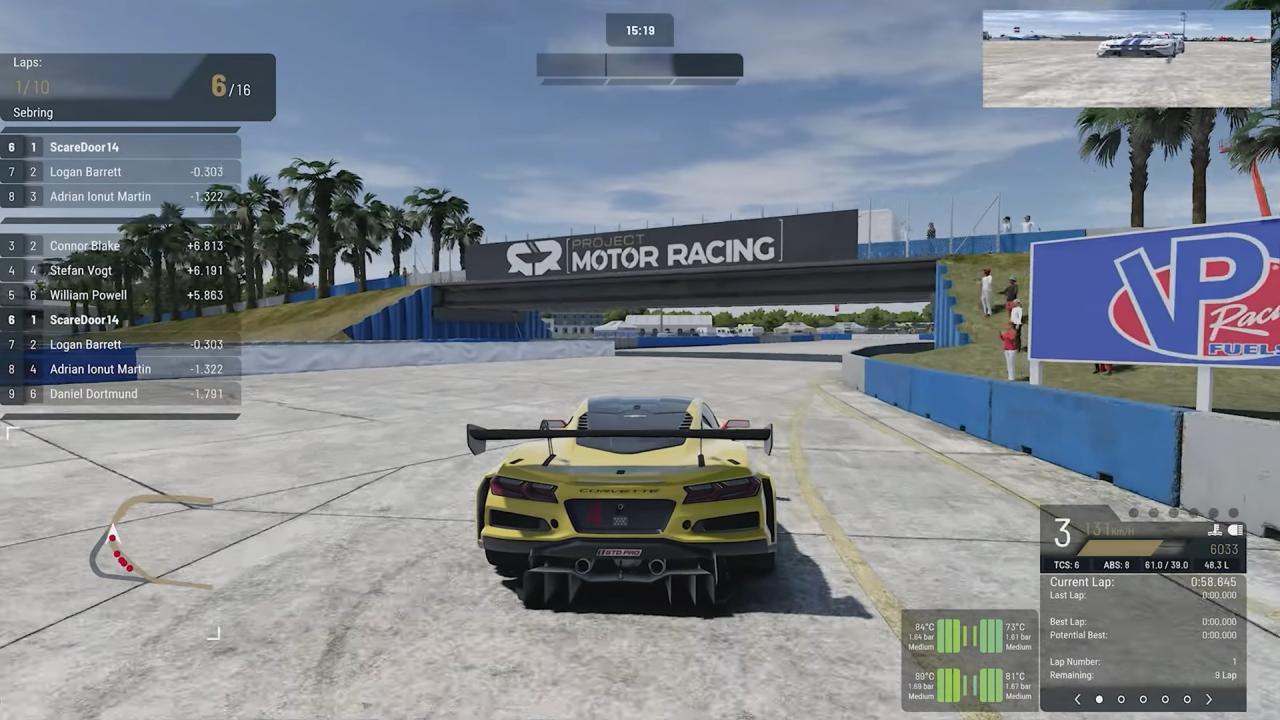
This left a hole for serious sim racers who liked precise mechanics, realistic physics modeling, and useful tuning tools. The goal of Project Motor Racing is to fill that gap. It has a lot in common with Project CARS 2, and many of the people working on it have also worked on the first game in the series. Their goal is clear: to restore simulation to its former greatness by focusing on accuracy rather than popularity.
Project Motor Racing is both a tribute and a continuation of the series. It tries to show that serious driving simulators can still be fun in current games.
Instead of trying to be an open-world adventure or a pinball show, the game is based on motorsports on a track. A purpose-driven method can be seen in the cars, the tuning, the physics, the weather systems, and the race-weekend workflows. This is made for people who like the way machinery feels under a lot of stress, the delicate push-and-pull of grip and speed, and the joy of adjusting hardware without simple aids.
But the game doesn't have as much money as its predecessors, which is why it has a narrower structure and less material at launch. Even though it has some problems, the whole experience is filled with a strong emotional sense.
Storytelling isn't important to Project Motor Racing's development. Instead, the story is built around the natural rhythms of motorsport, such as small steps toward growth, planning for the future, and the tension of competition. You choose your path in the career mode by signing sponsorship deals, buying cars, and entering race weekends. Your goal is to go from underdog to winner.
Every weekend is like a little story, with difficulties that you can't see coming.
The weather could change at the worst time. If you choose the wrong tires, you might ruin what could have been your best lap. A dangerous change to the tuning could cost you valuable seconds or make the car completely unstable.
Instead of telling you what to do with stories and characters, the game lets the sport itself decide how you play. At first, the lack of story depth may feel empty. Still, it supports the simulator attitude, which says that racing is more about doing it right, being consistent, and being precise than telling a story.
When you almost win, when you pass someone late in the race, or when you cut a section time by a tiny bit, you get excited. With this structure, competition helps you get into the game, and you feel like you own each racing part even though there isn't a traditional story.
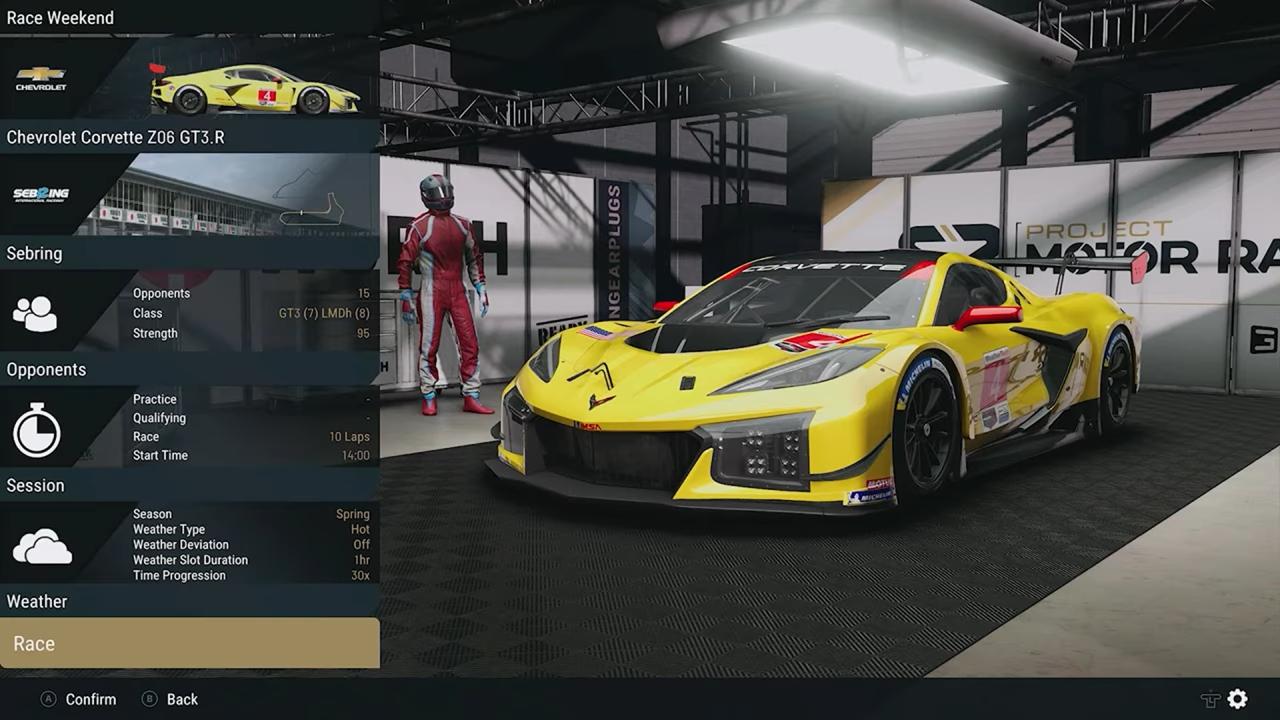
Control, knowledge, and adaptability are at the heart of Project Motor Racing. The game wants you to act like both a driver and an engineer as soon as you walk into the workshop. There are many speed settings that you can change, and each one has a big effect on how your car drives.
Tuning stops being an extra function and becomes an integral part of the game's loop. You can adjust suspension stiffness to change responsiveness; track temperature affects tire compounds; brake bias can be adjusted to handle different turn sequences; and aerodynamics are optimized to find the best balance between speed and safety.
The Hadran engine makes these changes happen once the car is on the track. Weight distribution, horsepower, traction behavior, and aerodynamics all play a role in how each car feels. The laws of physics are sensitive and harsh. The car will push wide if you make a turn too quickly. You can tell when your tires aren't warmed up because they have less grip.
Small changes in the weather can affect how the car handles. For example, rain makes it harder to see and makes the track less stable, while clouds can cool the track and make tires last longer.
When using a controller, the game is playable, though it can get jerky in tight turns or at high speeds. The game clearly works best with wheel sets because the force feedback lets you feel every bump in the road. At high speeds, you can feel the weight shift, tire chatter, and aerodynamic pressure. This level of tactile communication makes things feel more real, helping you make better racing decisions.
The career mode adds structure beyond the track, but it stays deliberately lean.
You can pick between authentic and standard rules, which change how often you have to restart and how hard the AI is. What you choose for your sponsorship plan is what makes you money. Some contracts give you a steady income no matter where you work, while others reward good work and punish bad weekends.
Once you've agreed to these things, you buy cars, pay entry fees, and go from one event to the next. The structure can be used, but it lacks off-track depth. There is no managing a team, no improving the facilities, and not much you can do to make your racing character unique.
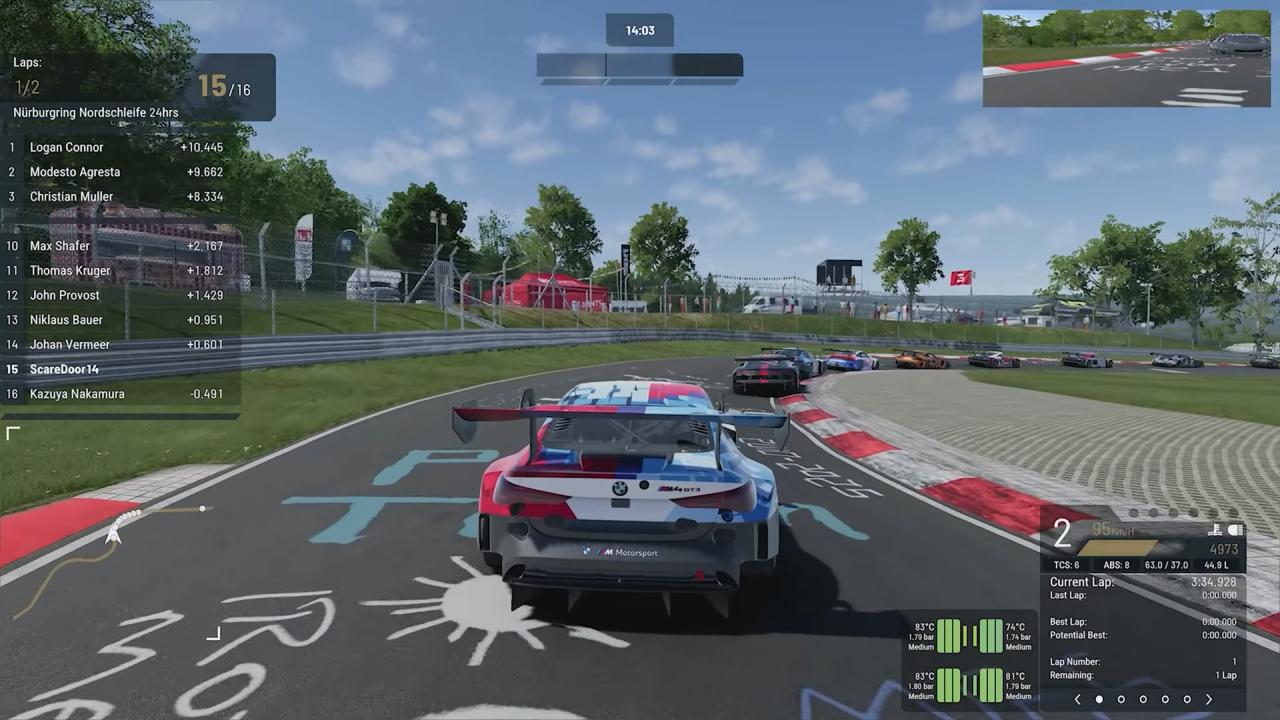
All of the game's other modes have been simplified in the same way. Quick play lets you get to roads and cars right away. When you play online, you can choose between ranked and casual games. There are already several time-based challenges and endurance scenarios, and more community material is on the way. Even though these modes work well, they don't make the game last as long as a fully developed job or league system would have.
Even though there is no fighting in the game, each lap of racing is like a new puzzle. Each track layout has its own rhythm, and you have to learn the best way to stop, race, and change gears to master this process. Adding the tuning system makes things more interesting by making you think about how changes to the mechanical parts affect efficiency
Figuring out how these things work together turns into a mental task that rewards you for trying new things and punishes you for guessing. When you add changes to the surroundings, racing becomes even more like a puzzle. Some drivers may need to change their tires mid-race due to sudden weather changes.
How quickly tires heat up or wear out depends on the track's temperature. During long events, the weight of the fuel affects the car's balance. As the road conditions change, you have to keep doing a little math to keep your speed and control.
The game fails in making it easy for everyone to play.
New players may feel overwhelmed because almost every system thinks they know something about motorsport engineering. The simple tutorial system doesn't do much to help you learn advanced driving or tuning ideas.
Without suggestions or explanations, people learn by making mistakes and trying again. This unwavering method is thrilling and satisfying for die-hard Sim fans. For newbies, it becomes a steep wall that might make them lose interest in staying involved for long.
There isn't a normal XP system. To make progress, you need money from things like race results and funding. The main currency is personal growth. When you get better at driving and learn the finer points of tuning, the experience is more rewarding. For a pure simulation, this design works well, but people who like to unlock things, get perks, or move along a structured reward path might find it boring.
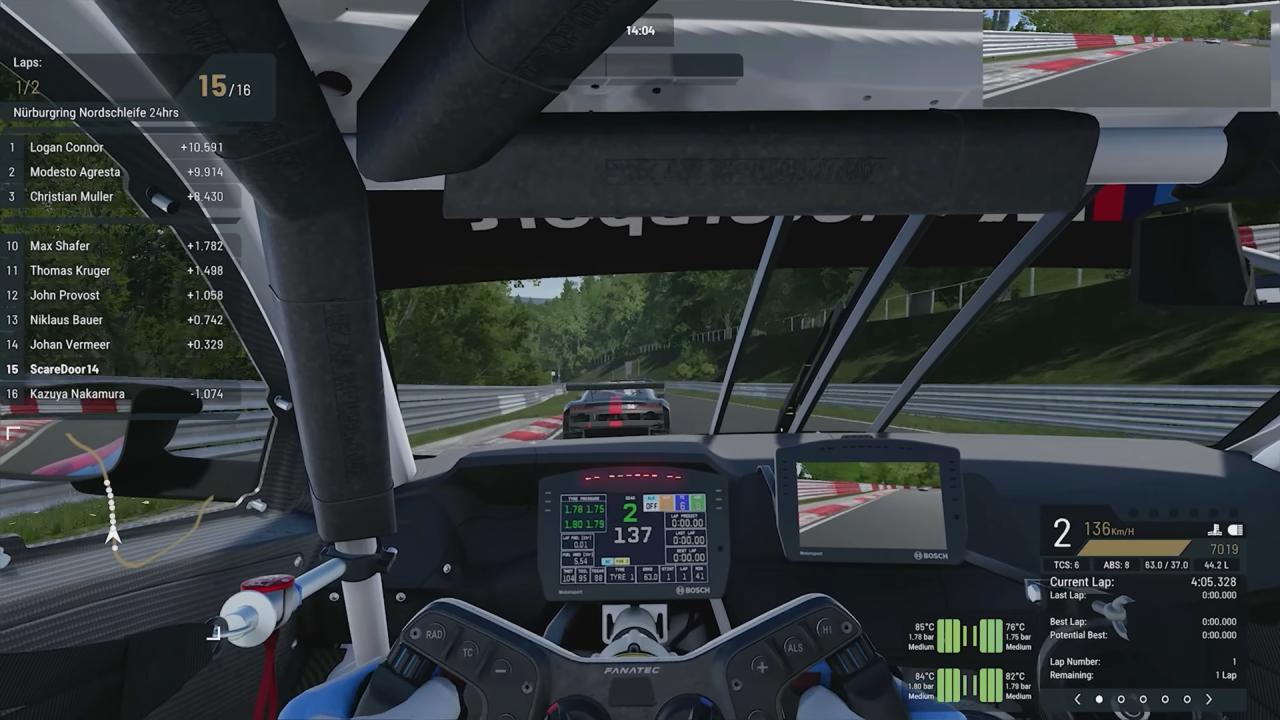
The graphics in Project Motor Racing are very impressive. There is an amazing amount of detail in the tracks, from guardrails that reflect light to race lines that change shape as tires wear down the asphalt. Car models feature sharp edges and realistic material textures that change with lighting. The weather systems make the atmosphere better—rain streaks across the cars, puddles form accurately, and races at sunset bathe the cars in warm, movie-like tones.
When there are fast sequences, the sense of speed is strongly communicated. Motion effects, blurred backgrounds, and fast light reflections all work together to make an exciting and engaging view. You can feel the pressure of racing without being distracted by visual noise thanks to the graphics that are both realistic and clear.
Even though the game was made with a small budget, the graphics are on par with, and sometimes even better than, those in bigger racing games.
If the visuals make you feel like you're really there, the sound makes you feel even more. The sound design is really great and captures the mechanical heart of racing. Deep, textured growls come from engines, and each type of car has its own unique sound identity. As you speed up, slow down, or turn sharply, the soundscape changes, helping you figure out how the car is behaving just by listening.
Effects of the environment give it depth. Tire screeches mean that the tires are losing their grip. Drops of rain hit the frame. When other cars pass you, they roar next to you, making you feel close and in danger. These sound levels create a high-fidelity space where each mechanical detail is taken into account. The end result is a sound experience that fits together and makes each race feel alive.
Project Motor Racing tries to bring back the fun of real-life virtual racing, and it does a great job of it in many ways. Because it is so realistic, has complex tuning systems, great handling, and beautiful video presentation, it makes racing feel very real. This game is made for people who like real driving physics and the task of getting good at controlling very complicated vehicles.
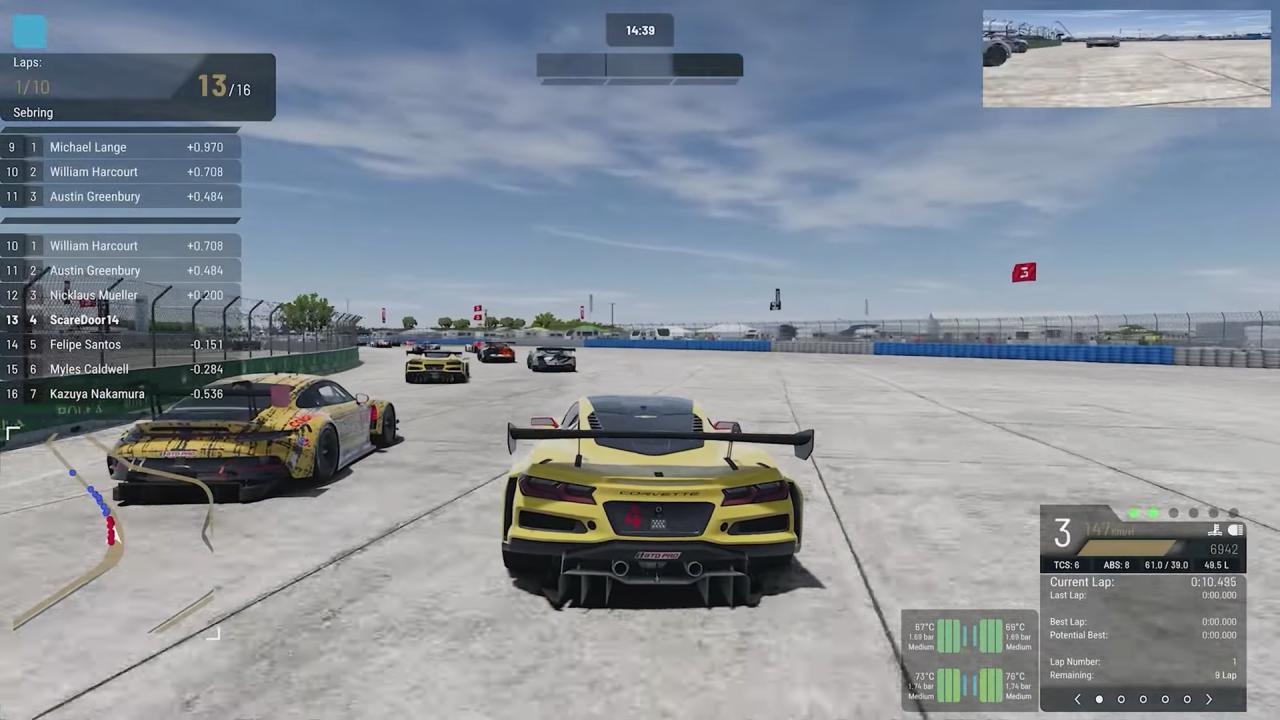
But the game's good points also have bad points. One scary thing about starting is that there aren't any lessons or other help available. While the career mode works, it's pretty basic and doesn't offer much variety outside of racing weekends. At the start, there isn't a lot of content. Community contributions and future updates will help make it bigger. The race itself is great, but the game's setting and story feel like they could use some work.
Even though Project Motor Racing has these problems, it is made with real love. It brings back the spirit of accurate racing simulations that many fans thought had been lost. It's a satisfying and real journey if you want a detailed, uncompromising racing experience that puts an emphasis on skill, engineering, and the thrill of competition.
Senior Editor, NoobFeed
Verdict
Project Motor Racing is a beautifully made racing sim that performs well on the track, but is hard to get into and lacks enough depth. Perfect for realists who want to stay true to themselves, but hard for newcomers.
70
Related News
No Data.