
Quarantine Zone: The Last Check Review
PC
When survival depends on your judgment, not your trigger finger.
Reviewed by Mahi Araf on Feb 10, 2026
Over the years, post-apocalyptic zombie literature has been picked clean, repackaged, and sold in a huge number of different ways. In the last few years, shooters, survival sandboxes, RPGs, and horror movies have all tried to make the world end. The Brigada Games game Quarantine Zone: The Last Check goes into that busy area with a different question in mind.
It doesn't test your shooting skills or how long you can stay alive; instead, it tests how well you can judge people when you're under a lot of stress. This is Brigada Games' first game, and instead of going for spectacle, the company focuses on systems, atmosphere, and responsibility. It's clear that the game was influenced by games like "Papers, Please," but it doesn't just copy that style.
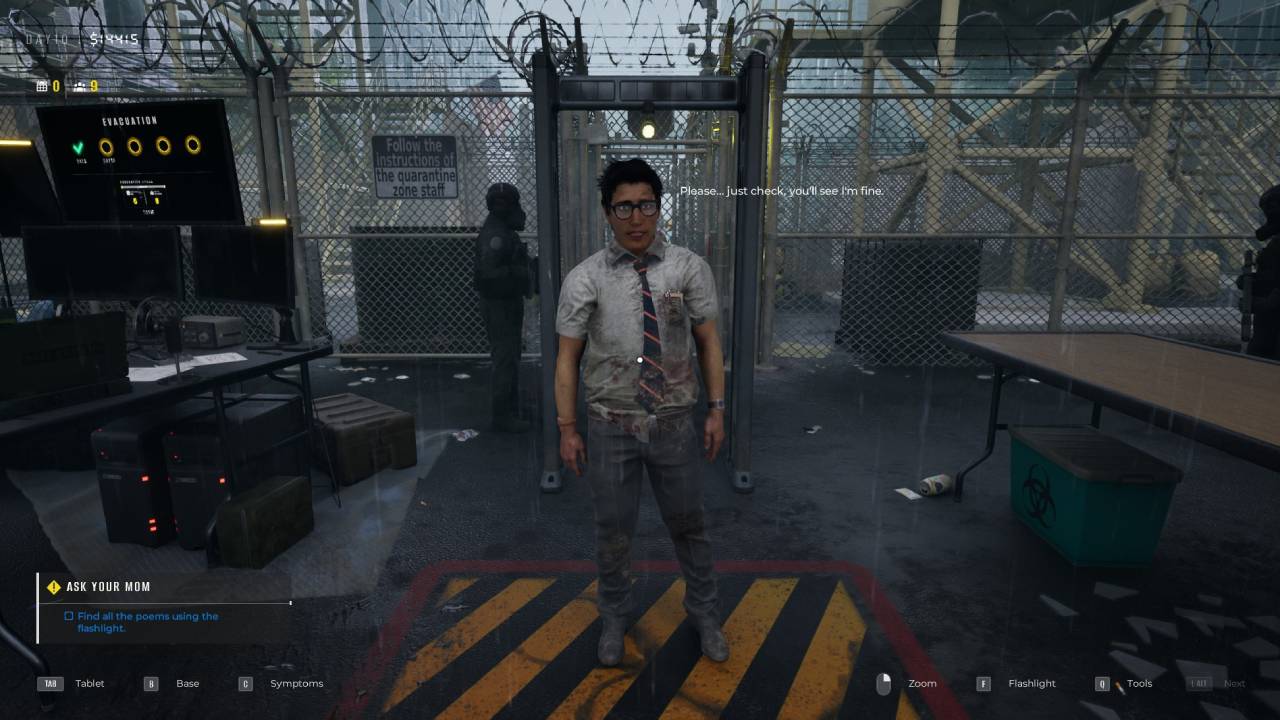
It changes the setting to a zombie outbreak, where mistakes are not just clerical ones but can mean death. The concept makes you feel uncomfortable right away on purpose. The world is facing a virus spread that makes people violent. Cities are falling apart, borders are being closed, and quarantine zones have been set up as the last line of defense between life and extinction.
You have been put in charge of one of these checkpoints. Every person who comes close to the gate is taking a chance.
Some are good for you. Some have been affected. It's very well hidden by some. Your job isn't heroic, exciting, or powerful. It's all about following the rules, has mixed morals, and is always difficult. That's not how the game makes you feel about your power. Then it drops you into a pattern that gets tighter around your choices over time.
In Quarantine Zone: The Last Check, the story is purposely kept simple. There aren't any long cutscenes or dramatic speeches. The story is told instead through daily briefings, requests for evacuation, side jobs, and the people who are waiting in front of your checkpoint. The situation for humanity is bad, and the answer is cold and bureaucratic.
Depending on what the unseen authorities want that day, survivors must be processed, put into groups, and sent to either combat units or research facilities. The campaign is organized into cycles of evacuation. Each step raises the stakes by calling for more survivors and fewer mistakes.
There are people who hold the story together, like your boss, Major, and your assistant, Georgie. What they do, what they say, and sometimes a dry quip keep the experience grounded without being too much. When survivors do talk, they often say they don't have clear signs or come up with darkly funny reasons why they don't.
This shows how silly denial is in a world that is falling apart. The story doesn't have a lot of branching plots, but there are times when the choices you make count, like when you're on a family quest or when you're dealing with a case that is on the edge. There is a hint of more moral depth in these scenes, but the game doesn't fully explore that possibility.
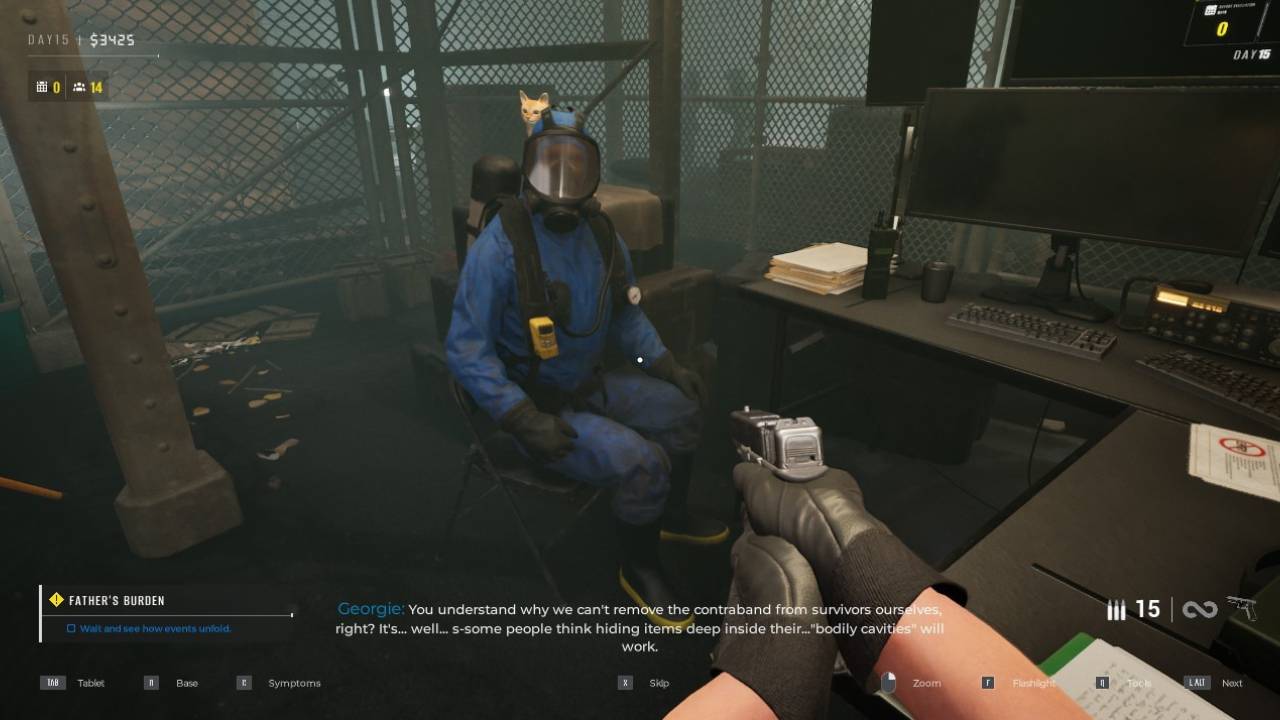
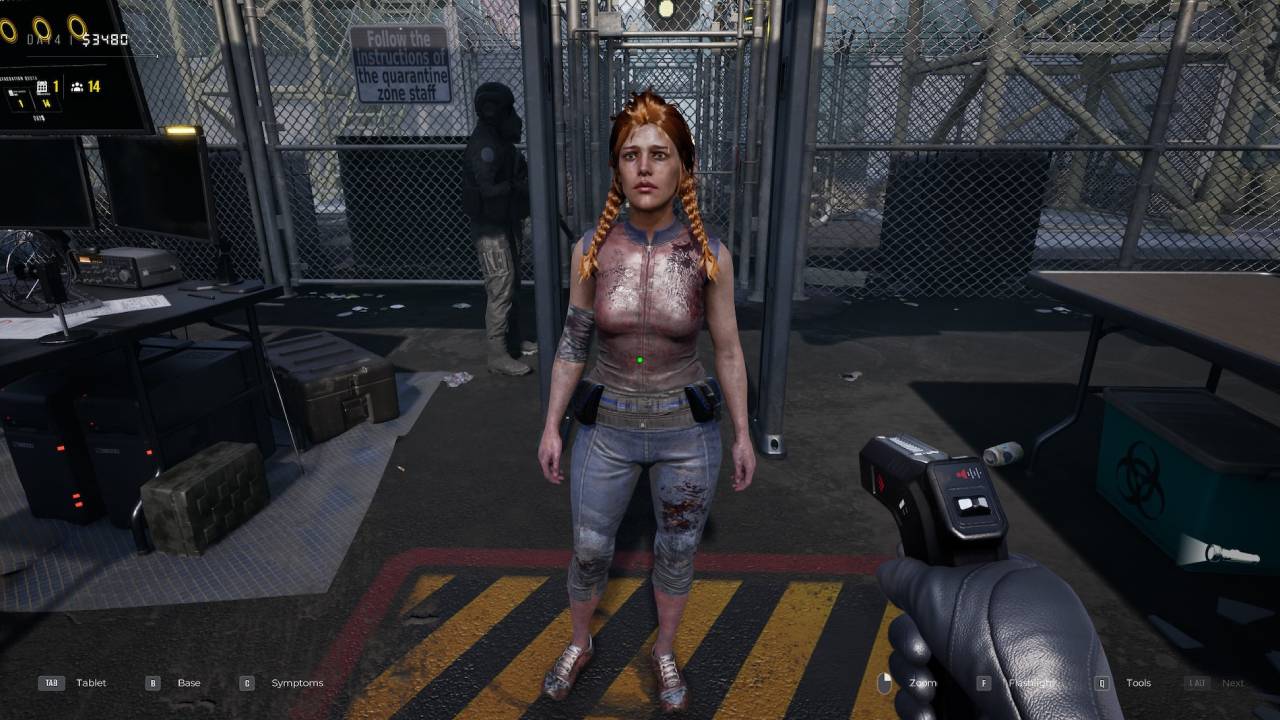
The main idea behind the game is to look things over. One by one, survivors come to your station, and it's your job to decide what will happen to them. At first, your tools are simple. Your perception is based on what you see, your body temperature, and your pulse. You look for spots, cuts, weird behavior, or anything else that doesn't seem right.
At first, the game goes slowly on purpose so that you have to pay attention and be careful.
You can use new tools as you move forward. With a scanner, you can see what's under your clothes. UV lights show up dirt and germs that are hidden on bags. You can do more with stethoscopes, X-ray tools, and even eye exams to look for internal infections. Each tool both makes things more complicated and more efficient.
It's not easy for survivors. There are people who take infected items in their backpacks. Others hide illegal items inside their bodies. A lot of people lie. The game loves these little lies because they make you slow down and check again, even when you have to meet targets.
Based on what you choose, survivors will go in three main directions. People who are healthy are sent to the main camp. Cases that look sketchy can be put in quarantine to be watched. People who have been confirmed to be infected are killed, either directly or through processing sites. Each choice has effects that happen over the course of the next day or night.
The puzzle part of the game is figuring out what the patterns mean. A growing list of symptoms is kept track of, and finding new ones makes it easier to spot people who are affected. This method rewards people who carefully watch and try new things. Sending someone to the lab to be studied, even if it kills them, can reveal important facts that save other people in the future. It's a sad but useful feature that fits with the game's themes.
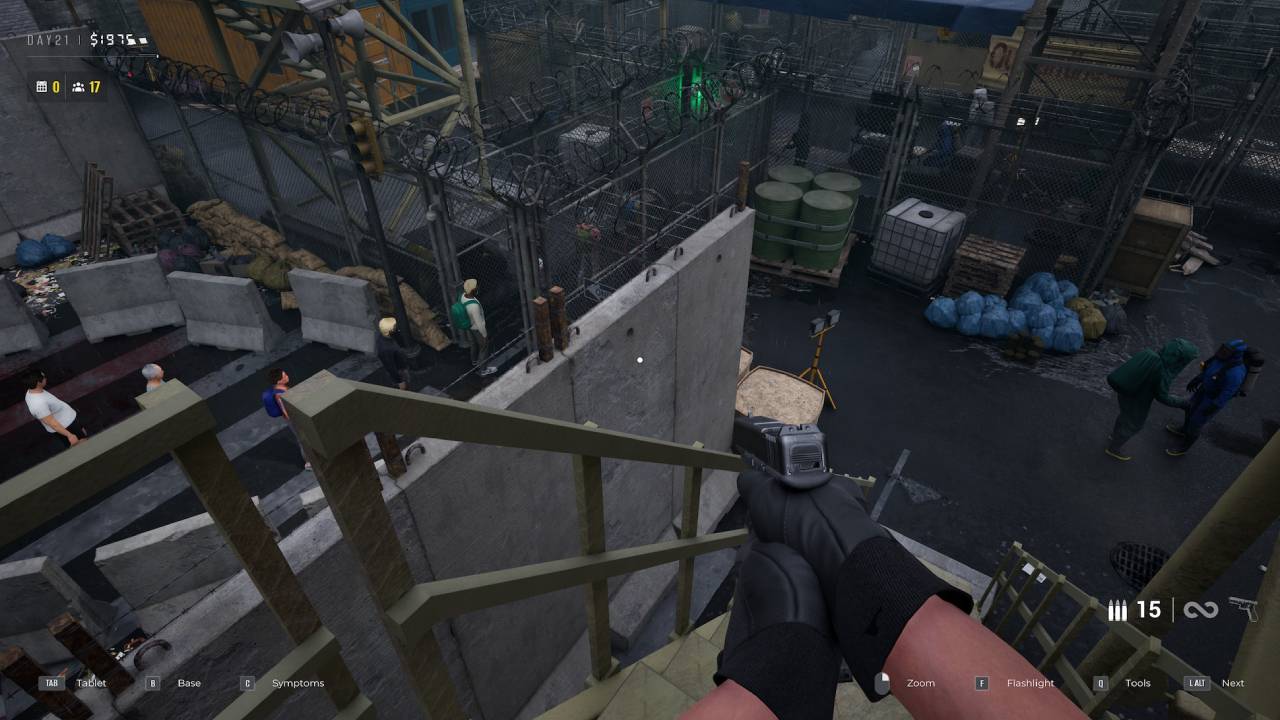
There is combat, but it's not the main point. At night, zombie hordes sometimes attack the base, turning the game into a drone-based defense routine. You are in charge of a heavily armed drone that kills waves of zombies before they get through the walls. This mode works, but it doesn't feel like it fits in with the rest of the experience.
It changes things up and slows things down, but it doesn't have the tension or depth of the inspection games. It takes away from what's important instead of bringing it out. To move forward in Quarantine Zone: The Last Check, you need money and study points. You can get both by doing thorough checks, finding symptoms, doing daily tasks, and meeting evacuation goals.
Research points are very important because they let you improve tools, make checkpoints better, and expand your base. It's easy to get money, but making careless mistakes can quickly drain it. When healthy survivors are killed by mistake or infected people are let into the camp, it causes fines and other problems that spread.
Base management is an extra layer. Generators, canteens, labs, and housing can all be improved so that they can help more people and work more efficiently.
These changes are important. A better checkpoint can easily point out possible symptoms, so you don't have to guess. While expanded quarantine gives us more options, the shared-cell design can cause terrible chain reactions if one sick person turns on others.
Early on, the progression loop is fun, but once everything is opened, it's not as challenging, and the routine stops being exciting and turns into something boring. When it comes to graphics, the game puts accuracy over spectacle. The character models are easy to read, the symptoms are usually clear, and the setting shows ruin and desperation without going into too much detail.
The checkpoint's small size helps the game because it keeps the focus on checks instead of wandering. Dynamic weather effects give the scene character, and lighting is a key part of drawing attention to visual cues.
But technical problems make the show less effective. A bug in the graphics system can make the picture very pixelated, hiding important details until the settings are reset by hand. This is more than just annoying in a game that depends so much on what you see. It gets in the way of core mechanics directly. There is also room for improvement in optimization, as performance problems can show up on even the most powerful computers.
Sound design does a lot of the work without being noticed. Gunshots, background noise, and other sounds from the surroundings make it feel like the world is always in danger. Not much music is played, so the atmosphere can build on its own. The voice acting for the major characters is good, giving boring briefings personality and credibility.
Survivor conversation is short and often the same, but it does what it's supposed to do: it gives the numbers you look at every day a human face.
Quarantine Zone: The Last Check works because it knows how to be calm. It doesn't try to change the genre or have too many features. Instead, it improves a recipe that has already been used and grounds it in atmosphere and responsibility. It's always interesting to check on survivors, make the most of limited resources, and see how small mistakes affect things.
The game falls apart when bugs make it hard to get into and when late-game progress takes away the drama, but the main loop is still interesting. Do not think this is a power dream. The story builds slowly and is about doubt, being in charge, and the weight of choices made under pressure. It's a unique and memorable experience for people who like methodical gameplay and moral pain.
Senior Editor, NoobFeed
Verdict
A tense management sim where you have to make choices and thrive on duty and atmosphere. Even though it has bugs and repeats itself a lot in the endgame, the inspection gameplay at its core makes for a gripping and thoughtful survival story.
72
Related News
No Data.