
Killing Floor 3 Review
PC
Is this bio-horror shooter going to be your next co-op addiction, or is it just another way to make money off of zombies?
Reviewed by Nusrat Choity on Jul 29, 2025
The studio that made the Killing Floor series, Tripwire Interactive, has always had a small but loyal fan base. They have made a name for themselves with their bloody, over-the-top co-op shooters, starting with the rough and ready Killing Floor 1 and moving on to the more polished but still chaotic Killing Floor 2.
Killing Floor 3 is finally here after a long wait. People are excited about it, but some are also a little skeptical. The gaming world has been burned before by games that weren't ready. But Killing Floor 3 wants to show that it is more than just another horde shooter. The question is: Has Tripwire delivered the promise this series holds?
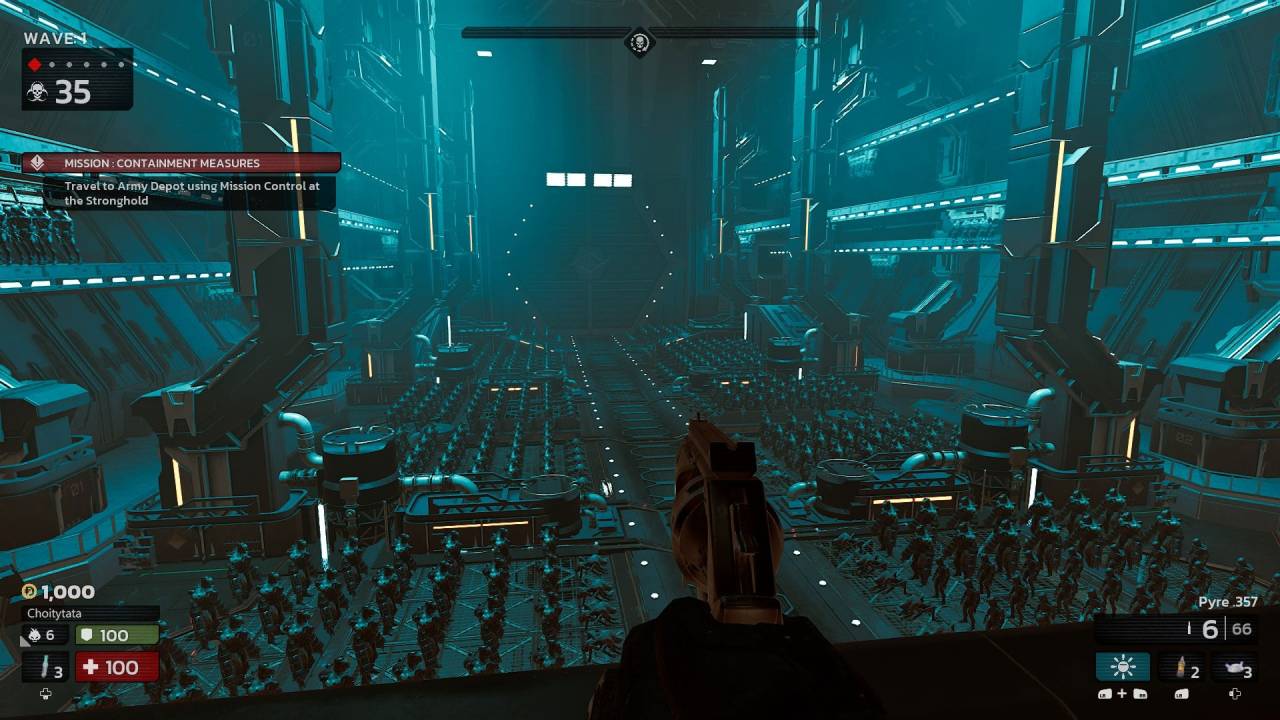
In 2091, Killing Floor 3 takes you to a world overrun by "Zeds," a bioengineered army made by the corrupt Mega-Corporation Horzine. You join the rebel group "Nightfall" in their fight to stop this techno-nightmare from taking over the world. The story isn't perfect, but that's not what the game is about. It does a good job of setting the stage for brutal co-op action.
You're not here for great storytelling; you're here to blow off mutant limbs, and the story does its job in that. This is where Killing Floor 3 shines. The gameplay loop is pretty standard: you can play with up to five other people (or by yourself if you're feeling brave), pick a class, complete tasks, survive waves of enemies that get worse and worse, and make it to the end.
There have been clear improvements to the movement. There are sliding, jump-slide chaining, and fluid animations that make moving around fun. It responds quickly, feels heavy, and is fast enough to keep you on your toes. The mechanics feel solid, whether you're darting across a map or running away from a charging Zed.
In the game, each class is called a "Perk." Each one has its weapons, abilities, and skill trees. There are fan favorites like Commando, Medic, Sharpshooter, and Berserker, as well as new characters that add to the mix. The way each class plays is different enough that it matters who is on your team.
There is also a part of base-building: some maps have goals like defending zones or destroying Horzine's technology. It's easy, but it breaks up the shooting that goes on forever.
There aren't any traditional puzzles here; instead, you use your brain to come up with strategies for battle and ways to make your buildings better. Combat is what makes Killing Floor 3 work, and it does. Every weapon hits hard and feels good. Limbs fly, Zeds trip and fall, and you think the destruction.
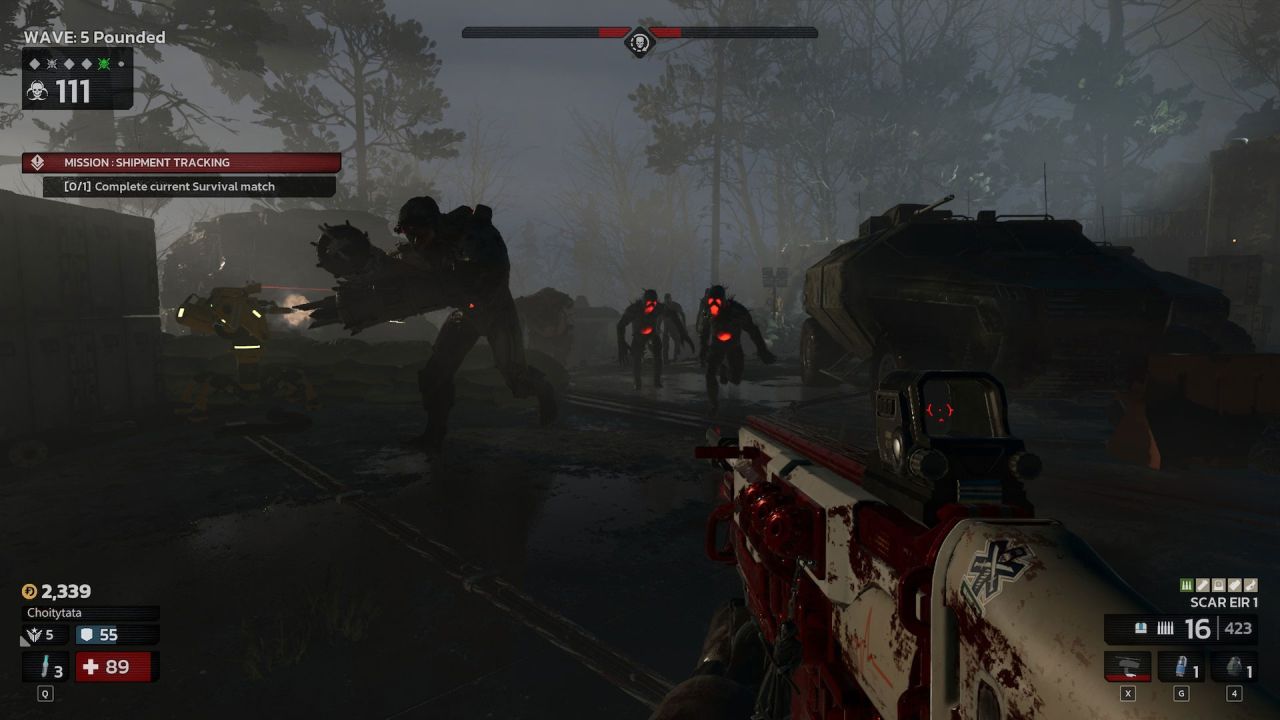
The gunplay is tight, powerful, and surprisingly complex. Headshots matter, recoil varies by weapon, and every bullet makes enemies react strongly. It's not just spray and pray; you need to aim and position yourself well, too.
It's a little disappointing that each class only has a few weapons, usually four to five. But the customization system makes up for it. You can change weapons by adding scopes, under-barrels, and different types of elemental ammo, like fire or freeze rounds. Submerged, when you reach the maximum level for a weapon, a new bonus effect kicks in, making every upgrade feel worth it.
What isn't perfect? Some guns have strange recoil and visibility problems when you aim down sights (ADS), which can make it hard to aim. Scopes help with some of this, but it's still something to think about. But the chaos and destruction often make the small mistakes seem bigger.
In Killing Floor 3, progress is more complex than you might think. You level each class separately, so if you switch from Commando to Medic, you have to start over at level 1. That may sound harsh, but it makes your time spent on it feel more valuable.
Every class has a branching skill tree, and to get skill points and unlock new levels, you'll have to do missions over and over again. Some skills get stronger over time, and some even change how your abilities work in significant ways. Choosing the right combination of class and skills can make a big difference in battle.
Then there is the development of weapons. You pick up scrap from broken security cameras or map items and use it to make your weapon mods better. These upgrades don't just make things look better; they also give you bigger magazines, new kinds of damage, and bonuses to your stats. But they can also have issues, like more recoil or longer reload times, so it's not just about getting more powerful.
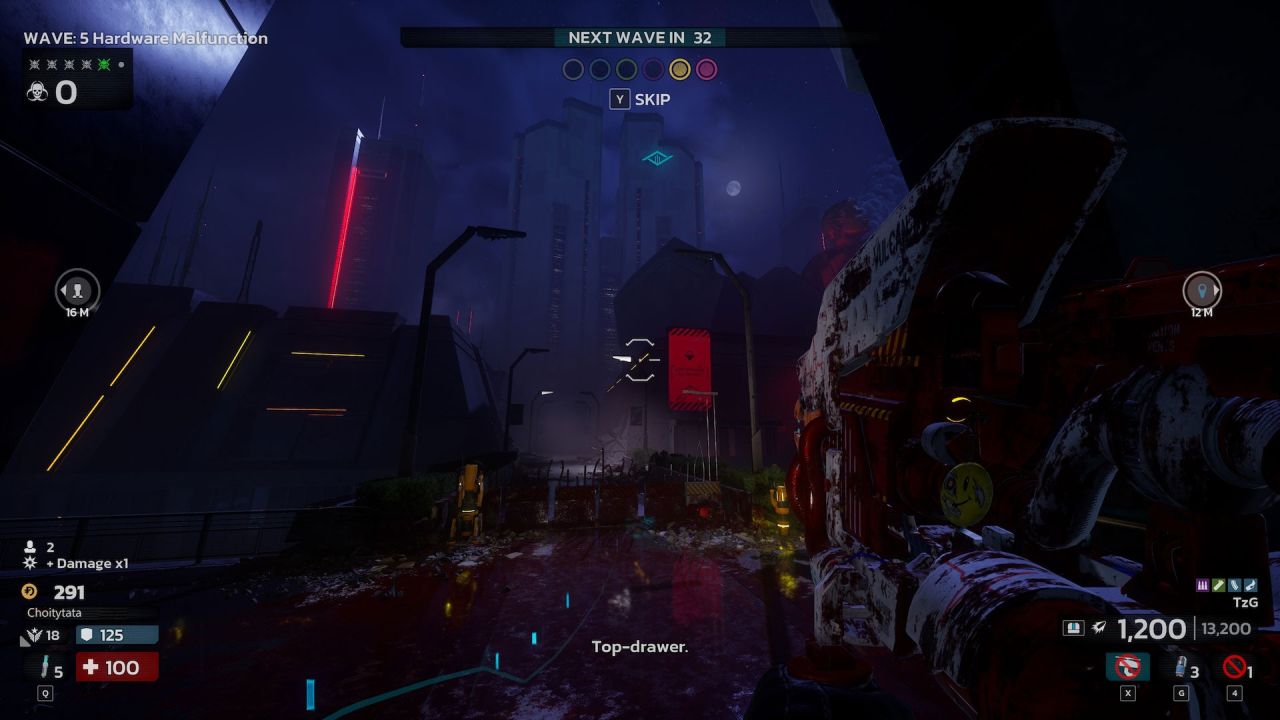
There is a lot of room for building and experimenting. It is a grind, yes, but a good one. Killing Floor 3 does a good job of balancing gritty realism with grotesque horror when it comes to looks. Limbs blow up, guts fly, and Zeds look gross in the best way possible. The lighting, particle effects, and destruction of the environment are all perfect, especially on high settings.
That being said, the performance can be hit or miss. Most players with newer GPUs (30 or 40-series cards) won't have any significant problems, but older rigs may have issues with stuttering and crashing, especially when they open skill menus or use some UI elements. Most of the problems seem to go away after updating drivers and checking game files, but the optimization still needs work.
One strange thing was that switching from low to high graphics settings often didn't change the way the game looked at all, but for some people, the game ran better on higher settings. It's so confusing that it needs a patch right away.
Sound is a big part of the experience, and this game gets it right. Gunfire sounds thick, explosions boom, and Zeds scream and groan with unsettling clarity. Audio feedback during combat is excellent. You can tell when your bullets are hitting their target and when danger is about to strike.
Different types of custom weapons even make their own sounds. The sound fits the chaos perfectly, whether you're throwing incendiary grenades or emptying a drum-mag LMG. The music, which is metallic, industrial, and energetic, makes boss waves and important moments more intense.
Killing Floor 3 doesn't want to change the wheel; it just wants to be the best chaotic, bloody, co-op shooter it can be. And most of the time, it works. The game is fast, exciting, and hard to put down. The class system, skill trees, and weapon mods all have a lot of depth. Shooting Zeds is always fun, especially with friends.
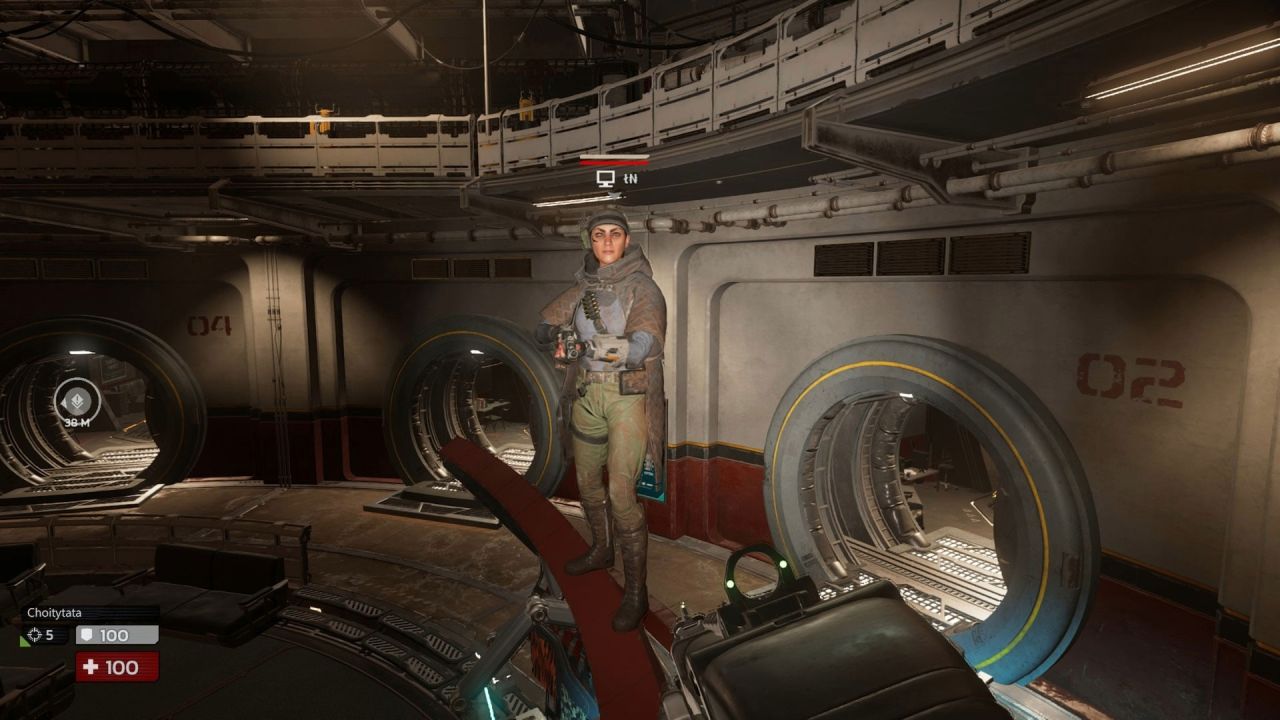
Killing Floor 3 isn't perfect. The optimization needs some work. For a full-priced game, there aren't enough weapons. And yes, even if it's just for looks (for now), having a cash shop in a paid game still leaves a bad taste. Even with these problems, Killing Floor 3 is one of the few modern games that is fun.
It doesn't care about being the next big esports game or following trends. It's only here so you and your friends can blow up mutant freaks in the most violent way possible. This isn't it if you want a deep story, a big movie, or a new design. But if you're going to turn your mind off, load your gun, and kill a lot of ugly monsters, Killing Floor 3 is ready and waiting.
Contributor, NoobFeed
Verdict
Killing Floor 3 doesn't care about being the next big esports game or following trends. It's bloody fun and visceral, but it needs more polish and variety—still a good choice for people who like co-op shooters.
70
Related News
No Data.