
Sword of the Sea Review
PlayStation 5 Pro
Surfing through sands, seas, and myths with Giant Squid's latest adventure.
Reviewed by Maisie Scott on Aug 20, 2025
A few titles immediately spring to mind when considering video games that combine gameplay with art: Journey, Abzû, and The Pathless. All of those games had a creative DNA that switched out big fights or complicated systems for flow, expression, and atmosphere. The person at the heart of that DNA is Matt Nava, who was the art director of Journey and later became the Studio Creative Director of Giant Squid Studio.
Their earlier works, like Abzû, a calm underwater diving adventure, and The Pathless, a rhythm-filled bow-and-arrow journey across vast lands, made it clear how they like to build games: short, highly stylized adventures that focus on fluid movement, visual storytelling, and emotional impact. The third game from the studio is now here: Sword of the Sea. I think it's a natural next step for their ideas, but with a skate-like twist.
.jpg)
Imagine a mix of Journey's deserts, Abzû's underwater world, and Tony Hawk's Pro Skater's momentum-based gameplay. That's the unique gameplay Sword of the Sea fills out. It's short, colorful, and moving. It's the kind of art-driven game that doesn't stay too long but stays in your heart for a long time.
The story at the heart of Sword of the Sea is unclear but powerful. You wake up as an ancient warrior whose job it is to fix up a land that has been flooded and forgotten. You cut your way through deserts, sunken temples, and the bones of mythical beasts with a mythical sword that can also be used as a surfboard.
The story is mostly told through murals, statues, art, and subtle clues in the surroundings. There are times when you'll find shrines, relics, or old writings that hint at a bigger story. There are stories about gods dying, dolphins and sharks protecting holy places, and the water itself being a force that gives and takes away life. It's vague, but it works.
The story is felt more than told, a lot like Journey. It feels like you're a part of a story coming to life when you bring water back to dry land or watch aquatic life return to a once empty place. Sword of the Sea lets you experience companionship time to time as well; these little details make you feel like you are not alone in the game.
You'll meet robed figures from different clans that are ghostly and disappear as quickly as they show up. These parts add wonder and feeling, driving home the themes of loss and unity. Even though it's not very clear, the music and images give it a surprising amount of weight.
The best way to describe Sword of the Sea's gameplay is as "surfing through dreams". You can ride your sword like it's a skateboard or surfboard, cutting through dunes, sliding over water, and even finding speed in half-pipes hidden in old ruins. The controls are smooth, responsive, and very rewarding. It feels natural to jump off ramps, flip through the air, and chain tricks together.
.jpg)
It's nice that player speech is built into the game mechanics. You are not pushed to get points or move up the leaderboards. Instead, people do tricks and spins just for the fun of it. What this means is that you could be riding along hills when you decide to spin around, land in style, and keep going forward. It's like Sword of the Sea wants you to express yourself through your gameplay style.
As you restore life to the world, you move from biome to biome in a pretty straight line. As long as it pushes people to try new things, it stays interesting. There are goods hidden in caves, chests that give out money, and shrines that are hidden behind tricky paths. You won't get in trouble for missing them, though.
You can even skip some items without losing your progress. That choice in design keeps the momentum going, so you don't have to do a lot of boring backtracking. This makes exploration fun instead of a chore. Sword of the Sea doesn't have a lot of standard fighting like The Pathless did, which was mostly bow-based gameplay. Instead, the "puzzle" design is based on movement and speed.
There are locked places that you can only get to after restoring water to an area, activating shrines, or gathering enough relics. You may need to speed up in a half-pipe to get to a higher ledge, or you may need to use water currents to jump into secret rooms.
Sword of the Sea has little to no combat, and it serves that way. Murals and stories make it seem like there are wars between gods and clans, but you don't actually fight in the game very often. Instead, you need to learn how to navigate and control your motion.
The sword is both your weapon and your board. You use it to surf down huge jumps, cross gaps, and grind rails. That move away from fighting might not work for players who want a challenge, but it fits perfectly with Giant Squid's philosophy of putting flow and atmosphere ahead of sudden spikes in difficulty.
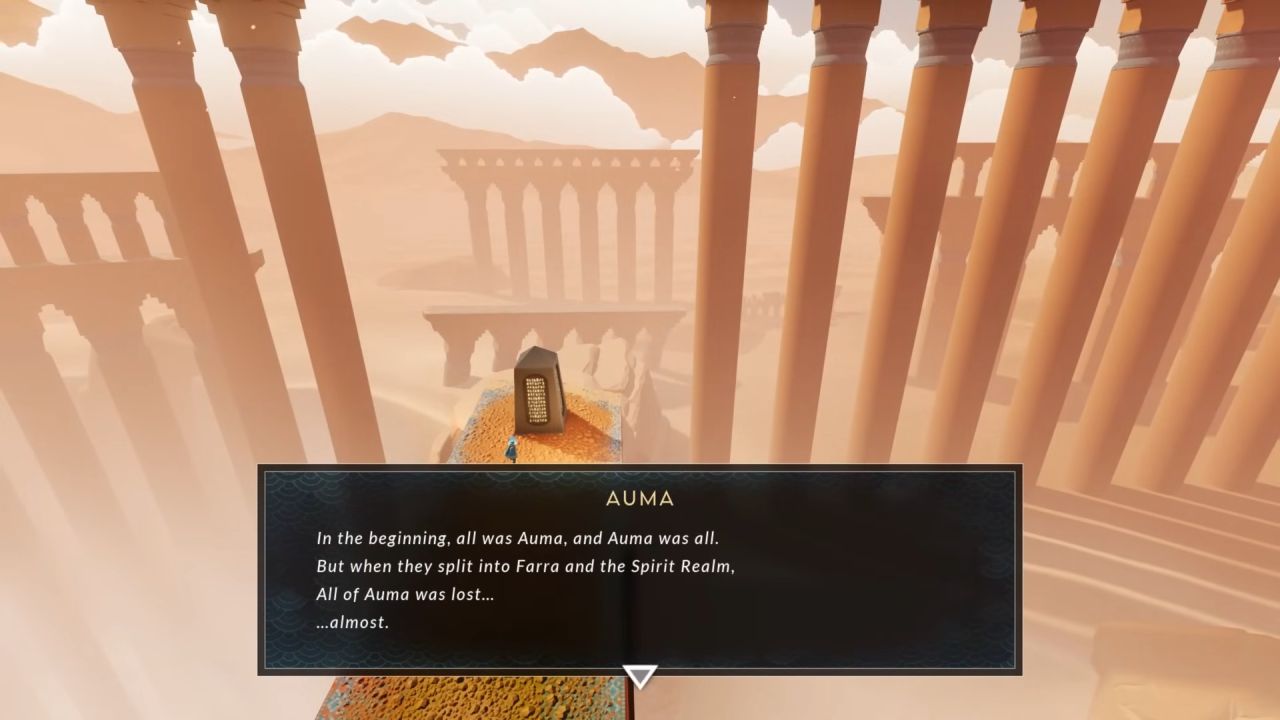
When you are playing Sword of the Sea, you have to be very careful. The lack of direct fighting could have made the game feel empty, but it brings out what Sword of the Sea wants you to focus on: exploring, moving around, and the atmosphere. The traversal problems are easy but fun, like chaining jumps to get to hidden shells or using shrine activations to open massive gates.
They never get too much, and they always fit in with how the game works. The only bad thing about it is that if you want a challenging game, you might find it too easy. When it comes to "danger," there aren't many enemies, so the only things that really matter are timing your jumps or missing chances to show off your style. That being said, it does what it sets out to do and does it well.
In Sword of the Sea, you not only get XP, but also items that help you move forward. For money, you can look for treasure chests and secret relics. You can then use this money to buy new skills like double jumps and new tricks. You don't have to get these upgrades, but they make it easier to move around and more fun to explore.
There's no need for it, and it's more for style than power. In RPGs, grinding is necessary, but here it seems like a bonus for people who are interested. The three-and-a-half-hour length of the game doesn't need heavy tools, which is good because it keeps the pace quick.
Sword of the Sea is beautiful to look at. This is where Giant Squid's art direction really shines. It's like they've hit a new level. Massive dunes move like waves, underwater ruins sparkle with ethereal light, and the bones of whales and sea serpents stand tall as spooky statues.
It feels different in each biome, whether it's the desert's shifting sands, the icy fields with their sharp reflections, or the coral-filled caves. The colors are bright and soothing at the same time, making you feel both amazed and calm. Small things, like the way your sword cuts through sand, leaving behind light lines, add to the sense of flow.
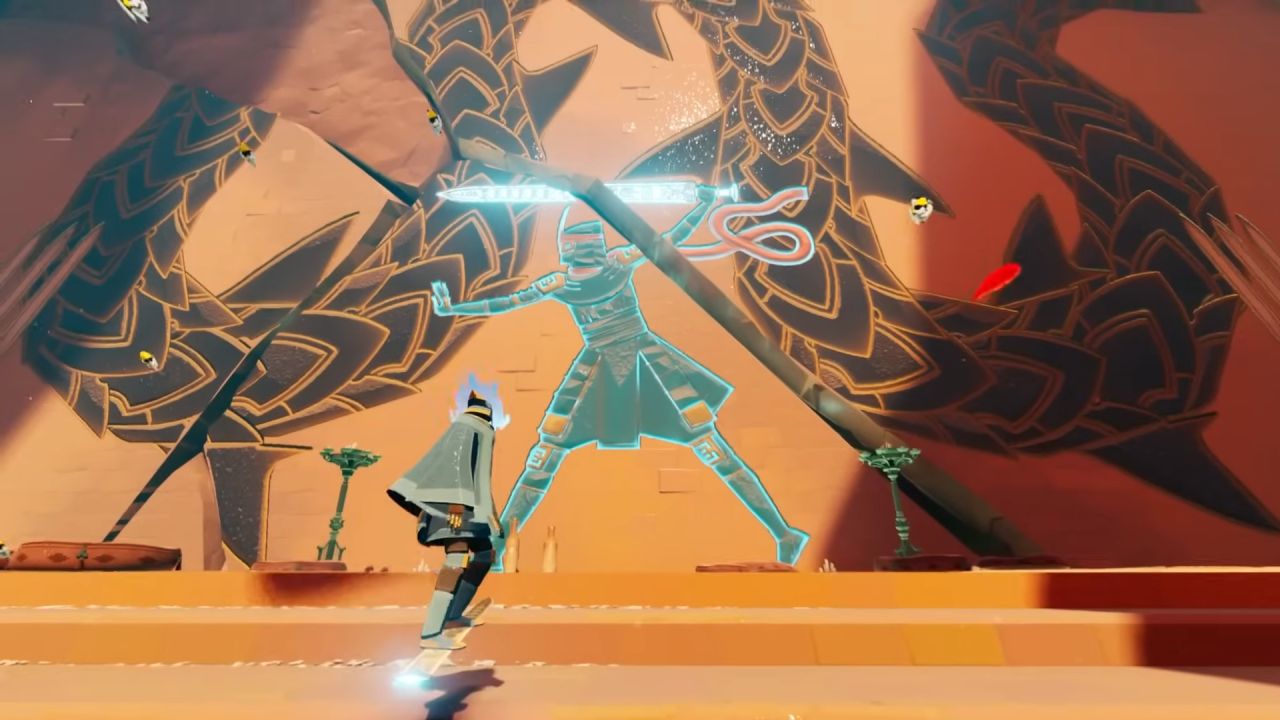
Sword of the Sea is smart about when to go big and when to keep things small. One minute, you're floating across a calm sea with a single dolphin swimming next to you. Next, you're cutting a rail through a huge temple while waterfalls fall nearby. It has the scope of a movie, but the way it's made feels personal.
Of course, Austin Wintory's music is a must-have for any Giant Squid game. This piece of music has an amazing score that combines choirs, full band arrangements, and haunting solo performances. The music doesn't just go with Sword of the Sea; it makes them better.
Moments of healing, like when water floods back into a dry environment, are broken up by rising strings and vocal crescendos. Soft, relaxing tones play in the background while you explore in silence. And when the big downhill runs start, the music gets really intense and moves right along with the speed.
Sound creation that isn't music should also be praised. The sound of water running into caves, the feel of sand under your board, and even the playful squeaks of dolphins make the world a more interesting place. The sound effects in Sword of the Sea make the experience very real.
Games like Sword of the Sea don't try to be all things to all people. It doesn't overload you with hard-to-understand systems, never-ending side tasks, or trying to get the highest score. Instead, it gives you a well-thought-out, emotionally powerful journey with smooth movement, beautiful art, and music that you'll never forget.
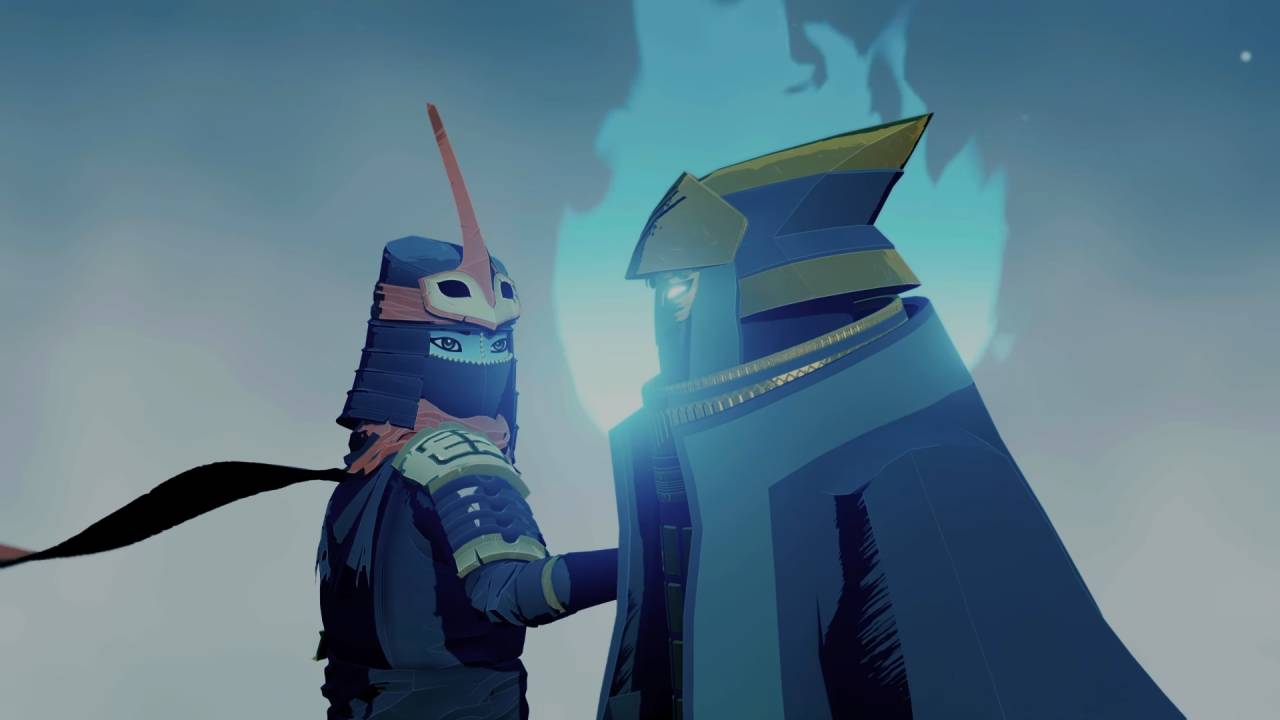
It only lasts about three and a half hours, but it's not meant to be a 100-hour drama. Its strength is that it's short, giving you just enough without staying too long. It all makes sense by the end, when you're grinding huge rails and flying over huge jumps in a scene that feels like a mix between a skate park and a mythological climax.
If you liked Journey, Abzû, or The Pathless, this is a great choice. Sword of the Sea may give you that "aha!" moment when you understand that games don't always need to be hard or have a lot of combat to be memorable.
Editor, NoobFeed
Verdict
Sword of the Sea blends stunning visuals, flowing gameplay, and Austin Wintory's stellar soundtrack into a short but unforgettable ride. It's artful, expressive, and uplifting—a perfect palate cleanser between bigger releases.
90
Related News
No Data.