
Thomas & Friends: Wonders of Sodor Review
PC
A beautifully engineered love letter to railway nostalgia that delivers a surprisingly deep simulation experience, even as a few structural missteps keep it from becoming an all-ages classic.
Reviewed by Maisie Scott on Mar 17, 2026
Dovetail Games has built its name over many years on making realistic railway games. Thomas & Friends: Wonders of Sodor feels immediately real because of this. What could have been a simple licensed cash-in turns out to be a serious simulator, made by a company that understands precisely how to make running trains a ritual, a rhythm, and a quiet discipline.
That's important because Thomas & Friends: Wonders of Sodor isn't just using a well-known kids' name to get more attention. It tries to combine a classic brand with the design language of train simulations. This goal makes the project much more interesting than its soft, family-friendly appearance would suggest at first.
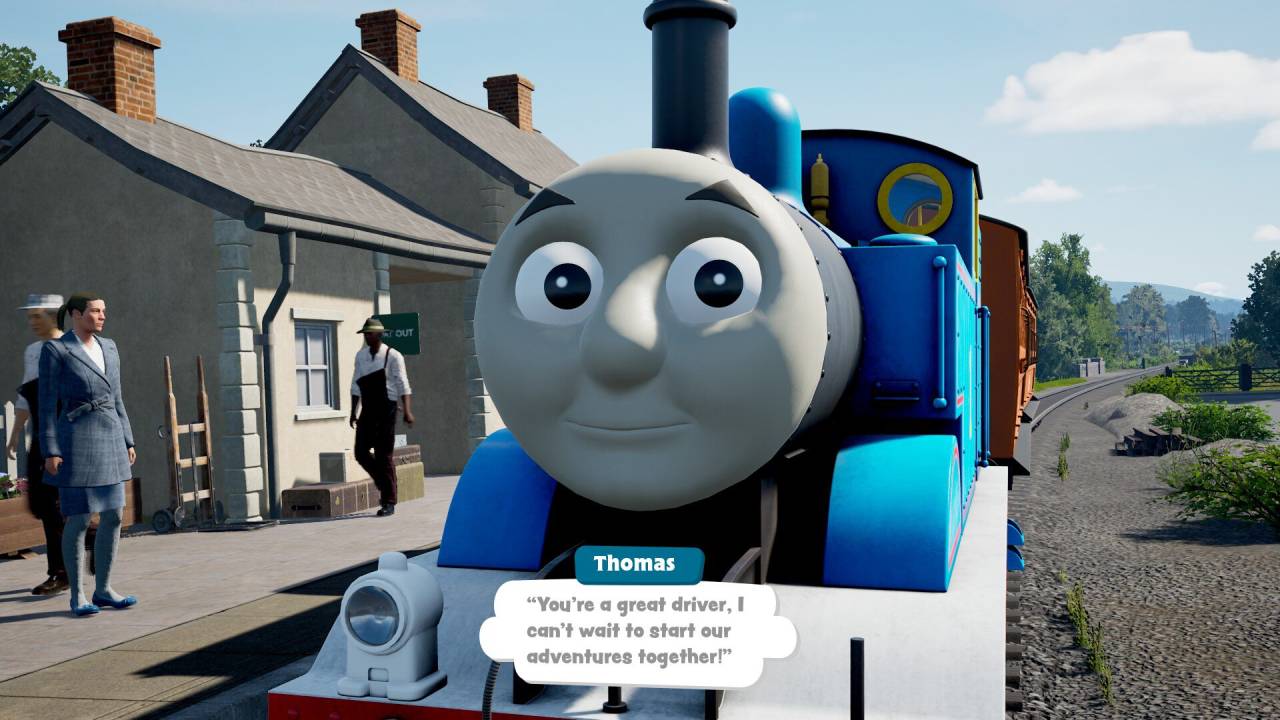
As a result, the game is in an odd place in the market.
The bright engines, well-known island landmarks, and catchy music make it look like a fun adventure for kids, but it's really a systems-driven experience based on controlling the throttle, being aware of your surroundings, using signals, knowing how far you need to brake, managing junctions, and following the rules of service.
What makes Thomas & Friends: Wonders of Sodor so stressful is that difference. While it may look like an easy way to start, this model is often used by people who want to learn how the rails work. That's both a strength and a weakness when it comes to branding, because it makes the game stand out but not so much for the people the box art says it's for.
How the game treats the world of Thomas & Friends also has a real historical impact. Instead of making Sodor just a flat background for nostalgia, the developers made it into a real transportation network featuring landmarks, stations, sidings and routes that fans of both the series and train design will love.
Thomas & Friends: Wonders of Sodor has a strong personality because of this larger sense of care. It doesn't feel like a toy adaptation as much as it does like a big digital model train, a way to play through childhood memories that have been channeled through simulation craft. That fusion is the most convincing thing about the game and it sets the atmosphere for everything else right away.
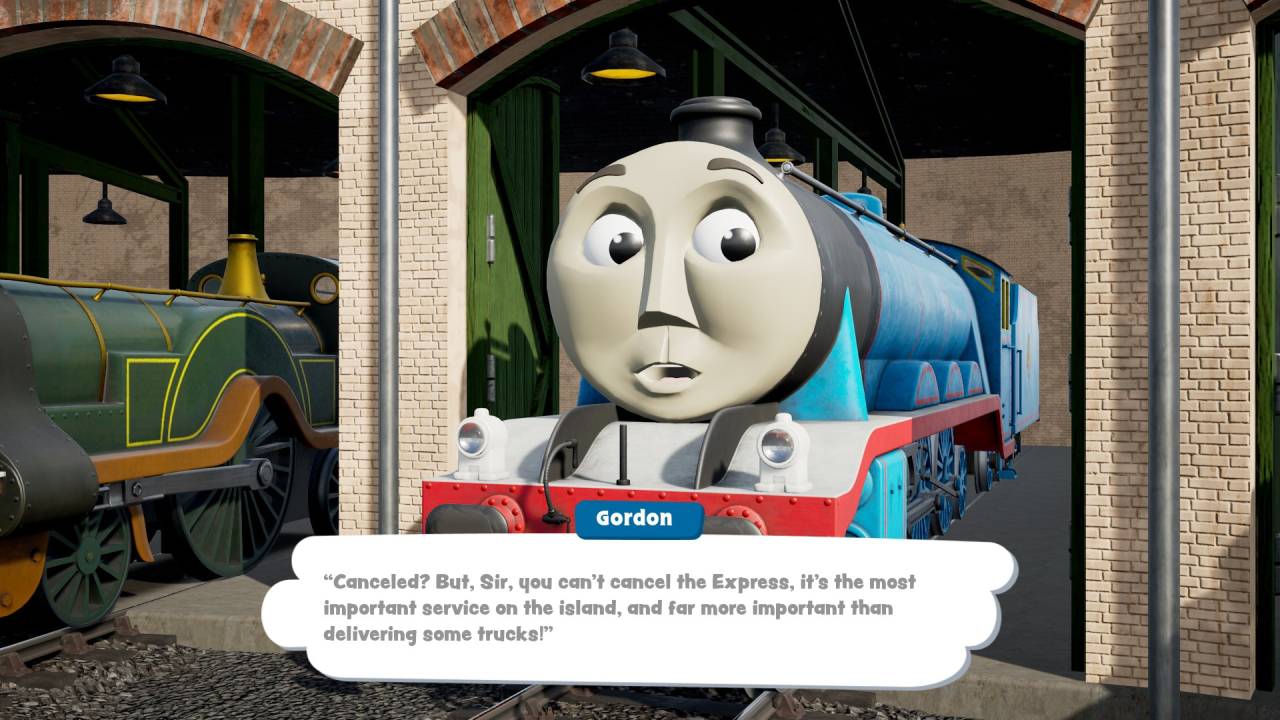
The story isn't the main draw of this game, but it still tries to make you feel something by recreating great stories and giving you character-led missions. These scenes are put together with a clear love for the Thomas tradition in mind, using well-known engines, situations, and narration that aim to bring to mind the rhythm of the TV show. In general, this is a good addition.
It gives the package a dramatic spine, helps newcomers find their way around the world, and gives longtime fans a concentrated burst of fond memories, which changes the game from a pure simulation to a branded story. Thomas & Friends: Wonders of Sodor knows that memory is an important part of the product and isn't afraid to use that to its advantage.
On the other hand, some of the game's worst flaws become hard to ignore in the story mode.
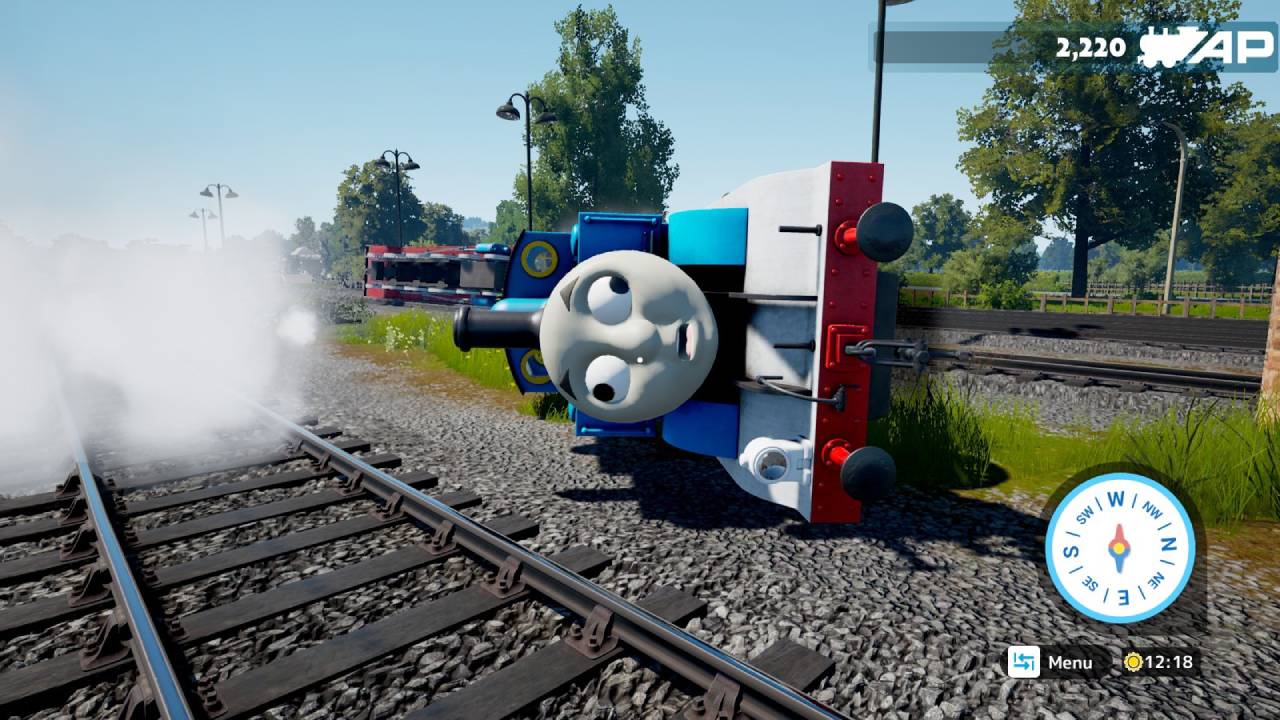
Long mission times, no checkpoints, cutscenes that can't be skipped, and rare bugs all make failing too hard to handle. In a simulator, a difficult service can feel rewarding when mistakes form part of a good learning loop. But that balance is upset when a 30-minute task has to be played over from the beginning because of a late derailment, a wrongly read stop point, or a technical problem.
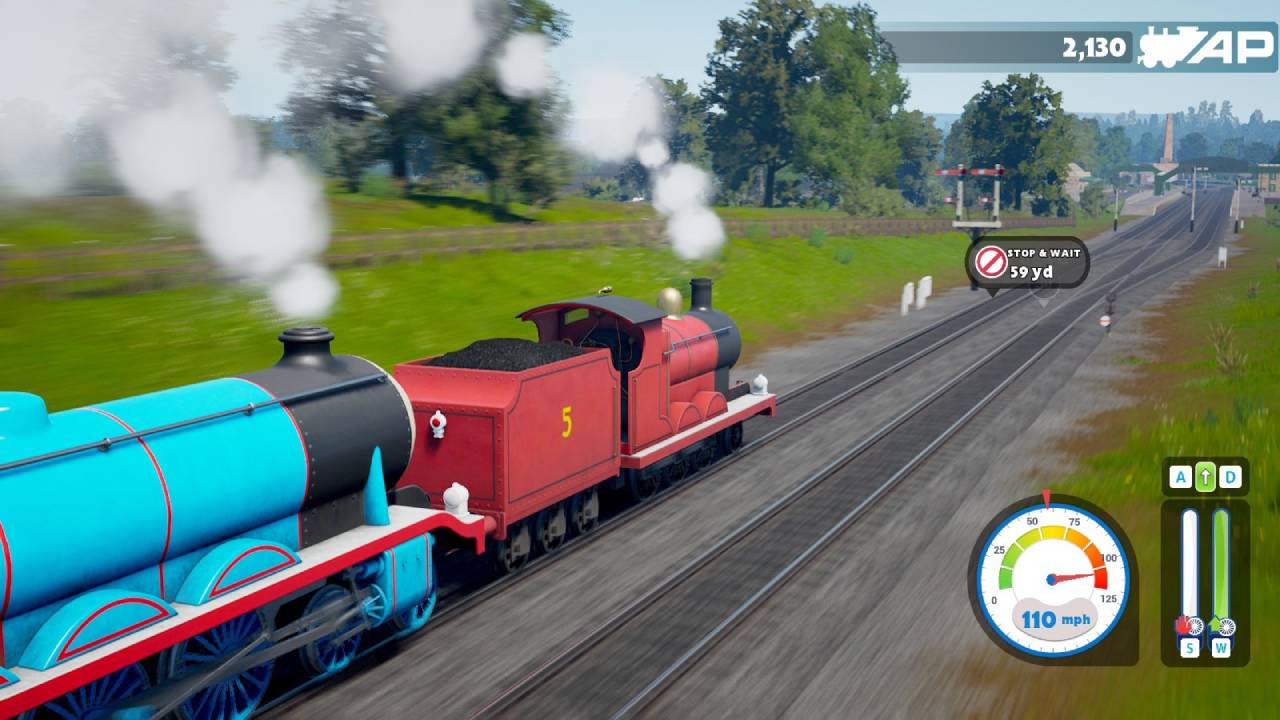
That's when Thomas & Friends: Wonders of Sodor stops feeling kindly strict and starts feeling needlessly rigid. The charm is still there, but the end-user experience is less graceful. There's still something fun about bringing old accounts to life through play instead of just watching them. Getting water, connecting cars, going through stops, and reliving familiar events all add to the fantasy of stepping right into Sodor's working world.
The story part of Thomas & Friends: Wonders of Sodor works best there. It doesn't depend on complicated conversation or dramatic turns. Instead, it's valuable because it lets you become involved in the details of stories that appeared easy on screen. The emotional payoff comes from being able to relate to and recognize characters, not from having a complicated plot. When those times happen, they are quietly wonderful.
The main point of the game is to drive trains across the Isle of Sodor while taking care of real-world operating issues. You choose an avatar, join the world from a first-person view, and move between stations, depots, and engines. Then they take charge of services like transporting passengers, shunting, refueling, collecting water, and sticking to the schedule.
This is where Thomas & Friends: Wonders of Sodor shows what kind of game it is. This isn't just a tour to look pretty. It's a structured railroad experience that asks you to pay more attention to danger, follow the rules, and respect momentum than an average viewer might think.
The game is easy to get into because it has simple controls, but it still needs your full attention. Setting the reverser and managing the regulator are important. Signals must be followed, and stopping places should be treated with a sense of timing instead of confidence.
Heavy trains need more space to stop, and changes in the weather can make them harder to control.
Also, mistakes at junctions can end a run quickly. This practical friction is a big part of what makes the game fun. The success of Thomas & Friends: Wonders of Sodor comes from making what look like easy train rides into tests of focus, planning, and trust in the steps needed to complete a task. Even though it's quiet in the country, the techniques are very strict.
Timetables and Free Play are the two main parts of the package. Together, they make a strong base for long-term involvement. Timetables set up organized services at different times of the day, which encourages you to come back and gives them a clear idea of how they are progressing based on their performance.
In Free Play, on the other hand, the playground is opened and you can spawn trains, set routes, roam the map, and just enjoy moving at your own pace through Sodor. Thomas & Friends: Wonders of Sodor has a great range of things to do thanks to its dual structure. Depending on your mood, it can be used to reach a goal or just for fun, which makes it much more valuable.
The environmental connection it creates is what makes the overall gameplay loop better. The game asks you to get to know the island, remember where switches are, spot landmarks, get used to gradients, and finally move more confidently through routes that were once scary.
One of the best things about simulation creation is seeing people go from being confused to being sure of themselves. The more time you spend with Thomas & Friends: Wonders of Sodor, the more the game's train network feels clear, familiar, and even like it's your own. It's rare for branded games to make you feel like you own that much space, so this one really deserves praise.
In the traditional sense, there is no combat here. However, there is a challenge, and it comes from fixing operational problems. Time, weight, speed, and route control are all puzzle pieces that make up every service. You are always giving answers to real-life problems.
Does the train have enough speed for the next grade? Is the marker for the stop coming up too quickly for the present consist? Is the button in the right place? Is it safe to use? That's what the game does instead of action shows, and it works because the stress is based on results instead of noise. Thomas & Friends: Wonders of Sodor turns everyday tasks into dramatic events.
This problem gets harder as the world changes.
Rain, snow, wind, and the changing of the seasons are more than just screens for the eyes. They change how a voyage feels and ask the person to change habits that might have worked great in the summer sun. If you master a route in one set of conditions, it might become dangerous in another. This makes the game fun to play again and again and keeps the learning curve from becoming too flat too fast.
That is a big plus in terms of style. Thomas & Friends: Wonders of Sodor knows that the best simulation games make up new stories by changing factors as well as events that have already been written. The secret collectible system adds another level of puzzle-like fun, but it doesn't work as well all the time.
You are encouraged to get out of the cab and check out stops, yards, and scenic parts of the map by looking for hats, whistles, paintings, and books. This makes Sodor feel like a place that can be explored on foot as well as by rail. But traversal logic isn't always constant. For example, invisible walls, awkward climb permissions, and badly marked accessible areas can make some hunts more like a game of trial and error than a fun exploration. It's nice to have as an extra feature, but the driving systems themselves are more efficient and clearer.
The best thing about the game's challenge model is that it gives real benefits for paying attention. Success rarely happens by chance. Every service that you learn about signal awareness, how junctions work, stopping distances, and how to adapt to weather makes them feel better.
Thomas & Friends: Wonders of Sodor is all about that learning curve. It turns mistakes into lessons learned and gives people who do regular passenger runs a rewarding sense of having earned their skills. When everything is working right, control feels real instead of artificially limited, which gives the game a long-lasting, quietly addicting pull.
The idea itself isn't bad; the problem is with how punishments are given. Story mode in particular can use repetition in a way that takes away from the fun of learning, especially if you can't skip long cutscenes or if the way the missions are set up makes them more difficult than expected without enough notice.
When the build is better, those events might feel like memorable turns of events.
They can feel like time theft the way things are now. To be fair, Thomas & Friends: Wonders of Sodor does ask for patience a lot of the time. But sometimes it asks for too much patience and not enough forgiveness. That difference is important, especially for a game that says it's good for the whole family.
XP grinding in the usual sense is not built into the game, which is one of its best decisions. Instead of stat trees or complicated leveling systems, you move forward by learning new skills, getting used to routes, completing a lot of tasks, and building your confidence. That makes it seem like the development is more natural.
You won't get a bigger number in return for your time, but you will get better control of the network, smoother operation, and cleaner stops. In a way, Thomas & Friends: Wonders of Sodor turns knowledge into currency for progress, which works perfectly for a simulation game and looks a lot better than adding fake RPG features would have.
That way of doing things has a big effect on long-term involvement. The game depends on how much you like the process of getting better at the work itself. There is no easy way to get upgrades. That's a big plus for train fans and players who like games with ritualized features. It might feel too stifling for people who want fast spectacle or quick unlock-driven gratification.
Because of this, Thomas & Friends: Wonders of Sodor is likely to make some people really love it while leaving other people cold. Its growth is based on skill, practice, and establishing trust slowly, not on system designs that are high in dopamine. The game has one of the best-looking digital versions of Sodor we've seen so far.
The island is bright, friendly, and well-composed. It has stations, bridges, farms, sheds, tunnels, coastlines, and rural features that make it feel like it was carefully put together instead of quickly put together. The architecture and route layout give you a strong sense of place, and many spots have the kind of recognition that fans want from this kind of adaptation.
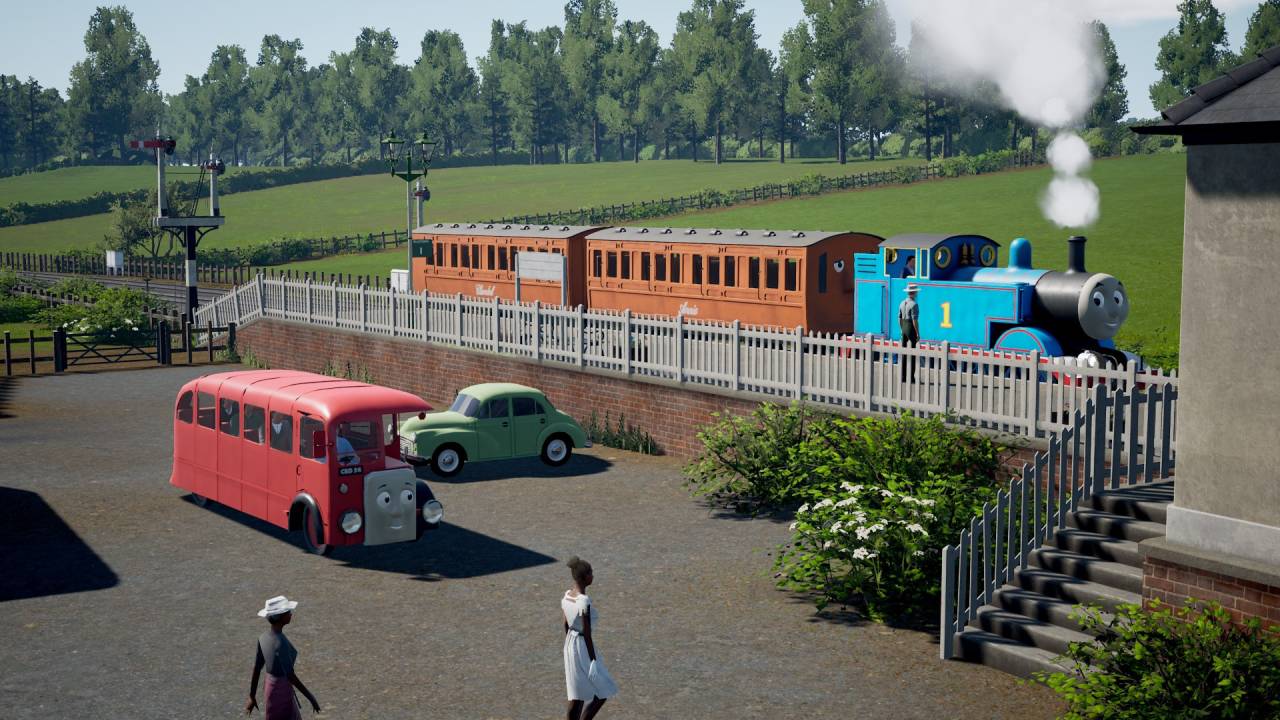
This care with the graphics is a huge plus for Thomas & Friends: Wonders of Sodor because it makes even normal trips feel like going through a treasured small world that has been brought to life. In the same way, the engines are very powerful. Their colors stand out, their shapes are easy to read right away, and their expressive faces keep the brand's character without weakening the simulation framework around them.
Different camera choices help bring out different moods, depending on whether you want a more detailed view of how the game works or a more cinematic view of trains moving through the landscape. The photo mode makes this even better because the game knows how beautiful its own scenery can be. Thomas & Friends: Wonders of Sodor doesn't always look like an approved side project. Instead, it looks more like a collection of nostalgic railroad art that was made with business sense.
Still, polish problems do leave marks on the image that can be seen.
Clipping, strange lighting, texture or geometry quirks, crowded passenger animation, and interface overlaps can all make the picture look busier or rougher than it should. All of these problems don't take away from the beauty of the art direction, but they do hurt the game's attempt to look high-end. This is especially true because Thomas & Friends: Wonders of Sodor is a game that makes you take your time to enjoy it. Technical flaws stand out more when a game asks you to stay longer, not less.
One of the best things about the game is its sound. Thomas's well-known sound is used with confidence, and the larger soundscape supports both reminiscence and modeling with great balance. The atmosphere of a train is convincingly created by engine noises, whistles, background noise, and service cues.
Recognizable themes and vocal work strengthen the emotional connection to the source material. It's not easy to find that balance. It sounds nice and friendly without feeling too childish, and it sounds technical without seeming too clean. The story that is told adds another level of value, especially for long-time fans who want the game to feel like it fits with the series' tone instead of just having images from it.
Hearing those familiar tones while running trains gives the whole thing a stronger sense of who it is. Small details, like engines whistling at each other, make the world feel alive even when you're not in story mode. These parts are important because they support the idea that Thomas & Friends: Wonders of Sodor is more than merely a simulator with a famous skin on it. It's also a world based on characters, with its own soft sound and music language.
There are, however, a few mistakes in the sound design that keep it from feeling perfect. Some reports of music not starting right and some issues with the interface can make the intended flow less smooth, especially in a game where sound does a lot of the emotional heavy lifting. Still, these problems don't seem as important as the overall strength of the package.
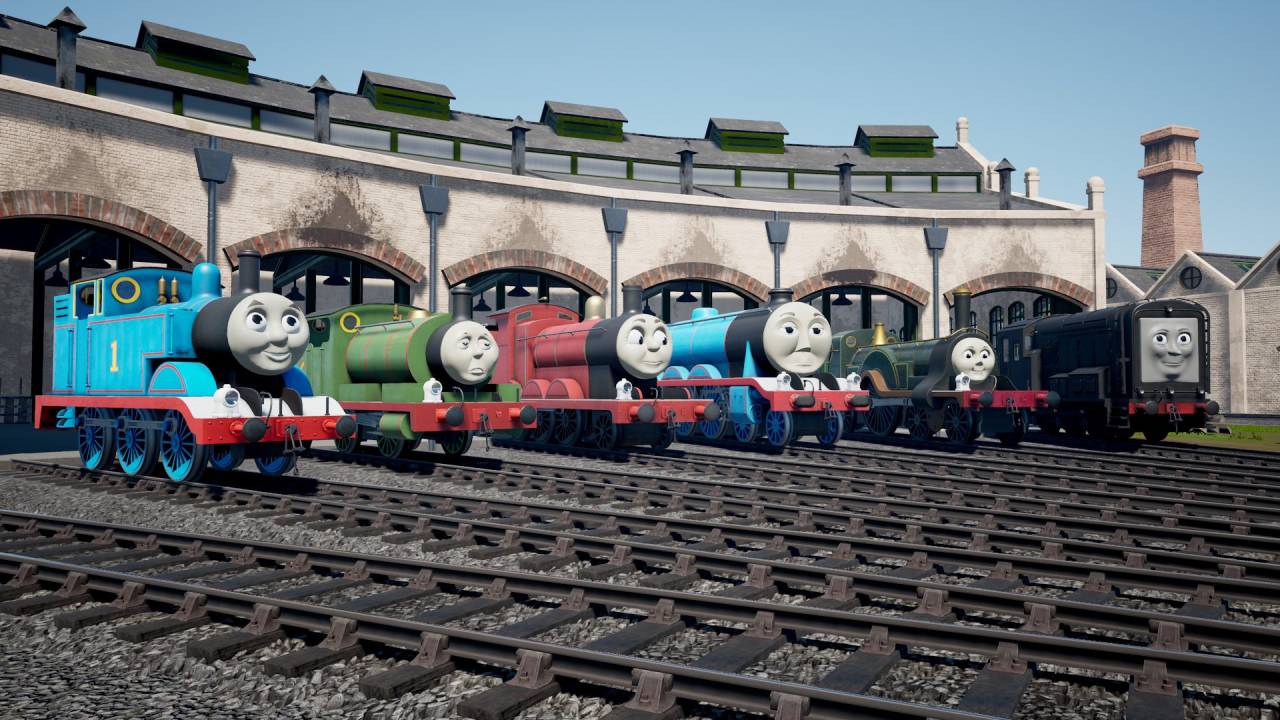
When it works well, Thomas & Friends: Wonders of Sodor sounds just like it should: comforting, lively and quietly transporting. It has just the right amount of mechanical bite to sell the simulation dream. This game is distinctive not only because it exists, but also because it gets something that many licensed versions get wrong.
Always keep things simple when you want to show respect for the crowd. Sometimes it means making the fantasy fuller and more interesting and expecting you to live up to it. Thomas & Friends: Wonders of Sodor tries to do just that. It turns the imagined fun of driving Thomas and his friends into a real train experience, complete with rules for operation, knowledge of routes, and the satisfaction of steadily getting better. That creative belief gives the game real value, not just being new.
The flaws are too obvious to hide, so it's not perfect. Story mode can be harsh, tutorials and messages aren't always clear, collecting items can get annoying, and the game's rough edges tell you that it needed more work before it came out.
These problems are important because they affect the people the brand seems to be trying to reach the most. In spite of these problems, Thomas & Friends: Wonders of Sodor is still an incredibly interesting game. It has something unique and surprisingly substantial to offer railfans, Thomas fans, nostalgic adults, and parents who are happy to take the keys while their kids watch with joy.
This is the clearest conclusion. Thomas & Friends: Wonders of Sodor isn't simply a bunch of toys that look like games. It is a real simulator that is softened by charm and memories, and sometimes hampered by how badly it was put together. With the right help, it can become a very relaxed and fun place to play games.
If you don't know what to expect, it might feel too strict, too detailed, or too narrow. But Thomas & Friends: Wonders of Sodor definitely has heart, skill, and a real sense of purpose, which is what makes it one of the most interesting licensed releases in recent memory.
Editor, NoobFeed
Verdict
A lovingly built railway simulator wrapped in childhood nostalgia, Thomas & Friends: Wonders of Sodor delivers depth, beauty, and remarkable staying power, even if rough story design and launch issues keep it from full first-class status.
66
Related News
No Data.