
Docked Review
PC
A slow, methodical simulator about the work behind the cargo.
Reviewed by Nusrat Choity on Mar 09, 2026
Saber Interactive has become known over the past few years for making simulation games with heavy machinery and tough settings. Playing games like SnowRunner and RoadCraft lets you deal with mud, construction tools, and big vehicles while figuring out how to get things done in rough places. Docked uses the same design concept but focuses much more on one thing.
Instead of having to deal with big maps with lots of different terrains and car types, Docked puts you in a single port where you can work. Cranes, cargo containers, and the careful routines needed to keep a shipping dock running smoothly are at the center of everything. It looks easy on paper. Move containers, sort cargo, and slowly rebuild a port destroyed by war. In real life, dock work is very slow and careful, and the game reflects that.
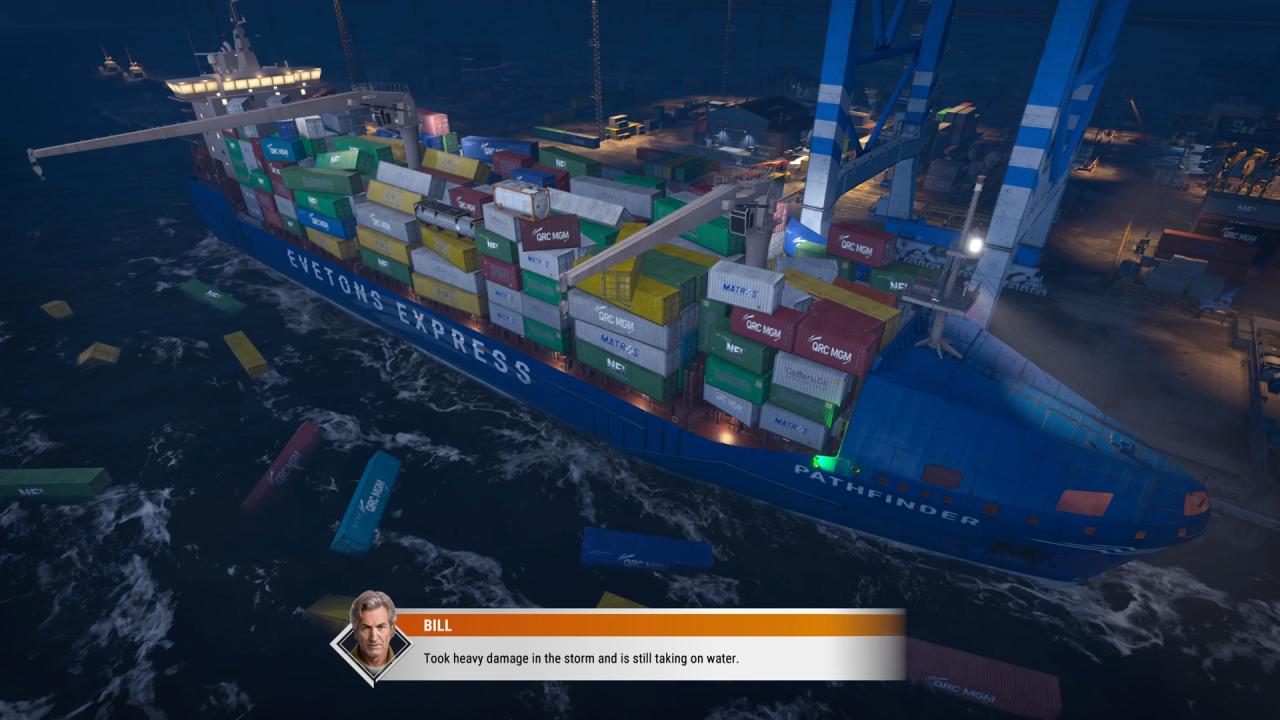
Docked isn't trying to make working in a factory into an exciting game. It's more interested in getting back to the rhythm and patience that come with working with heavy machines. That choice affects almost every part of the game, from how fast it moves to how it is put together. In the end, what you expect from a game like this will determine whether that method feels satisfying or tiring.
Most of the time, the story in Docked is just there to set the scene for the work that is being done. The story takes place in Port Wake, a dockyard that was just hit by a storm that caused significant damage. Shipping has stopped because containers are scattered and the infrastructure is broken.
You take on the role of someone returning to the port to help the family business get back on its feet. The dock used to be very useful, but after the storm, it's hardly up to par. The goal is to rebuild the business piece by piece while getting shipments moving again.
The story doesn't try to be the center of attention very often. It just stays in the background, though, so the work itself stays the main focus. Jobs show up, contracts come in, and small goals help the port get back on its feet. People talk about the characters from time to time, but they never become the main focus.
While the story is interesting, it's not really dramatic.
The constant flow of cargo jobs and upgrades has a reason, but it never gets in the way of running the dockyard. Docked is about the daily jobs that need to be done to keep a port running. Getting a deal to move goods from one place to another is the first thing that most jobs require. Usually, that means removing containers from ships, moving them across the dockyard, and placing them in storage areas or transport vehicles designated for that purpose.
The goal sounds simple, but the machinery required makes it more difficult. There are many types of industrial vehicles in the port, each one built to do a specific job. Some cranes are in charge of getting packages off of ships. Others set up large storage places with stacks of cargo. Transport vehicles, such as trucks, move crates between loading zones.
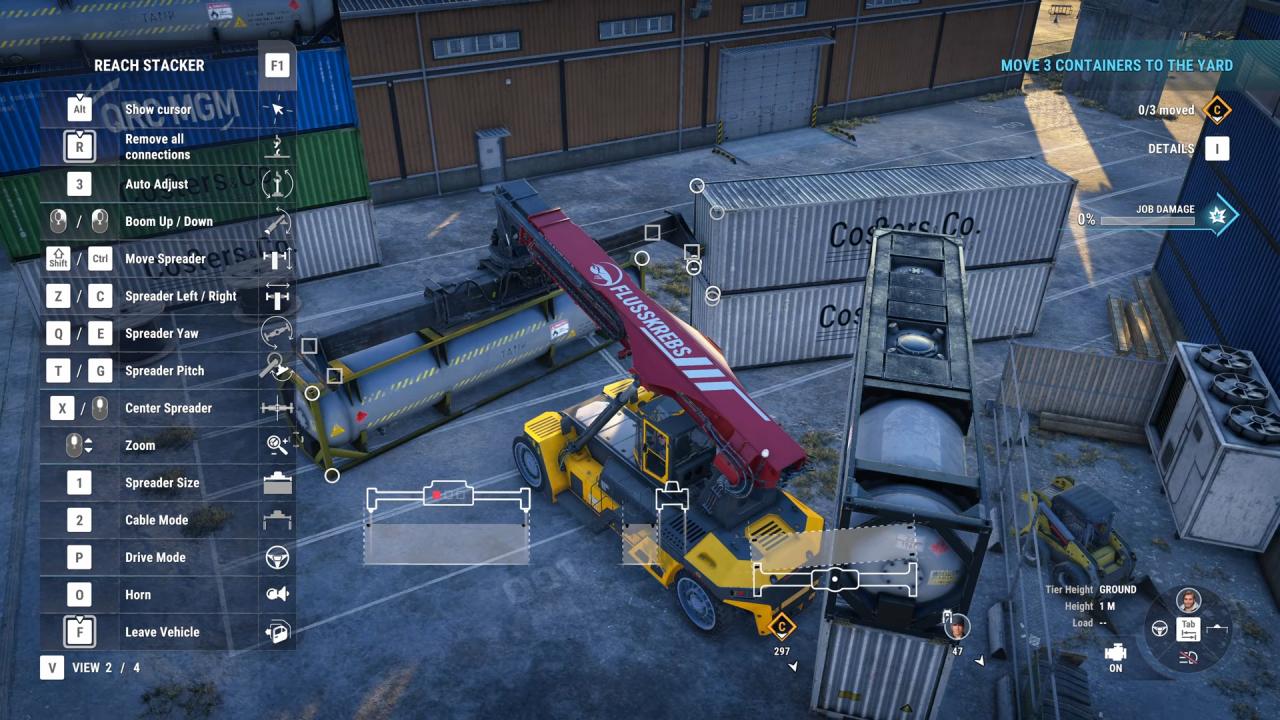
You have to learn how these tools move and how their controls work together before you can use them. Cranes raise, move, and lower hooks that need to be carefully lined up with the corners of each container. Vehicles move slowly and need to be carefully placed. Nothing about this is made to be fast.
The game teaches you to be patient and accurate above all else.
One thing that stands out is the care put into making these tools work. Controls often have multiple inputs that work together, just as real tools do. When you get used to those systems, things that seemed hard at first start to go more easily. One of the best things about the game is how satisfying it is to slowly master the machines.
Instead of standard puzzles, Docked's moment-to-moment challenge comes from where you stand and how you control your ship. It may seem easy to lift packages until their weight and movement start to affect the crane.
When you pull a container up into the air, it doesn't stay still. It swings a little when the crane moves, and if you're not careful, you can make the swinging worse. Because of this, positioning and timing have to be adjusted constantly. If the container starts to move, it can be hard to get it back where it needs to be.
The level of difficulty changes how hard this process is. When you play in normal mode, it's easier to fix mistakes, and the game feels more forgiving. In "Hard" mode, the simulation is taken even further by increasing the containers' swing and making it more important to be precise when connecting the crane hooks.
This makes simple tasks into tests of patience and control. Every lift becomes a little test of your precision. Things can go wrong if you move too fast, and they can take a while to fix. Moving slowly makes the process go more smoothly.
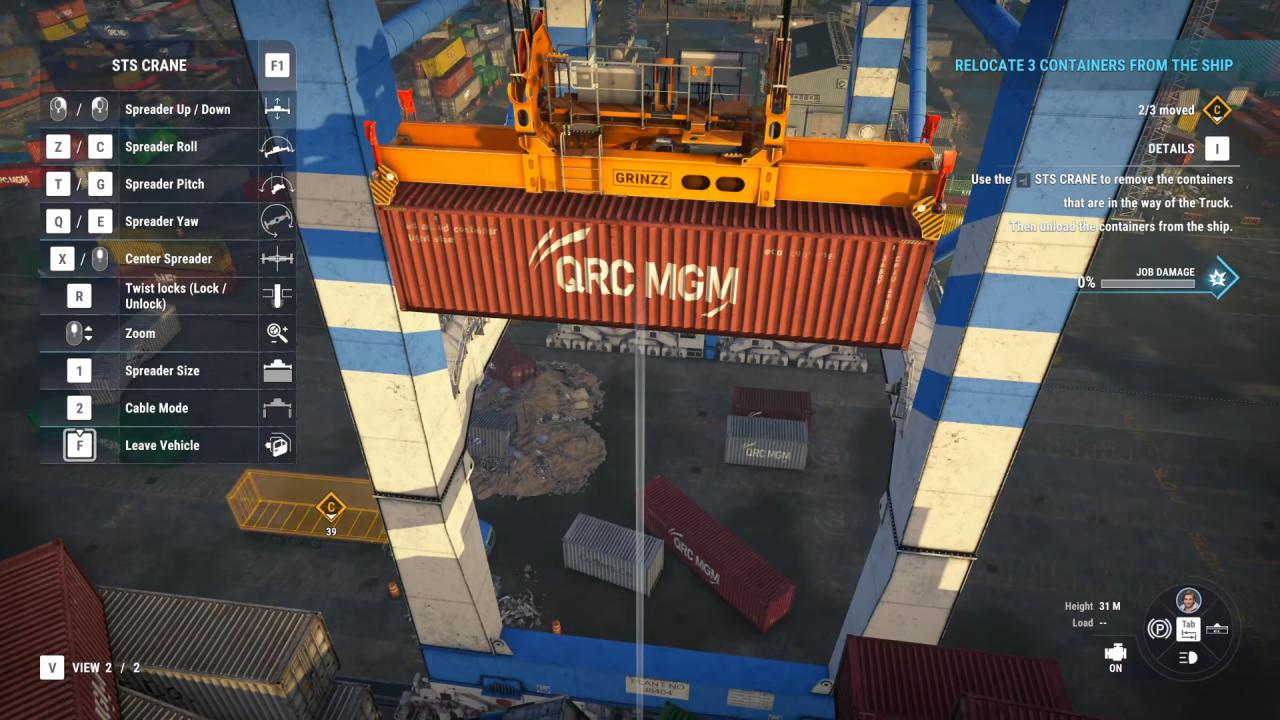
Some people don't like Docked because many of the tasks feel too small. For most jobs, moving just a few cases is all that's needed, which can be disappointing for players hoping for big-lifting jobs. The design is more interested in how to operate tools than in recreating a whole work shift.
The game's loop stays focused on the careful process rather than just noise.
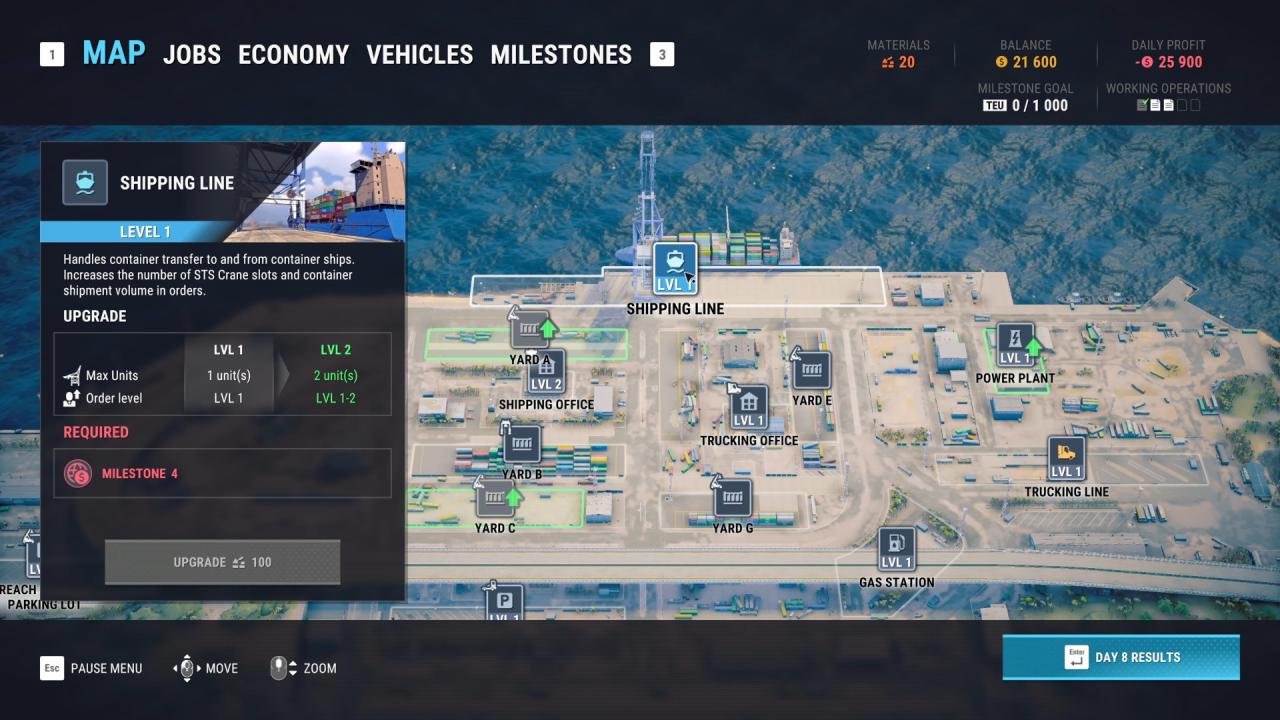
Jobs that are finished around the port bring in money and materials that can be put back into the dockyard. Over time, the damaged buildings start to get better. There are new cars to choose from, buildings that can be improved, and more contracts starting to show up.
Milestones are like gates that lead to bigger improvements. Some improvements can't be made until certain progress markers are reached. This pushes people to keep working on the port before it grows too quickly. The structure makes sure that the dockyard doesn't change all at once but instead grows slowly.
Along with the work with the machines, there is also some light managing. Deals for shipping containers bring in money based on how many are moved safely. You can give each vehicle a specific job, which makes it easy to make choices about how to best use your resources.
These systems connect how the game is played to how it will grow in the long run. More chances come up as the port gets better at what it does. Still, the mechanics of management are pretty simple, and they don't get in the way of the main goal, which is running machines.
Over time, repetition is obvious, especially when going back to old jobs to make extra money. Still, the fact that both the port and your skill with the tools get better over time makes the progression feel like it has meaning.
In Docked, the visual presentation is more about function than showmanship. Realistic-looking cranes, trucks, and crates are used to model the machinery, making it feel like it's really there. The industrial feel of the game is strengthened by seeing these huge tools move slowly across the dockyard.
The setting isn't as interesting. Even though Port Wake is supposed to be a busy port, it is often eerily quiet there. A lot of the dockyard looks like it's empty, and there isn't much going on in the background to show that the port is busy.
Sometimes the lighting and water effects stand out, like when the sun shines across the harbor or off metal objects. Still, the setting as a whole isn't very interesting. The game never leaves the port area, so the scenery doesn't change very often.
After a while of playing, this can make the settings feel tiring.
They do their job without drawing too much attention to themselves. They help with the modeling without standing out too much. Docked's sound design works best when it's all about machines. The heavy, industrial sound of cranes and vehicles' mechanical noises fits the size of the equipment being used.
Movements of hydraulics, motor hums, and metal clanks all add to the feeling of being in charge of big machines. When a crane properly locks onto a container, it makes a sound that is small but satisfying. That heavy steel click lets you know right away that the alignment was right after you carefully placed the hook.
Aside from these mechanical sounds, the music is less interesting. Music in the background usually doesn't stand out much. Some radio tracks play while I work, but they never really stand out. Voice acting is mostly used to give directions or story background, but it doesn't really add much personality to the experience. Even now, the tools are still the real stars of the sound design.
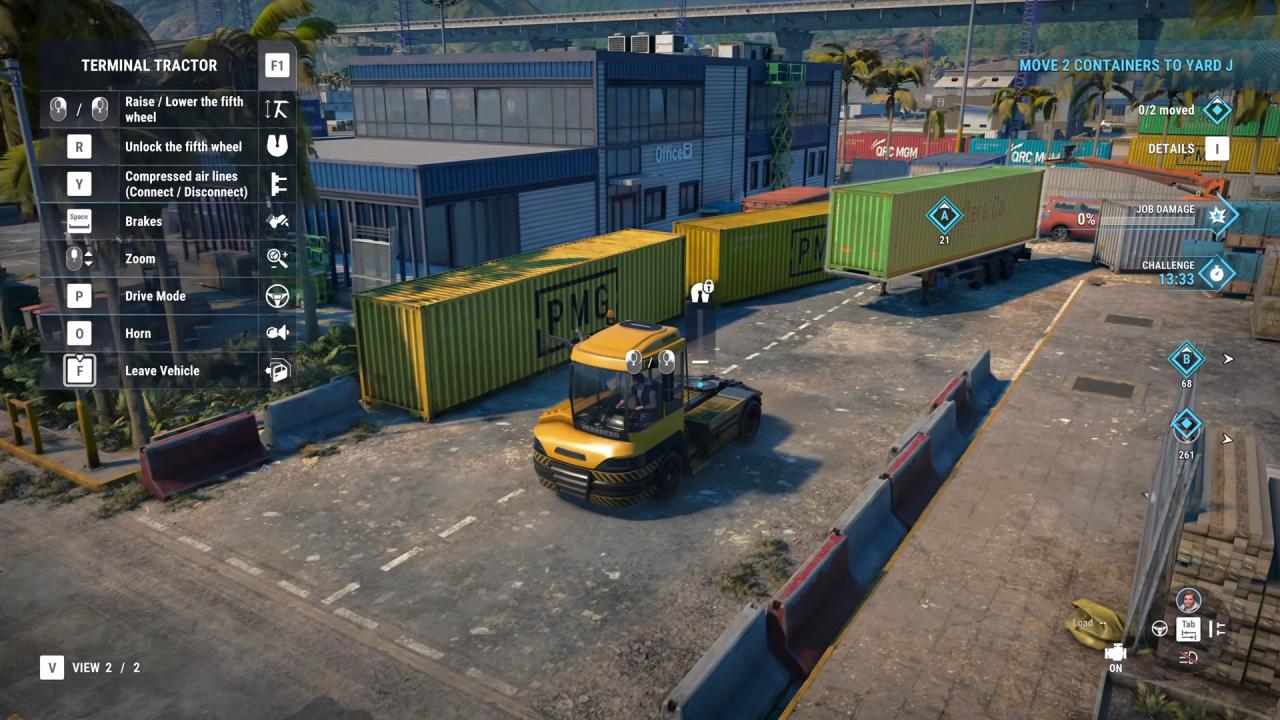
One type of strategy game that really knows what it wants to be is Docked. Almost the whole thing is about how to use port equipment and move goods carefully. The story doesn't have any big set pieces or sudden bursts of action to break things up. Instead, the game is very much based on the slow pace of factory work.
Learning how each machine works and getting better at using it over time is what gives you the prize. People who have been doing jobs for a while start to feel comfortable in them. Because of this, Docked also feels a little limited. The jobs are usually the same, the setting doesn't change much, and the story doesn't add much excitement.
If you like detailed simulations, these restrictions might not bother you too much. When you learn the equipment, you can feel good about it for a long time. For some, the same mechanics may get old before the port even hits its full potential.
Docked does a good job of showing how a dockyard really works, but it's clear that it's only for a certain group of people. Heavy gear and industrial logistics fans may find it surprisingly interesting. People who want something faster or more varied might find it hard to stay interested.
Contributor, NoobFeed
Verdict
Docked is a detailed port simulator that moves slowly but rewards accuracy and patience. Docked does a good job of simulating heavy machinery, but it's repetitive and offers little variety, so it's best for heavy machinery simulation fans.
68
Related News
No Data.