
Towa and the Guardians of the Sacred Tree Review
PC
A roguelike adventure with a mythological twist that tries to do too much and fails.
Reviewed by Nusrat Choity on Sep 20, 2025
Taking risks in games these days is a rare thing. It's nice to see a publisher take a chance on something new when sequels, remakes, and live-service models are so popular. Bandai Namco has been collaborating on creative projects with other companies, and one of the most ambitious is Towa and the Guardians of the Sacred Tree.
Brownies Inc. was the team behind the game, best known for combining cute charm with experimental mechanics, especially if you recall Doraemon Story of Seasons. This is their first genuine attempt to make a name for themselves in the crowded roguelite genre. There are almost too many roguelites in 2025. There have been many different takes on the genre, from indie hits like Hades and Dead Cells to big-budget movies that attempt to combine procedural design with cinematic storytelling.
There are so many other releases that it's hard for any new one to stand out. But Towa and the Guardians of the Sacred Tree promised something new: a mix of Japanese mythology-inspired stories, cooperative dungeon crawling, and a unique sacrifice system that makes you make hard choices. It appears to be a recipe for a great experience on paper. But how well do all of these things work together when you enter its world?
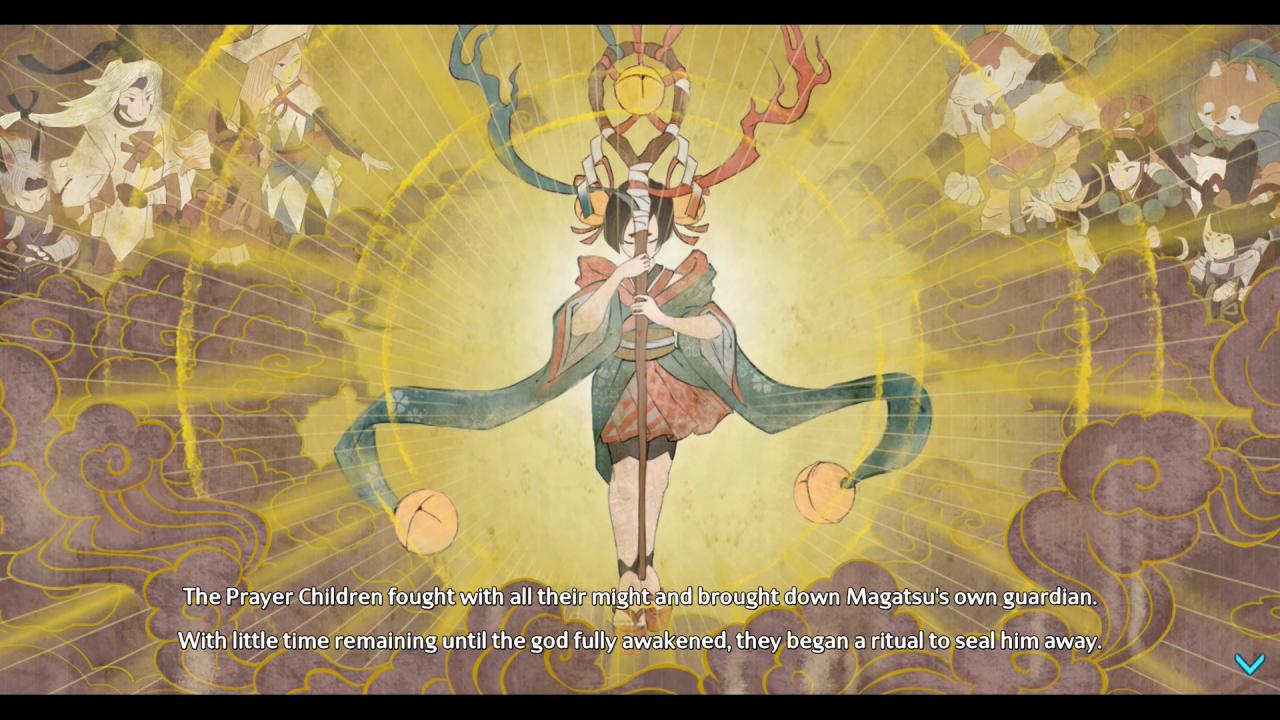
The game doesn't waste any time setting up its story. Before you start playing, you must read a lengthy text crawl that provides an overview of the story. It takes up to twenty minutes to read through because it is so dense and full of exposition, but it sets the stage for a world full of Shinto-inspired myths. The amount of lore is impressive if you like details. But if you want to start fighting monsters, it can feel like a wall before the game even starts.
You are Towa, a divine being called to fight an evil god named Magatsu, who is getting closer to the village. Eight "prayer children" protect her and fight against a spreading miasma that threatens the balance of mana around the world. When Towa and her team try one last ritual to seal away Magatsu but fail, the story takes a dramatic turn. Towa has to change the time. Every time you fail, a new timeline is created, which drains the world's mana even more and starts a cycle of retries that is the basis of the roguelite structure.
This story structure is very big. It cleverly adds time manipulation to both the story and the gameplay, which makes the stakes feel higher than in a normal dungeon crawl. Every run takes place in a different time period, so even the mistakes you make are part of the story and not just a way to start over. This sense of continuity is a smart way to mix roguelite mechanics into a story, and it makes levelling up feel more critical than just farming for upgrades.
The children who pray add heart to the story of Towa and the Guardians of the Sacred Tree. The conversations, bonding events, and interactions they have in Shinju Village give the story emotional depth, and some of the dialogue is surprisingly charming. Every child has their own unique traits that set them apart, such as being serious and determined or being playful and cheeky.
Being with them between runs adds a layer of warmth that balances out the darker themes of death and sacrifice. The issue, though, is execution. The emotional weight of a story about sacrifice and loss doesn't always hit home. Even when allies die in battle, characters often respond with calm detachment, which makes you feel more affected than the cast itself.
Think about giving up a character you love that you've spent hours levelling up, only for the rest of the team to act like it's no big deal. That tonal mismatch makes what could have been the game's best mechanic less effective. Despite these flaws, the story has considerable potential. It has a new mythological angle and an interesting premise, even though it doesn't consistently deliver on its promises.
At its heart, Towa and the Guardians of the Sacred Tree is like other games where you go into dungeons, kill enemies, get upgrades, and move on to bosses. You have to choose two characters for each run: one as the Surugi, who is a sword-wielding attacker, and one as the Kagura, who is a magic user. The game's main feature is its dual-character system, which adds strategic depth by making you balance physical combat with magical support.
The Surugi does most of the work. You can switch between Hanzashi and Wakisashi modes by using two swords. Hanzashi does raw damage and quick strikes, while Wakisashi does charged attacks that let you counter and do special moves. You have to switch swords all the time because of the durability system. As you fight, each sword gets weaker.
It only gets stronger when you switch it out. This mechanic makes fighting on paper more fun. In real life, it often seems boring. The constant switching of weapons disrupts the game's flow, rather than encouraging creative play. You wish durability had been thought of as a deeper combat mechanic instead of a gimmick. The Kagura, on the other hand, brings magic to the fight. In single-player mode, they follow behind and use their abilities when they are ready.
In co-op, someone else can control them, but the role isn't as interesting as Surugi's. There aren't many different spells to choose from, and the cooldown system often leaves the Kagura standing around doing nothing. This imbalance makes couch co-op feel boring because one player always has the more interesting role, while the other repeatedly casts spells.
The way the dungeons are set up is very similar to how roguelite games do it. You will clear rooms full of enemies, sometimes find a shop or a place to rest, and then keep going until you reach a boss. You can beat a boss, but you have to give up your Kagura, which means they won't be able to play again in the future. This system is brave in terms of story, but it doesn't always work. It makes things tense and forces you to think carefully about which characters to put at risk.
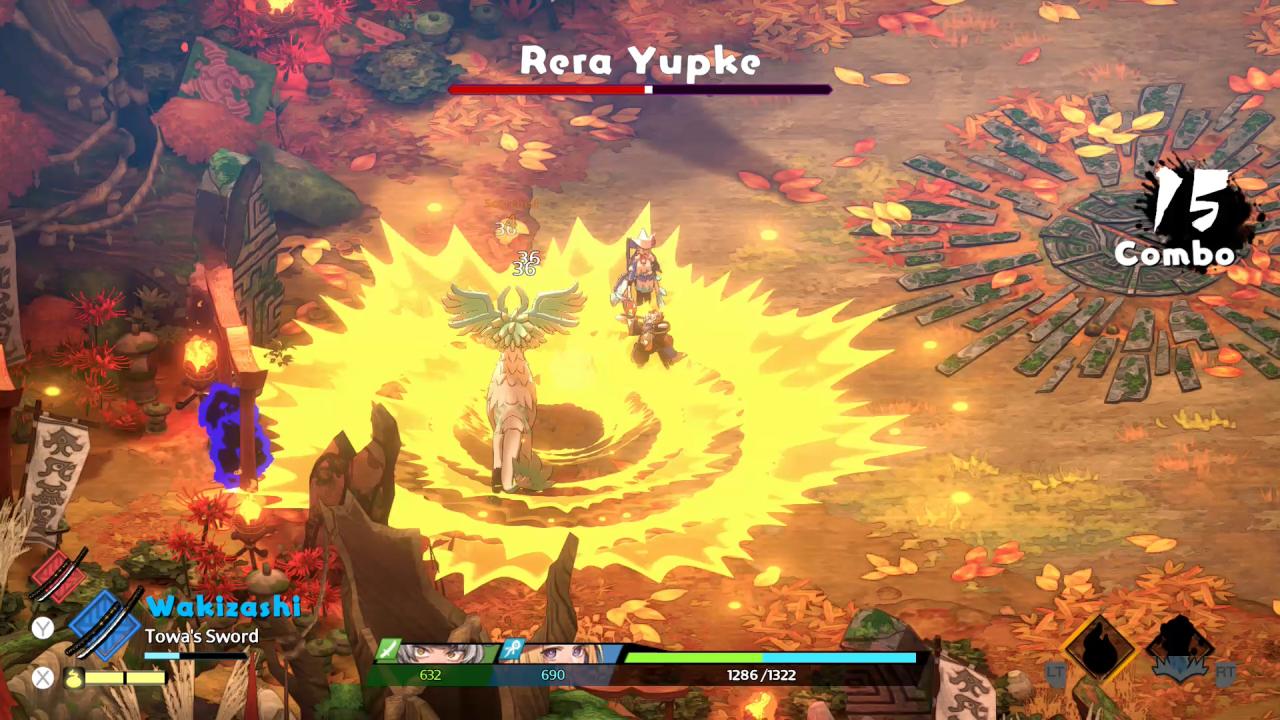
On the other hand, the loss doesn't feel as bad mechanically because abilities unlock for all Kagura, which diminishes the emotional impact the system is meant to have. When you control the Surugi, combat is definitely fast-paced and fluid. When you're fighting a boss and timing is essential, dodging attacks and chaining sword combos can be exhilarating.
Attacking, switching swords, and finishing moves all have a nice rhythm to them. However, the boss's personality. They often seem like big, random creatures instead of unique villains who are essential to the story. These battles lose a lot of their weight when there aren't strong narrative ties, making them more like mechanical obstacles than climactic events.
There are hardly any puzzles, though. The primary tasks are to fight and manage resources. Instead of figuring out clever puzzles, you'll spend more time worrying about how long your sword will last and how long your spells will take to cool down. Some might appreciate that it keeps the game moving quickly, while others think it lacks sufficient variety, which could make long sessions feel tedious.
The XP and upgrade systems do help make the game last longer. You can level up your skills, make swords, and improve your stats in Shinju Village between runs. Sword making is one thing that stands out. You can shape, sharpen, and give your blades elemental powers through mini-games, which makes you feel like you own your weapons. Unfortunately, durability takes away from the fun again, as swords that took a lot of time to make still break during battle, reminding you of the game's most controversial mechanic.
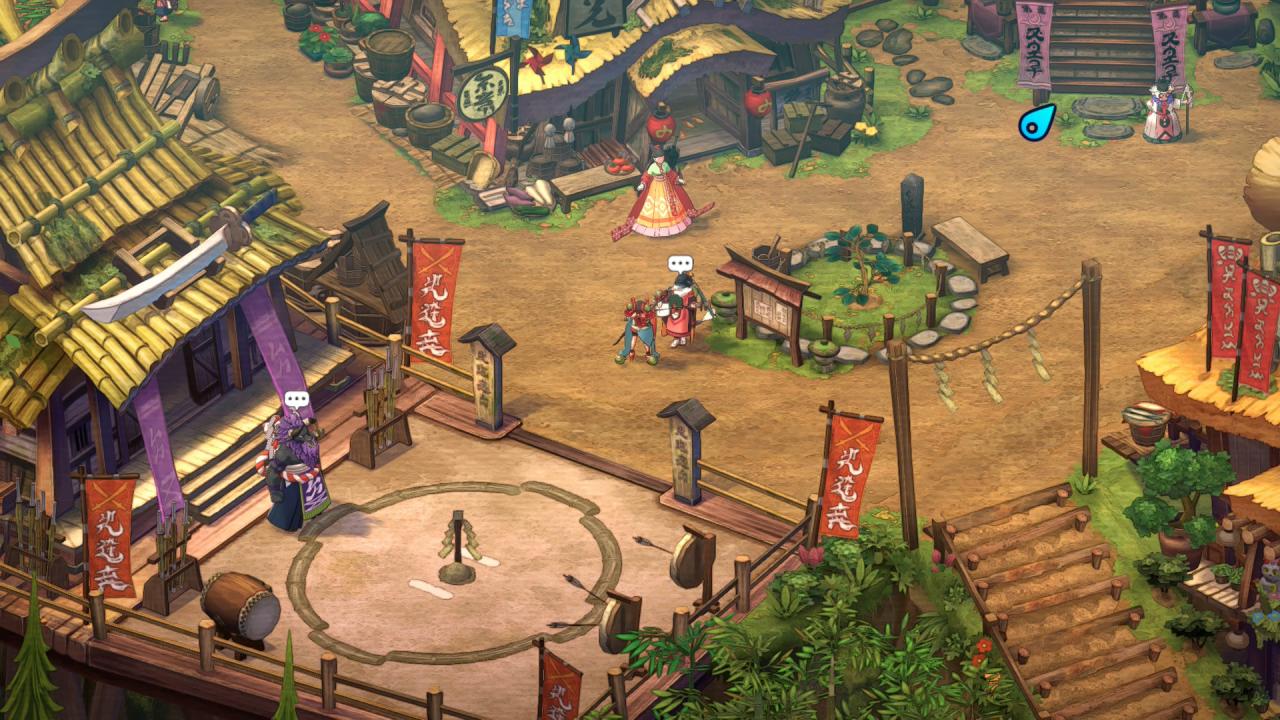
Shinju Village is where you go between dungeon runs, and it's one of the best parts of Towa and the Guardians of the Sacred Tree. Here, you'll talk to the prayer kids, do side quests, and make your characters stronger. These moments give the guardians personality and depth, making them more than just numbers and evoking a genuine care for them.
In the village, you'll also manage your resources, make swords, and get ready for the next dive. It gives you time to think and plan between the high-stakes dungeon crawling. Sadly, the village doesn't always have the dramatic weight it could because the emotional stakes of losing a guardian aren't always made clear. Imagine going back to town after killing off a character and seeing everyone act like nothing happened. It takes you out of the story, which could have been one of the game's best narrative hooks.
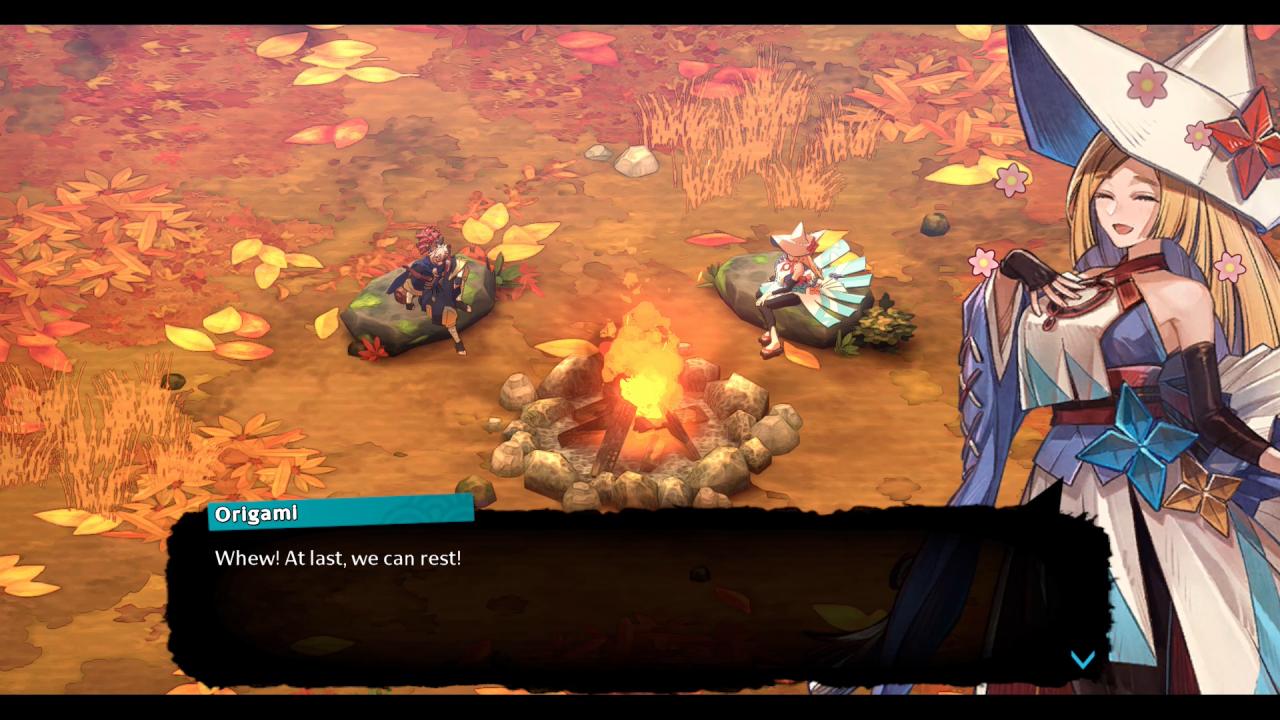
Towa and the Guardians of the Sacred Tree looks great. The art style is inspired by anime, with bright, colorful character designs that stand out on screen. The kids all have their own unique looks that make them easy to spot, and the town of Shinju is warm and welcoming, with its cozy, inviting atmosphere. Towa herself is beautifully designed, with a mix of divine elegance and youthful charm.
That being said, dungeon settings get repetitive after a while. The art direction lends the game a mythological feel, but after a few runs, the layouts and structures begin to feel repetitive. You may feel like you're walking through the same hallways and arenas over and over again, which makes exploration less fun. The game is less likely to keep players interested over time because there aren't many different visuals.
Still, the overall presentation remains, especially in cutscenes, where expressive animations bring the characters to life. The game's visual style takes it further than many roguelites with more generic designs, even if not every environment is fantastic.
The soundtrack is where the game really shines. Hitoshi Sakimoto wrote the music, which is nothing short of amazing. He is known for writing legendary scores like Final Fantasy XII and Dragon's Crown. Every song is carefully made to make the moment better, from tense battle themes that make your heart race to calm town melodies that put you to sleep. The music alone makes exploring dungeons that are otherwise boring more fun.
Voice acting, on the other hand, is hit or miss. Some performances are enjoyable and engaging, while others can be boring. Even though Towa is the main character, she often sounds too monotone for the situations she is in. This might be a deliberate choice to reveal her divine nature, but it doesn't align with her youthful appearance or the story's high stakes. Supporting cast members, especially the prayer children, add much-needed energy and personality to the show through their lines, which helps keep things in balance.
Towa and the Guardians of the Sacred Tree is a game that wants to do a lot. The game's mythological story, two-character combat system, and sacrifice mechanic all point to a title that is willing to take risks in a genre that is already full of them. Sometimes, these risks pay off, giving you moments you'll never forget when you really feel the weight of your choice and the excitement of battle.
However, the execution often doesn't fall short of expectations. Weapon durability is more annoying than fun, boss fights don't have any personality, and the sacrifice mechanic doesn't have the emotional impact it promises. The story is interesting in theory, but it has trouble with pacing and tone, so you want more from it than you actually get.
Towa and the Guardians of the Sacred Tree Review is a game that plays with the roguelite formula. If you like roguelites, you should check it out. It's not as good as the best in its genre, but it has a lot of heart. This game is like the sacred tree it is based on in that it reaches for greatness, even if its branches don't quite connect as strongly as they should.
Contributor, NoobFeed
Verdict
A roguelite based on a myth that has great ideas and looks excellent, but its uneven execution and frustrating mechanics keep it from being great.
75
Related News
No Data.