
10 Best Square Enix JRPGs that aren't Final Fantasy
From Chrono Trigger to NieR: Automata, these Square Enix JRPGs push the limits of story, combat, and creativity far beyond Final Fantasy.
Opinion by Zahra Morshed on Aug 09, 2025
Most of the time, when people talk about Square Enix and Japanese role-playing games, they always come back to one series: Final Fantasy. It has had an undeniable impact on story creation, visual art, and combat systems for many years. But if you only look at this one series, you'd miss out on a treasure trove of worlds, systems, and stories that have quietly pushed the limits of the JRPG genre.
In the past thirty years, Square Enix has built up an incredibly varied library of games that try new things, update old ones, and often go against what people expect. These games don't just live next to Final Fantasy; they change what a role-playing game is supposed to be.
These games show that Square Enix's creative range goes far beyond its most famous series. They have everything from complex tactical systems to genre-bending stories, from painterly visual innovations to combat systems that require as much brains as they do instinct. Each of the following ten games reveals a different facet of that legacy—some rooted in nostalgia, others daringly experimental, many achieving both simultaneously.
FANTASIAN Neo Dimension
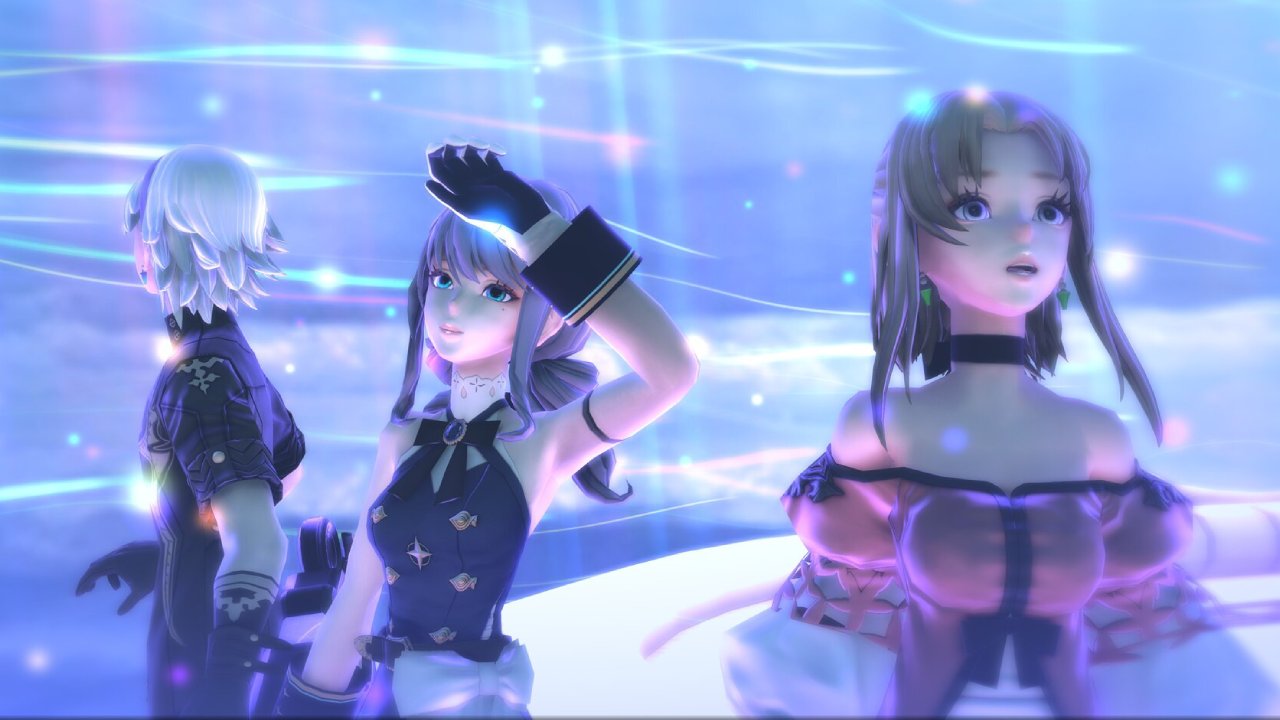
Few RPGs capture tactile artistry like Fantasian Neo Dimension. Built on diorama-style sets, the world appears hand-crafted, with layered textures and remarkable depth. This hand-crafted aesthetic transforms exploration into a sensory experience, from winding train tunnels to crowded night markets.
The standout mechanic—the Dimension System—changes the grinding paradigm entirely. Random encounters can be stored and unleashed in a single, large-scale battle, yielding enormous rewards. This grants players unprecedented control over pacing and progression. Even though the puzzles aren't very hard, they fit in well with the areas and keep the story moving forward.
The talks between characters feel real, whether they're on a rooftop having a quiet chat or having a key conversation during a crisis. The game started out as a mobile app, but when it came out for consoles, it let the artists and systems really shine, giving players a familiar and refreshingly new experience.
Chrono Trigger
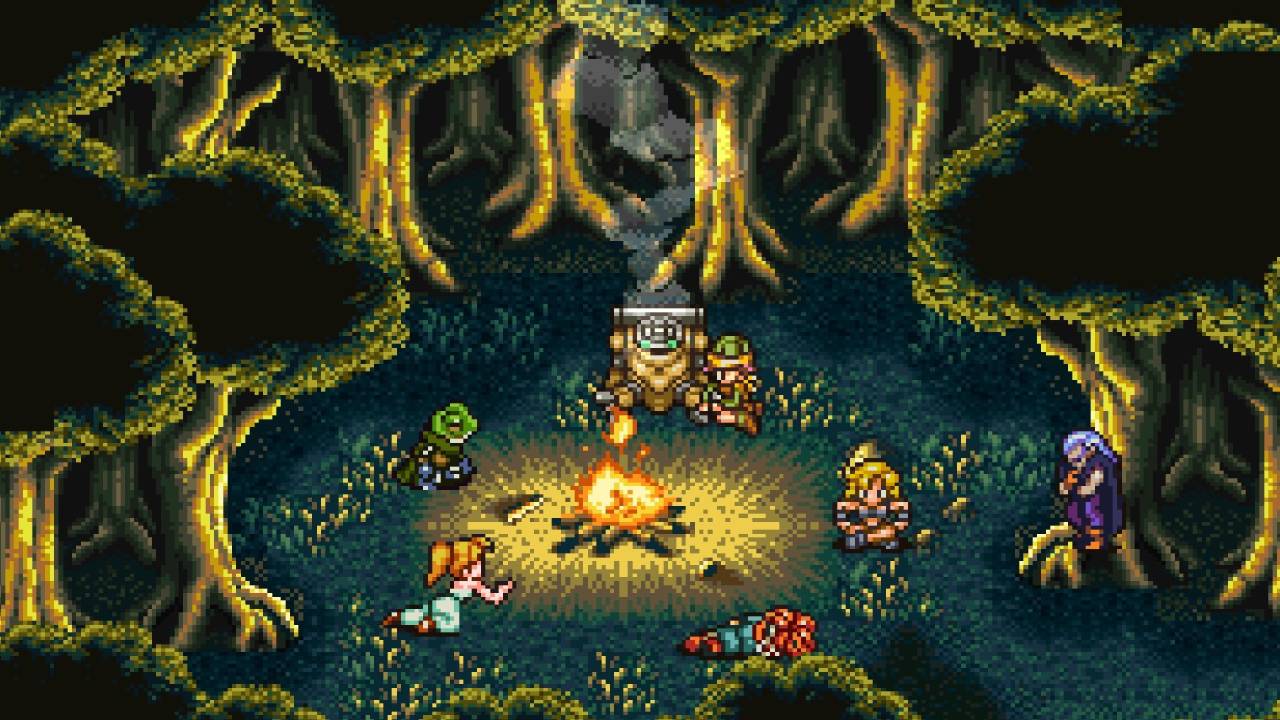
Still a benchmark nearly three decades after its release, Chrono Trigger blends time-travel storytelling with seamless gameplay design. The visible enemy encounters, rather than random battles, gave players unprecedented control over pacing. The "Tech" combo system linked abilities across characters, turning relationships into mechanics.
Multiple endings invited replayability, while its art style and soundtrack remain iconic. Chrono Trigger is more than just a nostalgic experience; it's still a model for how to combine gameplay, story, and world-building in games today.
Octopath Traveler II
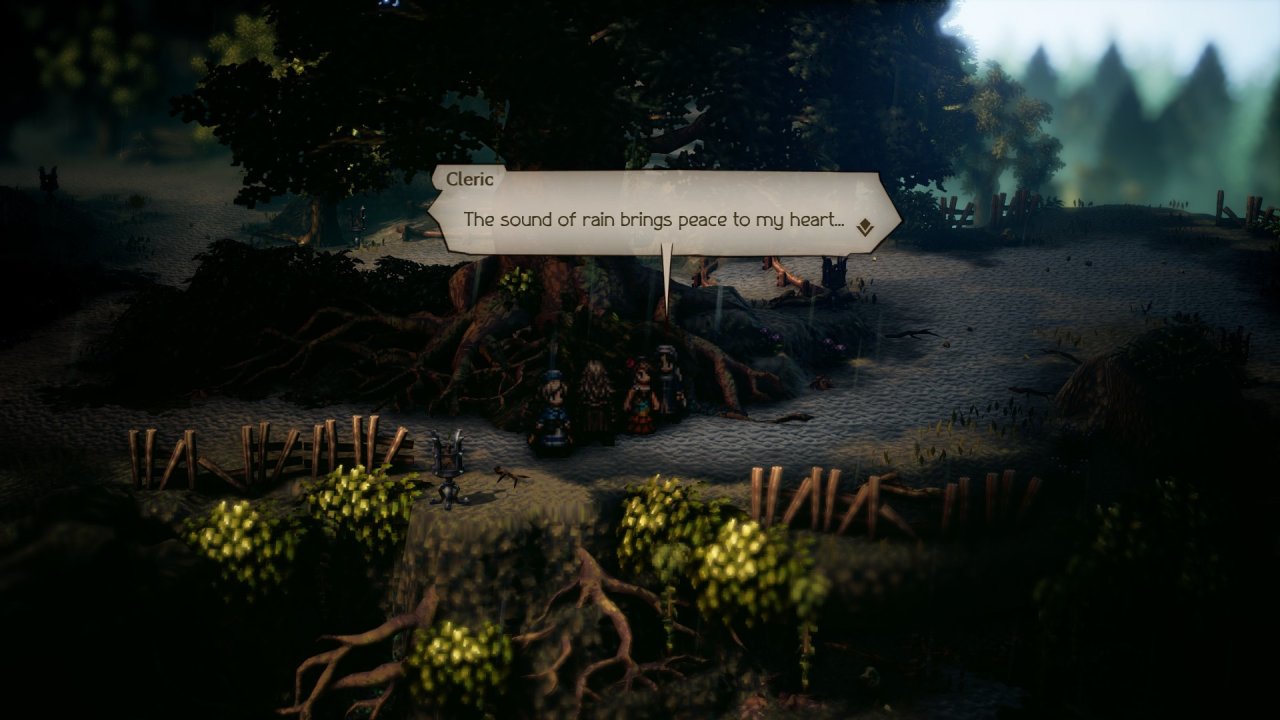
Octopath Traveler II is a masterpiece of polish. It carefully builds on the foundations of Octopath Traveler. Eight distinct protagonists embark on deeply personal journeys, each narrative arc unfolding over ten or more hours and interwoven through subtle thematic threads. The storytelling never condescends; motivations are suggested rather than dictated, inviting the player to interpret character actions and moral choices.
The combat system remains the crown jewel. Its boost system lets you carefully change your turn by adding damage or saving momentum for key attacks, which makes turn economy an important part of strategy. Boss fights aren't just endurance tests; they're also carefully thought-out puzzles that require knowledge of elemental weaknesses, break time, and how to use skills that work well together.
ifficulty escalates with intention, rewarding party optimization rather than punishing exploration. The HD-2D visual style is more vibrant than ever. Pixel art characters inhabit richly lit 3D spaces, with dynamic effects such as drifting fog and glistening water creating a living, breathing world.
Environmental mechanics are equally immersive, from braving frozen tundras where warmth becomes a survival resource to navigating dense, fog-laden forests illuminated only by torchlight. Octopath Traveler II is one of the most important modern JRPGs because of how deeply you can customize your character, how the environments are told, and how the battles are designed. However, the pace between storylines can feel uneven because the game is not linear.
Dragon Quest XI S: Echoes of an Elusive Age
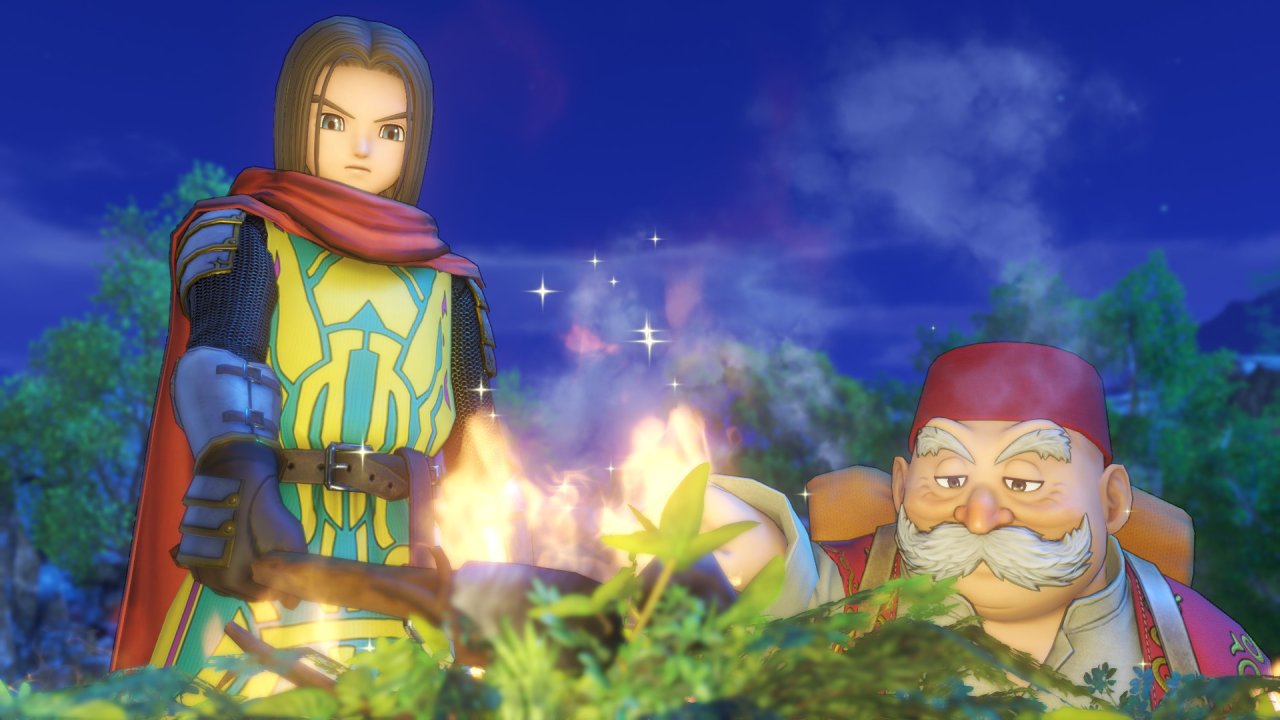
A seamless marriage of tradition and modernity, Dragon Quest XI S preserves the genre's foundational turn-based combat while layering in contemporary quality-of-life innovations. At first look, the story may seem simple, but the emotional depth of the characters, from Eric's survivor's guilt to Rab's quiet search for redemption, is surprising.
The world form changes over time. As you move through the game, towns change, markets change what they have in stock, and stories spread. Amazingly, the "S" version lets you play the whole game in 2D. This shows that the developers are dedicated to both honoring the series' past and embracing new technology.
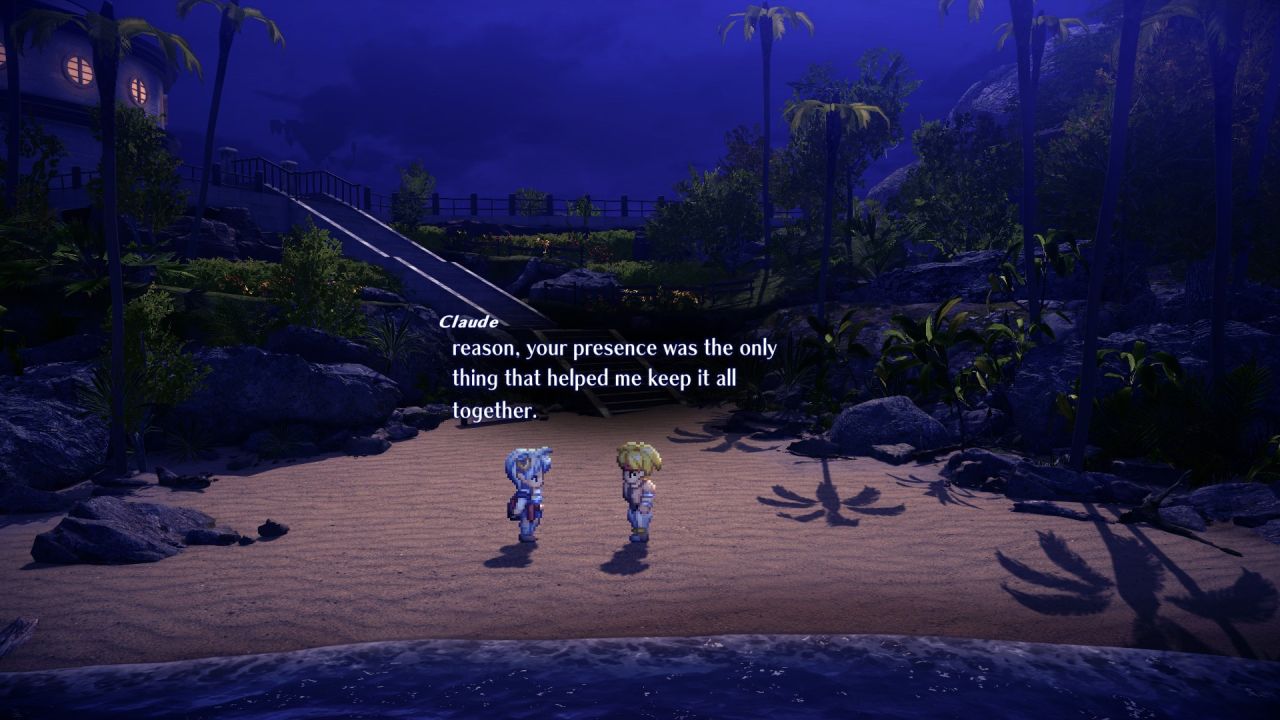
Star Ocean The Second Story R
It's not a remake; it's a completely new thing. Star Ocean The Second Story R fixes bugs in the original game's systems, adds new story beats that make Claude and Rena's character arcs deeper, and makes the story with two main characters longer.
Combat blends real-time movement with command-based strategy. Skill chains, positional tactics, and precision timing replace button-mashing, while crafting and skill development integrate seamlessly into exploration. Choices ripple outward: rescuing an NPC might unlock entire resource routes or affect regional politics.
Its environments are striking in scale and detail. Each place has its own unique life, from large, neon-lit space hubs to small, rural towns that have been changed by shifting political parties. Bond events are more than just nice touches to the story; they also give you access to new skills, making character relationships a direct part of the game. The end result is a copy that stays true to the spirit of the original while updating every part of it.
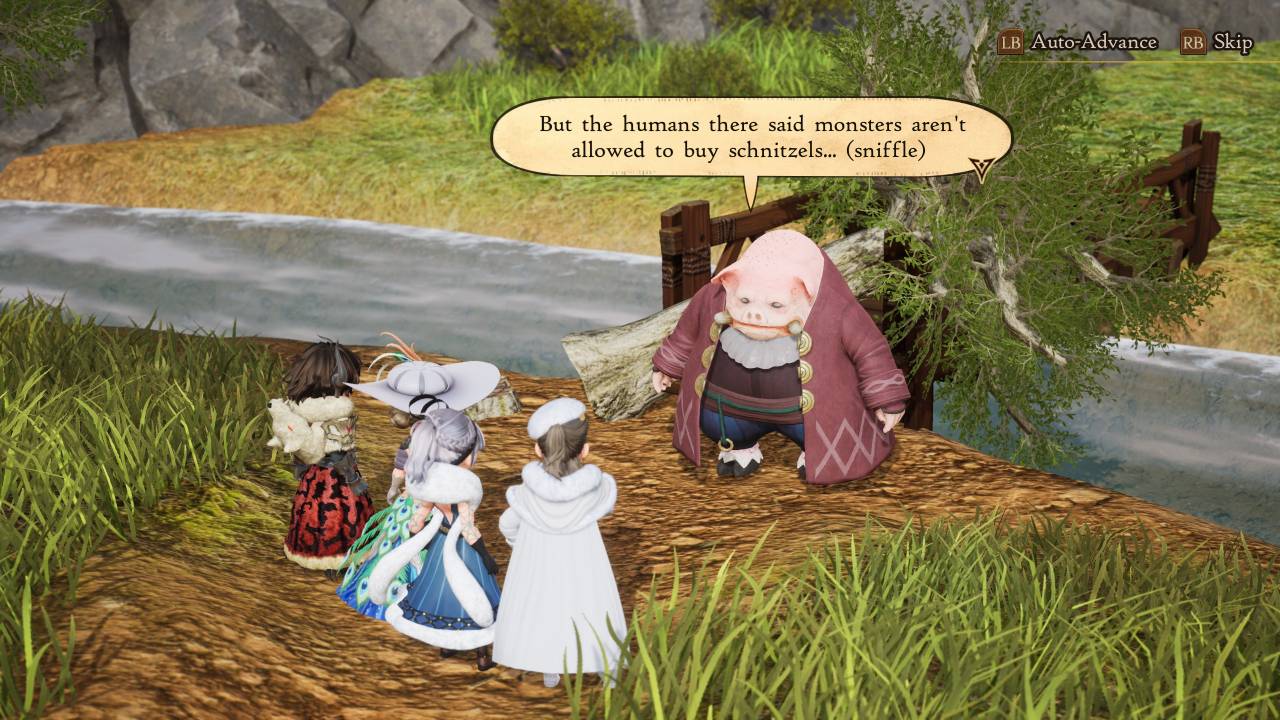
Bravely Default
Positioned as a love letter to early 2000s JRPGs, Bravely Default transcends homage through its bold reimagining of turn-based combat. The Brave and Default system transforms traditional encounters into tactical gambits. Players can "bank" turns to start powerful combos or "overextend," which means they risk losing future actions. This risk-reward system makes even simple fights more exciting, like a puzzle.
The job system is a great example of flexible design because it comes with over twenty different classes right away. Hybrid builds—such as a sword-wielding healer or a mage with physical support skills—emerge naturally, empowering creative strategies. This flexibility fuels an endgame rich with challenging optional content and mastery opportunities.
Environments evolve alongside the narrative, with shifting musical themes and location changes reflecting story beats. The music, which ranges from calm town tunes to upbeat boss songs, keeps the player grounded at all times. Even though Bravely Default isn't officially part of the Final Fantasy canon, its tone, world-building, and fighting are all very similar to other games in the series. This makes it a must-play for anyone who wants to experience the classic formula in a more modern way.
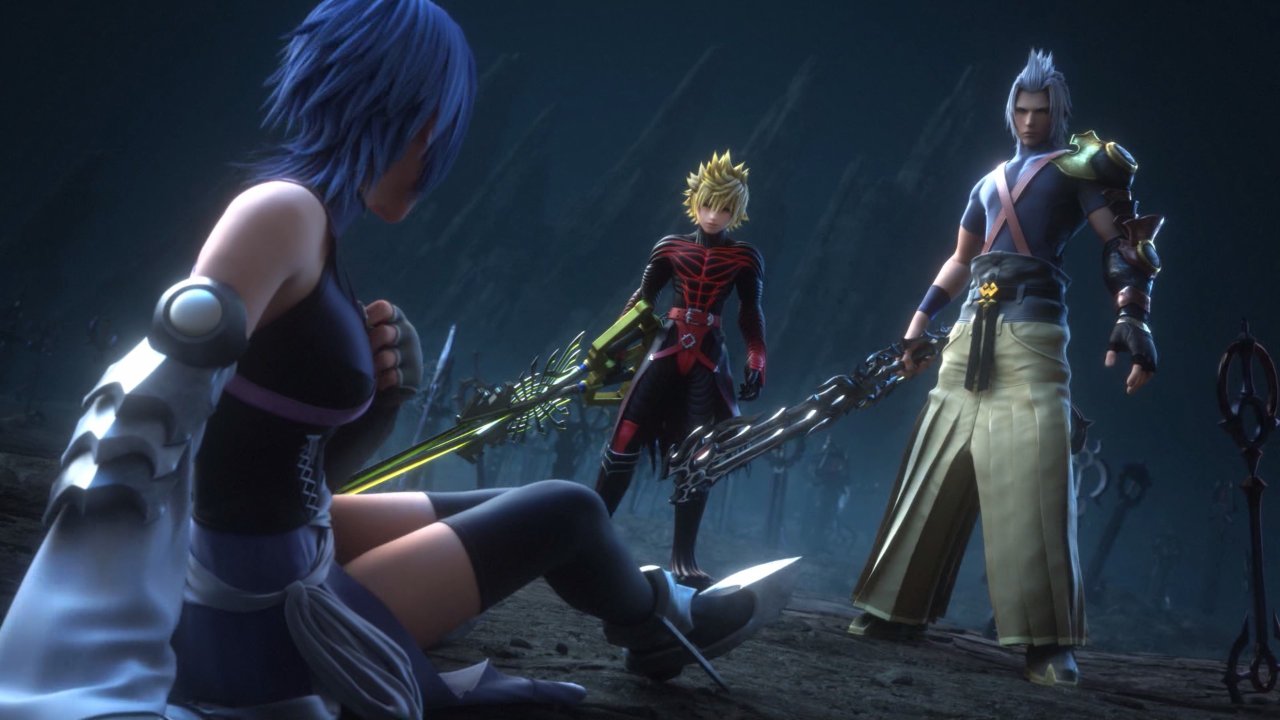
Kingdom Hearts II
Often regarded as the series' pinnacle, Kingdom Hearts II perfects the improbable fusion of Disney's whimsy and Square Enix's emotional complexity. Its pacing alternates between lighthearted exploration and weighty, high-stakes confrontations. Each Disney world contributes meaningfully to the overarching narrative, avoiding filler arcs.
With the addition of Drive Forms, the battle has changed a lot. Players can change their shape in the middle of a fight, which changes their movement, abilities, and strategy. Reaction orders give encounters a dynamic, movie-like feel that keeps them exciting and visually stunning.
Detail in the environment makes the experience more real—NPC plans change as the story does, and events in the world change based on what the player does. The result is a crossover experience that is still unique in how it is put together and how big it is.
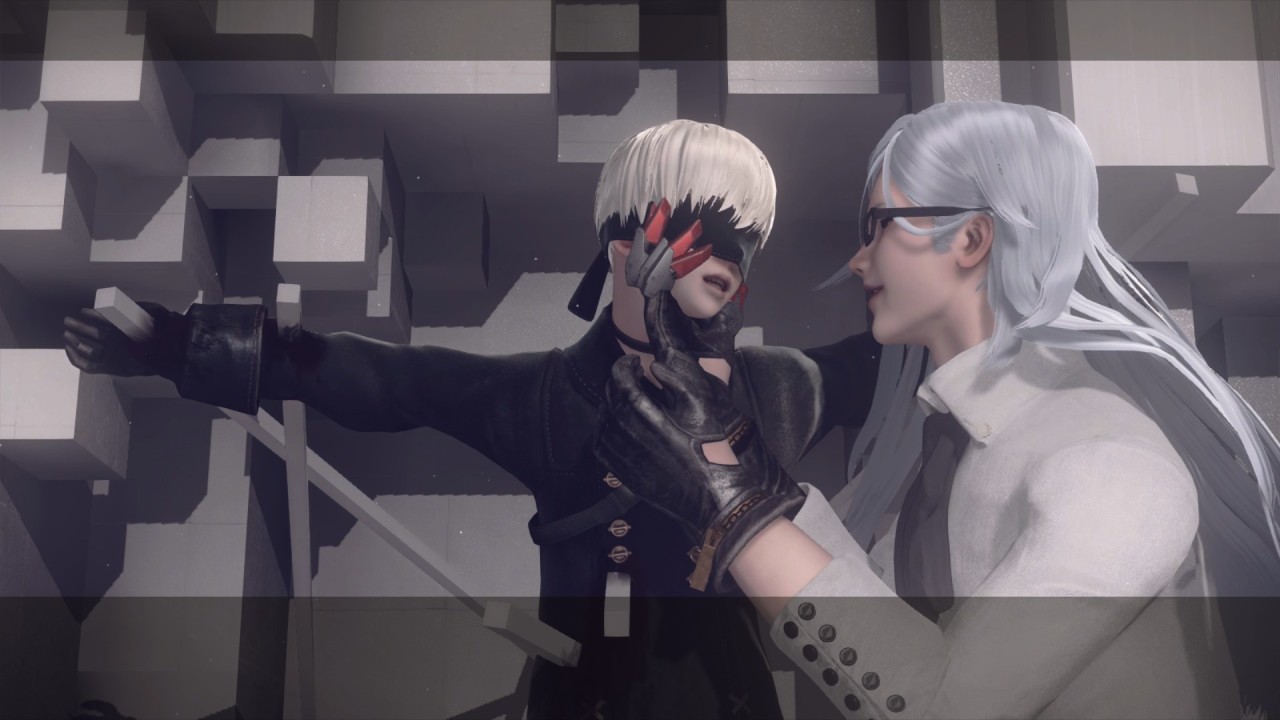
NieR: Automata
Part action game, part existential meditation, NieR: Automata is a structural marvel. Its five-playthrough arc reframes its premise repeatedly, revealing deeper truths with each perspective shift. The fluidity with which it shifts from hack-and-slash combat to bullet-hell sequences and top-down navigation is unparalleled.
Combat is as much about rhythm as it is about reflex, with weapon variety, parry timing, and the Pod system encouraging nuanced playstyles. The soundtrack is equally vital to the experience, its dynamic scoring shaping mood and tension at every moment.
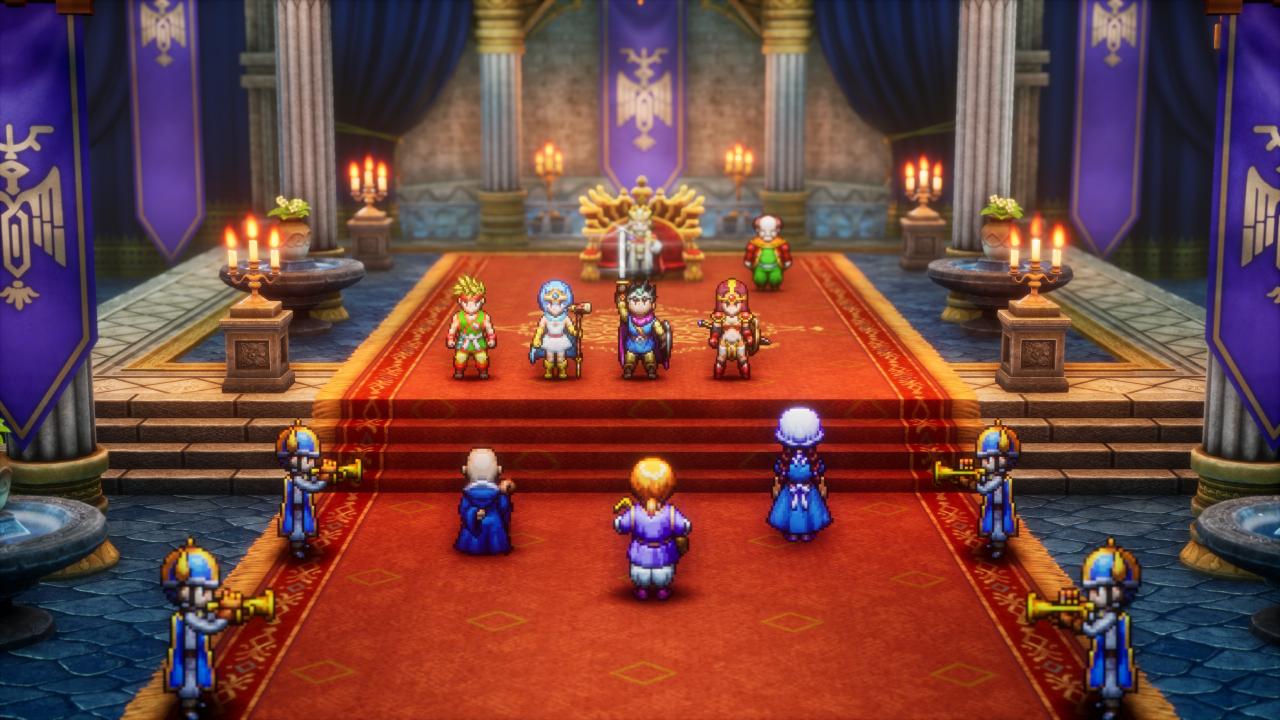
Dragon Quest III HD-2D Remake
As a success of both preserving and creating, Dragon Quest III HD-2D Remake brings one of the genre's mainstays back to life. The famous job system is still in place, which lets people try new things from the very beginning. But every part of the interface has been tweaked to make it more modern, from faster text scrolling to smart product sorting.
There are links in the world between things, and NPCs react to changes in the party and major plot points. Side quests aren't "busy work" because they fit in well with the main story. It's not too hard, and there are boss fights and jobs that you can skip if you want to get bigger rewards. By blending visual nostalgia with contemporary design, this remake bridges generations of JRPG players.
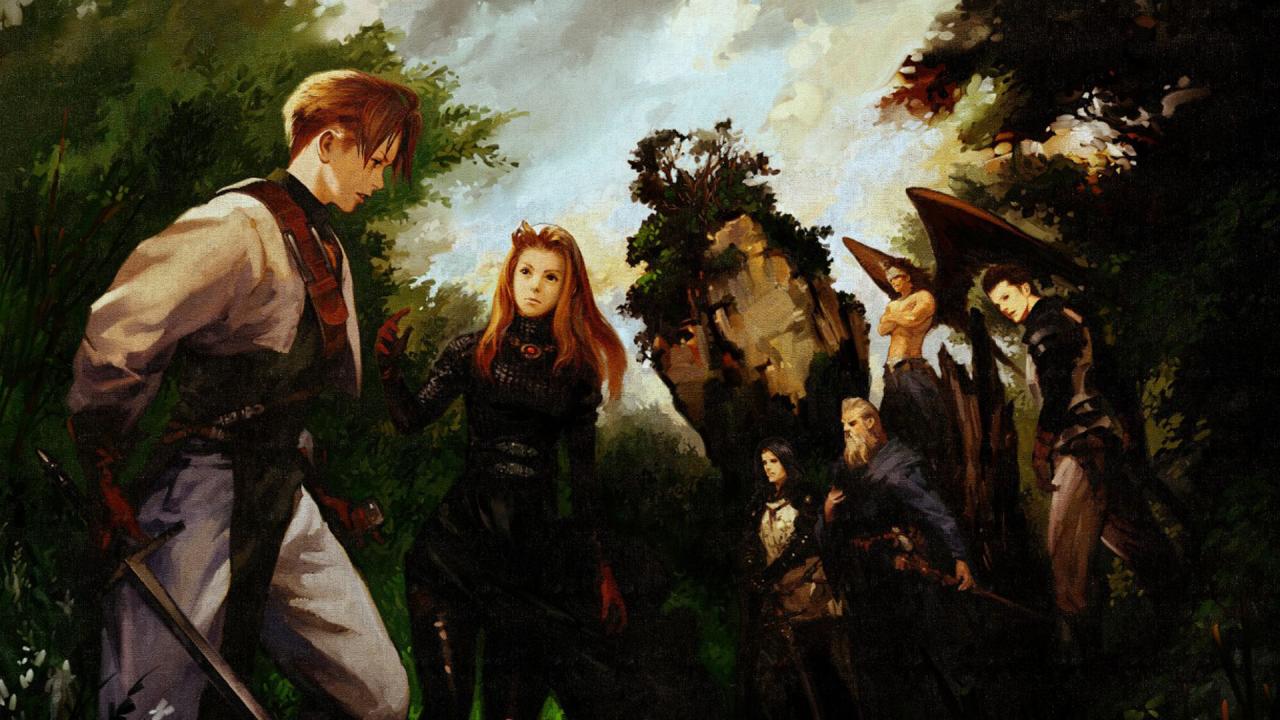
Tactics Ogre: Reborn
One of the most intricate tactical RPGs ever created, Tactics Ogre: Reborn refines an already legendary foundation. Every choice carries weight—characters can be lost permanently, altering both strategy and story. Terrain, elevation, and cover are not set dressing but decisive factors in battle.
High-difficulty modes remix enemy layouts and map structures, compelling even veterans to rethink long-held strategies. Optional events are never filler; each has narrative or mechanical significance, from unlocking new recruits to influencing faction dynamics. Its layered political narrative remains one of the genre's richest.
Square Enix's history is not limited to a single series. It is a fabric made of taking risks, coming up with new ways to do things, and wanting to tell a good story. With these ten games, the studio has shown that its range is its strongest suit. Some of these games respectfully look back at the past, while others completely break the mold.
All of them have one thing in common: they were made because the people who made them believed in their ideas, not just to meet a release date. In a time when big albums can seem like the same thing, that kind of purpose is rare and should be praised.
Also, check the Top 10 Most Anticipated Games of 2025 and other upcoming games listed below:
Contributor, NoobFeed
Latest Articles
No Data.