
AMD Price Hike Explained: GPU and CPU Costs Rising Amid AI-Driven Supply Pressure
Rising component costs reshape expectations for upcoming PC hardware purchases amid widespread manufacturing and supply constraints
Hardware by Shinji Okazaki on Dec 03, 2025
The PC hardware market is seeing fast price changes driven by component shortages, fluctuating manufacturing priorities, and rising demand in fields beyond consumer hardware.
Reports indicate that pending revisions may affect graphics cards, processors, and memory simultaneously, causing uncertainty for anyone planning a system setup.
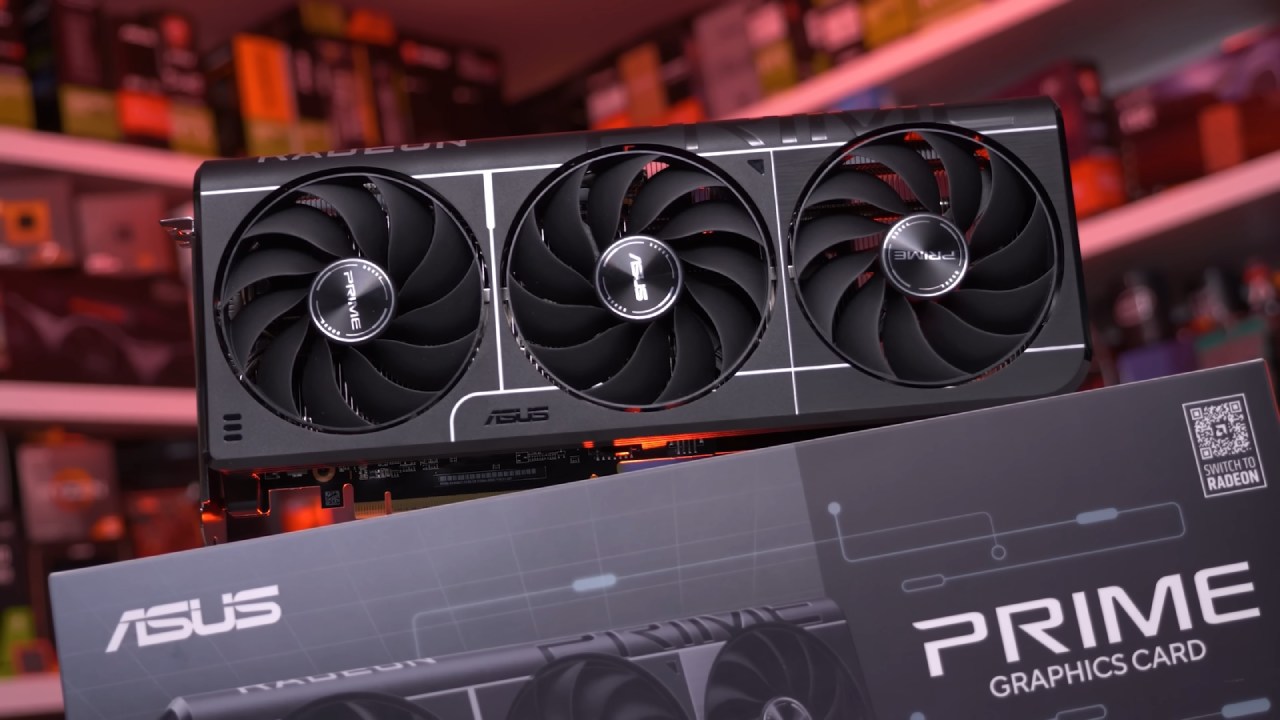
Reported Pricing Changes at AMD
We analyse allegations that AMD intends to raise GPU and CPU prices by roughly 10%. These stories come from people who work in the business and from third-party sources discussing internal memos sent to partner companies.
The increase in GPUs is based on more reliable evidence, while the increase in CPUs is still up in the air until stores update their listings. The timing suggests that price changes could take effect instantly at midnight, regardless of whether the current inventory was acquired at earlier prices.
Impact on Retail Inventory and On-Shelf Pricing
We consider how merchants frequently respond to supplier pricing fluctuations. Many stores change the prices on their shelves right away to match new market behaviour, even if the stock was bought before the change.
This is prevalent when the idea of shortage drives demand. If you are tracking trends closely, items already in stores could cost more even though they were manufactured at lower costs.
Why CPUs May Be Affected
We break down why CPUs could follow the same trend as GPUs. TSMC, the producer for AMD CPUs, Nvidia GPUs, and some Intel processors, allocates wafer capacity across numerous sectors.
With the continued expansion of AI system buildouts, demand for DDR5, GPUs, and high-end CPUs has surged dramatically. RAM makers and chip fabricators shift production priorities toward higher-margin products, creating shortages in other areas.
Effects on the demand for AI hardware
We examine the chain reactions that occur when AI infrastructure is built. DDR5, GPUs, and CPUs are needed for large-scale deployments, which puts significant strain on supply chains from top to bottom. TSMC can raise prices because demand for wafers is rising. These changes gradually make their way to consumer markets, even to common PC parts.
Market Opportunism and Retailer Behaviour
We look at how businesses respond when prices change a lot. Even when their own costs stay the same, retail channels often modify their prices. It becomes a cycle of supply and demand, where perceived shortages lead to opportunistic changes.
It is possible to treat inventory that has already been made, delivered, and stored as if it has the same cost structure as new production.
Reactions from the DDR4 and DDR5 markets
We look at the reasons DDR4 prices are rising again. As demand for AI systems drives up DDR5 pricing, manufacturers on a tight budget switch back to DDR4. As fabs switch to DDR5, the amount of available DDR4 has decreased.
As demand for restricted DDR4 inventory goes higher, retail prices go up, too. This is a common trickle-down effect.
How Big Hardware Companies Act in the Market
We talk about the idea that big hardware companies care about their customers. Nvidia, AMD, and Intel put shareholders and profits first. Pricing at launch is rarely based only on how hard it is to make.
Companies raise prices when demand is high and drop them later when interest wanes or competition rises. You can see this tendency in the introduction of GPUs across several generations.
.jpg)
How does It Affect the Desire to Build a PC
We know how these changes affect people's excitement. As prices go up for many parts, new people see PC construction in a different light. When prices change daily, it's tougher to confidently recommend parts.
The availability of consumer hardware is influenced by broader economic factors, including wafer supply, AI growth, and the company's strategy.
Getting Ready for Price Increases
We give you a useful takeaway. If you can afford to buy it now and have already planned a build, delaying could make the price go up by 10% as soon as the next day.
Even though there are always rumours about the supply chain, the fact that stories keep coming in signals that there may be short-term adjustments to make.
What to Expect from Future Component Categories
We think about what parts might be next to be affected. If wafer capacity and chip packing are the key problems, motherboards and other gadgets that use small SMD chips may suffer the same effects. The problem goes beyond just GPUs, CPUs, and RAM and might affect other consumer goods as well.
Final Thoughts
The current situation shows how wafer allocation, memory shortages, AI growth, and market strategy have affected many organisations. Anyone following hardware trends or creating a system needs to be aware of price changes.
Also, check our other AMD articles below:
- AMD Ryzen 9 9950X3D Review: Setting The Standard For 2025 Gaming CPU
- AMD Ryzen 7 9800X3D Review: 3D V-Cache Goes God Mode with Stunning Gaming Performance
- AMD RX 9070 Performance Review: Thermals, Clocks, and Real-World FPS
- AMD Ryzen 5 7600 Review: Best Budget Gaming CPU of 2025?
- AMD Radeon RX 7800 XT Review: RDNA 3 Power For Midrange Gaming
- Sapphire NITRO+ AMD Radeon RX 9070 XT Review: The Ultimate 4K Gaming GPU
- AMD Ryzen 7 7800X3D: Delivers Gaming Performance Far Beyond Expectations
- AMD Ryzen 9 7900X Review: Powering the AM5 Era with DDR5 & PCIe 5.0
- Intel Core i9‑14900K vs. AMD Ryzen 7 7800X3D: Power Profiles & Gaming Benchmarks
Editor, NoobFeed
Gaming Hardware Updates
No Data.