
AMD Zen 5: A Year of Controversy and Reality
Anticipation for Zen 5 built on promises of major IPC gains and transformative gaming performance improvements.
Hardware by Tanvir Kabbo on Sep 24, 2025
Zen 5 series from AMD was one of the most controversial hardware introductions in a long time. People were really excited when it was announced that it would happen in late 2024. Everything was going to get a lot better for both PC enthusiasts and gamers.
AMD promised big things—most notably a 16% IPC uplift over Zen 4—which suggested we'd finally see the kind of double-digit performance improvements that justify a new generation.
For those waiting to upgrade to AM5 or looking to squeeze more frames out of their systems, Zen 5 looked like the moment to make the jump.
But once the CPUs actually landed, the situation became far more complicated. Reviewers and consumers were left perplexed by the results of Zen 5, which fell short of the significant advancement everyone had anticipated.
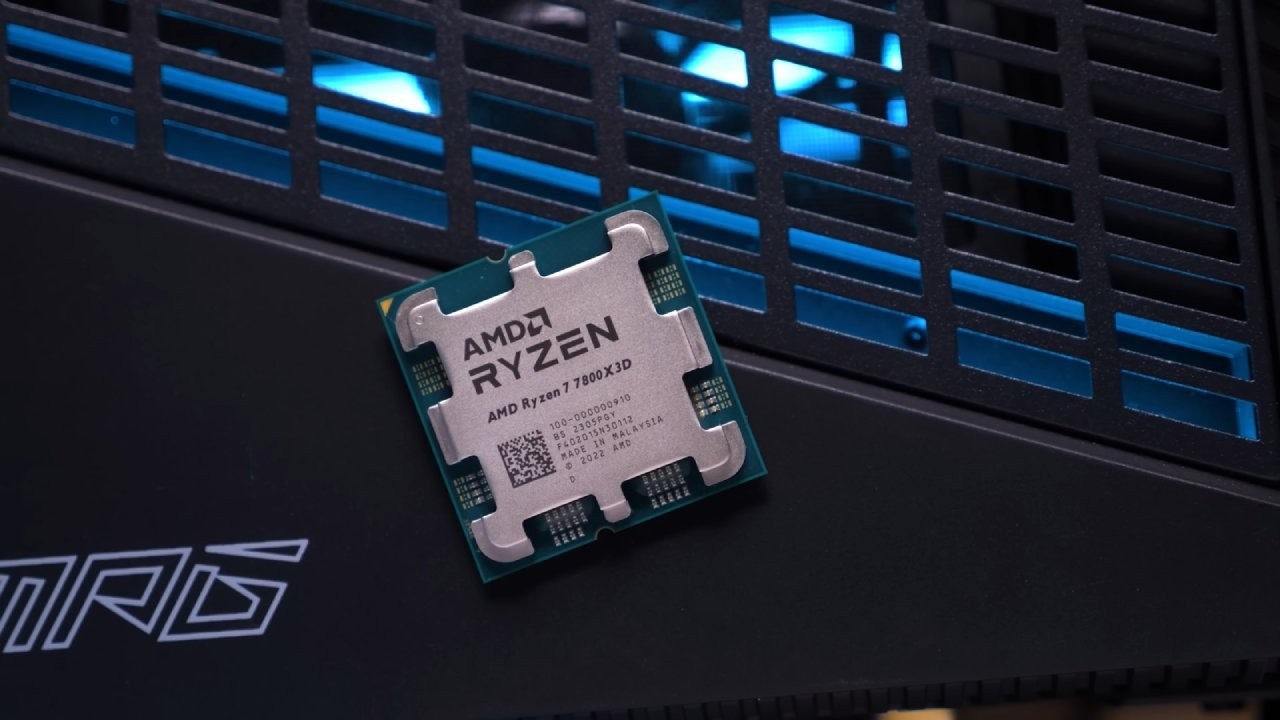
Reality vs. Expectations
The expectation for Zen 5 was favorable before its debut. Double-digit gameplay gains and a thrilling advancement for AM5 were what we anticipated. Rather, preliminary testing yielded unsatisfactory findings.
The Ryzen 7 9700X was only 1-2% faster than the 7700X, while the 9600X was nearly identical in performance to the 7600X. In some instances, Zen 5 CPUs were even slower than their Zen 4 predecessors, a fact confirmed by AMD itself in its review guides.
Windows 11 and Performance Confusion
AMD initially suggested that Windows 11's administrator mode fixed Zen 5 performance. While Zen 5 was indeed faster in this mode, so was Zen 4, meaning it wasn't a Zen 5-specific fix. Later, AMD claimed that the Windows 11 23H2 build had a bug affecting Zen 5, with the upcoming 24H2 build promising improvements to branch prediction.
When testing on 24H2, we saw performance improvements of up to 10% for both Zen 4 and Zen 5 CPUs, while Intel CPUs showed little to no benefit.
These Windows-related boosts led to major confusion in the tech community, with media outlets initially questioning the results but eventually confirming the gains. Still, the update didn't improve Zen 5 relative to Zen 4.
Revisiting Zen 5 vs. Zen 4
To clarify whether optimizations have helped Zen 5, we compared the Ryzen 5 7600X and 9600X across a dozen games. We also included the Ryzen 7 9800X3D for reference.
Marvel Rivals: The 9600X was 5% faster on medium and 3% faster on ultra settings.

Rainbow Six Siege: The 9600X delivered impressive gains—17% faster on average with medium settings and 11% faster with ultra.
Assassin's Creed Shadows: No meaningful performance difference was observed between Zen 4 and Zen 5.
Horizon Zero Dawn Remastered: Zen 5 showed only a 2% uplift over Zen 4.
Cyberpunk 2077 Phantom Liberty: Surprisingly, the 7600X was a few % faster than the 9600X.
Space Marine 2: Only a 6% gain at medium settings, but nearly identical results on ultra.
The Last of Us Part II Remastered: Minimal uplift, with just 2% better performance on higher settings.
Mafia: The Old Country: Zen 5 was again only 2% faster.
Assetto Corsa Competizione: Zen 5 showed meaningful improvement with up to 12% faster performance at higher settings.
Baldur's Gate 3: 11% faster on medium but reduced to 5% on ultra.
Counter Strike 2 (Pro Replay): 16% faster on medium, 8% faster on very high, though 1% lows were nearly identical.
On average across 12 games, the 9600X was just 6% faster at medium settings and 3% faster at high/ultra settings compared to the 7600X.

Shader Compilation Results
We also tested shader compilation performance:
Marvel Rivals: Both CPUs took just over 5 minutes, with Zen 5 less than 1% faster.
The Last of Us Part I: The 9600X was 3% faster, still requiring over 16 minutes to complete.
S.T.A.L.K.E.R. 2: Zen 5 was 1% faster than Zen 4.
Overall, Zen 5 offered no meaningful improvements in shader compilation compared to Zen 4.
Pricing and Value
Performance alone isn't the whole picture. Pricing plays a crucial role, and at launch, Zen 5 was poorly positioned. The 9700X debuted at $360, while the 9600X launched at $280.
In comparison, the Zen 4 Ryzen 7 7700 was priced at $290 with a box cooler, and the Ryzen 5 7600 was available for just $180, including a cooler. Neither the 9600X nor the 9700X shipped with coolers, further hurting their value.
Within 2 months of launch, AMD began slashing prices due to weak sales. By December, the 9700X could be found for $320, but the 7700X dropped to $260 at the same time, making Zen 4 still the better deal.
Today, the 9700X retails for around $300, roughly matching the 7700X, meaning it finally makes sense to consider Zen 5—but only because prices have aligned, not because performance justifies an upgrade.
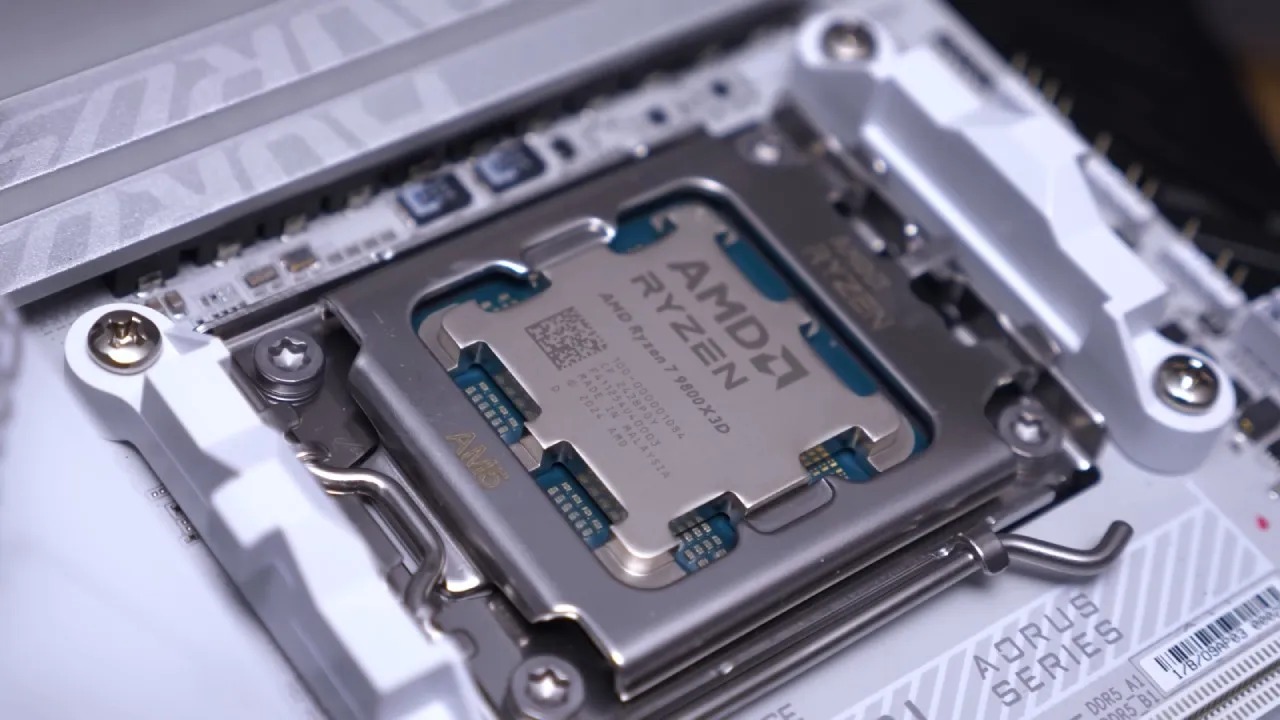
Final Thoughts
A year on, very little has changed in the Zen 5 story. For gaming, Zen 5 provides a modest 3-6% improvement on average compared to Zen 4.
For those already on AM5, the upgrade felt like a disappointment, and for AM4 users, there wasn't much incentive to make the leap.
Only now, with pricing lowered to match Zen 4, does buying Zen 5 make sense—but it still doesn't deliver the kind of leap we hoped for. Zen 5 remains a minor step forward rather than a true next-generation breakthrough.
Check Our Other AMD articles:
- AMD Ryzen 9 9950X3D Review: Setting The Standard For 2025 Gaming CPU
- AMD Ryzen 7 9800X3D Review: 3D V-Cache Goes God Mode with Stunning Gaming Performance
- AMD RX 9070 Performance Review: Thermals, Clocks, and Real-World FPS
- AMD Ryzen 5 7600 Review: Best Budget Gaming CPU of 2025?
- AMD Radeon RX 7800 XT Review: RDNA 3 Power For Midrange Gaming
- Sapphire NITRO+ AMD Radeon RX 9070 XT Review: The Ultimate 4K Gaming GPU
- AMD Ryzen 7 7800X3D: Delivers Gaming Performance Far Beyond Expectations
- AMD Ryzen 9 7900X Review: Powering the AM5 Era with DDR5 & PCIe 5.0
- ASRock Radeon RX 7800 XT Challenger OC Review: Best Price-to-Performance GPU of 2025
- Intel Core i9‑14900K vs. AMD Ryzen 7 7800X3D: Power Profiles & Gaming Benchmarks
Senior Editor, NoobFeed
Gaming Hardware Updates
No Data.