
AMD Ryzen 7 7800X3D vs. Ryzen 7 9800X3D: Is Zen 5 Worth the Premium?
Ryzen 7 9800X3D delivers only modest generational gains, making the 7800X3D the stronger value gaming CPU choice.
Hardware by Tanvir Kabbo on Sep 21, 2025
Ryzen 7 7800X3D and Ryzen 7 9800X3D represent AMD’s high-end gaming CPUs across two generations, Zen 4 and Zen 5. Given that both processors have 3D V-Cache technology, many consumers wonder if the older Zen 4 model is still a better buy or if the current Zen 5 model offers enough performance boost to warrant its higher price.
Which alternative makes the most sense at the moment is evident from recent benchmark comparisons, current testing, and market pricing trends.
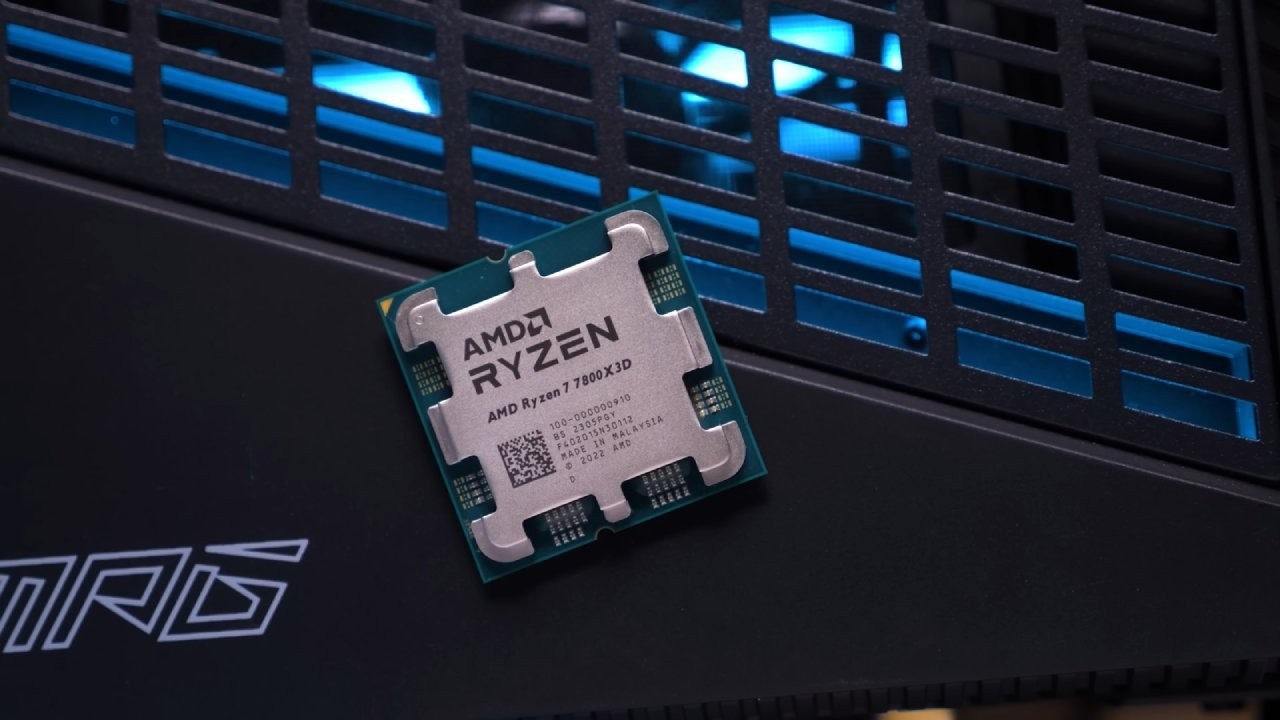
A Brief Recap of Past Data
Around a year ago, testing across 45 games at 1080p using an RTX 4090 showed that the Ryzen 7 9800X3D was, on average, just 8% faster than the 7800X3D.
Overall performance differences were not very significant, although there were some notable improvements in games like Starfield, Hogwarts Legacy, and The Last of Us Part One. The more recent Zen 5 model wasn't making a significant generational leap, according to that earlier investigation.
To confirm if anything has changed, we added the 7800X3D into the most up-to-date data across 12 modern titles using the RTX 5090, DDR56000 CL30 memory, and the latest BIOS for the X870 motherboard.
Game Benchmark Comparisons
In Marvel Rivals, performance was nearly identical, with the 9800X3D just 1% ahead. Interestingly, bigger differences were seen between the non-X3D Zen 4 and Zen 5 6-core CPUs instead.
With Rainbow Six Siege X, the 9800X3D pulled ahead by 5%, showing a modest gain across both medium and Ultra Plus presets.
For Assassin’s Creed Shadows, a GPU-heavy single-player title, there was virtually no difference between the two CPUs.
Horizon Zero Dawn Remastered showed more typical results with a 10% lead for the 9800X3D, while Cyberpunk 2077 displayed a 7% advantage on medium settings and just 2% with ray tracing ultra, where the RTX5090 became the bottleneck at 130fps.
In The Last of Us Part II Remastered, the newer chip delivered a 10% uplift, but this was smaller than the big wins seen previously in Part I.

Warhammer 40,000 Space Marine II proved more CPU demanding, yet the 9800X3D was only 9% faster on medium and 7% faster on ultra.
Marvel’s Spider-Man 2 highlighted one of the stronger results, with the 9800X3D being 7% faster on medium and 11% faster on maximum settings, where CPU workload increased.
Mafia: The Old Country showed minimal differences, up to 3% at best, as the game quickly became GPU-limited on Epic quality.
Assetto Corsa Competizione was one of the biggest wins for Zen 5, with a 13% lead on medium and extending to 18% on epic, close to the largest gains seen in the 45-game test.
Baldur’s Gate 3 was even stronger, with the 9800X3D 20% faster on medium and 23% faster on ultra, one of the most commanding wins.
Finally, in Counter-Strike 2, the Zen 5 CPU was 10% faster on medium and 5% faster on very high settings.
Average Results
Across 45 games previously, the 9800X3D averaged 8% faster than the 7800X3D. An 8% gain with medium settings and an 8% gain with ultra settings were both validated by the new 12-game sample. The general uplift is still small, even with notable exceptions like Baldur's Gate 3.
Performance of Shader Compilation
Testing of shader compilation revealed small but steady gains for the more recent CPU. The 9800X3D was 14% quicker in The Last of Us Part I than it was in Marvel Rivals, which was 5% faster.
However, Stalker 2: Heart of Chernobyl only showed a 4% uplift. These results indicate small but sometimes meaningful improvements for Zen 5 in reducing compilation times.
Market Pricing and AMD’s Strategy
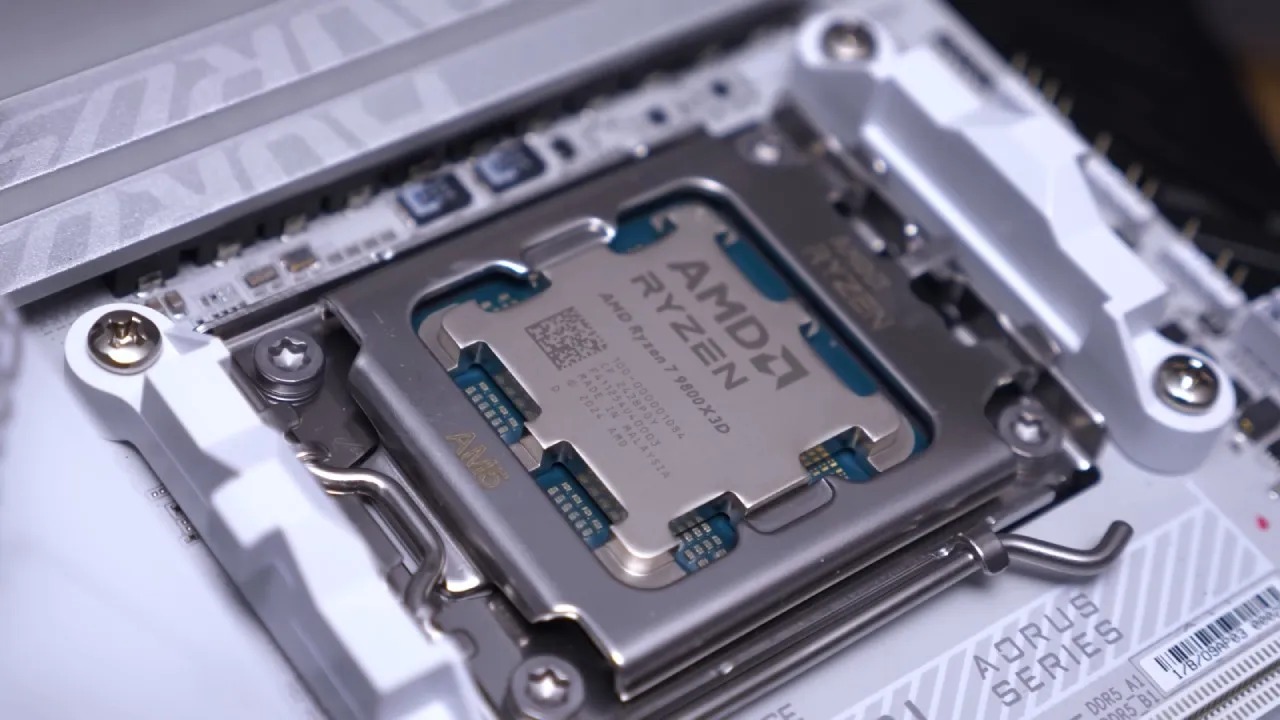
Technically speaking, the 9800X3D is the fastest gaming CPU available, but its 8% average speedup over the 7800X3D is hardly revolutionary. The true difficulty lies in AMD's supply management and pricing.
Given its capability, the 7800X3D was a great deal in mid-2024, selling for as little as $340. However, just months before the 9800X3D launched at $480US, AMD dried up 7800X3D supply, pushing prices from $340US up to at least $450US by release.
This maneuver helped protect the premium pricing of the 9800X3D, despite its limited performance gains.
Now, with the 7800X3D back in strong supply at around $360, it presents outstanding value compared to the 9800X3D, which still demands a 30% higher price. Even in cases where the Zen 5 chip delivers 20% better performance, more often than not, the difference hovers below 10%, making the price premium hard to justify.
Final Thoughts
The Ryzen 7 9800X3D may hold the crown as the fastest gaming CPU, but the generational uplift over the 7800X3D is only around 8% on average. Considering the current pricing landscape, the 7800X3D is by far the better value.
At $340–$360US, it offers near-flagship performance for a significantly lower cost, creating a situation similar to the beloved Ryzen 7 5800X3D.
If you’re looking for the best high-end AM5 gaming CPU value right now, the 7800X3D is the clear choice. While the 9800X3D will likely see discounts in the future, today the smarter purchase is saving money and grabbing the 7800X3D before its availability fades.
Check Our Other AMD articles:
- AMD Ryzen 9 9950X3D Review: Setting The Standard For 2025 Gaming CPU
- AMD Ryzen 7 9800X3D Review: 3D V-Cache Goes God Mode with Stunning Gaming Performance
- AMD RX 9070 Performance Review: Thermals, Clocks, and Real-World FPS
- AMD Ryzen 5 7600 Review: Best Budget Gaming CPU of 2025?
- AMD Radeon RX 7800 XT Review: RDNA 3 Power For Midrange Gaming
- Sapphire NITRO+ AMD Radeon RX 9070 XT Review: The Ultimate 4K Gaming GPU
- AMD Ryzen 7 7800X3D: Delivers Gaming Performance Far Beyond Expectations
- AMD Ryzen 9 7900X Review: Powering the AM5 Era with DDR5 & PCIe 5.0
- ASRock Radeon RX 7800 XT Challenger OC Review: Best Price-to-Performance GPU of 2025
- Intel Core i9‑14900K vs. AMD Ryzen 7 7800X3D: Power Profiles & Gaming Benchmarks
Senior Editor, NoobFeed
Gaming Hardware Updates
No Data.