
DDR5 Price Decline Signals Cheaper PC Builds Ahead With Nova Lake Details Emerging
Upcoming CPU releases and platform changes increase importance of memory affordability for future system upgrades.
Hardware by Nahe Yan on Apr 14, 2026
Memory prices are going down, and many signs indicate that upgrading a system will get cheaper as the year goes on. At the same time, new innovations in processors and memory are changing what people expect from future PC hardware.
Memory prices are finally going down. Several pieces of evidence in this discussion suggest that upgrading a system will become cheaper over time. Some sellers are already giving better prices on DDR5 memory.
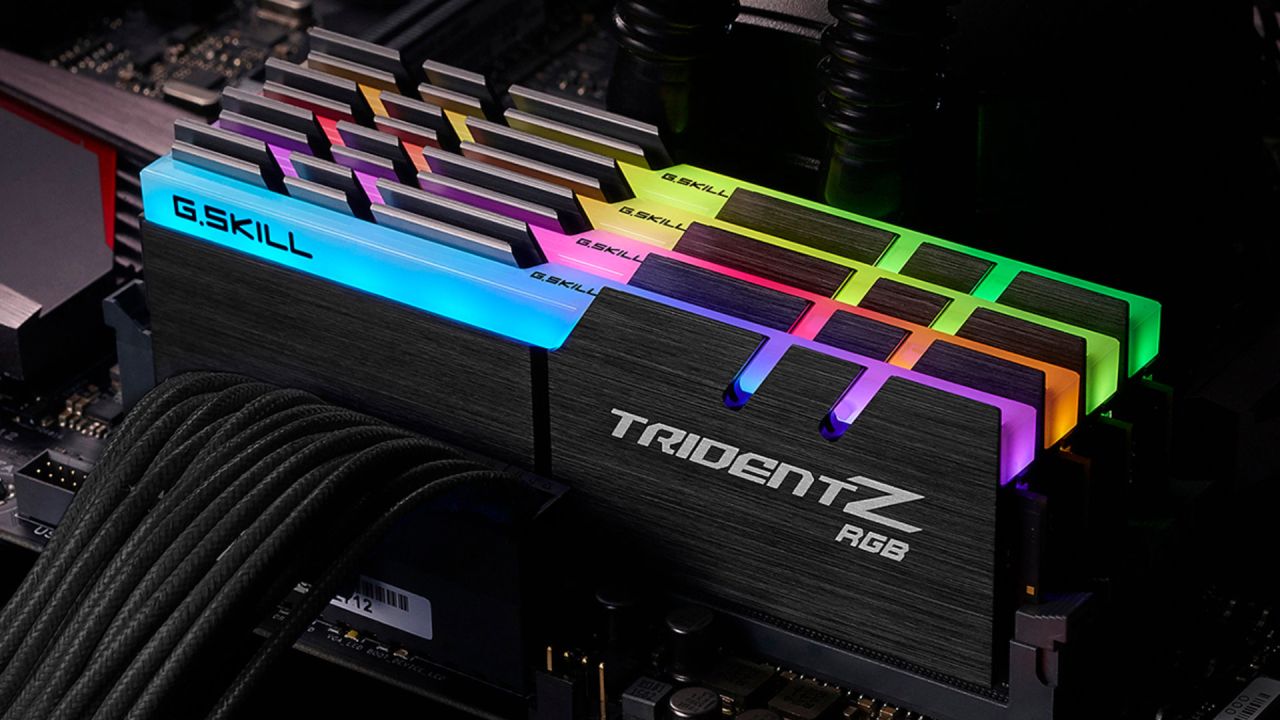
Memory Prices are Going Down
We can see that the pricing trend has decreased over the last few months. A brief review shows that there has been a recent development: a new AI compression method that improves memory efficiency. It reduces memory use by about 6 times and speeds things up without sacrificing output quality. A direct benefit is faster processing without losing quality.
There have also been new reports about the need for a lot of memory. It was thought that a major AI corporation would use up about 40% of the world's memory, though it seems to have been more of an initial plan than a final outcome. This, together with manufacturers producing more NAND and DRAM, puts downward pressure on prices.
Market Signals and Price Changes
Memory hasn't gotten very cheap yet, but prices are clearly going down slowly. Most people don't really need storage space that large, like 128GB, unless they are working on high-end video production.
Some of the prices still seem too high. High-capacity SSDs and DDR5 kits are very expensive, with some configurations costing thousands of dollars. These listings show that the market is not always consistent, even though it is generally going down.
We might also find kits from different brands that are on sale. Prices depend on requirements; there are clear discounts. It's okay to wait if you don't need an update right away, even though there are bargains. If you need a system for work or your hardware breaks, it makes sense to upgrade right away. Otherwise, it may be worth waiting.
Future Outlook and Supply Growth
Manufacturers are producing more goods, boosting supply. Over time, this growth is likely to continue affecting prices.
People still say that demand will stay high and maintain prices high. But the way things are going right now, it looks like supply is finally catching up with demand. Memory prices should keep falling as the year goes on.
This date is essential since a lot of new PC hardware is coming out soon. Both Intel and AMD will use DDR5 memory in their next-generation CPUs. This means that price trends are important for future designs.
Specifications and Platform Information for Nova Lake
It is believed that Nova Lake will support DDR5 speeds up to 8000 MT/s. This spec has been circulating for a while and seems to align with the latest leaks.
The platform is also planned to be compatible with future versions. The same socket may still be used by future generations of processors, so you can upgrade without changing the motherboard. This makes the platform more valuable in the long run.
The power settings differ across product tiers, such as U9, U7, and U5. Even single-tile versions are likely to have characteristics that make them work better.
Competition Between CPUs and what People expect from them
Current predictions suggest that AMD and Intel will approach things differently. AMD is likely to offer higher clock rates with modest IPC gains, whereas Intel may focus on higher IPC at lower clock speeds.
AMD may be better at single-threaded tasks, while Intel may still handle multi-threaded tasks well. Several factors will affect performance, such as how well the architecture works and how well it is implemented.
It is yet unclear how well gaming will work. There is a chance Intel will slip a bit behind in gaming, but it will still do well in productivity apps. Real-world benchmarks will determine the final results.
Changes in Core Count and their Effects on Gaming
One big shift is that the number of cores in standard CPUs is expected to increase. Single-chip designs are moving from 8 cores to more, a 50% increase.
For popular gaming processors, older generations always offered 8-core setups. More cores are needed to keep up with changing software needs and future console technology.
This change should improve the performance of modern games and apps. As newer consoles use more complex architectures, having more cores on a PC will help keep performance benefits.
Final Thoughts
Memory prices are going down because there is more memory available and people's needs and standards are changing. The next generation of PC hardware is being shaped by new CPUs and platform changes at the same time.
It might be wise to wait for prices to drop further, especially since new generations of hardware are coming out soon. But immediate improvements remain valid when needed. The next upgrade cycle will be shaped by dropping memory prices and new processor architectures.
Also, check our other hardware articles:
- AMD Ryzen 9 9950X3D Review: Setting The Standard For 2025 Gaming CPU
- Amazon Luna 2025 Review: Is Prime Gaming's Cloud Service Your Go-To For Casual Fun?
- AMD RX 9070 XT Review: AMD's RDNA 4 Champion for 1440p Gaming
- GeForce Now Ultimate: Ditching Your Gaming PC For Cloud RTX 4080 Power?
- NVIDIA GeForce RTX 5080 Review (2025): Still A 4K Gaming Powerhouse?
- Intel Core Ultra 9 285K Review And Performance Breakdown (2025)
- AMD Ryzen 7 9800X3D Review: 3D V-Cache Goes God Mode with Stunning Gaming Performance
- Intel Core Ultra 9 285K vs AMD Ryzen 7 9800X3D: In-Depth Gaming Performance and Benchmark Comparison
- NVIDIA GeForce RTX 5080 Super Performance In Cyberpunk 2077: Path Tracing & DLSS 4.0 Tested
- AMD Radeon RX 9070 XT In Cyberpunk 2077: Ray Tracing & FSR 4.0 Tested
- Intel Arc B580 Review: The $250 GPU Revolutionizing 1440p Gaming
- Intel Arc B570 Vs. B580: Value, Specs, And Real-World Gaming Performance
- RTX 5090 Laptop Vs. M4 Max MacBook Pro: Ultimate Raw Performance Vs. Battery Endurance
- Intel Arc b580 Vs. RTX 4060: Game Performance And Value Analysis
- RTX5090 Hell Is Us Demo 4K Ultra Benchmark: DLSS Vs. Native Performance Guide
- NVIDIA RTX 5070 Review: Mid-Range Muscle or Marketing Hype?
- Nintendo Switch 2 Review: Handheld Performance, Features & Value Breakdown
- RTX 5070 Ti Review: Performance, Thermals & Power Efficiency Tested
- Samsung Odyssey OLED G81SF Review 2025: Ultimate 32-Inch QD-OLED Gaming Monitor
- AMD RX 9070 Performance Review: Thermals, Clocks, and Real-World FPS
- AMD Ryzen 5 7600 Review: Best Budget Gaming CPU of 2025?
- AMD Radeon RX 7800 XT Review: RDNA 3 Power For Midrange Gaming
- Asus ROG RTX 5090 Astral OC Vs. Founders Edition: The 4K Gaming Benchmark
Editor, NoobFeed
Gaming Hardware Updates
No Data.