
DDR5 RAM Shortages Intensify as OpenAI and AI Firms Buy Up Retail Memory Kits
High-capacity 64GB and larger gaming DDR5 memory kits targeted despite traditionally using ECC modules for AI workloads.
Hardware by Tanisha Aria on Dec 06, 2025
More and more stories say that OpenAI and the current memory supply chain are involved in a strange and growingly worrying situation.
Several suppliers, store workers, and industry professionals say that OpenAI representatives have been visiting physical stores across the US to buy large quantities of DDR5 RAM kits.
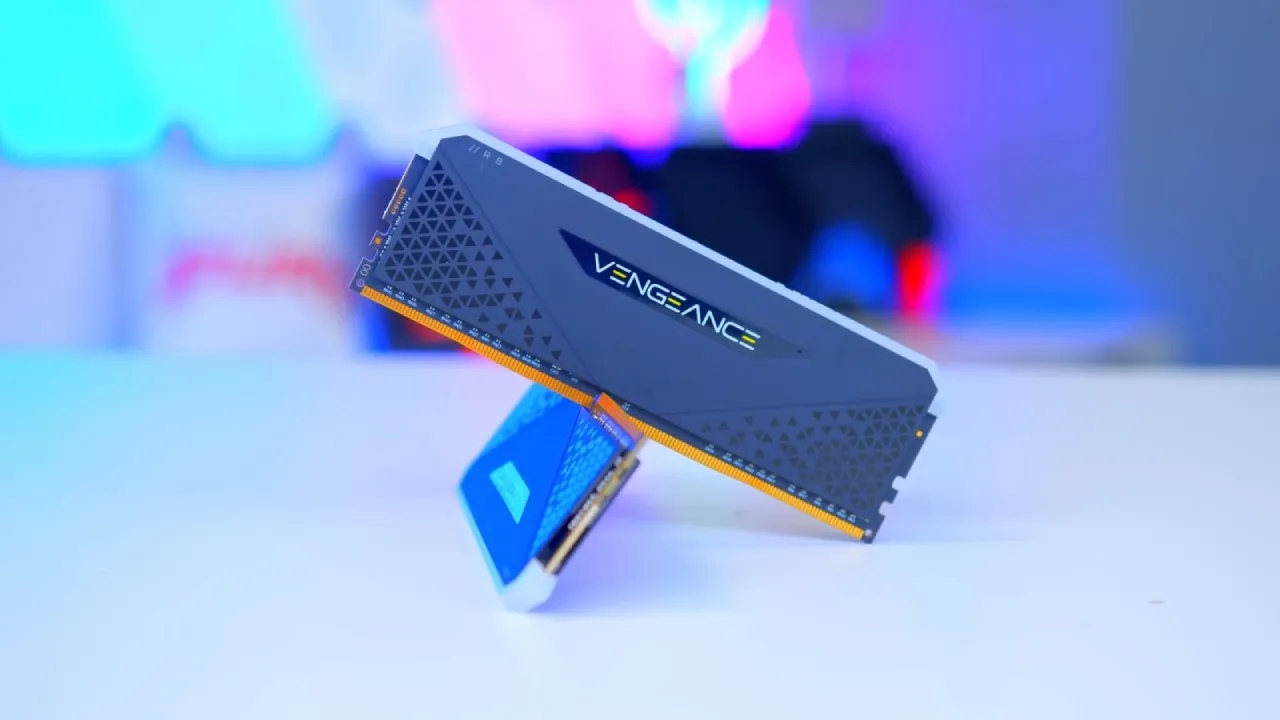
The reports discuss behavior that isn't typical in corporate procurement. This makes me wonder about supply shortages, price spikes, and the effect on the market.
Early Reports From RAM Supplier Contacts
The first information comes from a major RAM supplier, which was concerned after seeing recent coverage of OpenAI. Someone who works for OpenAI says workers have been seen at several stores trying to buy as many RAM kits as possible this month.
During calls, several buyers from big stores confirmed these stories, showing that the same thing was happening in more than one place.
The details were already strange when we looked at the first set of quotes, but they became even more important when we checked with another source. This second contact, who works at a large US store, mentioned an in-person meeting where several people asked to speak directly with the store manager.
They asked if they could buy all DDR5 kits with more than a certain amount of space. People who worked there asked the boss who the group was before they let a few kits go on sale. The answer was that they worked for an "enterprise LLM company," but it wasn't made clear what that meant.
Multiple Confirmations Across Retail and Manufacturing
The stories were given even more weight by follow-up phone calls over the weekend. At least six people who work in DRAM production and retail said this was definitely happening.
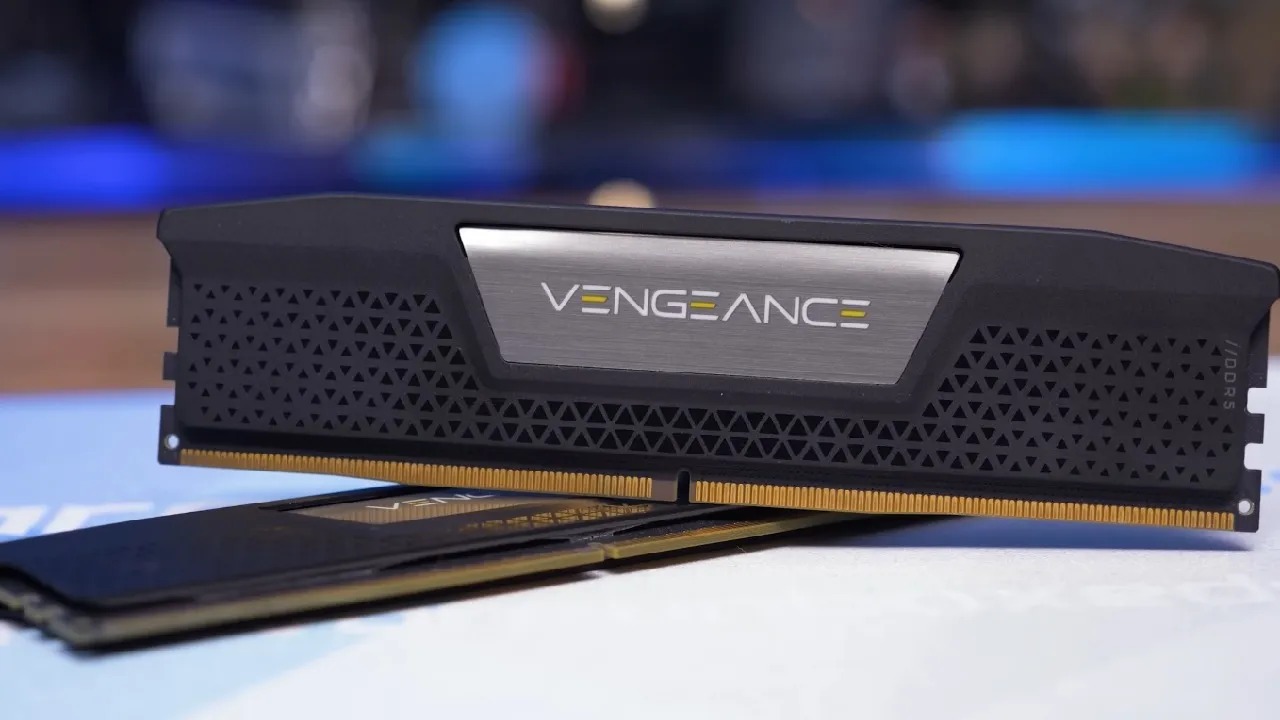
Best Buy and MicroCenter were named as places where these people were trying to buy in bulk. It looks like the focus is on 64GB or larger kits, usually two 32GB sets that are used to build high-end PCs or workstations.
Both the amount of space being sought and the type of memory are what stand out the most. Instead of buying ECC memory, which is usually used in servers for AI training, these people are buying DDR5 gaming kits. This raises several options we have had to consider.
Multiple Confirmations Across Retail and Manufacturing
When we looked more closely at why many non-ECC gaming units were gathered, a few reasons became clear. First, the plan might be to buy everything available, including PC and laptop memory and any high-capacity kits, because it's better to be safe than sorry. I
f a company thinks it will need the units in the next two years, it might be smart to buy them now rather than wait until there aren't enough.
Second, they might have ECC controllers but not enough ECC-rated modules. This could mean they plan to take the kits apart, salvage the memory chips, and use them differently through their own production line or a partner's line.
Since there are already rumors that factories are being set up to handle wafers that haven't been diced, the idea that these units could be taken apart to find their parts seems more likely.
Third, and this may be the most worrying thing, the pattern says that one of the goals might be to keep the rest of the market from getting RAM.
The size of the rumored buyouts, along with the fact that OpenAI already has about 40% of the world's DRAM manufacturing capacity locked up, suggests that supply will be severely limited in the near future.
Regional Sightings and Plausible Overlap With Other AI Companies
Some sources said OpenAI's name was addressed directly, while others said the people refused to say who their employer was. Different places were named; some sources were based in both the northeast and southeast of the US.
Given that OpenAI is based in California, these reports in different areas could mean either a large-scale coordinated effort or the chance that other AI companies are also taking part. Suppose more than one AI company is acting similarly. In that case, stores may see a larger feeding frenzy driven by RAM shortages across the industry.
When we think about whether this kind of behavior would have a real effect on enterprise-scale supply, the reasoning seems strange at first. Compared to what is made, the amount that is sold in stores is very small.
But if companies need RAM urgently because of long lead times, any available stock could become valuable, no matter how small. A situation could be occurring in which businesses are rushing to protect every module they can reach through any route.
Severe RAM Shortages and Extreme Lead Times
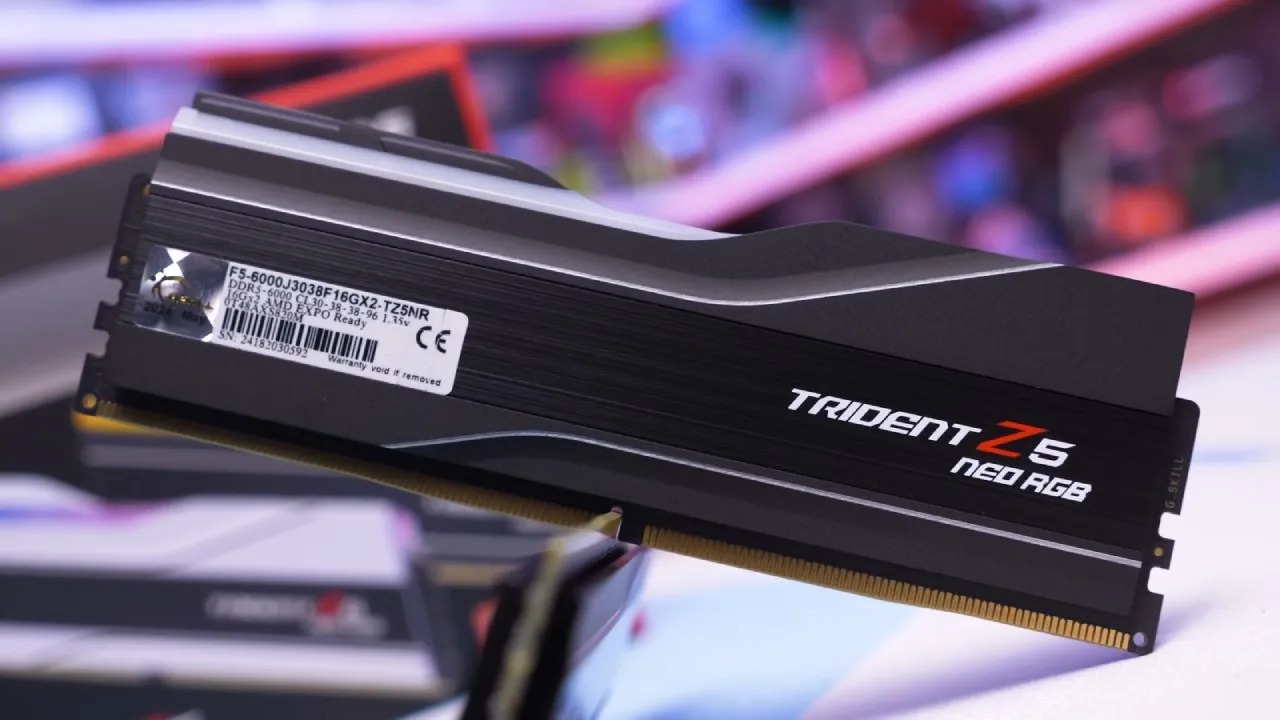
Some companies are now being told that they have to wait 13 months before they can get new RAM from their providers. This is more proof of the stress. One store said that a big DRAM brand, like Corsair or GSkill, tried to buy back its own retail RAM to keep a promise it couldn't keep.
This means manufacturers are now competing with businesses and customers at the retail level, something that has never happened before.
When you add the fact that OpenAI and maybe other AI companies are snatching up DDR5 kits, the supply shock is even more immediate. Prices have already been going up, and if these stories are true, the short-term situation may be more volatile than the component surge in 2021.
Expected Duration and Market Impact
The RAM problem doesn't look like it will be fixed soon, at least not yet. The supply chain might not improve for at least 6 months, unless there are no more shocks or major changes to how things are made.
We can hope that the problem is only short-term, but based on what we know now, high demand from AI companies will likely keep putting pressure on prices, availability, and business procurement methods.
Many users may not need upgrades right away. Still, those planning new builds or additions should be aware that prices may rise or shortages may persist in the coming months.
Final Thoughts
In the last part, JLCPCB is credited as the sponsor of the work that looks into these changes. JLCPCB is a one-stop production service that does 3D printing, CNC machining, PCB fabrication, and SMT assembly.
Their quality control and automated production lines enable them to produce prototypes and full-scale products quickly, often delivering them in as little as 24 hours.
By clicking the links and supporting them, you are directly helping the person writing about these industry leaks and investigations. This lets them write more in-depth stories about things like the ongoing RAM supply problems.
Also, check our other hardware articles:
- AMD Ryzen 9 9950X3D Review: Setting The Standard For 2025 Gaming CPU
- Amazon Luna 2025 Review: Is Prime Gaming's Cloud Service Your Go-To For Casual Fun?
- AMD RX 9070 XT Review: AMD's RDNA 4 Champion for 1440p Gaming
- GeForce Now Ultimate: Ditching Your Gaming PC For Cloud RTX 4080 Power?
- NVIDIA GeForce RTX 5080 Review (2025): Still A 4K Gaming Powerhouse?
- Intel Core Ultra 9 285K Review And Performance Breakdown (2025)
- AMD Ryzen 7 9800X3D Review: 3D V-Cache Goes God Mode with Stunning Gaming Performance
- Intel Core Ultra 9 285K vs AMD Ryzen 7 9800X3D: In-Depth Gaming Performance and Benchmark Comparison
- NVIDIA GeForce RTX 5080 Super Performance In Cyberpunk 2077: Path Tracing & DLSS 4.0 Tested
- AMD Radeon RX 9070 XT In Cyberpunk 2077: Ray Tracing & FSR 4.0 Tested
- Intel Arc B580 Review: The $250 GPU Revolutionizing 1440p Gaming
- Intel Arc B570 Vs. B580: Value, Specs, And Real-World Gaming Performance
- RTX 5090 Laptop Vs. M4 Max MacBook Pro: Ultimate Raw Performance Vs. Battery Endurance
- Intel Arc b580 Vs. RTX 4060: Game Performance And Value Analysis
- RTX5090 Hell Is Us Demo 4K Ultra Benchmark: DLSS Vs. Native Performance Guide
- NVIDIA RTX 5070 Review: Mid-Range Muscle or Marketing Hype?
- Nintendo Switch 2 Review: Handheld Performance, Features & Value Breakdown
- RTX 5070 Ti Review: Performance, Thermals & Power Efficiency Tested
- Samsung Odyssey OLED G81SF Review 2025: Ultimate 32-Inch QD-OLED Gaming Monitor
- AMD RX 9070 Performance Review: Thermals, Clocks, and Real-World FPS
- AMD Ryzen 5 7600 Review: Best Budget Gaming CPU of 2025?
- AMD Radeon RX 7800 XT Review: RDNA 3 Power For Midrange Gaming
- Asus ROG RTX 5090 Astral OC Vs. Founders Edition: The 4K Gaming Benchmark
- Intel Core i5-13400F Gaming Performance: Still Worth It in 2025?
- ASUS GeForce RTX 5090 LC Liquid Cooled GPU Review: Unmatched Silence & Speed
- ASUS ROG Ally X Handheld Review: Double the Battery, Double the Comfort
- Lenovo Legion Go S Review: The Ultimate Steam Deck 2 Alternative
- Sapphire NITRO+ AMD Radeon RX 9070 XT Review: The Ultimate 4K Gaming GPU
- Alienware 16 Area 51 Review: The Ultimate 2025 Gaming Laptop
- Alienware Area-51 Review: Unmatched 4K, Thermal, and Acoustic Performance
- AMD Ryzen 7 7800X3D: Delivers Gaming Performance Far Beyond Expectations
- AMD Ryzen 9 7900X Review: Powering the AM5 Era with DDR5 & PCIe 5.0
- Intel Core i9‑14900K vs. AMD Ryzen 7 7800X3D: Power Profiles & Gaming Benchmarks
- Intel Core i9 14900K: Specs, Benchmarks, and Competitor Comparison
- ASRock Radeon RX 7800 XT Challenger OC Review: Best Price-to-Performance GPU of 2025
Contributor, NoobFeed
Gaming Hardware Updates
No Data.