
Future of Machine Learning in Gaming Hardware: Neural Arrays and Radiance Cores
Collaboration between major hardware partners shapes long-term console strategies while balancing rasterization, ray tracing, and emerging machine learning innovations.
Hardware by Tanvir Kabbo on Dec 02, 2025
The main topics of the conversation are changing console hardware strategies, how big tech companies collaborate, and how shifting development timelines shape the direction of next-generation consoles.
Industry conversations have shown how important it is to strike a balance among rasterization, ray tracing, machine learning, and long-term hardware design. In addition, developers face increasingly long production cycles, reshaping expectations for console generations.
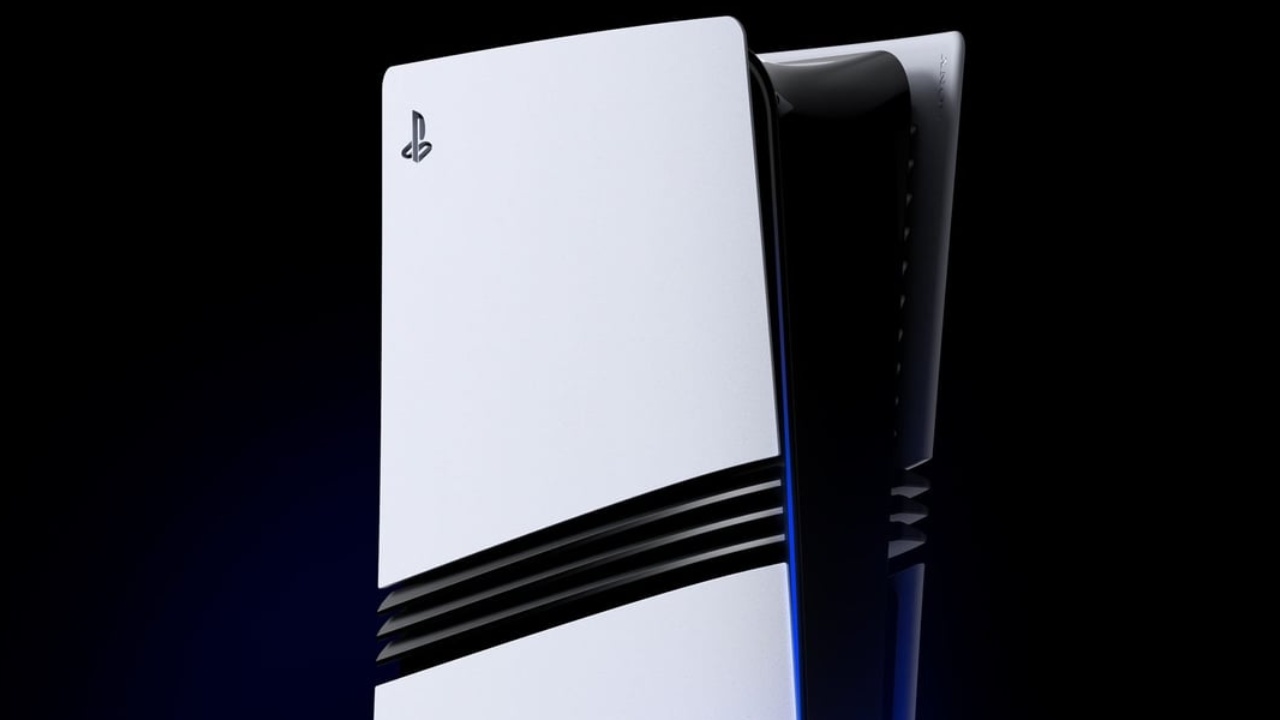
Broader Direction of Hardware and Collaboration
We address a supporter's question about terminology for “radiance cores,” "universal compressions," and hardware acceleration for DGF, and whether these represent conflicting design philosophies. We clarify that these are not about-face decisions but part of a broader direction that balances traditional rasterization with growing demands in ray tracing and machine learning.
We note the fascination surrounding the collaboration between Sony and AMD, which spans multiple years. AMD gets important advice from Sony, which has been missing for a while. Sony helps with both hardware design and software and idea work. At the same time, Sony gains by getting in on the ground floor of future hardware designs instead of just taking over AMD's existing plans.
Mark Cerny has said before that AMD might bring some of this technology to the PC market very fast, perhaps through RDNA5. However, PlayStation's version will take years to come out. That distinction makes the timing on different platforms more fascinating.
Considering Console Cycles and the Handheld Factor
We explore whether "a few years" could imply a 2029 release—an unusually long 9-year cycle—though an 8-year window seems more plausible depending on interpretation. This raises questions about where Sony's rumored handheld fits within the timeline.
We consider a handheld release in the near future, potentially supporting PS5-class software and extending the generation. We also want to point out a fundamental problem across the industry: software development is now the bottleneck, not hardware. Even though the PS5 is already a few years old, big first-party studios like Naughty Dog are still years away from producing new games. Long development timeframes change the way generations move through time.
This reality suggests that a longer PS6 timeline—2028, 2029, or even 2030—could be a practical outcome, even if it seems longer than historical cycles.
Hardware Simulation, Timelines, and Studio Output Issues
We use information from leaker Kepler_L2, who says that PS6 is currently aiming for 2027 but could be delayed. Right now, hardware exists only in simulation. A0 silicon tapeout, followed by A1 iterations and early dev kits, puts 2027 as the earliest probable date, with 2028 also being a possibility.
We reflect on how unusual it is that PS5 may see only one major Naughty Dog title, compared to their prolific output on PS3 and PS4. Broader issues—such as years spent on games-as-a-service ambitions that eventually collapsed—explain why studios like Naughty Dog and Bend Studio have yet to deliver new-generation output.
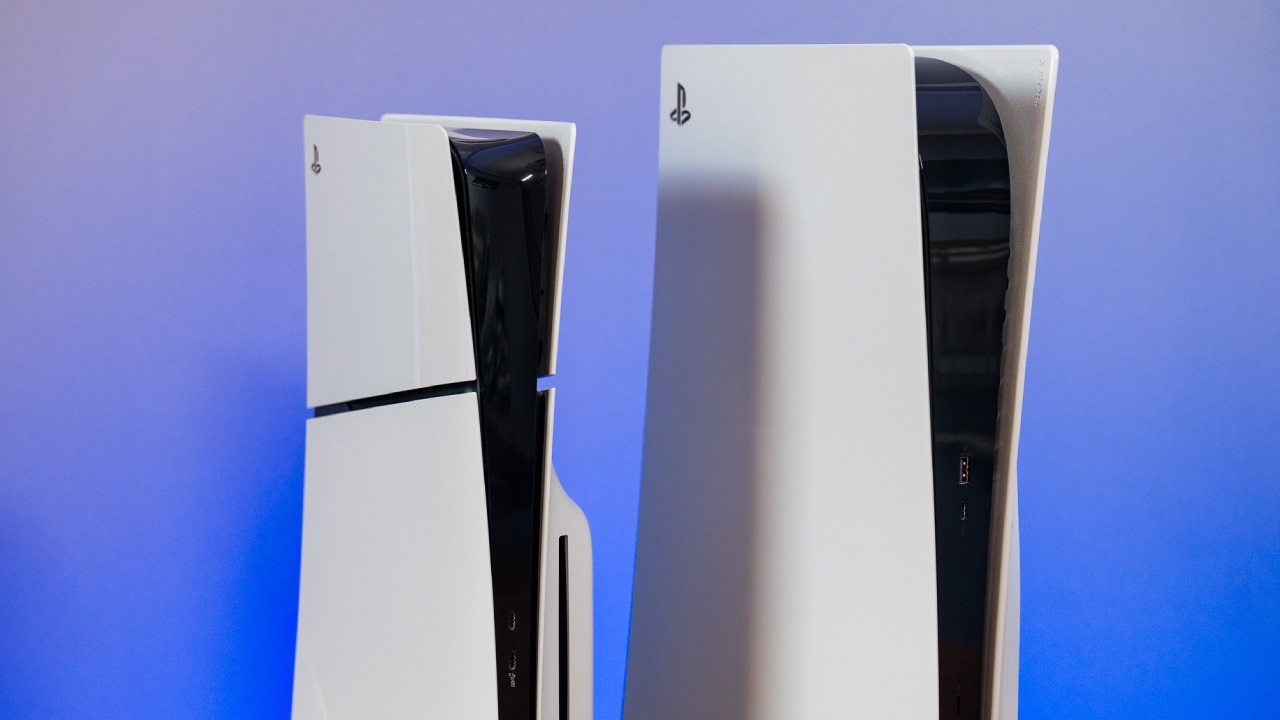
Neural Arrays vs. Tensor Cores: Functional Differences
Another supporter asks what neural arrays offer that dedicated tensor cores do not. We clarify that neural arrays pertain to computing units designed for machine learning tasks, rather than functioning as independent tensor cores.
AMD frequently focuses on using silicon more efficiently in small spaces, whereas Nvidia focuses more on dedicated hardware. These different ways of thinking affect how ML acceleration will be added to future GPUs.
PS6 Technology and the Fate of PS5 Pro
We address whether discussions of PS6 technology signal that PS5 Pro has been abandoned. We reassure that PS6 advancements are years away, and PS5 titles receiving significant development effort will still receive corresponding engineering enhancements for PS5 Pro.
We want to make it clear that the PS5 Pro is the same kind of system as the PS4 Pro: one that improves performance. The PS5 Pro's features remain useful thanks to next-generation PSSR based on FSR 4 and neural network advancements. Ongoing research will lead to long-term innovation.
Also, check our other PS5 Pro articles:
- PS5 Pro vs. PS5 Slim: Frame‑Rate, Graphics & Performance
- PS5 Pro vs. Radeon RX 9060 XT vs RTX 5060 Ti: Ultimate $700 Gaming Showdown
- ASUS ROG Ally PS5 Remote Play | How to do Remote play on PS5 Using Sony's Official Remote Play App
- Stream PS5 Games on Steam Deck OLED: Step-by-Step Installation and Configuration
- AI Upscaling on PS5 Pro: Can PSSR Finally Match DLSS?
- PS5 Pro vs. PS5 Slim vs. PS5 — Design, Storage, Specs, and Gaming
- PS5 Pro vs. Xbox Series X: Specs, Price, Storage, Customization, and Gaming
- PS5 Pro vs. PC Gaming: Comparison of Graphics, Frame Rates, and Price
Senior Editor, NoobFeed
Gaming Hardware Updates
No Data.