
AMD Radeon RX 9070 XT vs. NVIDIA RTX 5080 in Battlefield 6: CPU Overhead and FPS tested
Battlefield 6 performance margins vary across different maps, with certain environments favoring Radeon GPUs over GeForce counterparts.
Hardware by Tanvir Kabbo on Aug 19, 2025
The Battlefield 6 open beta weekend has brought fresh opportunities for performance benchmarking, particularly regarding the GeForce GPU overhead issue. Given Battlefield 6’s CPU-demanding nature, this was worth investigating.
For accuracy, two identical test systems were used simultaneously in the same match, ensuring both hardware configurations were measured under similar conditions.

Test Configuration and Setup
Rather than comparing RX 9070 XT with RTX 5070 Ti, RTX 5080 was selected to stack the deck in Nvidia’s favor. The reasoning was simple: providing more GeForce firepower would better highlight the overhead issue, as RTX 5080 should naturally be faster than RX 9070 XT.
Both setups were run on Ryzen 5 7600 processors, with results tested across low and ultra presets at varying resolutions.
RX 9070 XT vs. RTX 5080 at 1080p Low
At 1080p low settings, RX 9070 XT turned out 5–10% faster than RTX 5080, even though the latter should realistically be at least 10% ahead. The issue lies in Ryzen 5 7600 experiencing more overhead when paired with a GeForce GPU, resulting in lowered overall performance.
GPU usage provides more reliable insight here, as CPU usage alone can be misleading due to bandwidth limitations, SMT inefficiencies, or core utilization gaps.
Ultimately, although normally tiny margins of about 5%, which in some cases peaked at 10%, RX 9070 XT edged ahead due to RTX 5080's overhead.
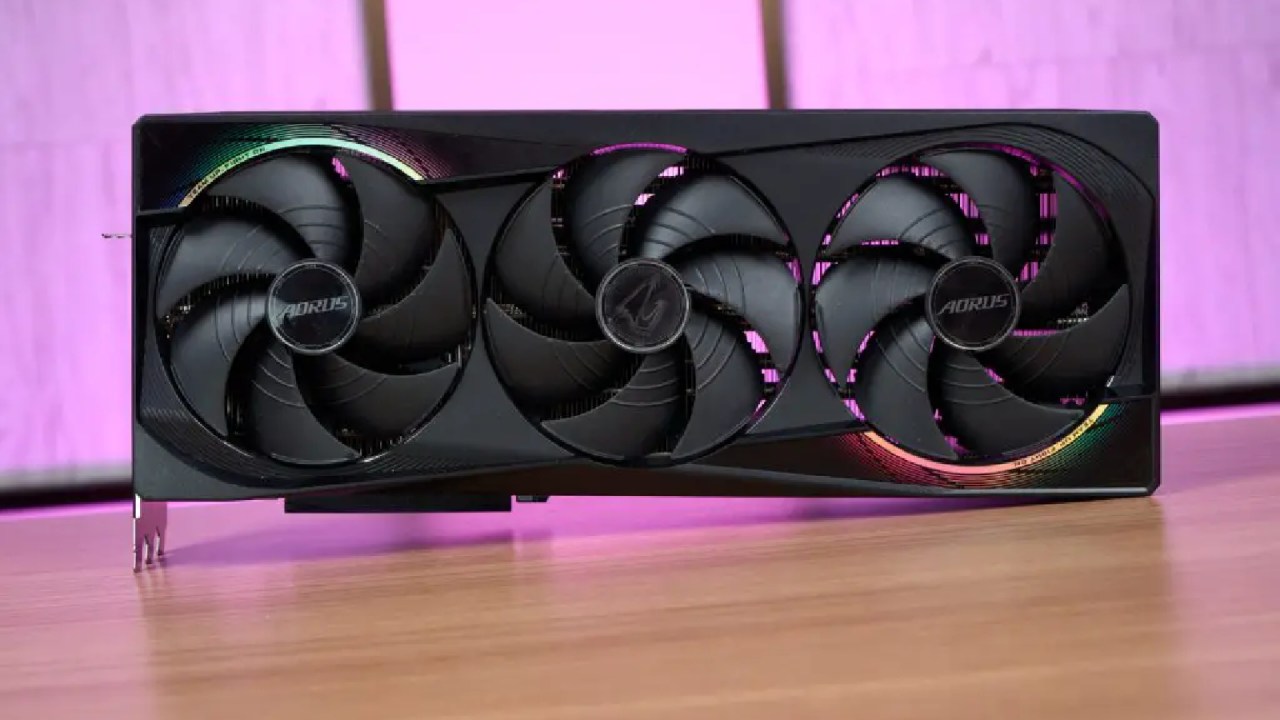
RTX 5080 vs. RX 9070 XT at 1080p Ultra
Similar patterns were observed when switching to the extreme preset at 1080p. Contrary to the notion that low settings are ideal for CPU testing, Battlefield 6 gets even more CPU demanding at higher grade presets. Once again, RX 9070 XT was about 10% faster, with moments showing up to a 15% lead.
While 1% lows remained close, frame rate dips occurred more often with RTX 5080 due to its CPU overhead.
RX 9070 XT vs. RTX 5080 at 1440p
At 1440p low, RX 9070 XT maintained its advantage with almost 10% higher average performance and over 10% better 1% lows. This testing was done on the Empire State map, which proved to be more CPU demanding than the Siege of Cairo used at 1080p.
Moving to the 1440p ultra preset changed things.
RX 9070 XT became fully GPU limited, while RTX 5080 still had some headroom. Both GPUs delivered nearly identical results, with RTX 5080 even edging ahead by around 2%.
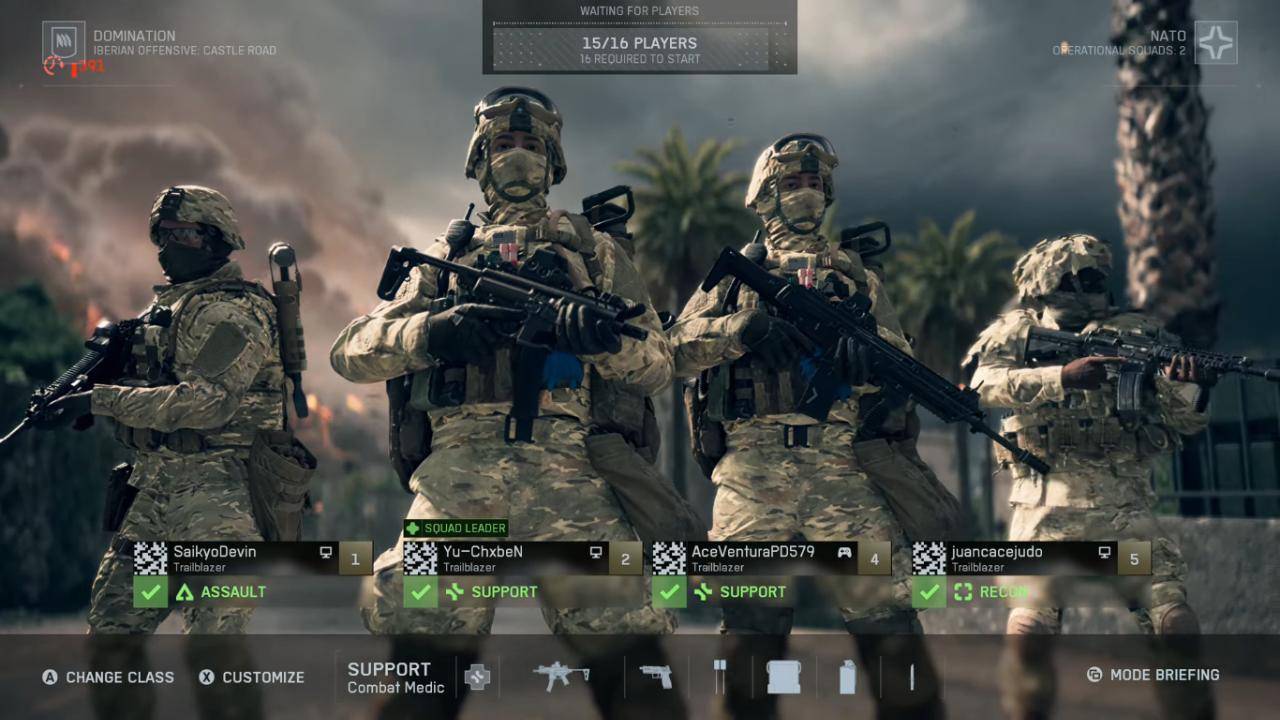
RX 9070 XT vs. RTX 5080 at 4K
At 4K low settings, CPU overhead was no longer a factor, and the game became GPU bound. Both GPUs ran close to 96% utilization, with RTX 5080 ending up only 5% faster than RX 9070 XT.
Switching to 4K ultra, RTX 5080 widened its lead to about 12%. Considering earlier review data had it 16% faster on average, the margin was narrower than expected. This aligns with recent Radeon driver optimizations, improving RX 9070 XT’s performance at 4K by about 4%.
Testing with Ryzen 9 9800X3D
We also tested both GPUs on Ryzen 9 9800X3D systems at 4K ultra. On the Empire State map, RTX 5080 was only 8% faster, though switching to Liberation Peak widened the margin to 16%.
Interestingly, Radeon GPUs performed much closer to GeForce GPUs on busier city maps, suggesting environment complexity has a notable impact.
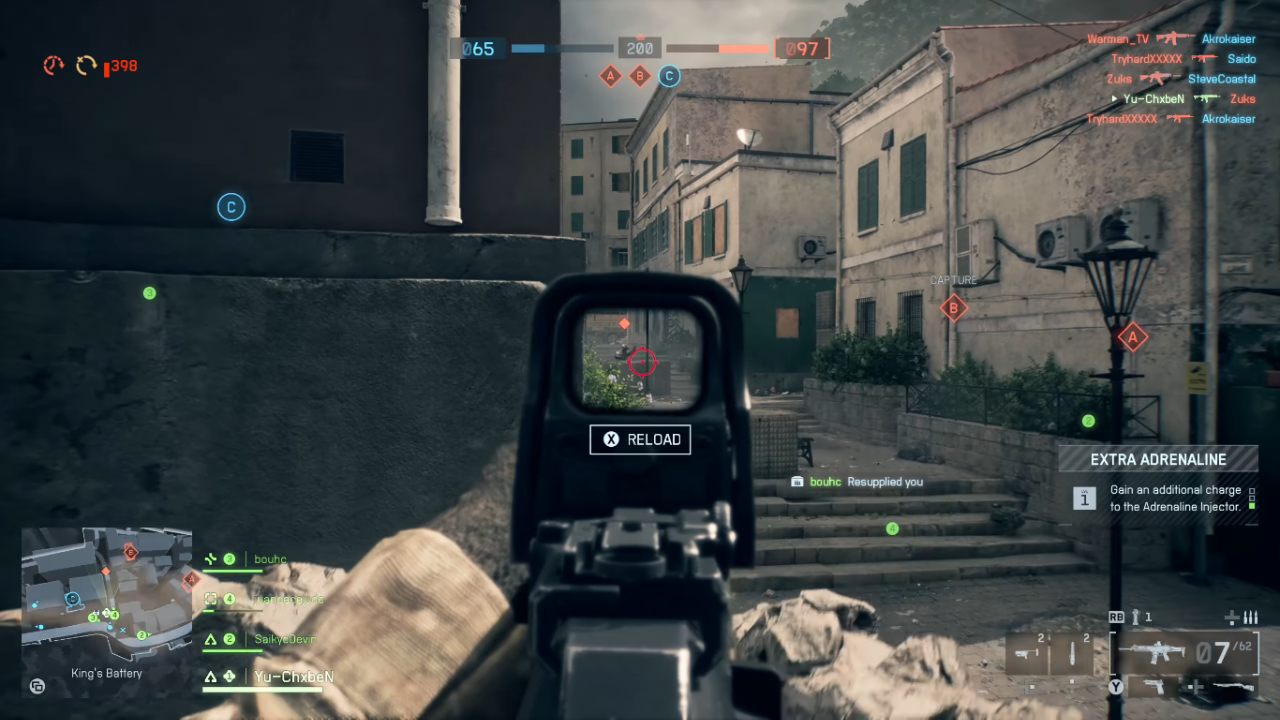
RX 9070 XT vs. RTX 5080 on Ryzen 5 5600
Using Ryzen 5 5600 CPUs with DDR5 3600 CL16 memory, RX 9070 XT continued to outperform. At 1080p low across Empire State, Siege of Cairo, and Liberation Peak maps, the Radeon card consistently held a 7–9% advantage.
At 1080p ultra, RX 9070 XT also maintained a 9% lead, though RTX 5080 achieved slightly stronger 1% lows.
RX 9060 XT vs. RTX 5060 Ti Testing
Mainstream GPUs were also tested using Ryzen 5 5600. At 1080p low, RX 9060 XT was 8% faster than RTX 5060 Ti, with noticeably better GPU utilization. At 1080p ultra, the Radeon card maintained a 10% lead.
At 1440p ultra, however, RTX 5060 Ti pulled ahead by 6%, as the test became more GPU limited. Still, performance dropped below 100fps, and anyone targeting high refresh rate gameplay would benefit from Radeon GPUs due to lower overhead.
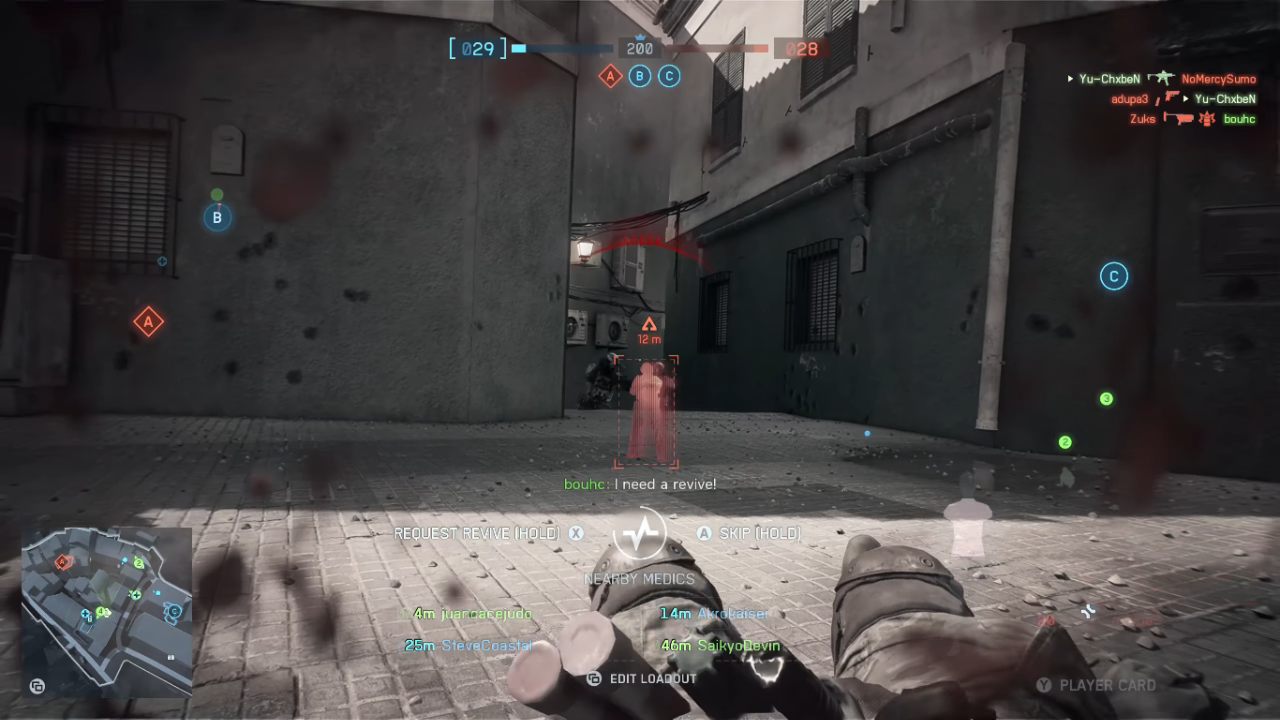
Final Thoughts
The GeForce GPU overhead issue isn’t catastrophic in Battlefield 6, unlike in some other titles where performance can fall by 20–30%. The worst case observed here was closer to 10%. Even so, this does make Radeon GPUs like RX 9070 XT and RX 9060 XT appealing, particularly for players seeking the highest possible framerates on CPU-limited maps.
It’s also clear that results vary depending on the map. On Liberation Peak, GeForce GPUs tended to perform better, while Siege of Cairo and Empire State favored Radeon GPUs when CPUs were stressed.
Ultimately, the RX 9070 XT isn’t much slower than the RTX 5080 in Battlefield 6 and offers excellent frame time consistency. Both GPUs proved smooth and reliable in extended gameplay without noticeable hitches.
Check Our Other AMD articles:
- AMD Ryzen 9 9950X3D Review: Setting The Standard For 2025 Gaming CPU
- AMD RX 9070 Performance Review: Thermals, Clocks, and Real-World FPS
- AMD Ryzen 5 7600 Review: Best Budget Gaming CPU of 2025?
- AMD Radeon RX 7800 XT Review: RDNA 3 Power For Midrange Gaming
- Sapphire NITRO+ AMD Radeon RX 9070 XT Review: The Ultimate 4K Gaming GPU
- AMD Ryzen 7 7800X3D: Delivers Gaming Performance Far Beyond Expectations
- AMD Ryzen 9 7900X Review: Powering the AM5 Era with DDR5 & PCIe 5.0
- Intel Core i9‑14900K vs. AMD Ryzen 7 7800X3D: Power Profiles & Gaming Benchmarks
Senior Editor, NoobFeed
Gaming Hardware Updates
No Data.