
NVIDIA RTX 5060 Ti 8 GB vs. Arc B580: Future-Proofing Your Mid-Range GPU Choice
Understand system requirements and PCIe generation impacts on RTX 5060 Ti and Arc B580 benchmarks
Hardware by Tanvir Kabbo on Aug 02, 2025
At launch, Nvidia introduced GeForce RTX 5060 Ti in two variants: an 8GB model priced at $380 US and a 16GB model at $430 US. While the 16GB variant delivers solid performance in today’s market at MSRP, the 8GB version proves to be a heavily compromised product that will age poorly.
We explored why 8 GB RTX 5060 Ti is inadequate for modern gaming, compared it to Intel’s Arc B580, and offer guidance on which GPU makes sense for your build.
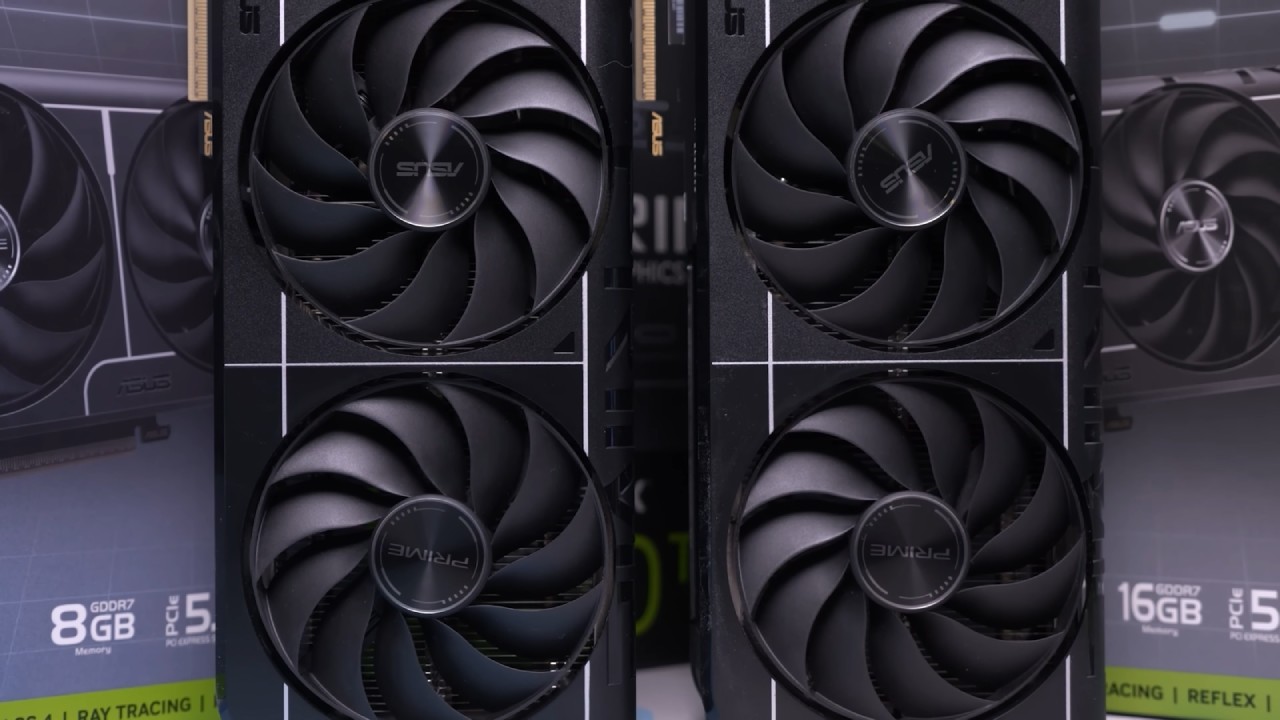
Nvidia GeForce RTX 5060 Ti: 8 GB vs 16 GB
We found the 16GB model to be quite good in the current market. If you can purchase one at $430 US MSRP, you’ll experience strong performance across a wide range of titles. However, if you opt for the 8GB variant at $380 US MSRP, you’re in for a heavily compromised product.
You can play any game with the right quality settings, but those settings won’t be what you expect from a $400-class GPU. In our view, 8GB simply isn’t enough VRAM in 2025 and shouldn’t be paired with a GPU priced over $200 US.
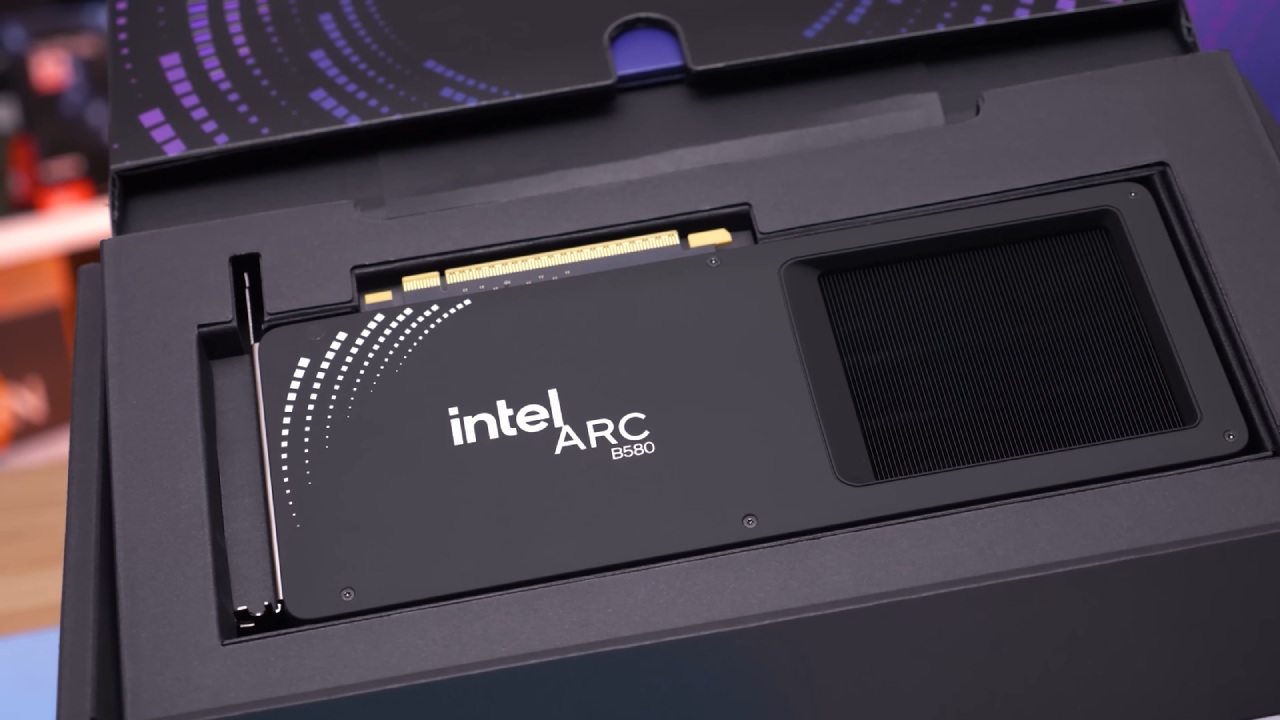
Compared to Intel Arc B580
Many readers asked how RTX 5060 Ti 8GB stacks up against Intel’s Arc B580, which claimed to bring 12 GB of VRAM to the mainstream for $250 US. In reality, B580 cards are selling closer to $330 US—32% above MSRP—making them a tough recommendation even alongside 8GB RTX 5060 Ti, which itself is often 35% above MSRP.
Keep in mind that, outside of VRAM-limited scenarios, the GeForce GPU is on average about 40% faster than the Arc B580. If you’re spending less than $400 US, B580 remains the only alternative, but our recommendation is to wait for the upcoming Radeon RX 9600 series.
Test System Specifications
All testing was conducted on a PCIe 5.0–enabled AM5 platform powered by a Ryzen 7 9800X3D CPU and 32 GB DDR5-6000 CL30 memory. This represents a best-case scenario for RTX 5060 Ti’s VRAM buffer; results on PCIe 4.0 or PCIe 3.0 systems will be worse, and we plan to explore those configurations soon.
For upscaling data, we used DLSS on Nvidia and FSR on Intel, since XESS utilizes a lower render resolution, making it less of an apples-to-apples comparison.
Performance in VRAM-Limited Scenarios
In The Last of Us Part II at 4K with very high upscaling, performance on both GPUs was poor, with regular frame time spikes suggesting that you really want 16 GB of VRAM under these conditions. Surprisingly, the B580 fared slightly better than the RTX 5060 Ti 8 GB, though neither offered an ideal experience.
Dropping to 1440p with very high upscaling, the B580 averaged 82 FPS with 1% lows of 68 FPS and no frame time issues, whereas an 8GB GeForce card suffered from spikes and delivered performance about 60% slower. Even on the high preset at 1440p, average frame rates were similar, but B580 maintained an edge in 1% lows while RTX was 18% faster on average.
At medium settings, the GeForce card remained strapped by its 8 GB buffer, managing only a 28% average lead and 16% in 1% lows over B580. Finally, at native 1080p, very high, B580 outpaced RTX by 12% on average and a staggering 540% in 1% lows, providing smooth play while 8 GB RTX suffered stutter.
Additional Game Benchmarks
In Final Fantasy 16 at 1080p Ultra, RTX 5060 Ti 8 GB held a 17% average lead, although B580 showed clear strain. Moving to 1440p native Ultra, RTX broke under VRAM demands, letting the B580 shine at just 37 FPS average. When upscaling at 1440p Ultra, however, the B580 delivered around 60 FPS—46% ahead of an 8GB GeForce card.
Indiana Jones and the Great Circle at 1080p medium saw the RTX 5060 Ti 8 GB crush B580 by 46% on average and 60% in 1% lows, yet when we increased to 1440p medium, the GeForce card hit its VRAM limit and trailed by 12%, with the Arc GPU delivering just under 60 FPS.
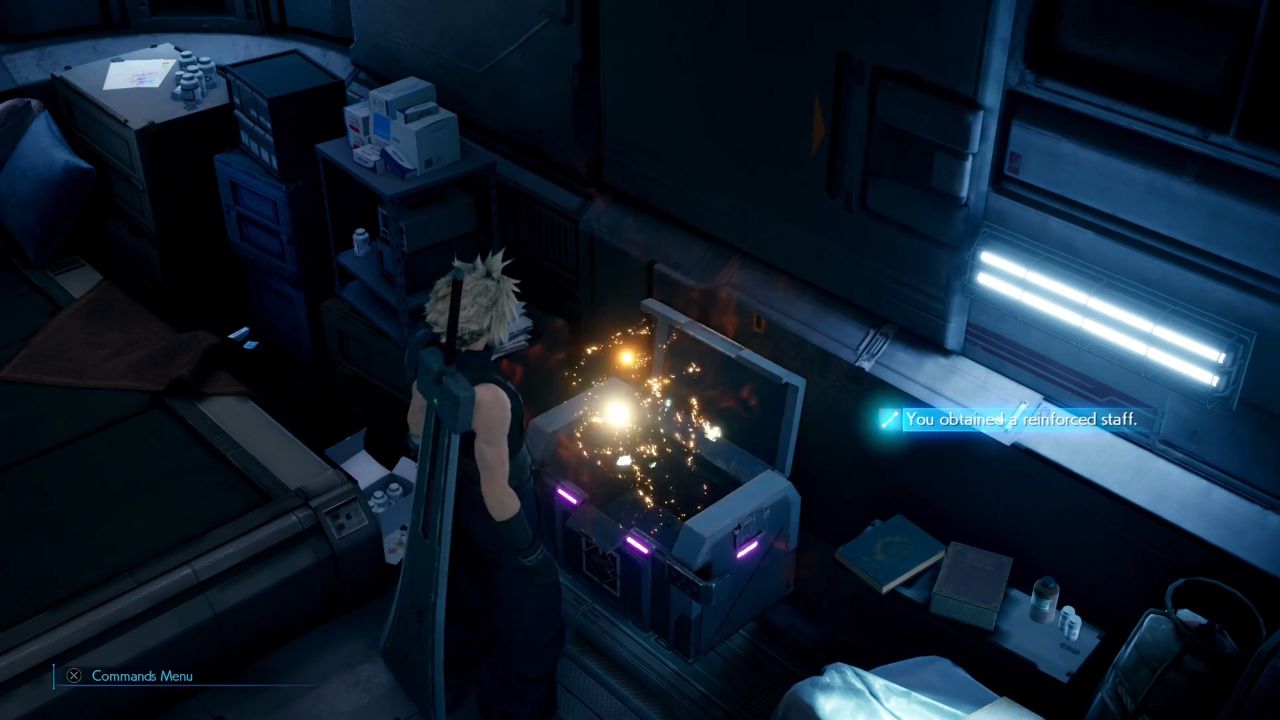
Hogwarts Legacy at 1440p Ultra highlighted the need for more than 8 GB of VRAM. RTX stuttered badly, while B580, despite being slower overall, remained playable without frame time issues. On the medium preset with medium RT at 1440p, 8 GB RTX and 12 GB Arc card offered similar 1% lows, but the GeForce GPU was 27% faster on average.
Horizon Forbidden West at 4K performance upscaling demonstrated B580’s unexpected strength, delivering 56 FPS—237% more than RTX 5060 Ti 8 GB, which was effectively unusable. Even at 1440p quality upscaling, B580 reached 68 FPS—152% above the GeForce card—and maintained smooth 1% lows, while 8 GB RTX suffered spikes.
Reduced to 1440p high quality, Arc GPU managed 76 FPS with 1% lows of 62 FPS, making it 85% faster on average and 130% faster in lows than RTX 5060 Ti 8 GB, despite higher CPU utilization in the Nvidia system. Only at 1440p medium did RTX pull ahead by 22% on average and 18% in 1% lows.
Warhammer 40k: Space Marine 2 at 4K very high upscaling was a for-science test; B580 played worse than 8 GB RTX but rendered textures correctly, whereas the GeForce card simply deleted them when they wouldn’t fit, resulting in a blurry mess.
In Assassin’s Creed Shadows at 1440p balanced upscaling, RTX 5060 Ti 8 GB offered marginally better frame time performance, despite the VRAM demand.
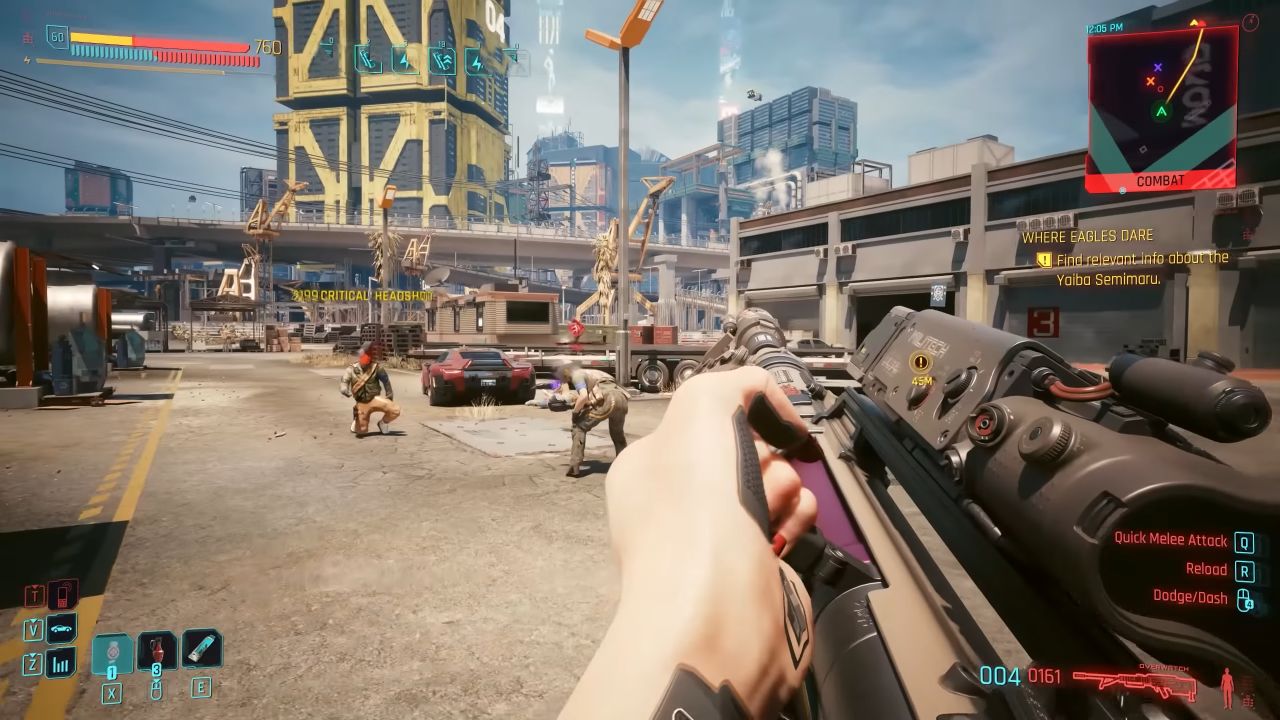
Cyberpunk 2077 at 1440p upscaling with medium ray tracing saw the B580 deliver 87% greater 1% lows for a smooth experience, while an 8 GB GeForce was unplayable at 4K performance upscaling with low RT, B580 again outpaced RTX by a wide margin.
Finally, in Spider-Man 2 at native 1080p, very high, both GPUs struggled severely; RTX’s VRAM limits and Arc’s driver issues resulted in equally poor performance, with neither offering a playable experience.
Final Thoughts and Recommendations
Under no circumstances should a new RTX 5060 Ti 8 GB, priced around $400 US, end up slower than Intel’s Arc B580. Some of the worst examples occurred at 1080p, such as Horizon Forbidden West’s very high preset, where B580 was 70% faster.
At launch, the 16 GB variant can be found for about $490 US—a 14% premium over the 8 GB model—which we consider well worth the extra cost given long-term value. On the secondhand market, 16 GB RTX 5060 Ti cards command over 40% higher prices than 8 GB units.
Therefore, unless you manage to snag an 8 GB card for significantly below MSRP—and you really shouldn’t—just ignore that option. If you’re purchasing a GPU today, wait for the Radeon RX 9600 series or invest in a 16 GB model to ensure a future-proof gaming experience.
Check Our Other NVIDIA Articles:
- GeForce RTX 5090 Unleashed: Is NVIDIA's New Flagship the Ultimate 4K Gaming GPU?
- NVIDIA GeForce RTX 5080 Review (2025): Still A 4K Gaming Powerhouse?
- RTX 5090 Performance Testing In GTA 5 – 1080p, 1440p, and 4K Max Settings Benchmark
- RTX 5090 Laptop Vs. M4 Max MacBook Pro: Ultimate Raw Performance Vs. Battery Endurance
- NVIDIA RTX 5070 Review: Mid-Range Muscle or Marketing Hype?
- RTX 5070 Ti Review: Performance, Thermals & Power Efficiency Tested
- Asus ROG RTX 5090 Astral OC Vs. Founders Edition: The 4K Gaming Benchmark
- ASUS ROG Astral RTX 5090 OC Edition Review: 32GB GDDR7 & 4K Gaming Benchmark
- ASUS GeForce RTX 5090 LC Liquid Cooled GPU Review: Unmatched Silence & Speed
- MSI GeForce RTX 5090 32GB SUPRIM SOC Review: Power Efficiency, Cooling, and Gaming Performance
- INNO3D RTX 5060 Ti 16 GB X2 Review: Gaming Benchmarks, Temps, and Power Efficiency
- HP Omen 45L Review: RTX 5090 Performance, Thermals, and Value Analysis
- ASUS TUF Gaming GeForce RTX 5060 Ti Review: DLSS 4, Power Efficiency, and Gaming
- ASUS Prime RTX 5060 Ti OC 16GB Review: DLSS 4, Ray Tracing, & Thermals Tested
- NVIDIA GeForce RTX 5060 Review: Specs, Gaming, and Cost per Frame
- MSI GeForce RTX 5090 GAMING TRIO OC Review: A Monster Power GPU
Senior Editor, NoobFeed
Gaming Hardware Updates
No Data.