
NVIDIA Vera CPU Benchmarks: Vera CPU Beats Intel Xeon by 55% and Outperforms AMD EPYC
NVIDIA Vera CPU benchmarks reveal major performance gains over Intel Xeon and AMD EPYC in early enterprise workloads.
Hardware by Masaru Hoshino on May 27, 2026
For years, NVIDIA dominated the AI conversation through GPUs alone, while CPUs remained the territory of AMD and Intel. That divide is beginning to collapse. The first independent benchmark results for NVIDIA's highly anticipated Vera processor suggest the company is preparing for something far larger than AI accelerators. It wants control of the entire compute stack.
Built around 88 custom Olympus ARM cores, Vera represents NVIDIA's most aggressive move yet into the standalone CPU market. Unlike traditional server processors designed for broad enterprise workloads, Vera has been purpose-built for the rapidly expanding world of Agentic AI, inference, and large-scale AI orchestration.
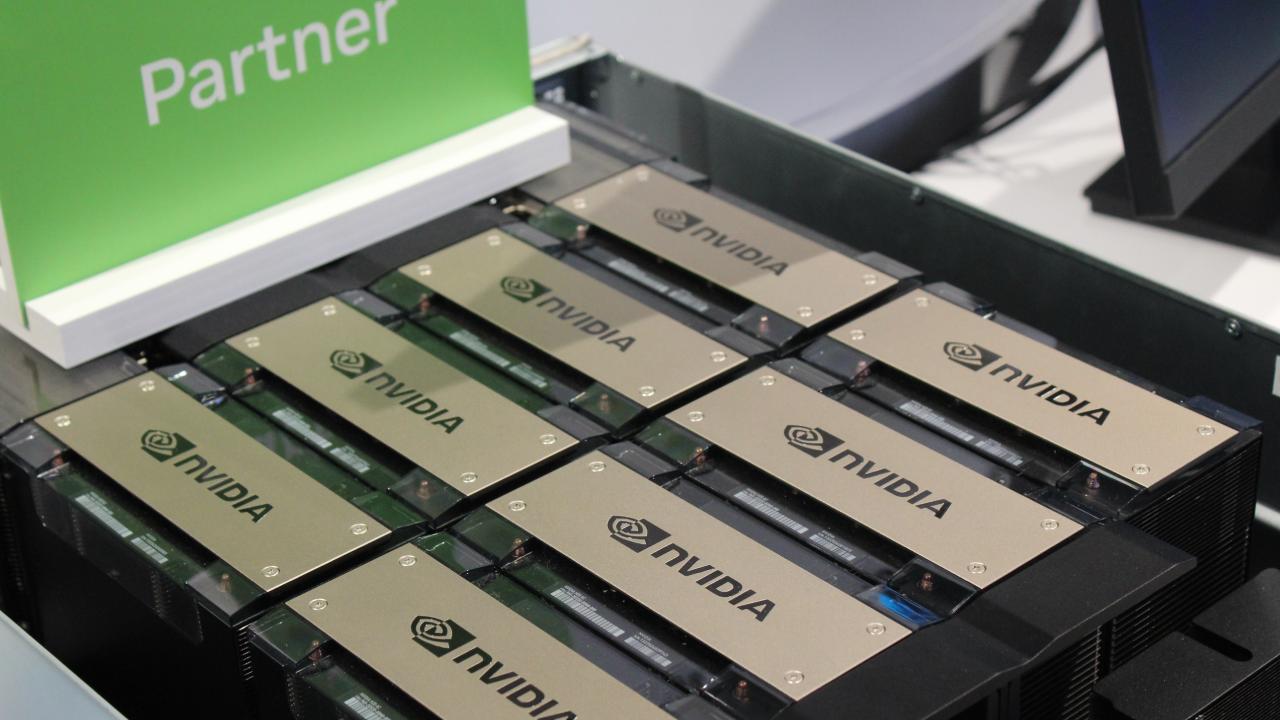
That distinction matters because the modern data center is no longer optimized around generic compute. It is increasingly optimized around AI throughput, memory bandwidth, and inference efficiency. The result is a processor that appears engineered specifically for the future NVIDIA believes is coming next.
Phoronix Benchmarks Reveal a Massive Performance Leap
According to newly published Linux benchmark testing from Phoronix, later amplified by Wccftech coverage, Vera immediately established itself as a legitimate threat to both x86 giants.
In the geometric mean across the full Linux benchmark suite, NVIDIA's new chip delivered a stunning 63% faster performance than the previous-generation 72-core Grace CPU. That alone would have been a major architectural success story. What shocked the industry, however, was how Vera compared against the best server silicon from AMD and Intel.
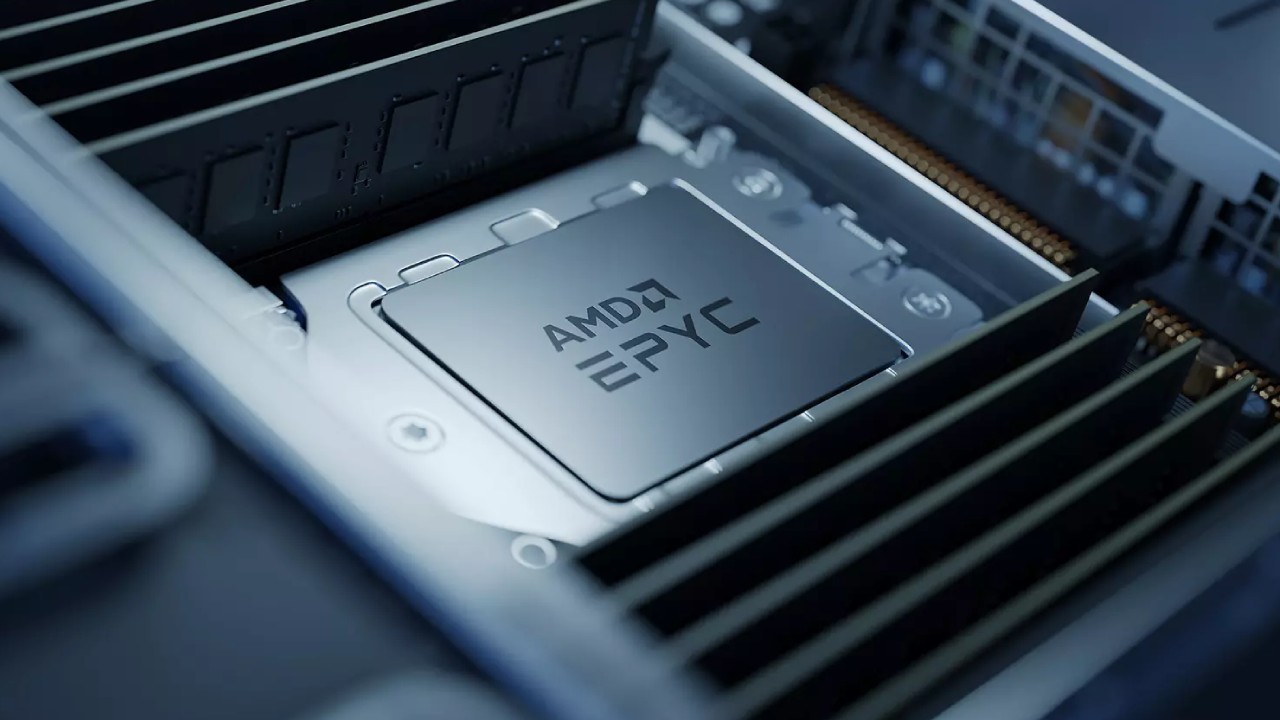
Against AMD's highly clocked 64-core EPYC 9575F based on the Zen 5 architecture, Vera secured a narrower but still significant 10% lead. That is particularly impressive, given that AMD's EPYC lineup has become the gold standard for modern server efficiency and high-density enterprise performance. The truly brutal result came against Intel.
Despite Intel fielding its enormous 128-core Xeon 6980P Granite Rapids processor, NVIDIA's Vera reportedly delivered a staggering 55% performance advantage in the tested Linux workloads. On paper, Intel held a major core-count advantage, yet Vera still dominated the aggregate results.
That benchmark gap highlights a growing reality within modern compute design. Raw core count alone is no longer enough. AI-oriented workloads increasingly reward architectural specialization, memory optimization, and software ecosystem tuning rather than brute-force scaling.
Why Vera's Olympus Architecture Matters
The most important detail in these early results may not actually be the benchmark numbers themselves. It is the architectural philosophy behind them.
NVIDIA's Olympus cores are custom ARM designs tailored specifically for AI-centric infrastructure. Unlike conventional server CPUs that must balance virtualization, legacy enterprise compatibility, database handling, and cloud elasticity all at once, Vera appears laser-focused on AI inferencing and orchestration workloads.
That focus aligns directly with where hyperscalers are spending money in 2026.
The explosive rise of Agentic AI systems is shifting demand away from traditional compute priorities. Massive AI deployments increasingly depend on CPUs that can efficiently coordinate GPUs, manage inference pipelines, and sustain high-bandwidth memory communication at scale.
NVIDIA is uniquely positioned here because it already controls the dominant AI accelerator ecosystem through CUDA and its Blackwell GPU family. Vera effectively becomes the connective tissue between those accelerators.
The Missing Metric Could Decide Everything
There is one major caveat surrounding these benchmark results. Phoronix confirmed that power draw, thermal output, and efficiency figures could not be published because the tested hardware remains early pre-production silicon still undergoing optimization. That missing information is critical.
NVIDIA has publicly claimed that Vera could deliver a 2x performance-per-watt improvement over competing x86 server platforms. If that promise materializes in shipping hardware, the implications for the data center industry could be enormous.
Power efficiency has quietly become the defining limitation of modern AI infrastructure. Hyperscale operators are now battling against power delivery constraints, cooling requirements, and operational electricity costs just as aggressively as they chase raw performance gains.
A processor that meaningfully lowers rack-level energy consumption while simultaneously outperforming existing Xeon and EPYC chips would immediately become one of the most disruptive products in enterprise computing history.
That is why the withheld power numbers matter more than the benchmark charts themselves. If Vera achieved these results while consuming dramatically less power, Intel and AMD may be facing a structural market shift rather than a temporary performance setback.
Editor, NoobFeed
Gaming Hardware Updates
No Data.