
OneXPlayer 3 Brings Panther Lake Performance at $1,500
OneXPlayer 3 combines Panther Lake performance, an 8.8in OLED display, and detachable controls at a $1,500 price.
Handheld by Shinji Okazaki on Sep 24, 2026
The PC handheld market has reached a point where pricing, performance, display quality, and memory costs are making high-end devices expensive. Among the current options, the OneXPlayer 3 stands out by combining a large OLED display, VRR, a high refresh rate, detachable controllers, a trackpad, keyboard support, and Intel Panther Lake hardware in one device.
OneXPlayer 3 is one of the handhelds worth looking at right now. It has not been officially released yet, with current pre-orders showing shipping in late August. Until that window closes, the price is set at $1,500. The device offers users different ways to configure and use it, depending on their needs.
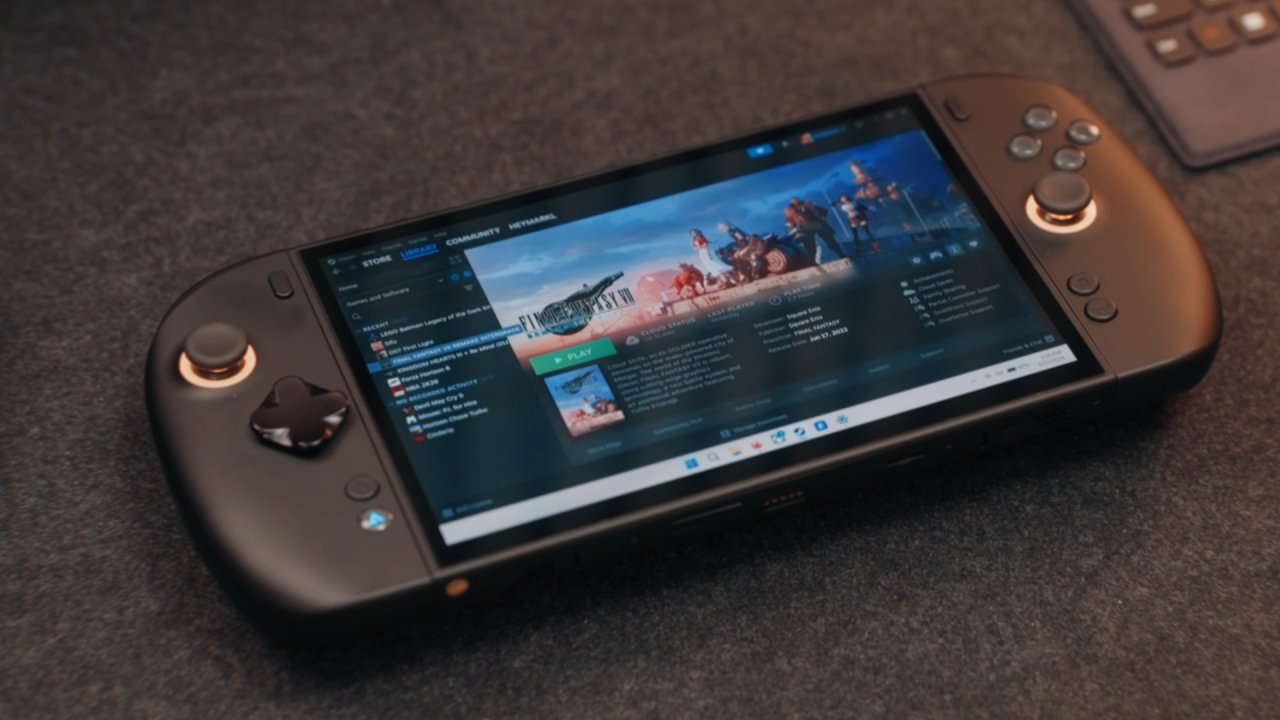
OneXPlayer 3 Offers a Complete Package
For $1,500, the package includes an 8.8in VRR display with a resolution around 1080p, depending on how the aspect ratio is measured. The display runs at 144hz and uses an OLED panel. It also combines features from different handhelds into one design. The device offers users different ways to configure and use it, depending on their needs.
The form factor is similar to a Nintendo Switch, with detachable controllers and a separate piece that connects the controllers. The controller also has a trackpad. You can also attach a keyboard, allowing the device to function more like a small Windows PC. The flexibility is one of the main reasons the OneXPlayer 3 stands out.
OneXPlayer 3 is also part of the group of Panther Lake handhelds announced earlier this year. Panther Lake is an upgrade over the Z2 Extreme, which matters because the difference between the Z2 and Z1 was relatively small. Panther Lake provides the performance increase expected from a new generation of PC handheld hardware.
In some games, the extra performance lets you use higher graphics settings while keeping FPS closer to what a Z2 Extreme would deliver. That gives users the option to choose between higher image quality and higher FPS, depending on the game and how they want to play.
The $1,500 Price Makes the Difference
The OneXPlayer 3 can be considered one of the best deals in gaming because of the hardware included for $1,500. Similar Lenovo devices start around $1,500 and can reach $2,000. The OneXPlayer 3 therefore works as an alternative for people already considering those devices.
It offers a similar level of hardware while adding a different form factor and more configuration options. There are still compromises to consider. One X Player is a boutique manufacturer, and the after-sales experience is something that needs to be considered before buying
Some users may have a good experience if something goes wrong, but there isn't enough evidence that support is consistently strong. That means buyers need to be comfortable with the possibility that a hardware problem could become difficult to resolve.
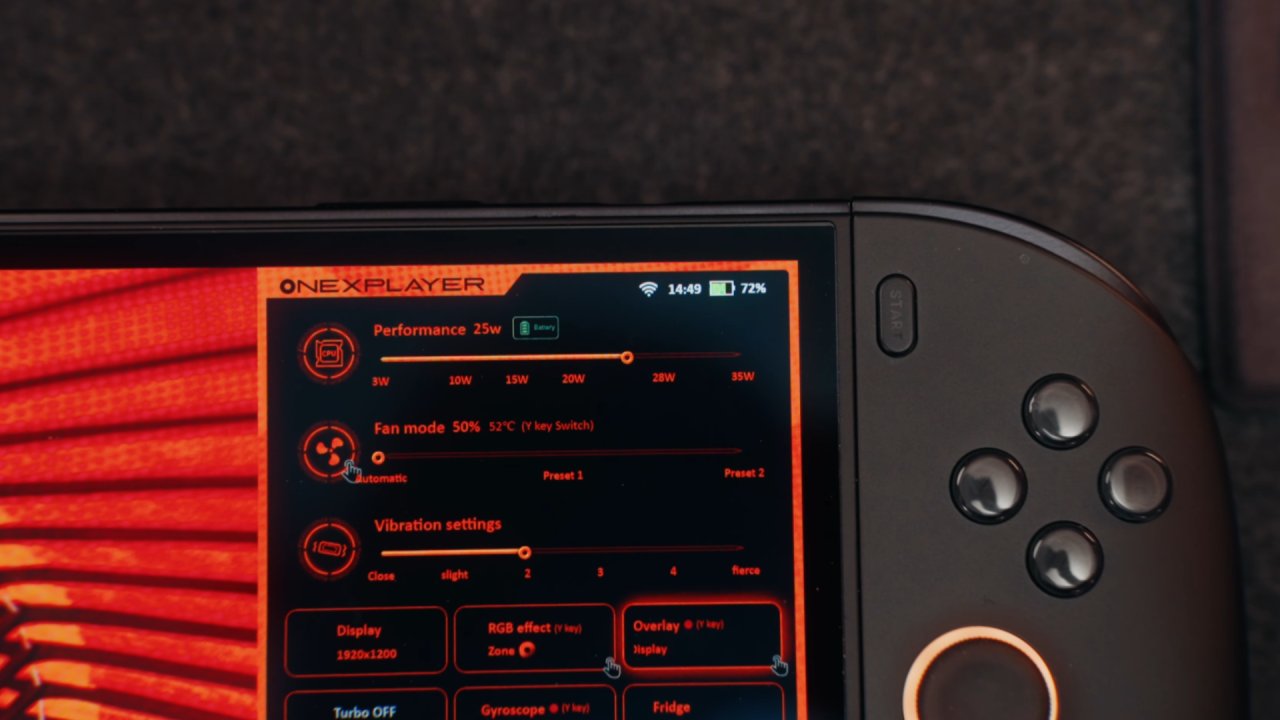
RAM Costs are Affecting Handheld Pricing
The pricing situation becomes easier to understand when looking at memory costs. Earlier Strix Halo handhelds from One X Player were priced below many competing devices. While other products started around $1,500 to $2,000, One X Player offered its Strix Halo-based devices around $1,350 before the price increases.
A $4,000 handheld is difficult to justify for gaming. At $1,500, however, the OneXPlayer 3 can make more sense if the goal is a high-end handheld with matching hardware and display. The device isn't the most powerful handheld that could theoretically exist, but the overall package fits the high-end segment.
The main problem appears when the OneXPlayer 3 reaches its expected full-release price of around $1,800. At that point, the value becomes harder to defend. Among other Panther Lake handhelds at a similar price, the OneXPlayer 3 still offers a lot. It would also remain a better deal than a Legion Go 2, given the package.
However, the extra $300 changes the calculation. At $1,500, the device looks like a strong value. At $1,800, it is still good, but the price becomes harder to accept because the rest of the market is also expensive. Even at $1,800, the OneXPlayer 3 offers some of the mobile performance found in handhelds, along with a display that matches what other high-end devices offer.
The OLED Display Adds to the Package
The display could be the same panel used in the Legion Go 2, given how closely the specifications match and how few companies manufacture these handheld displays. The display specifications align closely with those of the Legion Go 2, making the comparison interesting.
OLED has also been cited as one reason for the higher prices of some current handhelds. However, the OLED panel alone doesn't explain the jump from a $1,500 handheld to a $2,000 handheld. Memory costs appear to play a much larger role in the pricing.
The main alternative worth considering is the Xbox Ally. It has held at $1,000 and is the least expensive PC handheld with a Z2 Extreme. At $1,000, the Xbox Ally is closer to a reasonable price for the hardware. A price around $700 would have been easier to accept if the device had launched two years ago, but current hardware costs have changed the situation.
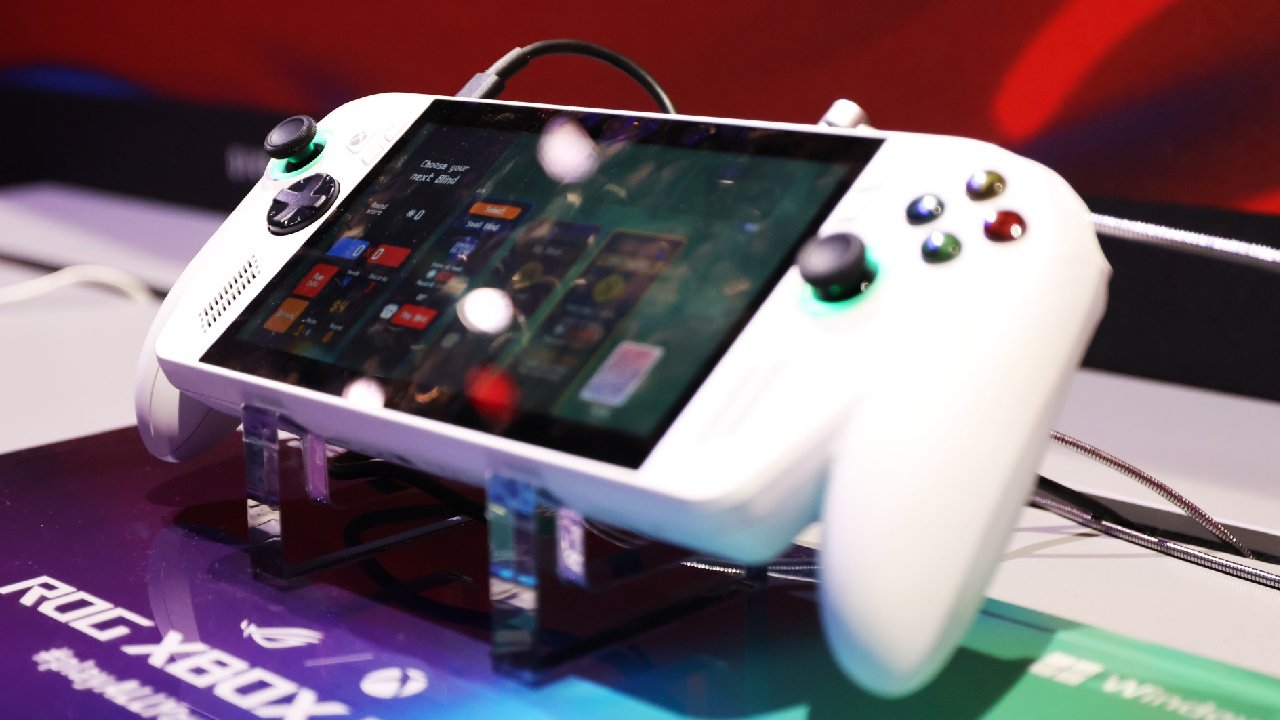
The Xbox collaboration also affects how people view the pricing.
The device is only around $300 more expensive than it would have been under different market conditions. Xbox Ally X is another consideration, but buying it separately could cost around $1,300 to $1,500. That's a significant increase for the added hardware, and the difference also includes features like clear plastic and an OLED display. For a $500 increase, those additions may not provide enough value for every buyer.
OneXPlayer 3 has made a name for itself as one of the best deals in gaming because the competing handhelds in the same price range are difficult to justify. At $1,500, the combination of Panther Lake performance, an 8.8-inch OLED display, a 144 Hz refresh rate, VRR, detachable controllers, a trackpad, keyboard support, and flexible configuration puts the device in a hard-to-match position.
Editor, NoobFeed
Latest Articles
No Data.