
Intel Panther Lake vs. AMD Strix Halo: Best Gaming Handheld Chips of 2026
Panther Lake positions Intel ahead in 2026 as AMD delays next-generation handheld silicon refresh.
Hardware by Tanvir Kabbo on Feb 17, 2026
If you're looking to buy a gaming handheld in 2026, you should definitely be aware of Intel's new Panther Lake line of mobile chips. These chips are expected to be widely available in Q2 of 2026. At least on paper and according to Intel's initial claims, they are noticeably better than AMD's chips.
So, we are going to break down these new chips in the context of the handheld gaming market. We will also understand the different variants, as handhelds and laptops are treated differently in this generation. Of course, we will compare them against the existing lines of Intel and AMD chips currently on the market.
Current Generation: AMD Strix Point vs Intel Lunar Lake
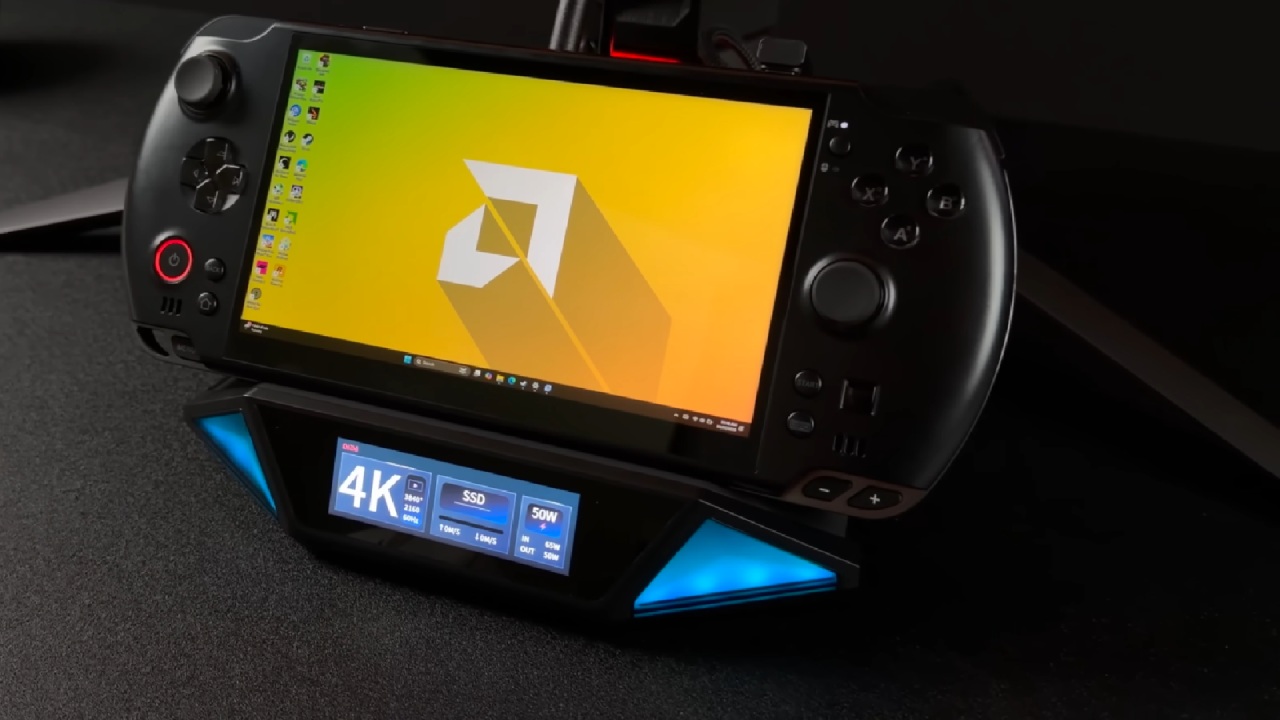
Right now, in handhelds, the current AMD generation is Strix Point. These include names like the Z2 Extreme and the HX370, which feature the 890M integrated GPU based on RDNA3.5 architecture. It is a fantastic integrated graphics solution with roughly the same performance, if not slightly better, than the RTX 2050. It is used in popular handhelds like the Lenovo Legion Go 2 and the Asus Xbox Ally.
On Intel’s side, there is the Lunar Lake generation of chips, including names like the Core Ultra 7 258V and the Ultra 9 288V. When it comes to integrated graphics, they feature the ARC 140V based on XE2 architecture. In synthetic benchmarks, these Intel iGPUs are very competitive, if not slightly outperforming their AMD counterparts.
However, synthetic benchmarks are not everything. AMD has better driver support and software compatibility. Not to mention factors like wattage efficiency and thermal management, which ultimately leave performance fairly comparable between the current generation of AMD and Intel chips.
Panther Lake: Intel’s Big Opportunity in 2026
When it comes to the next generation, this is where Intel has a real opportunity to take market share in the handheld space. AMD is not expected to refresh its chips until sometime in 2027. Still, Intel is rolling out Panther Lake now, with handheld availability expected by Q2 of 2026.
According to Intel and early benchmarks, Panther Lake represents a significant boost in performance. On the CPU side, Intel is moving to a new 2nm manufacturing node and adding more cores. They claim a 10% boost in single-core speeds and up to 50% gains in multi-core performance.
In the context of handhelds, the integrated graphics matter most. These chips feature the new B390 integrated GPU. Intel claims roughly a 70% performance increase over the previous 140V iGPU. This is achieved through a combination of the new Xe3 architecture and an increased core count.
When compared to AMD’s current 890M found in devices like the Lenovo Legion Go 2, early benchmarks show a noticeable outperformance. On paper, this makes Panther Lake extremely impressive for 2026, especially before AMD releases any official response.
As a result, we could see many handhelds refreshed this year featuring Intel’s new Panther Lake chips.
Important Caveats for Handheld Buyers
Even with all that said, there are two important caveats you need to be aware of when considering Panther Lake in handheld devices.
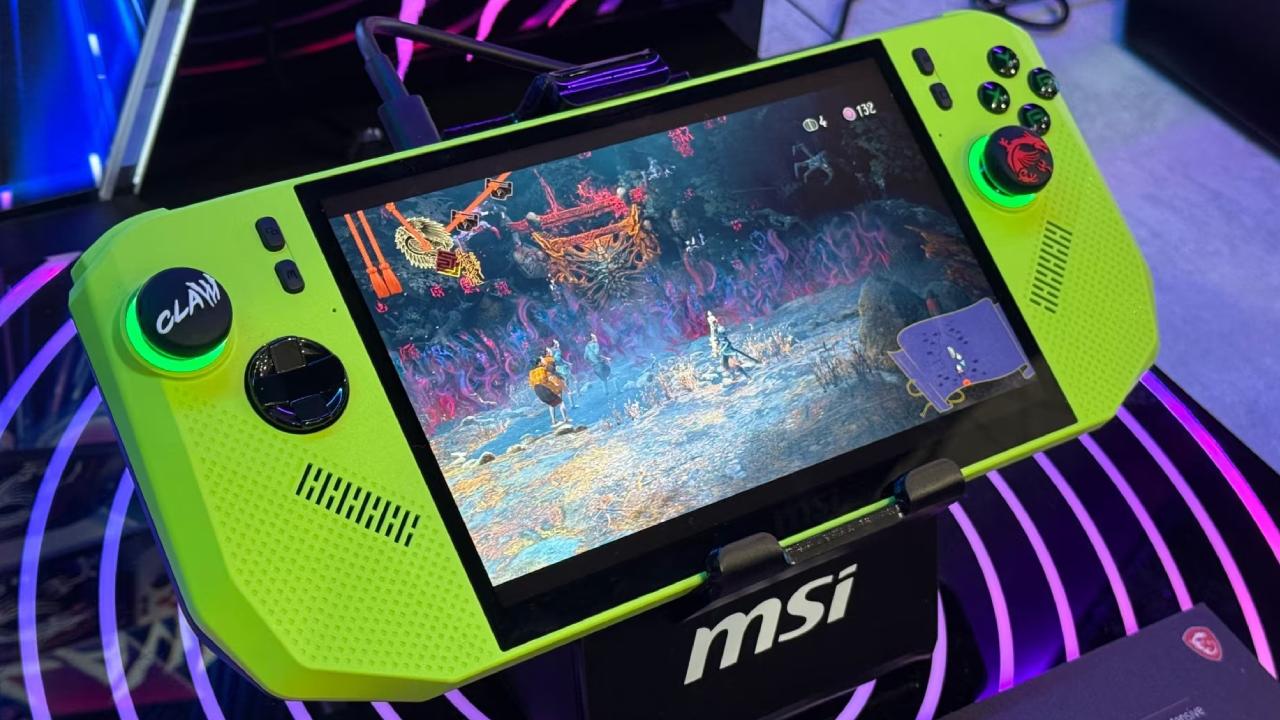
First, most of the impressive benchmarks shown so far are for the Core Ultra X9 version of the chip. This version is more likely a laptop-exclusive model and not something we will see inside handheld devices. Intel has announced a separate subcategory of Panther Lake chips specifically designed for handhelds. These are called the Core G3 and G3 Extreme.
According to Intel, these chips are optimized for the handheld platform, which essentially means they are slightly toned down compared to the X9 laptop variant. Fortunately, most of the reduction appears to be on the CPU side. The higher-end G3 Extreme model expected in handhelds still comes with the same B390 iGPU as the Core Ultra 9, although operating at different wattages.
The second caveat is that AMD technically still holds the highest-performing mobile chip if we include the Strix Halo Max Plus 395. Some consider this a different class of chip, but in reality, it is increasingly being integrated into premium handheld gaming PCs. Based on benchmarks, it still handily outperforms even the top-end Panther Lake mobile chips.
That means if you are looking for the absolute highest-performing handheld in 2026, you may still want an AMD handheld featuring the Strix Halo chip instead of Intel’s new Panther Lake lineup.
Final Thoughts
Overall, Panther Lake represents a massive upgrade over the current generation of both Intel and comparable AMD chips. The biggest improvements come from the iGPU side, where the new B390 GPU significantly outperforms AMD’s Radeon 890M in early results.
If you are planning to upgrade your handheld in 2026, we recommend paying close attention to which specific variant you are getting, whether it is the Core G3, G3 Extreme, or a laptop-class X9 chip. While Intel appears poised to take a strong position in the handheld market this year, AMD still holds the performance crown at the very top end.
As more devices launch throughout 2026, we will have a clearer picture of how Panther Lake truly performs in real-world handheld scenarios.2 architecture. In synthetic benchmarks, these Intel iGPUs are very competitive, if not slightly outperforming their AMD counterparts.
However, synthetic benchmarks are not everything. AMD has better driver support and software compatibility. Not to mention factors like wattage efficiency and thermal management, which ultimately leave performance fairly comparable between the current generation of AMD and Intel chips.
Also, check our other hardware articles:
- AMD Ryzen 9 9950X3D Review: Setting The Standard For 2025 Gaming CPU
- Amazon Luna 2025 Review: Is Prime Gaming's Cloud Service Your Go-To For Casual Fun?
- AMD RX 9070 XT Review: AMD's RDNA 4 Champion for 1440p Gaming
- GeForce Now Ultimate: Ditching Your Gaming PC For Cloud RTX 4080 Power?
- NVIDIA GeForce RTX 5080 Review (2025): Still A 4K Gaming Powerhouse?
- Intel Core Ultra 9 285K Review And Performance Breakdown (2025)
- AMD Ryzen 7 9800X3D Review: 3D V-Cache Goes God Mode with Stunning Gaming Performance
- Intel Core Ultra 9 285K vs AMD Ryzen 7 9800X3D: In-Depth Gaming Performance and Benchmark Comparison
- NVIDIA GeForce RTX 5080 Super Performance In Cyberpunk 2077: Path Tracing & DLSS 4.0 Tested
- AMD Radeon RX 9070 XT In Cyberpunk 2077: Ray Tracing & FSR 4.0 Tested
- Intel Arc B580 Review: The $250 GPU Revolutionizing 1440p Gaming
- Intel Arc B570 Vs. B580: Value, Specs, And Real-World Gaming Performance
- RTX 5090 Laptop Vs. M4 Max MacBook Pro: Ultimate Raw Performance Vs. Battery Endurance
- Intel Arc b580 Vs. RTX 4060: Game Performance And Value Analysis
- RTX5090 Hell Is Us Demo 4K Ultra Benchmark: DLSS Vs. Native Performance Guide
- NVIDIA RTX 5070 Review: Mid-Range Muscle or Marketing Hype?
- Nintendo Switch 2 Review: Handheld Performance, Features & Value Breakdown
- RTX 5070 Ti Review: Performance, Thermals & Power Efficiency Tested
- Samsung Odyssey OLED G81SF Review 2025: Ultimate 32-Inch QD-OLED Gaming Monitor
- AMD RX 9070 Performance Review: Thermals, Clocks, and Real-World FPS
- AMD Ryzen 5 7600 Review: Best Budget Gaming CPU of 2025?
- AMD Radeon RX 7800 XT Review: RDNA 3 Power For Midrange Gaming
- Asus ROG RTX 5090 Astral OC Vs. Founders Edition: The 4K Gaming Benchmark
Senior Editor, NoobFeed
Gaming Hardware Updates
No Data.