
Panther Lake Power Scaling and XeSS Push Integrated Graphics to New Heights
Intel Panther Lake integrated graphics approach Xbox Series S performance in demanding modern titles at 30W.
Hardware by Tanvir Kabbo on Feb 17, 2026
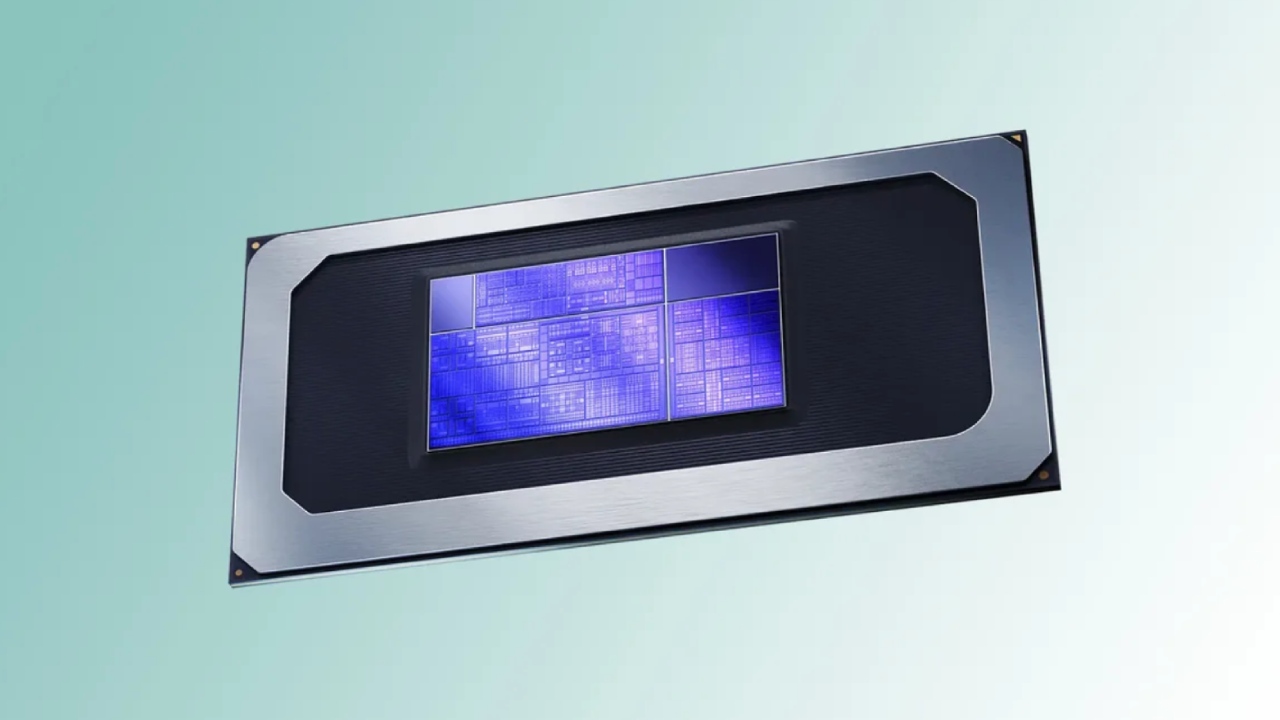
Intel’s Panther Lake architecture is beginning to show what next-generation integrated graphics can really achieve in demanding modern titles. Early testing with a Lenovo IdeaPad Pro 5 powered by the Core Ultra X9 388H suggests that integrated GPUs are approaching console-level performance in scenarios that once seemed out of reach.
With performance modes pushing up to 45W and advanced upscaling technologies like XeSS entering the conversation, the gap between thin-and-light laptops and dedicated gaming consoles is narrowing in fascinating ways.
Panther Lake in the Lenovo IdeaPad Pro 5
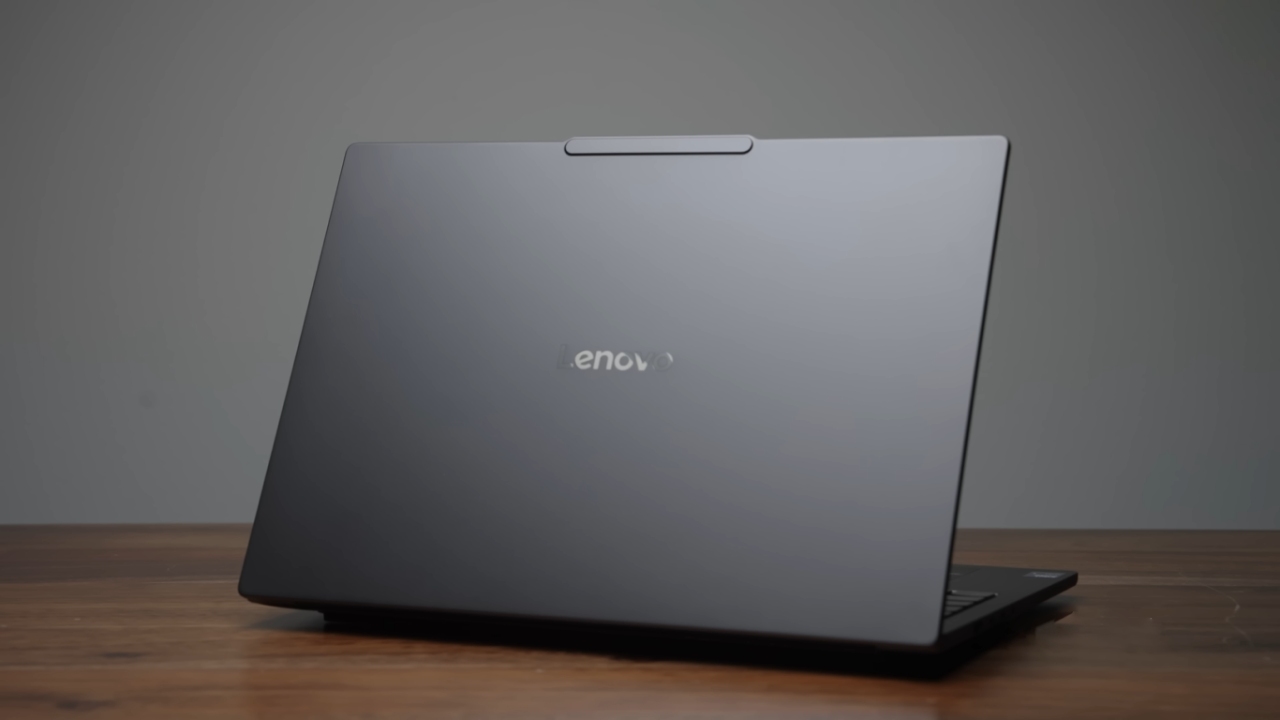
We received a Lenovo IdeaPad Pro 5 equipped with Intel Panther Lake, specifically the top-end Core Ultra X9 388H. When enabling Lenovo’s so-called “geek performance mode,” the system tops out at around 45W. The first thing we wanted to determine was straightforward: what can it actually run, and how well?
During earlier testing scenarios, everything was pushed to ultra settings at 1080p with ray tracing enabled. We decided to take a slightly different route. Alan Wake 2 is notoriously demanding and does not scale well on mobile processors. Avatar: Frontiers of Pandora is another title that serves as a reliable stress test for integrated graphics. Naturally, we put both through their paces.
Alan Wake 2 Performance and Console Comparisons
Running Alan Wake 2, performance came in at roughly 52% of PlayStation 5 output when using performance mode-equivalent settings. That mode essentially mirrors the low preset on PC, with scattered object detail slightly reduced and textures slightly increased.
The more interesting comparison, however, was with the Xbox Series S. Initially, we compared against its launch configuration using FSR2 in performance mode alongside several graphical cutbacks. Later updates raised the internal resolution to 847p using FSR2 balanced mode, so we redid the tests. The result was striking: Panther Lake slightly outperformed Series S, while maintaining PlayStation 5 performance mode settings without additional cutbacks.
There may not even be a direct equivalent mode on Series S that matches these exact conditions. Seeing integrated graphics in such a demanding game match a console from 2020 feels like a genuine milestone. While Series S was positioned as a more affordable entry point, it still delivered roughly double the performance of something like the Z2 Extreme. Watching integrated graphics close that gap is genuinely impressive.
Yes, certain forest scenes dipped below 30fps, but these were intentionally chosen stress scenarios that also cause console frame rate drops. Much of the game runs locked at 30fps on Series S and significantly higher on PlayStation 5 and Series X. Context matters, and in that context, Panther Lake performs remarkably well.
Avatar: Frontiers of Pandora and Frame Generation
In Avatar: Frontiers of Pandora, achieving a stable 30fps did not require dropping below low settings, unlike what we would typically need on a Z2 Extreme. The experience felt far more playable than expected.
The real opportunity lies ahead in testing proper XeSS support and XeSS multi-frame generation. Battlefield 6 demonstrations have already shown extremely high frame rates on laptops using these features. Avatar does work with Intel technology to make frames, but early reports say that the benefits are small, possibly because frame generation itself takes up a lot of processing power.
Power Scaling and Efficiency
During earlier hands-on presentations, there was some uncertainty about power because CPU package metrics showed about 60W. On the IdeaPad Pro 5, we could not push beyond 45W, no matter what we tried. Interestingly, the performance difference in Alan Wake 2 between 45W and higher observed scenarios was minimal.
Alan Wake 2 does not scale in a conventional manner. It seems strange that changing FSR2 from balanced to performance would cause a loss of about 2fps, but it makes sense given the game's extensive geometry and post-processing needs. A lot of the effort seems to be limited by geometry and native-resolution buffers, which means that resolution scaling can't help as much.
At 30W, matching or perhaps slightly beating Series S is really interesting. But the broader theme is how power changes. Because of battery limits, most handheld settings don't run at 30W. People usually aim for 10W, 15W, 20W, or 25W. Panther Lake shows great scaling behavior at these lower power levels, beating Strix Point and even Strix Halo in some circumstances. At 30W, Strix may slightly edge ahead, but Panther Lake’s consistency across all lower wattage tiers is notable.
From our perspective, it feels almost engineered specifically for handheld form factors. Despite its chiplet design, any theoretical efficiency penalty is not evident in real-world results.
Upscaling, Image Quality, and Real-World Experience
Bar charts do not tell the full story. Most folks don't know what "75% faster" means when we say Panther Lake is that much faster than Lunar Lake. But saying it performs as well as or better than Series S in some tough situations makes it easier to picture what that implies in real life.
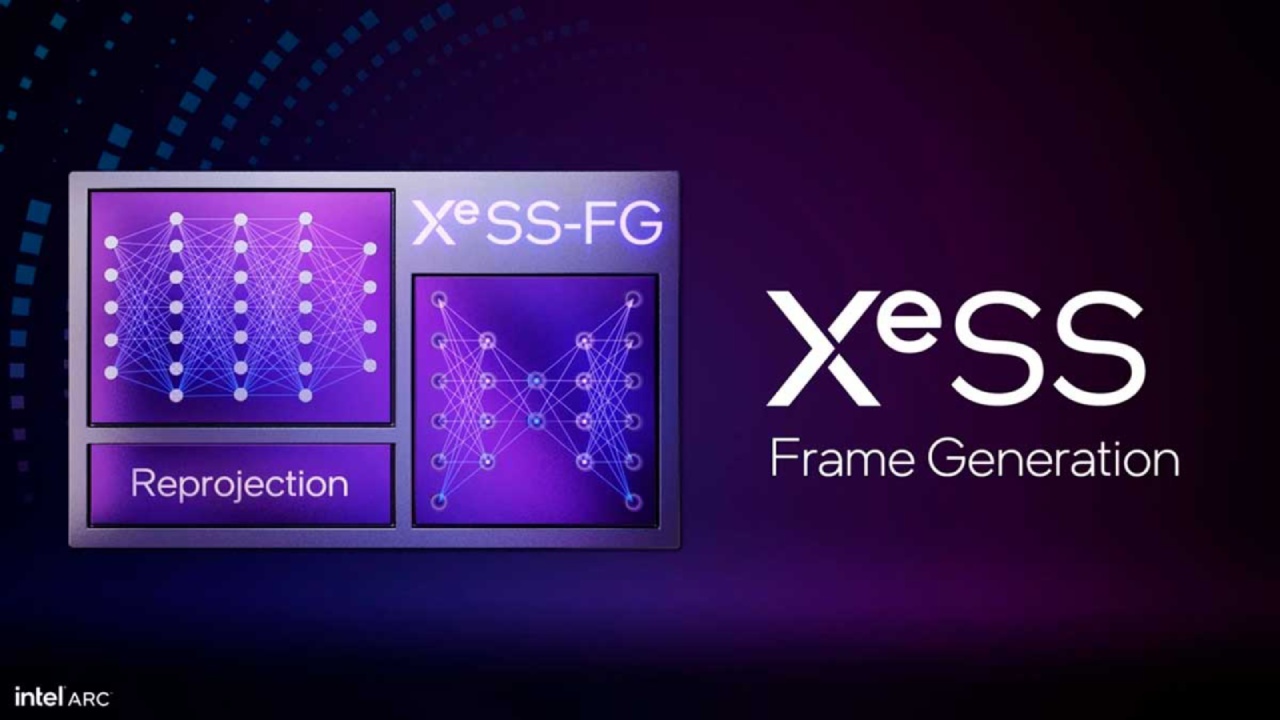
XeSS and ML-based upscaling are quite important differences. Unlike relying on community tools like Optiscaler or injecting alternative upscalers, native support provides a far more plug-and-play experience. Compared to older upscaling solutions, XeSS often produces fewer noticeable artifacts. On smaller handheld screens, even a 540p internal resolution reconstructed through XeSS can look excellent.
However, Intel still faces a support challenge. More games need to implement XeSS and multi-frame generation properly. Alan Wake 2, for example, lacks XeSS support. Ideally, stronger developer collaboration would help close that gap.
It is also worth noting that some of our testing involved upscaling to 1440p, which may not be the optimal target for integrated graphics. Native-resolution buffers and post-processing workloads can stay the same even if the internal resolution changes. This is especially true for games with a lot of geometry, like Alan Wake 2.
Looking Ahead
The bigger picture goes beyond just simple performance stats. In the world of integrated graphics, people are more likely to embrace technologies like frame generation since their expectations are different from those of high-end discrete GPUs. As these technologies get better, the conversation around performance will move away from standard raster benchmarks and toward employing AI-driven improvements to give a better experience.
We are eager to continue testing more titles, exploring console-equivalent settings paired with resolution scaling, and evaluating how multi-frame generation transforms playability. Experiments on devices like the GPD Win 5 with Strix Halo have already produced impressive results.
Integrated graphics are no longer confined to compromise-only gaming. With Panther Lake, the experience is evolving into something genuinely competitive, especially in 1080p and handheld-oriented scenarios.
Also, check our other hardware articles:
- AMD Ryzen 9 9950X3D Review: Setting The Standard For 2025 Gaming CPU
- Amazon Luna 2025 Review: Is Prime Gaming's Cloud Service Your Go-To For Casual Fun?
- AMD RX 9070 XT Review: AMD's RDNA 4 Champion for 1440p Gaming
- GeForce Now Ultimate: Ditching Your Gaming PC For Cloud RTX 4080 Power?
- NVIDIA GeForce RTX 5080 Review (2025): Still A 4K Gaming Powerhouse?
- Intel Core Ultra 9 285K Review And Performance Breakdown (2025)
- AMD Ryzen 7 9800X3D Review: 3D V-Cache Goes God Mode with Stunning Gaming Performance
- Intel Core Ultra 9 285K vs AMD Ryzen 7 9800X3D: In-Depth Gaming Performance and Benchmark Comparison
- NVIDIA GeForce RTX 5080 Super Performance In Cyberpunk 2077: Path Tracing & DLSS 4.0 Tested
- AMD Radeon RX 9070 XT In Cyberpunk 2077: Ray Tracing & FSR 4.0 Tested
- Intel Arc B580 Review: The $250 GPU Revolutionizing 1440p Gaming
- Intel Arc B570 Vs. B580: Value, Specs, And Real-World Gaming Performance
- RTX 5090 Laptop Vs. M4 Max MacBook Pro: Ultimate Raw Performance Vs. Battery Endurance
- Intel Arc b580 Vs. RTX 4060: Game Performance And Value Analysis
- RTX5090 Hell Is Us Demo 4K Ultra Benchmark: DLSS Vs. Native Performance Guide
- NVIDIA RTX 5070 Review: Mid-Range Muscle or Marketing Hype?
- Nintendo Switch 2 Review: Handheld Performance, Features & Value Breakdown
- RTX 5070 Ti Review: Performance, Thermals & Power Efficiency Tested
- Samsung Odyssey OLED G81SF Review 2025: Ultimate 32-Inch QD-OLED Gaming Monitor
- AMD RX 9070 Performance Review: Thermals, Clocks, and Real-World FPS
- AMD Ryzen 5 7600 Review: Best Budget Gaming CPU of 2025?
- AMD Radeon RX 7800 XT Review: RDNA 3 Power For Midrange Gaming
- Asus ROG RTX 5090 Astral OC Vs. Founders Edition: The 4K Gaming Benchmark
Senior Editor, NoobFeed
Gaming Hardware Updates
No Data.