
Platform Wars are Dead—The Real Battle is Creative Identity
Xbox, PlayStation, and PC aren’t just competing consoles—they’re struggling to prove which franchises can survive and evolve when legacy brands falter.
Opinion by Zahra Morshed on Feb 13, 2026
The argument over which platform is best never really goes to sleep. There are still claims that Xbox is the best platform for first-person shooters, but the facts show a more complex picture. Call of Duty, Doom, and Overwatch can all be played on more than one device, so they can reach people outside of one ecosystem.
Even Halo Infinite, which used to be the crown jewel of Xbox-only games, is now part of a bigger plan for PC and consoles that crosses the lines between the two. The real battleground is now the character of the franchise. Since Bungie left Halo, management has been held by 343 Industries, which just changed its name to Halo Studios.
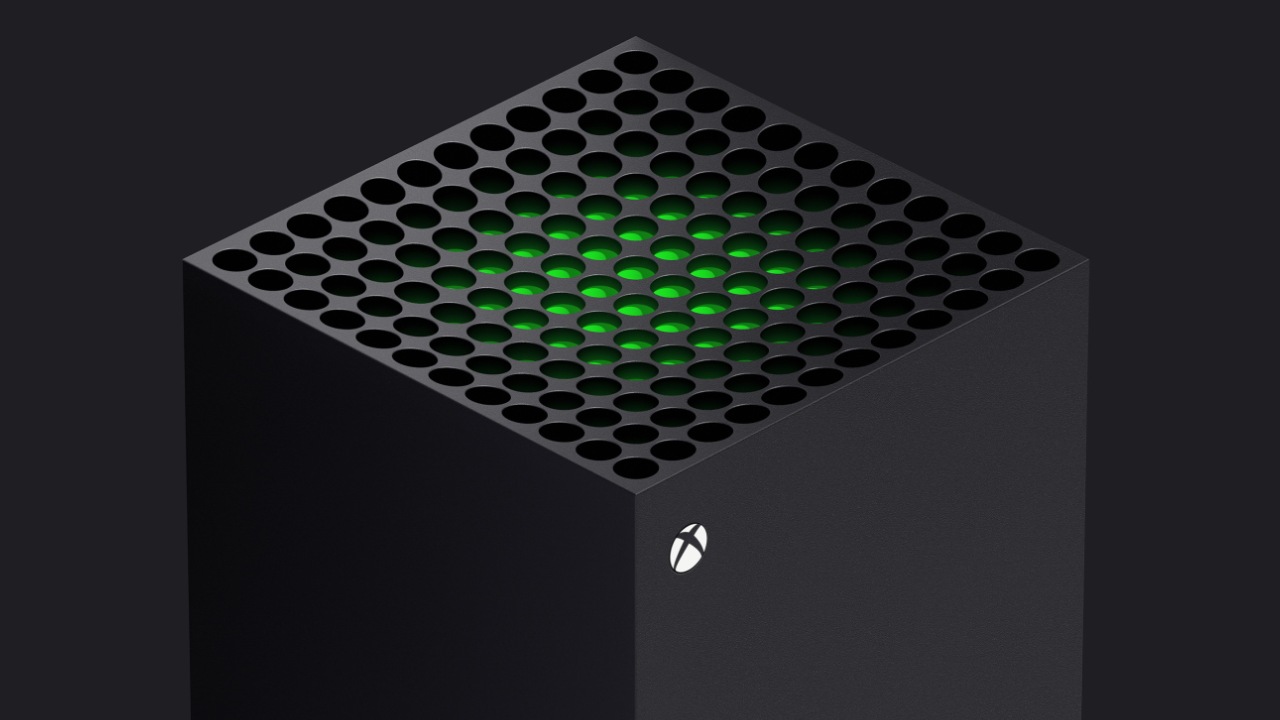
When you rebrand, you're showing purpose, not resolution.
Not logos, but consistent artistic direction and execution are what rebuild trust. The business world has shown over and over that when original creators leave, legacy brands need to change carefully or risk losing their core audience.
Even though platform wars get a lot of attention, more important business stories are often told in the background. Remedy Entertainment just recently announced that more than 5 million copies of Control have been sold since it came out in 2019.
More than 20 million people now play video games, thanks to services like Xbox Game Pass and PlayStation Plus. Its comeback got even more steam after the announcement of its follow-up, Control 2, at The Game Awards.
It is clear what Remedy's strategy position is. The company has stressed how important it is for future releases to do well on the first day, especially with Control 2. However, experimenting has led to a range of outcomes.
The cooperative shooter FBC: Firebreak, which takes place in the same world, didn't get a lot of attention when it first came out, which led to a shift toward smaller-scale support instead of aggressive growth.
Financial information shows that a company is going through a change.
Remedy said that their income went up, mostly because of royalties from Control and Alan Wake 2, as well as subscription platform deals. The company did have an operating loss for the fiscal year, though, which shows how unstable modern development cycles can be. There are changes in leadership, and a new CEO has been hired to help with long-term survival.
In other areas, Ubisoft is still managing standards for old games. According to comments from people inside the industry, if Assassin's Creed IV: Black Flag is brought back, Ubisoft will make the announcement on their own time, not during third-party shows. Even though it hasn't been confirmed, the approach would fit with Ubisoft's recent preference for direct communication when big franchise updates happen.
Embark Studios, on the other hand, has had a huge hit with ARC Raiders, which the company says has sold more than 12 million copies. The studio just started a limited-time event that encourages players to work together to fight machine enemies. This takes the focus off player-versus-player fighting for a while. Updates have also fixed technical problems, such as making it easier to rejoin and making weapons more balanced.
.jpg)
The leaders of Embark have shown that they want community-driven design rather than pushy cosmetic monetization.
MachineGames is at a different fork in the road. After the success of Indiana Jones and the Lost Ark, the company has said they'd like to go back to the Wolfenstein series in the future. MachineGames, which is now owned by Microsoft, has talked about how shared resources within Xbox Game Studios have helped them while still keeping a relatively lean team structure.
Future projects will have to find a balance between artistic ambition and making money. The strange mood and disorganized storyline of Grasshopper Manufacture's Romeo is a Dead Man have made it stand out among auteur-driven games. Early reviews say that the experience was stylistically bold but technically uneven.
Some reports say the game is technically unstable and has repetitive battle systems, but others say the music and artistic touches are great. It's a lesson that a strong identity needs design that works well together. Bungie is trying to make its own style with its planned extraction shooter, Marathon. Game director Joseph Ziegler has said in public that the game will not use aggression-based matchmaking systems.
Instead, it will rely on natural player interaction and voice chat between players who are close to each other.
Due to feedback and delays from earlier playtests, Bungie has been working hard to improve the AI's behavior, the feel of combat, and the way you move through the game before it launches. Helldivers 2's live story keeps getting more intense. Arrowhead Game Studios recently hinted that the Cyborg group would be coming back, which would add new types of enemies to the Galactic War event structure.
The studio's way of sending messages in-universe stays the same, combining satire with large-scale cooperative warfare. It looks like content changes are meant to keep people interested over time, rather than just adding new things. Lastly, people are getting more excited about Sony's next hardware transmission cycle.
There is a lot of talk about possible updates for the PS5 Pro and future showcases, but Sony has shown in the past that they are ready to separate announcements from big events when the situation calls for it. In the past, hardware reports have come days after rumors were at their peak.
A pattern shows up across the whole industry. Legacy brands struggle with what they are. It's hard for mid-sized studios to make ends meet. Live service tests are recalibrated in real time. Platform plans have changed beyond strict exclusivity.
The noise may be about competition, but the real story is about change. Games aren't coming together into easy stories. It's breaking up into planned, measured moves that will shape the next ten years.
Contributor, NoobFeed
Latest Articles
No Data.