
PlayStation’s Digital-Only Push is Drawing Growing Criticism From Developers
Sony is facing renewed backlash over digital game ownership and its reported move away from physical releases, with concerns now coming from both players and parts of the development community.
PlayStation by Tahmid Mahi on Sep 01, 2026
PlayStation is facing another round of criticism over its approach to digital games, and this time the discussion is going beyond frustrated players. Sony is dealing with an ongoing court case concerning how the PlayStation Store presents digital game purchases, while reports suggest some developers and publishers are also unhappy with the company's push toward a future with fewer physical releases.
The digital ownership issue is currently being discussed in a California court case involving four people who claim the PlayStation Store does not make it sufficiently clear that customers are purchasing licenses rather than owning their digital games.
Their argument centers partly on the language Sony uses throughout the store, including phrases such as "buy now" and "confirm purchase." From a consumer perspective, that wording can naturally create the impression that you are purchasing the game itself rather than paying for a license that provides you with access to it.
Sony has pushed back against that argument with a particularly interesting response.
The company points to the PlayStation Software License Agreement, which explains that software is licensed rather than sold. Sony's position is essentially that, in the modern digital era, it is unreasonable to claim that consumers believe they are obtaining ownership of a digital game.
For someone who follows the games industry closely, the distinction between ownership and licensing may be familiar. You already know that digital games can potentially be delisted, access can depend on licensing arrangements, and a digital purchase does not necessarily provide the same control as owning a physical copy.
That is where the argument becomes more complicated. The idea that consumers in the digital age should automatically understand that they are not actually buying the game overlooks the different ways digital stores operate.
GOG, for example, has long been associated with DRM-free purchases, allowing customers to download their games and keep copies locally. That provides consumers a very different relationship with a digital purchase because they have considerably more control over the files they have paid for.
The PlayStation Store operates differently, and that difference is becoming more important as the industry continues moving toward digital distribution. If a customer sees a game listed with a price and a "buy now" option, it is easy to understand why they would think they are purchasing a product.
The issue also becomes more important when you consider that many players are casual consumers rather than people who follow every detail of the game's business. Someone who buys a digital game may not know what happens if that title is delisted years later, if a license expires, or if a platform changes how a particular piece of content is distributed.
At the same time, the discussion around physical games is becoming increasingly significant for PlayStation.
Reports have suggested that physical releases could become much less common on PlayStation beginning in January 2028, and there is growing concern that this direction is not only upsetting consumers. According to comments discussed during a recent Digital Foundry podcast, some developers and publishers are also reportedly unhappy with Sony's push toward a more discless PlayStation future.
Digital Foundry's John Linneman was cited as saying that publishers and developers are unhappy with Sony's direction, with physical sales still representing a significant source of revenue for many companies. Gen Park, another industry insider, is reportedly following up to say these concerns are not just rumors.
A big factor is that physical games are not as significant in all parts of the world. In Western markets, digital distribution has become dominant across much of the industry, and many major publishers have increasingly embraced it because of the potential financial benefits.
Companies with large sales bases in the United States and other Western markets have plenty of reasons to prefer digital distribution, particularly because it removes manufacturing and distribution costs associated with physical products.
Japan and other parts of the Eastern market present a different situation. Physical titles still have a place there, and some releases can still generate significant physical sales. Rhythm Heaven was mentioned as one recent example, with the game reportedly selling more than 500,000 physical copies on Nintendo Switch in Japan shortly after release.
The continued strength of physical games in Japan matters because PlayStation has relationships with many major Japanese publishers and developers.
Companies such as Capcom, Sega and Konami still play a key role in the larger PlayStation ecosystem, and some companies still consider physical games a viable business model. Look at Sega, for example: they've said they want to keep physical releases going, so there are still big companies out there that see physical games as a viable option.
That sets up an interesting divide between different parts of the industry. Many Western publishers likely embrace an increasingly digital future, since they have already built their business models around digital sales, downloadable content, and recurring purchases.
The bigger question is what developers and publishers can actually do if they disagree with Sony's direction. A company can be unhappy with the move toward digital-only distribution, but if it continues releasing its games on PlayStation anyway, its ability to influence Sony becomes limited.
That leaves developers and publishers facing a difficult choice. They can accept the changes and continue supporting PlayStation because the audience is too important to ignore, or they can attempt to push back and risk losing access to a significant group of potential customers.
Both options are complex, and no single solution works for all companies. A publisher could strongly prefer physical games while still deciding that releasing digitally on PlayStation is better for its business.
For consumers, however, the loss of physical options could have a much more direct effect.
Digital purchases usually imply more control in the hands of the platform holder, while physical games are another way to access and preserve them. If PlayStation continues on its path to a discless future, players may eventually have fewer options for how they buy and keep their games.
So the digital ownership case is also worth watching, alongside the physical game controversy. They may seem like two separate issues, but they actually raise the same question: how much control does a customer have once they have paid for a game? As physical copies gradually disappear, the difference between buying a physical copy and buying a digital license becomes increasingly important.
Sony’s current stance suggests it believes consumers already know the difference. But that assumption may become harder to justify as more players enter the digital-only market. The industry has evolved rapidly over the past ten years, but that doesn’t mean that consumers have become experts in licensing agreements overnight.
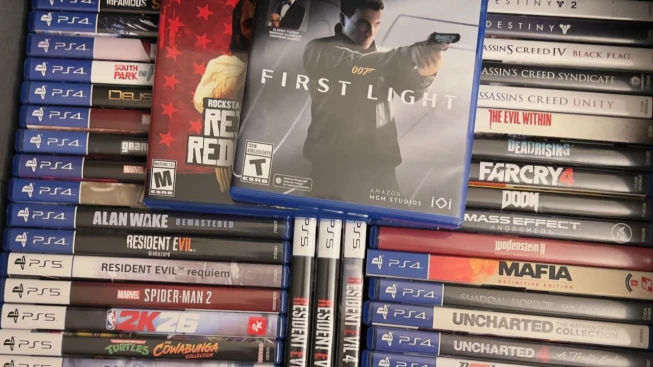
The situation also shows the risk that platform holders become too confident in dictating how consumers buy games.
PlayStation is still one of the biggest gaming platforms in the world, and that gives Sony a lot of leverage over developers, publishers, and customers. But if enough players and enough companies get fed up with the direction, the pressure might eventually force the company to rethink some of its decisions.
There’s no sign Sony is giving up on its digital strategy, at least not yet. The company seems to be bought into the larger shift to digital distribution, but the level of frustration from developers and publishers is difficult to gauge from the outside. But that the debate is now about more than consumers makes it all the more pressing.
PlayStation’s future doesn’t have to be all physical or all digital, but it’s increasingly worrisome that consumers could eventually lose the option. Sony's approach could create friction with the rest of the industry if developers also believe physical games are still commercially relevant in some markets.
Editor, NoobFeed
Latest Articles
No Data.