
NVIDIA N1X Benchmarks Reveal Strong Consumer CPU Potential
RAM price growth is slowing as cautious buyers, expanding production, and lower memory requirements reshape the hardware market.
Hardware by Naheyan Tahmin on Aug 31, 2026
The memory market may finally be reaching its breaking point. For months, RAM prices have been climbing as AI companies, cloud providers, and hardware manufacturers competed for limited memory supply. But now, buyers are starting to push back. Manufacturers are preparing more capacity. Nvidia is considering designs that use less memory.
At the same time, Nvidia's first serious consumer CPU has appeared in benchmarks with some surprisingly strong numbers. So, are PC hardware prices finally about to improve? Here's what's happening. Recent TrendForce market data suggests that the huge increase in DRAM spot prices is beginning to lose momentum.
Buyers are Becoming More Cautious
At the end of July, DDR4 spot prices were still rising rapidly, but between July 29 and August 4, mainstream DDR4 spot prices reportedly rose by only about 0.17%. That's a massive slowdown compared with the increases seen just weeks earlier. The most important part isn't just the price movement.
Actual buying activity appears to be weakening. Many buyers are checking prices but refusing to complete purchases because sellers are still asking for extremely high prices. Even DDR5 demand appears cautious. That doesn't mean RAM prices will crash tomorrow, but it could mean the market is reaching a point where customers simply refuse to keep chasing higher prices.
Another interesting signal is coming from Nvidia. According to reports, Nvidia has been evaluating different memory configurations for its future Rubin Ultra generation of AI GPUs. Instead of relying only on extremely large 12-layer HBM4E stacks, Nvidia is reportedly also studying 8-layer configurations and other alternatives.
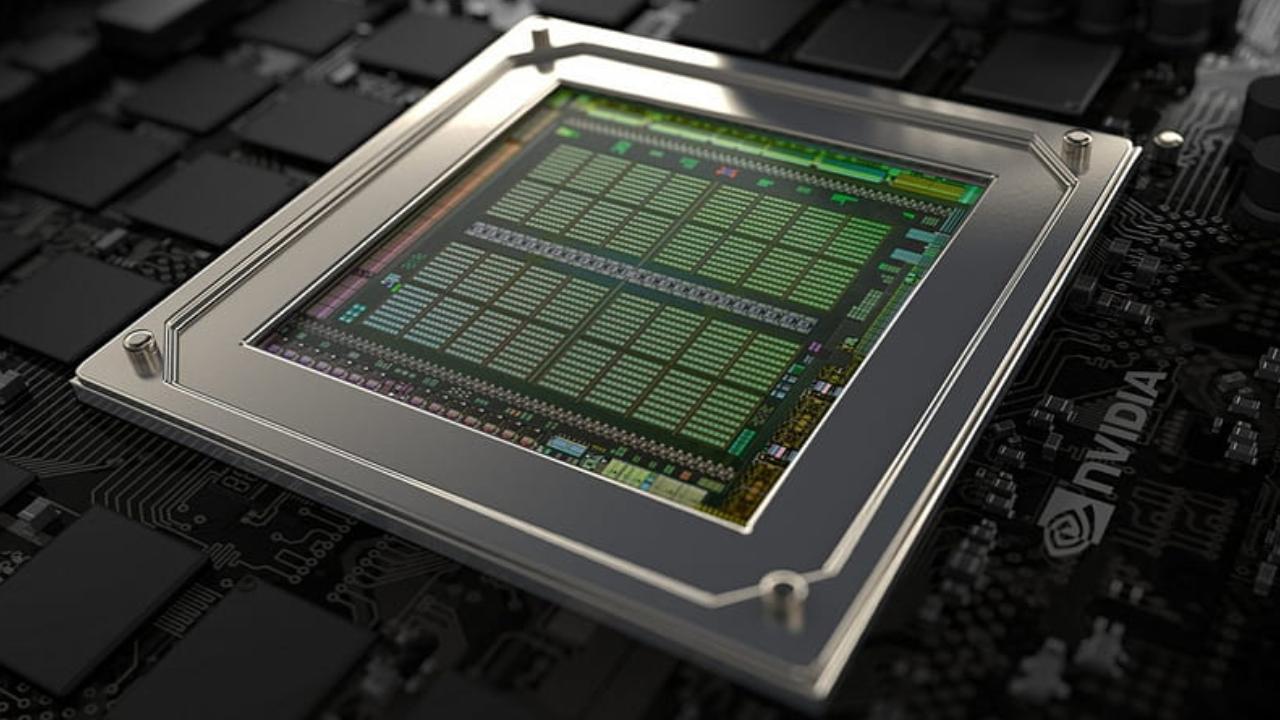
Nvidia's upcoming N1X processor has reportedly appeared in Geekbench running Windows 11 on ARM.
Think about what that means. The companies creating enormous demand for high-end memory are now considering ways to use less of it. When memory becomes expensive enough, companies start redesigning products around the shortage. Memory manufacturers have been expanding aggressively, including plans for additional production capacity.
Other memory companies are also investing heavily in new fabs and manufacturing. More suppliers competing for major customers could eventually put additional pressure on memory pricing. None of this guarantees cheap RAM next month, but weaker buying activity, lower memory requirements, and additional production capacity could all push the market in the same direction.
The higher-end version reportedly features 20 CPU cores and a large integrated Blackwell GPU with 6,144 CUDA cores. In leaked Geekbench 7 results, the 20-core model scored around 2,570 points in single-core performance and more than 23,000 points in multi-core performance. If those results represent the final hardware, Nvidia could become a serious competitor in the high-performance ARM PC market.
Editor, NoobFeed
Gaming Hardware Updates
No Data.