
Fable’s 20-Hour Story Raises Questions About its Long Development
Playground Games has revealed that Fable’s main story could take around 15 to 20 hours, putting more pressure on the RPG to make its world, choices, and life-sim systems matter.
News by Tahmid Mahi on Sep 01, 2026
Fable has finally given players a clearer idea of how long its main story will take, and the answer has already started a conversation about what an RPG should actually be. According to Playground Games, the mainline quest content will take around 15 to 20 hours to complete.
There could also be another 15 to 20 hours of side quests and open-world exploration, while the game's life-sim systems are designed to keep you playing for much longer. That means Fable may not be a massive RPG in the traditional sense, but its overall experience could still become considerably larger depending on how you choose to play.
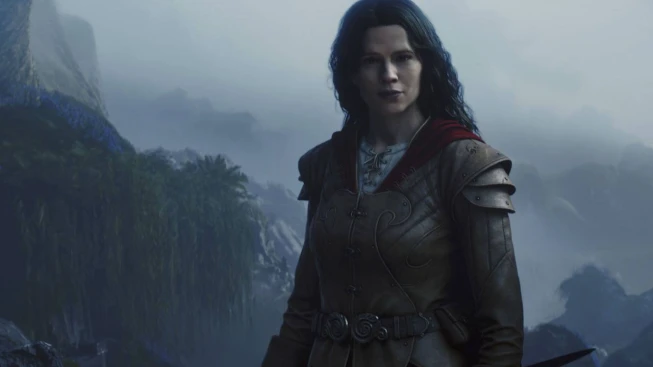
The information was revealed in a group Q&A at Gamescom 2026, where associate game director of gameplay Will Kennedy spoke about the game’s expected length.
Kennedy explained that Fable has around 15 to 20 hours of mainline quest gameplay, alongside roughly another 15 to 20 hours of side and open-world exploration content. He also pointed toward the game's life systems, which are described as effectively limitless because you can continue engaging with them for as long as you want.
On paper, that puts Fable somewhere around the 30-to-40-hour range if you focus on the main story, side content, and exploration. That is considerably shorter than some of the giant RPGs that have become common over the past decade, but it is not necessarily a problem by itself.
The bigger issue is what Playground Games does with those hours and whether the game gives you enough freedom to make them feel meaningful. If the world reacts strongly to your decisions and the systems encourage you to experiment, a shorter RPG can still offer plenty of depth.
That distinction is especially important because Fable has been in development for a long time, which naturally created expectations that the finished game would be enormous. After years of waiting and multiple delays, it is understandable that some players expected a huge open-world RPG with dozens upon dozens of hours of content.
Hearing that the main story can be completed in roughly 15 to 20 hours may therefore seem surprising. The developers have made it clear that completing the story is only part of what Fable offers.
The side content could potentially double the amount of time you spend with the game, while the NPC and life-sim systems could add another layer entirely.
That is where the new Fable could benefit from following the philosophy of the earlier games rather than simply trying to compete with the biggest RPGs on the market. Fable 1 and Fable 2 were not enormous games by modern standards, but they gave players plenty of opportunities to interact with their worlds and shape how those worlds responded.
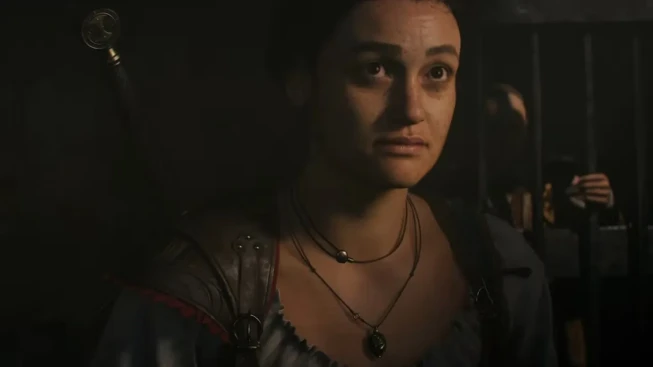
The original Fable games are also a useful comparison because they packed a lot of personality into a relatively focused RPG. You could approach characters differently, make choices that affected your character and the world, and spend time with systems that existed outside the main storyline.
The life-sim side of Fable 2, in particular, could almost feel like its own game once you became invested in it. If the new Fable manages to make those systems just as engaging, you could easily spend far more time in Albion than the main story length suggests.
That is why the shorter runtime is not automatically a red flag. A tightly designed RPG can give you a better opportunity to experience all of its systems without turning the journey into a checklist. When a game is 20 to 40 hours long and highly replayable, you can finish one playthrough and still have a reason to return for another.
There are plenty of RPGs that demonstrate why this structure can work. Star Wars: Knights of the Old Republic, Jade Empire, the Mass Effect trilogy, the original Fable games, and the early Borderlands titles all fit relatively comfortably within that broader range, depending on how much additional content you pursue.
Games such as South Park: The Stick of Truth can go even shorter while still delivering a complete RPG experience. Cyberpunk 2077 is another example of a game whose main story can be much shorter than players might expect from a massive open-world RPG while still giving you a large world filled with optional content.
The important part is that these games can feel substantial without forcing you to spend 100 hours simply to reach the ending.
A shorter campaign also makes replaying the game more realistic, particularly when your choices can meaningfully change what happens. Mass Effect is a particularly strong example because each individual game can be approached as a relatively digestible experience, while carrying your save through the trilogy turns the entire series into one much larger journey.
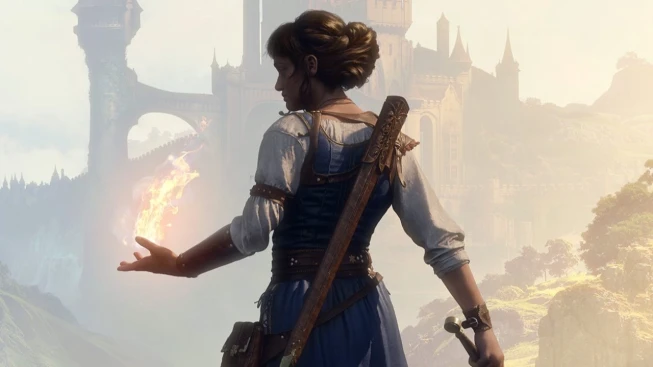
Of course, plenty of RPGs show that longer games can be incredible when developers use the extra time properly. The sheer size of games like The Witcher 3, Baldur’s Gate 3, Elden Ring, Skyrim, and Kingdom Come: Deliverance 2 is a big part of what makes them so enjoyable.
Baldur's Gate 3 can keep revealing new possibilities hundreds of hours into a playthrough, while Elden Ring can easily become a 100-plus-hour adventure before you even factor in Shadow of the Erdtree. In those cases, the length works because the worlds provide enough freedom, content, and variation to justify the time investment.
The problem comes when an RPG is large simply because the genre expects it to be. Dragon Age: Inquisition is a game that has a lot of interesting stuff, but some of the systems and activities can make the whole thing feel bloated.
Starfield can give you a similar feeling by placing you in a giant universe of planets and places, but not all that exploration is equally rewarding. A massive map does not automatically make an RPG deeper, and more content does not always mean a better experience.
The same issue can appear in JRPGs, where lengthy campaigns and large dungeon sections have traditionally been part of the formula.
Earlier games such as Chrono Trigger and the older Dragon Quest and Final Fantasy titles could deliver their stories in a much more compact package. Modern games can sometimes stretch those ideas much further, which can be satisfying when the pacing works but exhausting when the additional content feels like padding.
The Trails series demonstrates another side of the argument because its enormous amount of world-building is a major part of what makes the games special. Even fans can see moments where the story drags or sections could be trimmed.
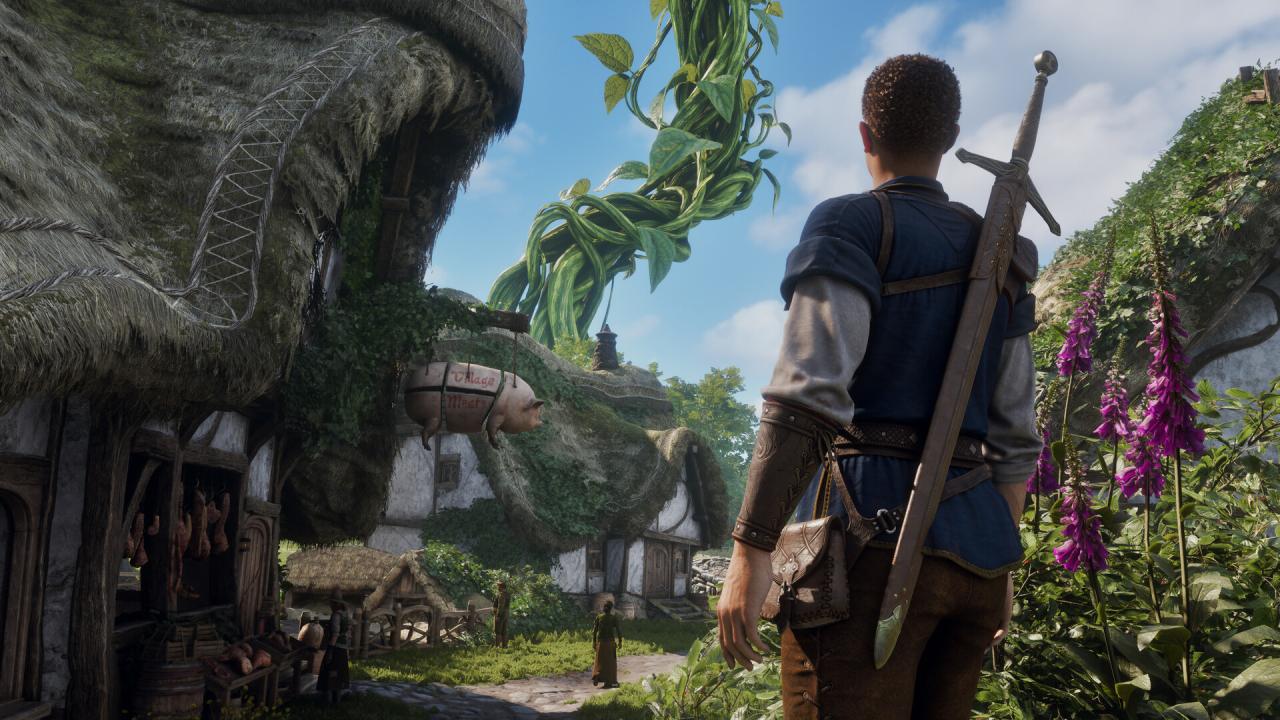
Tales of Arise similarly starts incredibly strong before its later sections begin to feel more stretched out. These examples show why RPG length needs to serve the experience instead of becoming a goal by itself.
There is also the question of price, which becomes more relevant as games continue to cost $70 or even $80. Players want to feel like they got their money's worth, and game length can factor into that decision. A 20-hour RPG can absolutely be worth the full price if those 20 hours are engaging, memorable, and replayable all the way through.
That is where Fable's situation beparticularly compellingesting. The developers are not simply saying that the game is short and ending the conversation there; they are pointing toward its reactive systems, side content, exploration, NPC interactions, and life-sim elements as ways to keep players engaged.
If those systems work as intended, you could finish the main story and still have dozens of hours of meaningful activities waiting for you. The game could therefore end up feeling much larger than its 15-to-20-hour main quest suggests.
The biggest expectation for Fable should therefore be reactivity rather than raw playtime.
If you can meaningfully influence characters, relationships, the world, and the way your story develops, then a focused campaign could actually be a strength. If the main campaign is short but highly linear, with limited consequences and shallow life-sim mechanics, the same runtime could become a weakness.
Ultimately, there is no universal ideal length for an RPG. Some players want a massive world they can live in for months, while others would rather have a focused adventure they can finish and replay without committing an entire season to it. Both approaches can work when the developer understands what makes the game worth spending time with.
.jpg)
Fable now has an opportunity to show that an RPG does not need to be enormous to feel substantial, as long as its choices, characters, exploration, and life-sim systems are strong enough to make you want to keep coming back.
For now, the reported length should probably be viewed as something to watch rather than something to worry about. A 15-to-20-hour main story could be precisely what Fable needs if the surrounding systems give you enough freedom to create your own experiences.
The real test will be whether those extra systems feel like meaningful parts of the game or simply ways to extend the clock. If Playground Games gets that balance right, Fable could prove that a tighter RPG can still give you a world worth getting lost in.
Editor, NoobFeed
Related News
No Data.