
Rise of AI has driven up RAM prices worldwide as DRAM supply tightens
Global memory production shifts toward high-bandwidth server modules as AI infrastructure expansion disrupts consumer DRAM availability worldwide.
Hardware by Tanisha Aria on Oct 29, 2025
The cost of desktop RAM is at an all-time high worldwide due to the growth of AI data centers and the production of high-bandwidth memory. The second half of 2025 has brought another surprise to PC builders: RAM prices have suddenly and sharply risen.
DDR5 and DDR4 memory kits are now selling for twice or even three times what they cost at the beginning of the year, after being stable for almost two years. The problem isn't consumer demand; it's the rapid growth of AI infrastructure and the strain it places on global DRAM production.
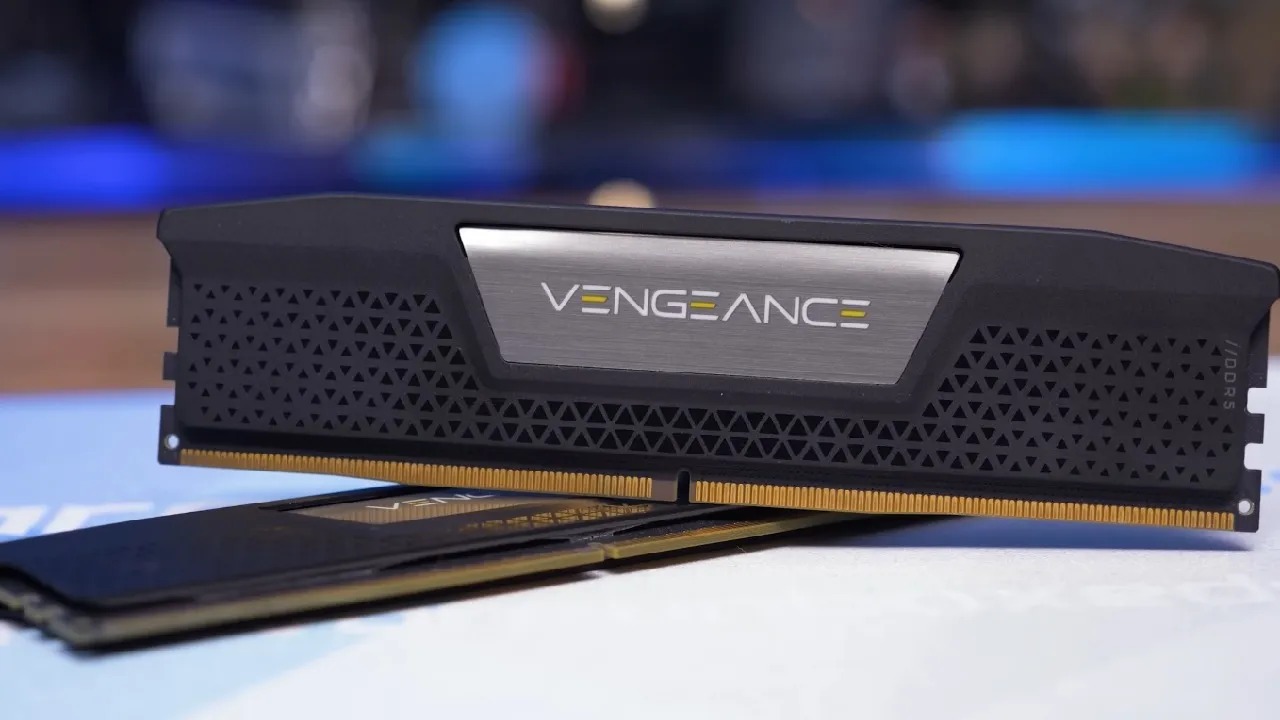
Production capacity to AI servers and high-margin memory
Memory makers like Samsung, SK Hynix, and Micron have changed their manufacturing processes to meet the growing demand for AI data center components. The focus has shifted from regular desktop and laptop memory to high-bandwidth memory (HBM) and server-grade DDR5 modules used in large-scale compute clusters.
AI accelerators, such as Nvidia's H200 and AMD's MI350 series, rely heavily on specialized memory types for speed and efficiency. Manufacturers are focusing less on consumer DDR5 kits to win big business contracts. This has made them harder to find and caused prices to rise.
The growth of AI servers
The AI boom isn't just happening with a few big cloud companies. Companies across many fields, including finance and healthcare, are rapidly deploying large-scale AI systems into their operations.
Compared to standard computing infrastructure, each server rack can require terabytes of high-speed DRAM, thereby increasing overall DRAM demand by orders of magnitude.
According to industry experts, AI-focused memory now accounts for more than 60% of all DRAM revenue. This would have seemed impossible just two years ago. Because of this change, there is a production bottleneck, and desktop and laptop memory lines have to make up for the loss.
Immediate effect on consumer markets
Corporate AI buildouts operate on long-term contracts, while the consumer PC market operates on open-market inventory. This means that any drop in the amount of DRAM available for retail channels will quickly affect prices.
In October 2025, some popular DDR5 kits priced between $90 and $110 suddenly rose to more than $200 in just a few weeks. Budget-friendly DDR4 modules also went up by as much as 70%, making it more expensive to finish or upgrade even older builds.
Retailers and system integrators have struggled to maintain their stock levels. Some have even stopped running promotions or limited the number of items available to stop people from buying them just to sell them. The ripple effect has even reached prebuilt systems, where companies have to cut back on memory to keep their profit margins.
Tight deadlines and delivery schedules
The fast pace of building AI data centers makes this shortage even more of a problem. In the early 2020s, cloud projects grew slowly. Now, projects are driven by the need to compete and the financial obligations that come with meeting investor expectations.
Microsoft, Google, and Amazon are spending billions on new AI clusters to train and use big models. Each deployment uses a lot of DRAM, HBM, and flash storage, which can take months for production to catch up.
Because of this, the memory market not only faces a lack of supply but also short-term spikes in demand that make it almost impossible to predict long-term demand.
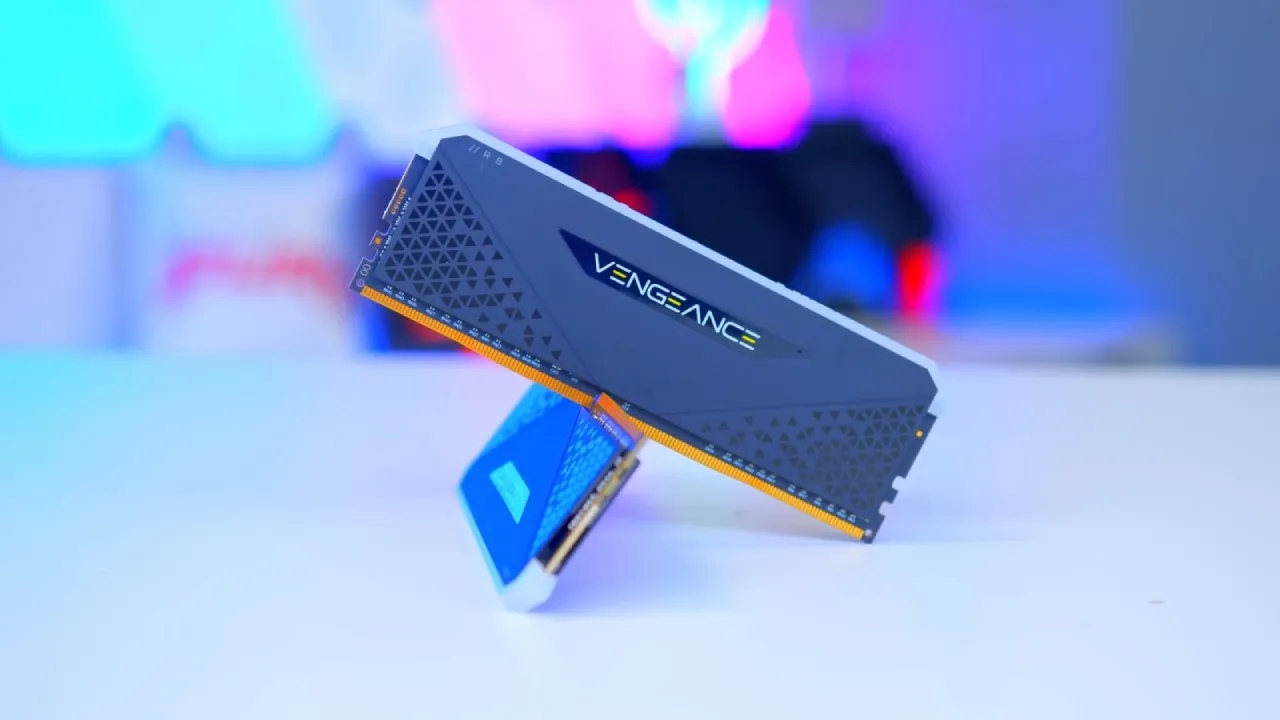
Balancing priorities because of the low profit margins
DRAM makers have a financial reason to put business customers first. HBM and server-grade DDR5 have profit margins that are many times higher than those of consumer DIMMs.
Because AI-related contracts are so large, companies don't have much reason to use up their limited wafer space on retail items that generate less revenue.
According to analysts, enterprise HBM production has margins of 45–55%, while consumer DDR5 only has margins of 15–20%. As long as the AI boom goes on, this imbalance will mean that most manufacturers don't care much about desktop memory.
Biggest price hikes depending on imports
Countries in Southeast Asia, Eastern Europe, and South America that lack robust local distribution networks have seen the largest jumps in retail prices. Import dependence, longer shipping times, and weaker currency exchange rates make global changes even bigger.
Even big online stores have had trouble maintaining stable stock levels, forcing regional suppliers to rely on smaller shipments at higher prices. Even though there are global suppliers, DDR5 prices vary widely across countries.
Gamers and PC fans put off upgrades
The current situation is similar to the GPU shortages of 2021–2022, when most of the available graphics cards were used for cryptocurrency mining. This time, though, it's AI memory demand that's to blame, not blockchain.
People building mid-range or high-end gaming PCs are now reconsidering their upgrade plans. Instead of 64 GB kits, they often choose smaller 32 GB kits.
People who are really into workstation setups, especially for 3D rendering or making content, are also feeling the pressure. System builders say that if prices keep going up, some people might not build new computers until early 2026.
Analysts predict temporary stabilization
Experts in the field still can't agree on when—or if—prices will return to normal. Optimists say the current rise is just a temporary phase and that supply will improve once the first wave of AI infrastructure is fully deployed in mid-2026.
But more cautious predictions suggest that high memory prices could persist for several years due to ongoing AI training and the introduction of new generations of hardware. The speed at which next-generation DRAM fabs are being built in South Korea, Taiwan, and the United States will have a significant impact on many things.
Government incentives and a wider range of chips
Several governments have already recognized that global DRAM supply chains are weak and have begun funding companies to help them produce more of it at home. The U.S. CHIPS Act, Japan's semiconductor revitalization program, and new European Union funding programs all want to make regional manufacturing more resilient by 2027.
If these efforts work, they could eventually even out the memory market by making it easier to produce more memory and reducing reliance on a few suppliers. For now, though, the effects are still years away, meaning consumers and small businesses remain at risk of fluctuating component costs.
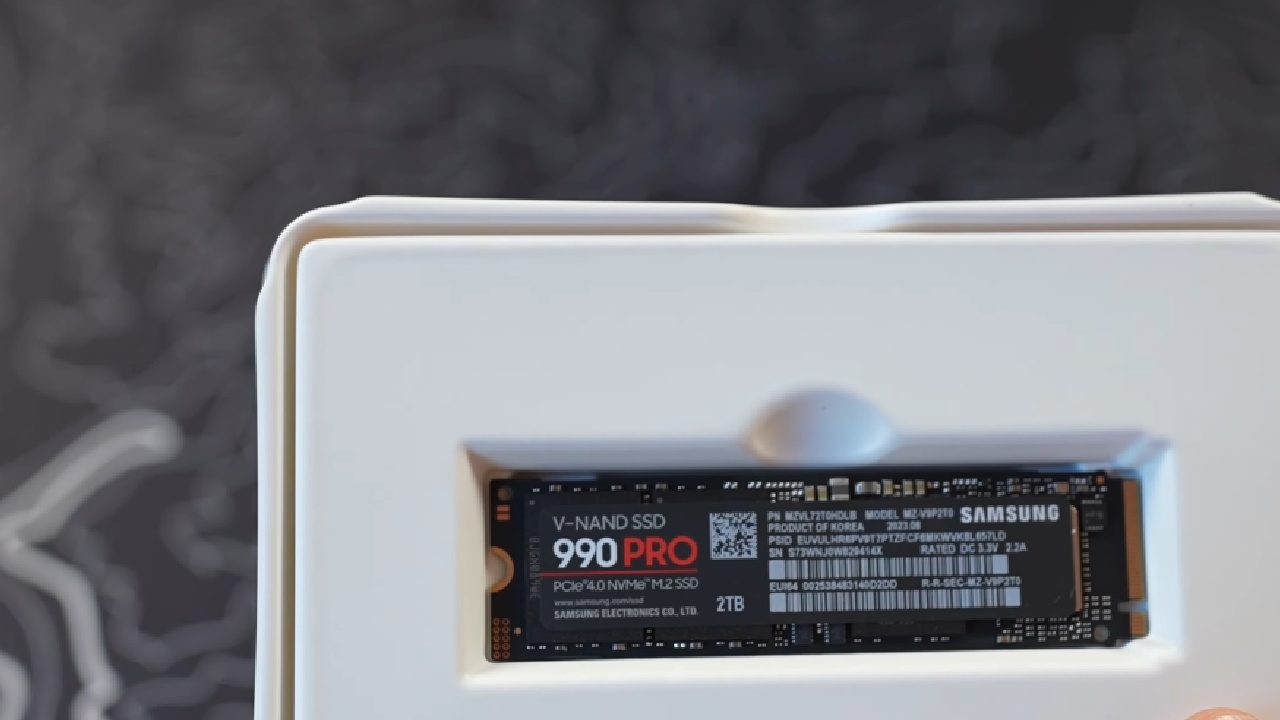
New normal for memory prices could redefine PC builds
Many analysts think the market will not return to its pre-2025 levels, even if prices stabilize. Manufacturers have learned to put high-value business clients first, and the cost structures of new DRAM technologies like DDR6 and HBM4 may keep baseline prices higher than they were before.
Because of this, PC builders may have to get used to a "new normal" in which 32 GB of DDR5 is still a high-end option rather than a standard one.
This change could affect how system integrators design mid-range computers in the long run. They might focus more on the GPUs and storage's performance than on the amount of memory they have.
Also, check our other hardware articles:
- AMD Ryzen 9 9950X3D Review: Setting The Standard For 2025 Gaming CPU
- Amazon Luna 2025 Review: Is Prime Gaming's Cloud Service Your Go-To For Casual Fun?
- AMD RX 9070 XT Review: AMD's RDNA 4 Champion for 1440p Gaming
- GeForce Now Ultimate: Ditching Your Gaming PC For Cloud RTX 4080 Power?
- NVIDIA GeForce RTX 5080 Review (2025): Still A 4K Gaming Powerhouse?
- Intel Core Ultra 9 285K Review And Performance Breakdown (2025)
- AMD Ryzen 7 9800X3D Review: 3D V-Cache Goes God Mode with Stunning Gaming Performance
- Intel Core Ultra 9 285K vs AMD Ryzen 7 9800X3D: In-Depth Gaming Performance and Benchmark Comparison
- NVIDIA GeForce RTX 5080 Super Performance In Cyberpunk 2077: Path Tracing & DLSS 4.0 Tested
- AMD Radeon RX 9070 XT In Cyberpunk 2077: Ray Tracing & FSR 4.0 Tested
- Intel Arc B580 Review: The $250 GPU Revolutionizing 1440p Gaming
- Intel Arc B570 Vs. B580: Value, Specs, And Real-World Gaming Performance
- RTX 5090 Laptop Vs. M4 Max MacBook Pro: Ultimate Raw Performance Vs. Battery Endurance
- Intel Arc b580 Vs. RTX 4060: Game Performance And Value Analysis
- RTX5090 Hell Is Us Demo 4K Ultra Benchmark: DLSS Vs. Native Performance Guide
- NVIDIA RTX 5070 Review: Mid-Range Muscle or Marketing Hype?
- Nintendo Switch 2 Review: Handheld Performance, Features & Value Breakdown
- RTX 5070 Ti Review: Performance, Thermals & Power Efficiency Tested
- Samsung Odyssey OLED G81SF Review 2025: Ultimate 32-Inch QD-OLED Gaming Monitor
- AMD RX 9070 Performance Review: Thermals, Clocks, and Real-World FPS
- AMD Ryzen 5 7600 Review: Best Budget Gaming CPU of 2025?
- AMD Radeon RX 7800 XT Review: RDNA 3 Power For Midrange Gaming
- Asus ROG RTX 5090 Astral OC Vs. Founders Edition: The 4K Gaming Benchmark
- Intel Core i5-13400F Gaming Performance: Still Worth It in 2025?
- ASUS GeForce RTX 5090 LC Liquid Cooled GPU Review: Unmatched Silence & Speed
- ASUS ROG Ally X Handheld Review: Double the Battery, Double the Comfort
- Lenovo Legion Go S Review: The Ultimate Steam Deck 2 Alternative
- Sapphire NITRO+ AMD Radeon RX 9070 XT Review: The Ultimate 4K Gaming GPU
- Alienware 16 Area 51 Review: The Ultimate 2025 Gaming Laptop
- Alienware Area-51 Review: Unmatched 4K, Thermal, and Acoustic Performance
- AMD Ryzen 7 7800X3D: Delivers Gaming Performance Far Beyond Expectations
- AMD Ryzen 9 7900X Review: Powering the AM5 Era with DDR5 & PCIe 5.0
- Intel Core i9‑14900K vs. AMD Ryzen 7 7800X3D: Power Profiles & Gaming Benchmarks
- Intel Core i9 14900K: Specs, Benchmarks, and Competitor Comparison
- ASRock Radeon RX 7800 XT Challenger OC Review: Best Price-to-Performance GPU of 2025
Contributor, NoobFeed
Gaming Hardware Updates
No Data.