
Xbox’s Next Gen Console Dead Because of Game Pass
Shift away from exclusives continues to blur the distinction between Xbox consoles and competing platforms
Hardware by Tanvir Kabbo on Mar 04, 2026
Recent comments from Michael Ptor about Xbox Game Pass and a GamesBeat interview with Peter Moore have reignited discussions about how gaming companies view consumers. Headlines have been circulating, including the claim that the next Xbox console is already dead because of Game Pass. The argument has stirred strong reactions across the gaming community.
Michael Ptor’s Track Record and Predictions
Michael Ptor, often referenced in industry discussions, has had a mixed history of predictions. In 2018, he famously said loot boxes only existed because consumers were stupid. We do not think consumers are stupid, but we do think a big part of the problem in the current landscape is that consumers have gotten smart.
People stopped buying loot boxes, or at least bought them far less frequently. Companies are now having a harder time subsidizing costs because when a game launches, people no longer automatically purchase whatever microtransactions are offered. That shift could create long-term challenges for publishers.
He said in 2022 that Sony paid too much for Bungie in the $3.6 billion deal. This was especially true when you compare it to Microsoft's purchase of Activision Blizzard and Take-Two's purchase of Zynga. Looking back, that opinion seems fair, as Sony later changed how much it thought Bungie's assets were worth.
That same year, he predicted Xbox Game Pass would reach 100 million active subscribers once Activision Blizzard games were added. He later doubled down in 2024, claiming it could reach 200 million subscribers within 10 years. That projection has not materialized. Now, he has updated thoughts on Game Pass and the broader Xbox strategy.
Is Game Pass Killing the Console?
The claim that the next Xbox console is already dead because of Game Pass feels like a strange correlation. We do not fully understand how Game Pass alone would kill a console. The reasoning behind that connection has not been clearly explained.
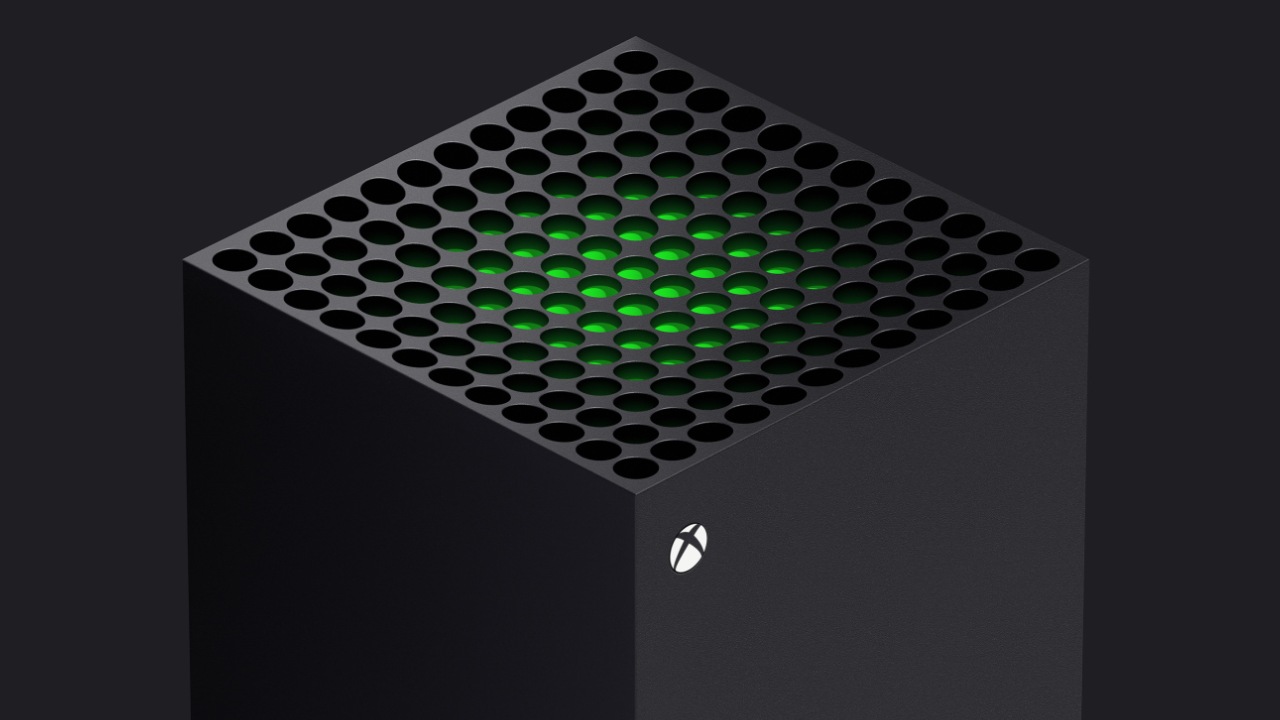
However, there are broader issues affecting Xbox hardware. Xbox Play Anywhere has arguably reduced the incentive to buy a console. If everything is available across platforms, you may ask yourself why you would purchase an Xbox Series X. Pricing also plays a major role. It is not just Game Pass. The console market faces multiple challenges at once.
When leadership talks about a “return to Xbox,” the question becomes how that is realistically achieved. Can exclusives truly return after being expanded to other platforms? Once the genie is out of the bottle, it is difficult to put it back in.
The $30 Subscription Problem
One part of the criticism that resonates strongly is the pricing model. The idea of an all-or-nothing $30 per month subscription creates friction. We have to ask ourselves whether the value proposition truly justifies $30 per month. Many players only buy one or two games per year. Some research suggests that most players purchase at most four games annually, and many focus primarily on just one.
At $30 per month, that totals $360 per year. When a single game costs $70, the math becomes difficult to justify for many consumers. Why pay buffet pricing when you only eat one meal? A $10 per month all-you-can-eat model would likely attract more subscribers. Charging $360 per year upfront for access to a library does not make sense for players who only engage deeply with one or two titles.
We have even seen people cancel their subscriptions because the value is no longer clear. Without strong incentives at the $30 tier, the mental justification is not there.
Confusing Tiers and Value Perception
Another issue is the structure of Game Pass tiers. The current system is confusing. Many people have to watch videos or read blog posts just to understand what they are getting in each bundle. Previously, the offering was straightforward. Around $20 provided access to everything, and the value proposition was clear.
At $30, the service feels priced out of reach for a significant portion of the market. There have been rumors that Microsoft may add more first-party or third-party services to make Game Pass Ultimate more attractive. While that could help, it may also be too late if consumer perception has already shifted.
If adjustments are made, they need to simplify the structure and make the value obvious. Complexity creates hesitation, and hesitation reduces subscriptions.
Exclusives, Handhelds, and the Future of Xbox
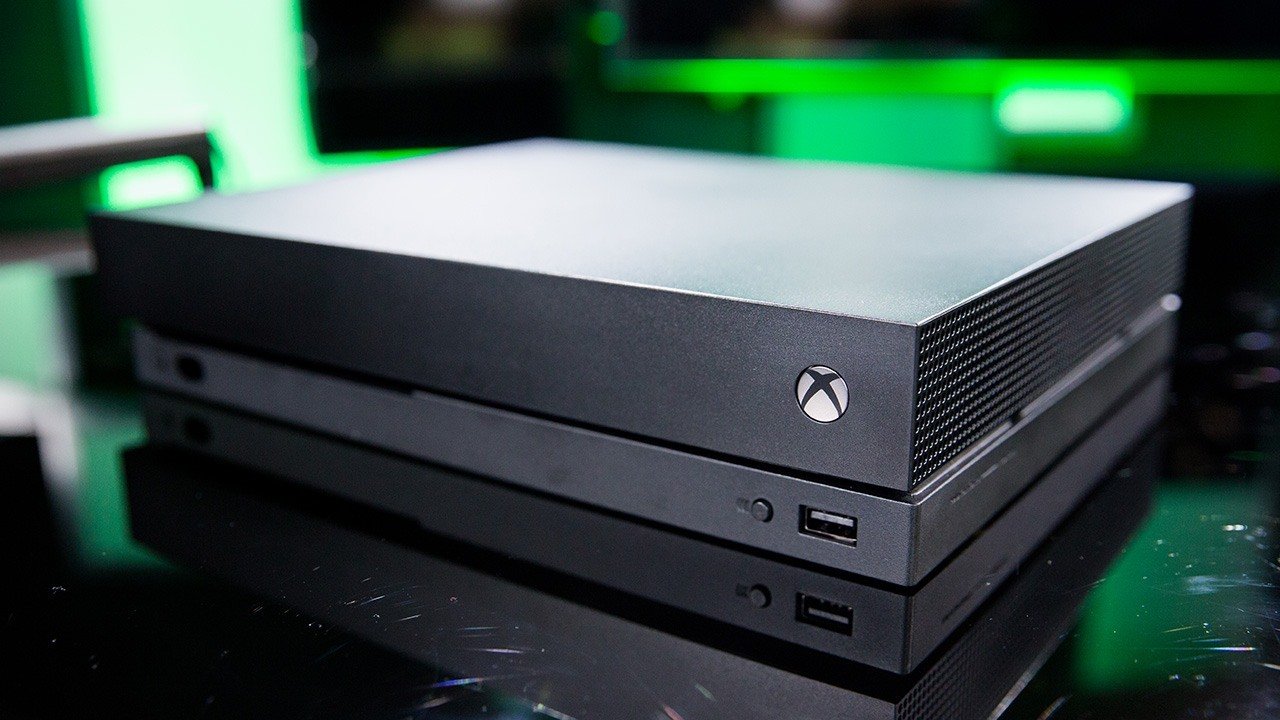
If the focus is shifting back to Xbox hardware, then exclusivity becomes a central question. Titles like Halo, Forza Horizon 5, Indiana Jones, Fable, and Gears E-Day have either launched or are expected to launch on PlayStation 5. Without true console exclusives, hardware differentiation becomes harder.
At the same time, there are rumors of a handheld device and the so-called “world’s most powerful Xbox,” sometimes referred to as Magnus. These are described as PC-console hybrids, which is an exciting concept from a technological perspective. But if Xbox is refocusing on console identity, how do those hybrid strategies fit in?
We have to consider what a compelling offer looks like for both hardcore players and new audiences. People want to play where they want to play. Accessibility and flexibility matter more than ever. The challenge is balancing that freedom with enough differentiation to justify dedicated hardware.
Final Thoughts
The argument that Game Pass alone has killed the next Xbox console feels overly simplistic. However, pricing strategy, tier confusion, cross-platform expansion, and the erosion of exclusivity all contribute to a complicated situation.
We need to see a clearer definition of what Xbox stands for moving forward. If hardware and subscription services don't have a distinct identity, they could end up competing with each other instead of working together to build the same ecosystem. In the next few years, we'll find out if changes are implemented in time or if the brand continues to break up.
Also, check our other hardware articles:
- AMD Ryzen 9 9950X3D Review: Setting The Standard For 2025 Gaming CPU
- Amazon Luna 2025 Review: Is Prime Gaming's Cloud Service Your Go-To For Casual Fun?
- AMD RX 9070 XT Review: AMD's RDNA 4 Champion for 1440p Gaming
- GeForce Now Ultimate: Ditching Your Gaming PC For Cloud RTX 4080 Power?
- NVIDIA GeForce RTX 5080 Review (2025): Still A 4K Gaming Powerhouse?
- Intel Core Ultra 9 285K Review And Performance Breakdown (2025)
- AMD Ryzen 7 9800X3D Review: 3D V-Cache Goes God Mode with Stunning Gaming Performance
- Intel Core Ultra 9 285K vs AMD Ryzen 7 9800X3D: In-Depth Gaming Performance and Benchmark Comparison
- NVIDIA GeForce RTX 5080 Super Performance In Cyberpunk 2077: Path Tracing & DLSS 4.0 Tested
- AMD Radeon RX 9070 XT In Cyberpunk 2077: Ray Tracing & FSR 4.0 Tested
- Intel Arc B580 Review: The $250 GPU Revolutionizing 1440p Gaming
- Intel Arc B570 Vs. B580: Value, Specs, And Real-World Gaming Performance
- RTX 5090 Laptop Vs. M4 Max MacBook Pro: Ultimate Raw Performance Vs. Battery Endurance
- Intel Arc b580 Vs. RTX 4060: Game Performance And Value Analysis
- RTX5090 Hell Is Us Demo 4K Ultra Benchmark: DLSS Vs. Native Performance Guide
- NVIDIA RTX 5070 Review: Mid-Range Muscle or Marketing Hype?
- Nintendo Switch 2 Review: Handheld Performance, Features & Value Breakdown
- RTX 5070 Ti Review: Performance, Thermals & Power Efficiency Tested
- Samsung Odyssey OLED G81SF Review 2025: Ultimate 32-Inch QD-OLED Gaming Monitor
- AMD RX 9070 Performance Review: Thermals, Clocks, and Real-World FPS
- AMD Ryzen 5 7600 Review: Best Budget Gaming CPU of 2025?
- AMD Radeon RX 7800 XT Review: RDNA 3 Power For Midrange Gaming
- Asus ROG RTX 5090 Astral OC Vs. Founders Edition: The 4K Gaming Benchmark
Senior Editor, NoobFeed
Gaming Hardware Updates
No Data.