
CONTROL Resonant Takes a Major Creative Risk by Replacing Gunplay With Melee Combat
Remedy is taking its next game well beyond the formula that made Control a success. The upcoming sequel stars a new protagonist with twisted Manhattan and supernatural abilities.
News by Tahmid Mahi on Sep 16, 2026
CONTROL Resonant has Remedy Entertainment taking a different approach to their game, ditching the gun-based combat of its predecessor in favor of a melee combat system and a new protagonist and setting. Rather than building upon familiar mechanics, the studio is using the sequel to experiment with new storytelling, combat, and world design techniques.
The original Control became one of Remedy's biggest successes after its 2019 release, earning praise for its third-person combat and strange narrative built around psychoanalysis, mythology, and paranatural phenomena. Its mysterious setting and unusual storytelling also helped establish the game as one of Remedy's most distinctive modern titles.
Instead of following that success with a straightforward sequel, Remedy first returned to Alan Wake and transformed the series into a survival horror experience with Alan Wake 2. CONTROL Resonant now appears to follow a similar creative direction, with the studio making significant changes rather than simply refining its existing formula.
The story takes place seven years after the events of the first Control, with the Federal Bureau of Control keeping the Oldest House under lockdown.
The bureau has spent years trying to contain the hostile paranatural entities inside the building, but now those efforts have failed. Jesse Faden, the bureau's director, is also missing, leaving her brother Dylan to take on a crisis that threatens Manhattan and the people caught within it.
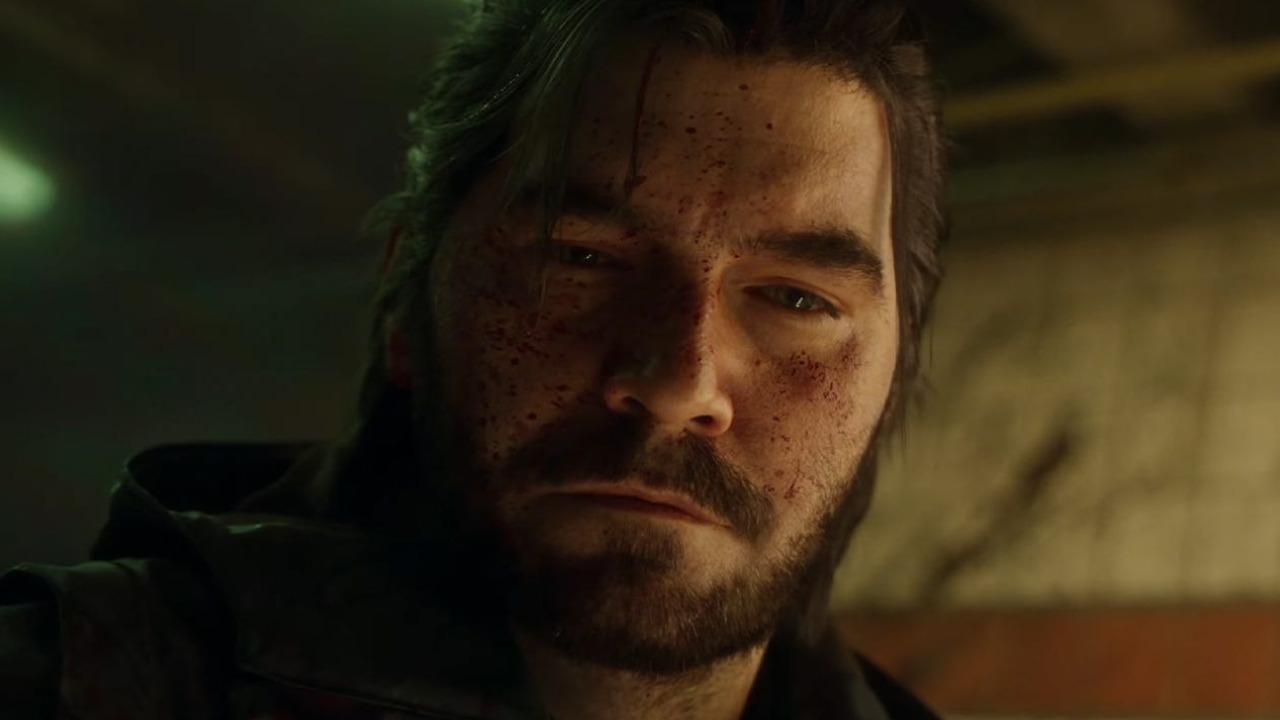
Dylan's return comes after he awakens from a coma, following years of imprisonment and experimentation by the FBC because of his paranatural abilities. Although he has little reason to trust the organization responsible for taking away his childhood, he still wants to help the innocent people affected by the disaster.
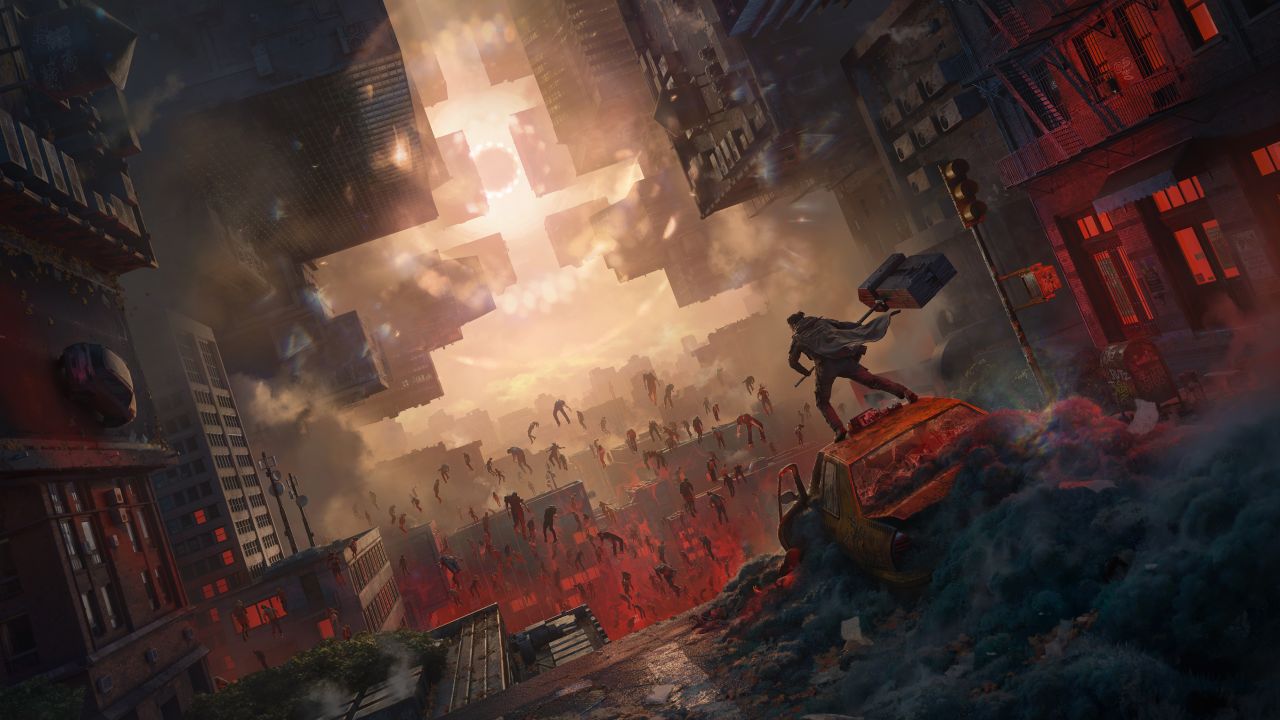
One of the most significant changes comes in the game’s version of Manhattan, which Remedy describes as open-ended rather than a traditional open-world experience. Rather than one giant map full of repeated activities, the city is divided into a few large zones, each with its own visual identity, threats, secrets, and hidden encounters.
Manhattan, in itself, has been transformed by an unknown cosmic force, with gravity and the environment behaving in ways that defy normal physical laws. Preview footage has shown streets that appear to disagree about which direction is down and buildings folding in on themselves.
Dylan's movement abilities are designed to work alongside these environments, bringing back abilities such as levitation and evasion from the first game.
The major new addition is Shift, which allows him to change the direction of gravity and use walls and ceilings as surfaces to move across. This ability will affect exploration and combat, giving you new ways to navigate the game's twisted locations and deal with enemies.
.jpg)
Combat is undergoing an even more substantial transformation, as CONTROL Resonant replaces the original game's gunplay with a shape-shifting weapon known as the Aberrant. At the start of the game, you can choose from three forms: an axe, dual blades, or a scythe.
The Aberrant is not Dylan's only offensive tool, as supernatural abilities also play a central role in combat. After defeating one of Manhattan's resonants, you can choose from up to three abilities, including throwing rocks, summoning a turret, or creating an offensive shield.
The talent system builds on these choices by giving passive upgrades and more powerful interactions between Dylan’s supernatural powers and the different Aberrant forms. This structure might give you more room to play with combat combinations and make each playthrough feel unique.
Switching from a gun to a melee weapon is more than just a change in how players attack enemies.
Remedy needs to rework the environments, enemy behaviors, and controls to facilitate close-range combat while keeping the speed and devastation that made the original Control fun. Since the studio has never built an entire game around melee combat, the new system is one of the most significant risks in the sequel's development.
Dylan's experience is entirely unique, as the FBC imprisoned him as a child, experimented on him, and kept him confined for years, leaving him with little reason to share Jesse's loyalty. His painful history with the bureau could create tension throughout the story, especially when he must decide whether to trust the very people who once took away his freedom.
But his mistrust is mingled with a desire to help those affected by the disaster. His handler, a new FBC agent named Zoe Divera, can guide him through the crisis, while Emily Pope returns as acting co-director in Jesse’s absence. Their involvement gives the story another layer as Jesse tries to understand what is happening while working with people she does not fully trust.
CONTROL Resonant also has the opportunity to explore several unanswered mysteries from the original game.
One of the biggest concerns is Northmore, a former bureau director who became so paranaturally powerful and unstable that the FBC sealed him inside the NSC power plant. With the Oldest House's containment systems now compromised, the game could reveal whether Northmore remains inside or has become connected to the new crisis.
Another part of the story that might get more attention is the Board and the former. Jesse's trust in the Board began to crumble during the Foundation DLC, particularly when she found out about the Board's conflict with the Former. The sequel could reveal why the Former was kicked out, what it was doing, and how the competing forces relate to the bureau's future.
Beyond these mysteries, the game will probably continue to explore the psychological and mythological concepts that helped define the original Control. The first game presented the collective unconscious as a force that can change reality, but the interaction between Jesse and Polaris opened up questions of consciousness and individual identity.
Remedy does not guarantee that all CONTROL Resonant changes will work, and players have not played the game yet. However, the sequel has its own identity thanks to the studio’s willingness to break away from the formula set forth by Control. CONTROL Resonant is set to launch September 24 on PlayStation 5, XBOX Series X|S, and PC via Steam and Epic Games Store.
Editor, NoobFeed
Related News
No Data.