

Steam Machine Price Explained: Is Valve's Gaming PC Worth the Cost?
Steam Machine pricing reflects its compact gaming PC design rather than direct competition with traditional consoles or desktop systems.
Hardware by Godrics01 on Jun 26, 2026
Steam Machine has generated mixed reactions since its announcement, largely because of its price. At first glance, it looks expensive compared to both gaming consoles and custom-built PCs. However, its position in the market is different from that of either category. Looking at its hardware, intended audience, and form factor provides a better understanding of why Valve priced it the way it did.
Steam Machine is no longer aimed at the casual mass market because of its pricing. Valve described it as an entry-level gaming PC, but never fully explained an important detail that became clear later. Because of that, many people expected pricing comparable to gaming consoles, which led to strong criticism after launch.
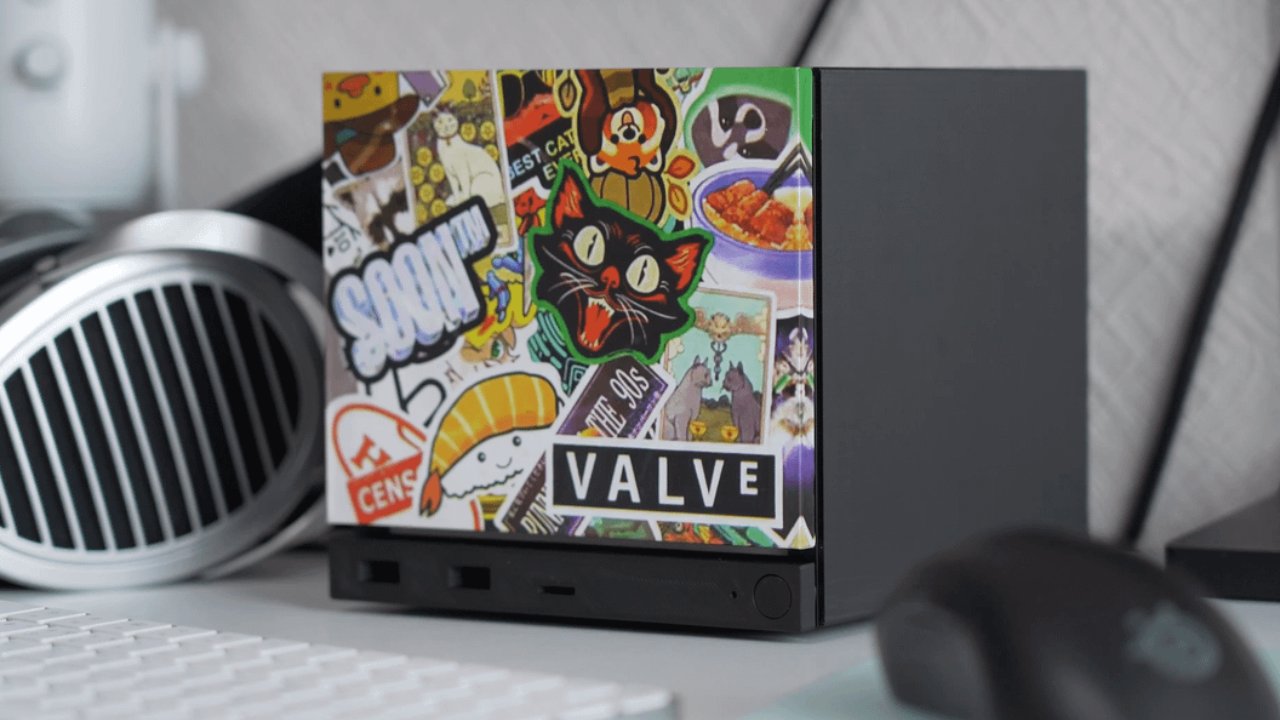
Reviews questioned its value and even its target audience. Valve had already stated that it would not price the system like a subsidized console, but many buyers continued comparing it to one anyway.
Why Comparing It to a Console Doesn't Work
A common comparison is between the Steam Machine and the PS5. The console costs less and delivers higher gaming performance, but both products serve different purposes. Valve cannot follow the same strategy with the Steam Machine. Someone can purchase it, install Windows immediately, and use it for editing, media playback, or general computing without using Steam at all.
Valve places no restrictions on installing another operating system or different software, just as users already can with the Steam Deck. Because Valve cannot guarantee long-term ecosystem spending, the company cannot subsidize the hardware like a console manufacturer. Although the Steam Machine resembles a console in appearance, it functions as a gaming PC with considerably more flexibility.
Building a PC is Still Different
Building a gaming PC remains the better option for raw performance at a lower cost. That part is difficult to dispute. However, the Steam Machine is a pre-built mini gaming PC. Matching its hardware in a custom build usually means using a larger chassis while selecting less expensive components in areas such as the power supply. Building the system also requires time and assembly.
Its compact form factor is one of its biggest selling points. Many buyers simply want a system that fits neatly inside a living room entertainment cabinet. While a traditional gaming PC can achieve similar performance, it occupies much more space. Looking specifically at mini gaming PCs changes the comparison. Lower-end mini PCs equipped with Radeon 780M or Radeon 680M graphics generally cost around $500 to $600.
Their performance is mainly suited for 720p or 1080p gaming, while 1440p gaming becomes much more challenging. Moving above that category leads to premium mini PCs using higher-end Ryzen processors that often cost well over $1,000. Steam Machine lands between those two segments. It occupies a mid-range position with relatively few alternatives in the mini gaming PC market.
Features That Go Beyond the Hardware
Although a custom mini-ITX build is possible, it still misses several integrated features Valve includes with the Steam Machine. These include the front LED light bar, built-in antennas that function as a proprietary controller dongle, quiet cooling, HDMI CEC support, and an overall plug-and-play experience designed for the living room.
A standard entry-level gaming PC may outperform the Steam Machine while costing less, but it usually lacks the same compact integration and convenience. Current RAM shortages have significantly increased hardware costs. Valve appears to be pricing the Steam Machine close to its manufacturing cost.
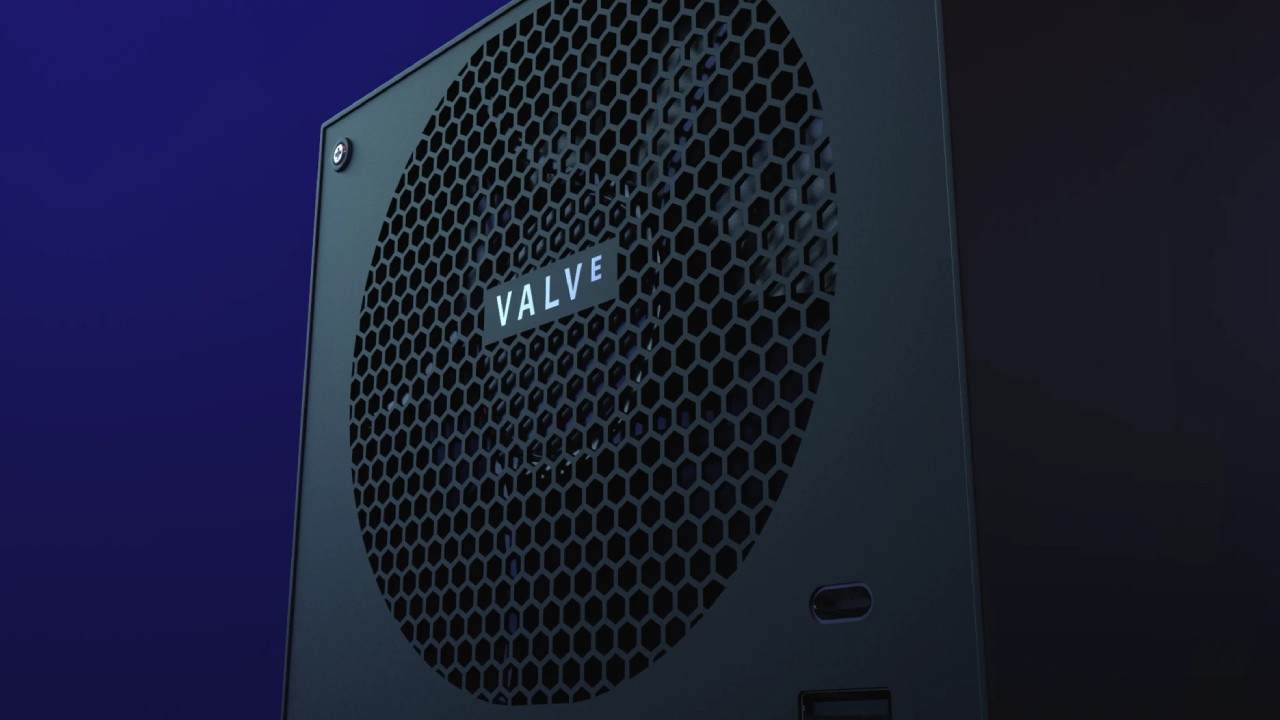
Compared with similar custom builds, the additional cost is roughly $70, while it still includes integrated features that a self-built alternative would not have. Those extras include the embedded antenna system, HDMI CEC functionality, and the LED light bar. That leaves very little room for profit, suggesting Valve is operating with relatively small hardware margins instead of aggressively increasing prices.
Long-Term Value Could Improve
Valve hardware has consistently improved through software support over time. The Steam Deck received ongoing updates, FSR implementation, and extensive community support through projects such as Decky and Lossless Frame Generation. Similar long-term software improvements could eventually benefit the Steam Machine as well. At the same time, increasing RAM prices may push future hardware costs even higher.
As component prices continue rising, developers may need to spend more effort optimizing games for lower-end hardware because not everyone will be able to upgrade regularly. Future gaming hardware is also unlikely to maintain current console pricing as manufacturing costs continue increasing.
The Steam Machine serves a specific audience rather than the broader gaming market.
It makes the most sense for anyone looking for a clean SteamOS experience in the living room without having to deal with setup or configuration. Convenience, compact size, and simplicity are its primary strengths. On the other hand, anyone who enjoys building PCs, prioritizes maximum gaming performance, or has a limited budget will likely find better value elsewhere.
Steam Machine fills a niche that has received little attention in the mini gaming PC market. Its pricing may appear high when compared directly with consoles or traditional desktop PCs, but those comparisons overlook its intended purpose.
From a general consumer perspective, it will not suit everyone. However, viewed as a compact pre-built gaming PC with integrated features, quiet operation, and a living room-focused design, the pricing becomes much easier to understand. Whether it succeeds will largely depend on continued software support, hardware availability, and the extent to which buyers value convenience over raw performance.
Editor, NoobFeed
Latest Articles
No Data.