

PC Market Correction Begins as Motherboard Prices Crash Amid Memory Cost Surge
Rising memory costs are forcing motherboard vendors to slash prices as unsold inventory continues to accumulate.
Hardware by Godrics01 on Jun 25, 2026
PC hardware market is under significant pressure as memory and storage prices rise. This makes people less likely to update and lessens demand for some parts. As people put off buying things because of higher prices, companies have to change how they set their prices. Recent events show that the market is starting to respond.
For example, some types of hardware are now being sold at steep discounts as sellers try to clear their excess stock. The answer to high memory prices is finally here. Not too long ago, during AMD's Q1 earnings call, the company announced a prediction for the second half of the year. Specifically, due to higher costs for memory and components, it expects gaming revenue to decline by more than 20% compared to the first half.
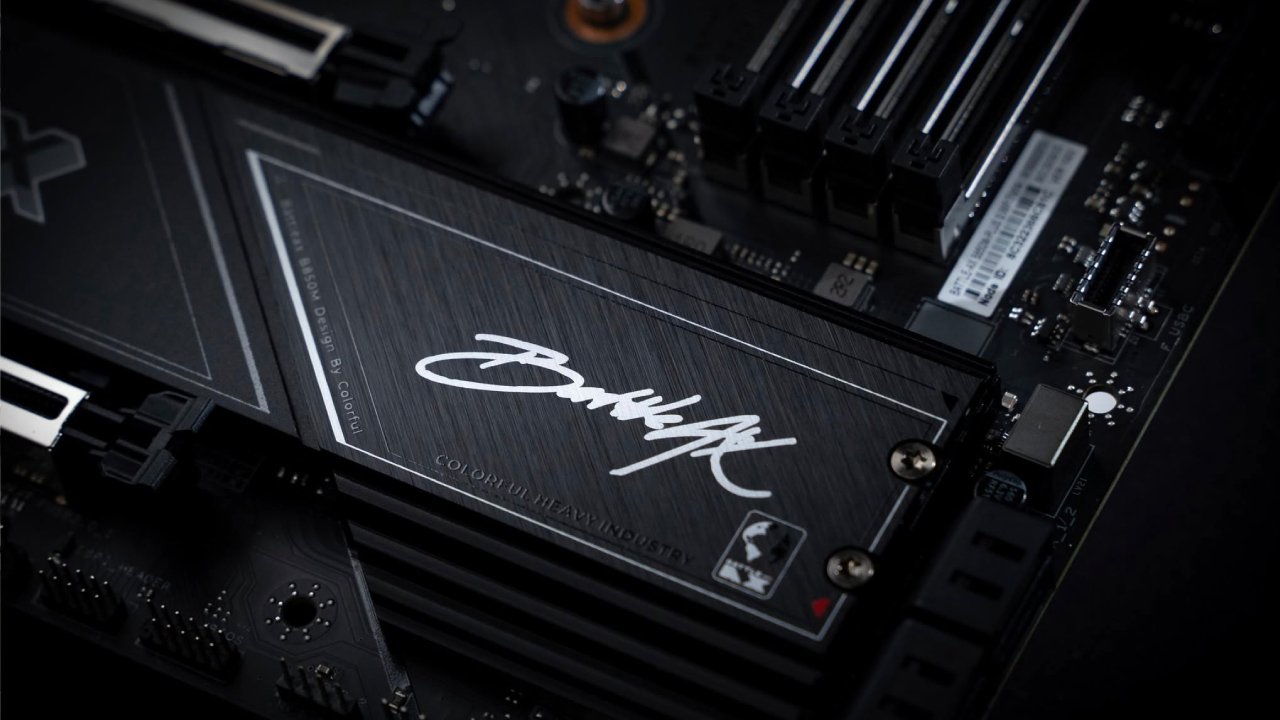
Motherboard Prices Begin to Fall as Demand Weakens
It's worth keeping in mind that there was likely already a small decline from Q4, as memory prices had become expensive by then as well. Either way, this made it clear that while memory and storage prices had gone through the roof, the drop in demand would likely force lower prices on other PC components.
Shortly afterward, reports claimed that motherboard sales had essentially collapsed. Now, that situation is finally affecting prices. According to a new report, motherboard vendors are so desperate to move inventory that flagship boards are now selling for what used to be entry-level prices. Discounts are reportedly reaching as high as 56% on certain models.
While major sales events are being used as the reason for these discounts, deals of this scale have not been common. If you were already planning to buy a premium motherboard, these price cuts could offset part of the increased cost of memory, depending on how much memory you intend to purchase.
The reason is straightforward. Memory and storage prices have been climbing because of demand from the AI sector. As a result, many consumers have delayed upgrades, leaving motherboard manufacturers with warehouses full of unsold inventory. The result is aggressive discounting aimed at moving stock.
Although this does not solve the memory pricing issue itself, it demonstrates that markets eventually respond to changing demand. When enough consumers refuse to pay elevated prices, something in the supply chain has to adjust. In this case, motherboards appear to be the first component category experiencing that correction.
Steam Machine Pricing Highlights the Memory Problem
While many people have been focused on the Steam Machine launch, another development may have a larger impact on the PC gaming ecosystem. The initial reviews have largely reached the same conclusion: the system is expensive. This reinforces the idea that although motherboard prices are declining, memory costs are still having a major influence on hardware pricing.
The entry-level configuration starts at $1,049 and includes only 512GB of storage without a controller. If you want 2TB of storage and a controller, the price climbs to $1,428. Even at that price point, the hardware includes only 16GB of DDR5 memory and a GPU that delivers performance roughly comparable to an RTX 3060. From a value perspective, those specifications are difficult to ignore.
However, the system does offer one important advantage. Alongside its compact form factor and controller, it ships with SteamOS, a Linux-based operating system designed specifically for gaming. Because it avoids much of the overhead associated with Windows, memory requirements can be lower while still supporting a large library of games.
SteamOS Expansion May Be the Bigger Story
Hidden within the Steam Machine launch is a detail that may matter more than the hardware itself. Valve noted that the latest release of SteamOS now works on AMD GPUs. More specifically, support extends to AMD-powered handheld gaming devices and AMD discrete graphics cards. According to an interview with Valve, the company also has a growing team working on NVIDIA driver support for SteamOS and is collaborating closely with Nvidia on that effort.
In other words, if you looked at the Steam Machine's price tag and decided it was not for you, there is now another option. You can effectively build your own Steam Machine using existing PC hardware and install SteamOS for free. From our perspective, the real story is not the Steam Machine hardware itself. The larger development is that Valve appears to be laying the groundwork for a PC gaming platform that does not rely entirely on Microsoft.
AI Usage Is Becoming a Sales Problem for Game Developers
AI is beginning to create a different kind of challenge for game developers. Rather than replacing jobs, it may be affecting sales performance. According to a new analysis of Steam games, titles that disclose the use of generative AI are performing significantly worse than games that do not include such disclosures. The study found that games with AI disclosures receive 53% fewer reviews, a metric often used as a rough indicator of sales volume.
When players encounter a Steam disclosure indicating the use of generative AI, some appear less willing to purchase the game. Over the past year, Steam has seen an increase in titles that many players describe as AI-generated, featuring generic artwork, unusual screenshots, and formulaic concepts.
There are now thousands of games on Steam that disclose some form of AI usage.
Reports suggest that roughly one in five games released in 2025 used generative AI at some point during development. This creates an uncomfortable situation for the gaming industry. Companies continue to tell investors that AI can reduce development costs, accelerate workflows, and increase content production.
However, if consumers actively avoid games that advertise AI usage, those savings could be offset by weaker sales performance. For years, discussions around AI have focused primarily on what developers want: faster production, lower costs, and increased efficiency. Recent data suggest that players may view the technology differently. At the moment, one of the fastest ways to damage a game's reputation may be to openly advertise that it was created using generative AI.
Editor, NoobFeed
Latest Articles
No Data.