

Why Steam Deck is No Longer the Default Handheld Choice?
Rising handheld prices have reshaped the value equation across the gaming PC market and changed buying decisions.
Hardware by Okazaki on Jun 26, 2026
The handheld gaming PC has evolved rapidly in the last few years. With the cost of home products on the rise, the easy decision to buy has become much harder. While the Steam Deck remains a serious option for handheld gaming, consumers today have options, priorities, and new compromises to consider before shelling out their cash.
The solution to all handheld PC queries for years has simply been to buy a Steam Deck. Hard to beat, as it was offered at a price with a balance of features and usability. Handheld PCs had been around long before the Steam Deck, but most were more of an enthusiast offering from companies like GPD, Ayaneo, or OneXPlayer. They were intended for individuals who already knew about TDP settings and Windows tweaks.
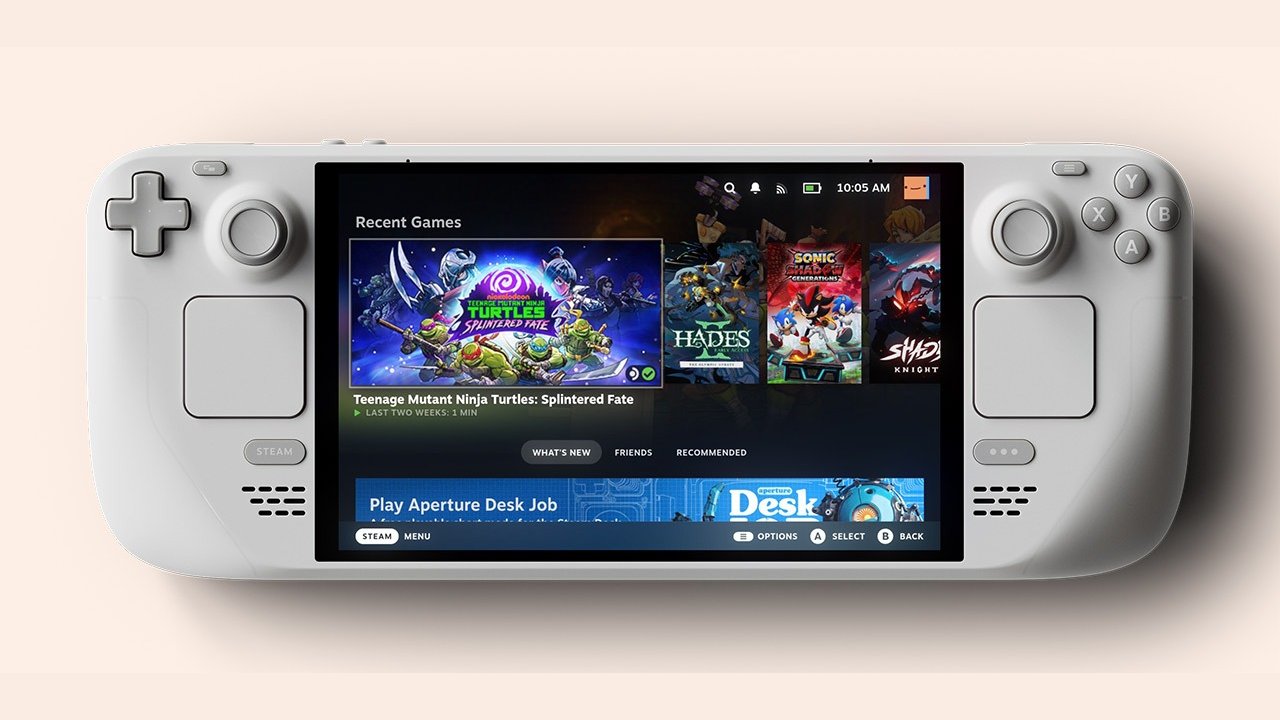
Steam Deck is Becoming the Go-To Gaming Platform
That's where the Steam Deck comes in. It made hand-held PC gaming accessible. Comfortable design, suspend-and-resume, trackpads, solid battery life, and a large community were all part of the equation, making SteamOS more like a console than a small desktop with controllers added on. This, along with the upgraded display, made the experience even better with the OLED model.
It wasn't necessarily about raw performance. The Steam Deck wasn't the quickest handheld. But Valve managed to strike a balance, with the compromises deemed reasonable given the overall polished experience. We've settled on older hardware because everything else worked so well with it that it was one of the easiest handhelds to recommend.
When Prices Rise, the Conversation Shifts
But that balance is thrown off when prices rise. Value isn't simply about spending less money. It's about the price and what you get. When a handheld PC is in a higher price tier, it's only natural that buyers will start considering every option. Valve had previously been selling the Steam Deck in small numbers, and many people saw this as a sign of higher prices, which proved true.
The 512GB OLED got pricier, and the 1TB OLED went even higher. That's when the prices shifted to be more competitive with competing devices that had newer processors and higher-performance hardware, and the Steam Deck ceased to be a no-brainer. But now comes the question that will remain unanswered until the Steam Deck is available: Does the Steam Deck still appeal most when other handhelds offer comparable advantages at a lower price?
Uncontrolled Competition Creates More Trade-offs
ROG's Xbox Ally is now a formidable foe. The Steam Deck OLED's 512GB edition is priced higher but offers similar gaming performance with a faster LCD display. While SteamOS still appears to be simpler to use, Windows offers additional complexity at a lower cost, making it a serious contender.
Ally X is even more compelling than the 1TB Steam Deck OLED. Expensive, but it provides noticeably better hardware, software compatibility, and flexibility. Making a choice between them is no longer as simple as it once was, since each device has its advantages. Rising costs impact not just Valve. The whole handheld PC industry is more costly.
At one time, it was an easy choice at a discount during the holidays, but with the added cost, it's no longer a good one. Handhelds with higher price tags, like the Legion Go 2, continue to raise the bar, and many are wondering if they're worth the money.
Handhelds running Android have also been going up in price. No matter which ecosystem you choose, it is becoming increasingly hard to find the best value as manufacturers keep raising product prices.

Choosing the Right Handheld
Now there's no single winner, as each handheld targets a different kind of experience. We still believe the Steam Deck is the purest gaming console to date. The overall user experience is made for handheld gaming, SteamOS is still easy to use, and the ability to suspend and resume is still functional. But you are also giving up on a more mature top line. Over time, there will be greater expectations and lower settings for new AAA games.
The Ally line is easier to recommend if you're looking for higher performance and wider game support. There are additional frictions, but also more launchers and software to access without restrictions, as seen on SteamOS. Some users address the Windows experience issue by using Bazzite, but this requires further setup that some may not prefer.
Lenovo has some great hardware, too. Legion Go S has a more powerful SteamOS, and the Legion Go 2 delivers amazing performance. The major downside is pricing; both devices are hard to recommend because of this. In addition to traditional handheld PCs, other alternatives remain on the radar.
The Switch 2 offers the easiest experience at a more affordable price, but you're tying yourself to the Nintendo ecosystem.
While they're great for retro gaming, emulation, and streaming, and offer long battery life, they may require more setup and technical knowledge. They're not a Steam Deck replacement if you're looking to play on your native PC. None of this makes the Steam Deck a shoddy handheld. It is still one of the most impactful gaming devices over the last decade and will continue to be the right device for many who make the right buy.
The difference is that, unlike a few years ago, purchasing one today requires more consideration. We believe that each handheld has its own set of trade-offs. Some are all about simplicity, others about raw performance, and some about battery life or flexibility. You should always know what you are buying and what you are losing before you buy.
However, if SteamOS, ease of use, and Valve's overall experience remain your top priorities, then the Steam Deck still makes sense. Now, the handheld market is quite commonplace. If you were looking for alternatives, you have at least a few good options.
Editor, NoobFeed
Latest Articles
No Data.