
Battlefield vs. Call of Duty War Just Flipped: Nobody Saw It Coming
A franchise reborn, a titan stumbling, and a genre on the edge of a historic shift.
News by Maisie Scott on Nov 29, 2025
The industry is going through a quiet change that is only now becoming clear in terms of how big it is. Battlefield and Call of Duty have been rivals for 20 years, and their competition has shaped modern shooters. Because of that competition, whole companies went up and down. Some died because they were too ambitious. Others just couldn't keep up with the rush to release every year. No matter what happened, one thing stayed the same: Call of Duty was still at the top of the charts, and Battlefield was trying to catch up.
What's going on now completely breaks that plan. A place that was once stable and predictable feels unstable, even movie-like, all of a sudden. There is a change in the heavyweight balance, and it is being questioned in real time for the first time in almost twenty years.
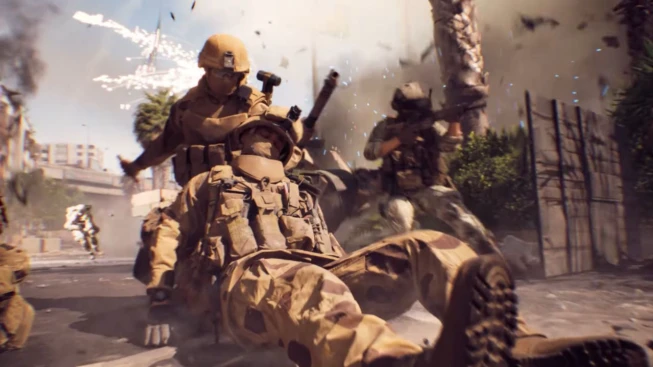
Call of Duty has made a mistake. The series hasn't felt the weight of bad reviews in years. The players aren't feeling good. It looks like the drops in engagement are worse than expected. For the first time, a show that is known for being consistent is stuck in its own gravity. People in all groups keep making comparisons to weaker entries. "Can it hold the ground it once owned effortlessly?" is now the more important question, not "How high will it chart?"
In the meantime, Battlefield 6 is speeding up, which was a surprise. Not slowly moving forward, but speeding up. Circana's October sales numbers showed that this new installment sold more copies than any other book this year. Not only the best-selling shooter, but it is also the best-selling game in the US so far this year.
A series that used to have trouble getting out from under the shadow of its rival quickly pushed past titles that were expected to stay at the top until the holidays.
It's hard to believe the size. In October alone, it sold more copies than Battlefield 1, which was the franchise's all-time high point. One month beating the energy of a whole generation. It's clear from all the graphs, metrics, and comparisons that this isn't a small comeback. It feels more like a seismic restart.
But there are some problems with the win. There is trouble beneath the sales success. Recent reviews on Steam are around the mid-50s, which is a clear sign that having a huge audience doesn't mean you'll get praise from everyone. Early anger showed up quickly. Some maps felt squished, which was a big change from Battlefield 2042's huge, empty worlds. Live-service pace caused problems. Balance problems got worse, then got better after changes. And a split fan base made different demands, with each group believing the franchise should go in a different way.
Yet, this is the paradox that is making it grow. Battlefield 6 isn't just for people who have played previous Battlefield games. There are fans for life. But a new group of players is drawn to them by a framework that is sharper, faster, and more up-to-date. A system that is clearly based on years of watching the biggest shows in the business.
It's true that Battlefield has moved closer to the ground that Call of Duty laid, but it has done so without losing the scale, show, and emerging chaos that make it what it is. It seems that this mix of familiar beats and unique Battlefield DNA is reaching players who stopped playing years ago. It doesn't just lead to big sales; it also leads to real impact.
That being said, the story gets more complicated as you look at it through a bigger view. COD still has a huge number of players. It recently took back the top spot across all platforms in terms of weekly active users. There is still a lot of interest in it that was built up over almost twenty years. Not yet. It may not be moving as quickly as it used to, but the infrastructure and habit processes that support it are still strong.
What changes is how people see things. The gap between the giant and its rival has shrunk—so quickly and so dramatically that it seems almost impossible. In many places, Battlefield came out before either of the last two Call of Duty games. In Europe, sales of the launch were about 60% higher. On Steam, organic engagement is still high weeks after the game came out, which is unusual for this genre, where the original excitement usually fades quickly.
The weather is uncertain for the first time in years. That is historic on its own.
But there is a price to pay for being unpredictable. To make a live-service shooter of this size, you have to react almost instantly to what the community wants. It's a balancing act with every change. One group objects to the increase in force. One person says the skill cap fell when you lowered it. When you add new information quickly, development pipelines get strained. If you slow down the beat, the energy might fade. It almost becomes impossible to keep everyone in line, including longtime fans, casual newbies, battle royale players, and competitive experts.
Still, DICE seems set on making changes quickly and in public. Skins have been taken off and put back on. Balance changes have been looked over again. The rhythms of communication are clearer. On the other hand, the system that was built after Battlefield 2042 seems to be paying off behind the scenes. Even players who don't like some parts of the design agree that the recovery after launch is faster and more responsive than the franchise's previous tries.
But the question that keeps coming up is: What will happen next?
The people in charge of Call of Duty are now at a crossroads. To get back on track, the franchise might need more time for creation and fewer fast release cycles. There is a clear answer, but it will cost a lot. When you change deadlines, you have to give up money, change your plan, and trust in a bigger picture. When companies put pressure on you to make this choice and platform growth is a top priority, it's a lot harder than it looks from the outside.
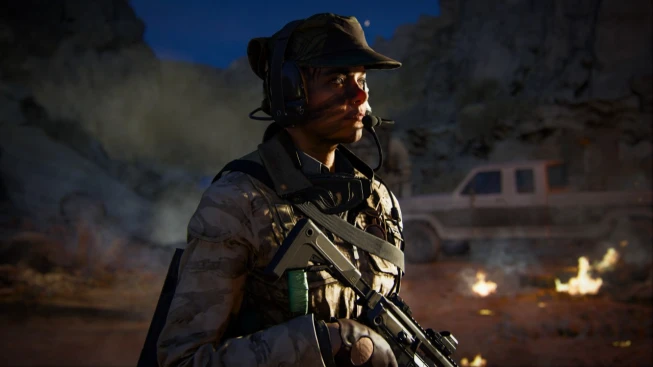
On the other hand, Battlefield is in uncharted territory. More than ever, it is very close to passing a competitor that seemed unbeatable at one point. To keep that spot, though, you'll have to keep coming up with new ideas, stick with the same content, and be willing to please a lot of people at once. It wasn't easy to win this battle; it was tough.
That's exactly what makes the moment interesting: it's complicated. Two big names in the industry are now locked in a rare and unpredictable collision. Each is going through a different kind of change. One is getting back on its feet. The other is questioning its base. The winner hasn't been decided yet, but the race isn't a given for the first time in twenty years. There is a lot of competition.
The shooter genre has moved into a new age. Now the question is who can change quickly enough to claim it.
Editor, NoobFeed
Related News
No Data.