
Blood of Dawnwalker Locks September Release as Gameplay Deep Dive Shows Time Mechanics, and Combat Changes
You are looking at a 55–70 hour RPG where every decision costs time, and the pressure never really lets up.
News by Mahi Araf on Apr 29, 2026
You are getting a much clearer picture of what Blood of Dawnwalker is trying to be, and it is starting to feel like the studio wanted to put every concern to rest in one go. The release date has now been set for September 3, landing just a bit later than some expected, and alongside that came a full package of new gameplay, a story trailer, and even a collector's edition. What stands out most is how confident the game looks at this stage, especially with how much attention is being given to its core time mechanic.
You keep seeing that system reinforced again and again. The developers are not being subtle about it. Time is always ticking, and nearly everything you do interacts with it. When you upgrade abilities using skill points, that pulls time off your overall counter. When you complete certain quest moments, the timer jumps forward.
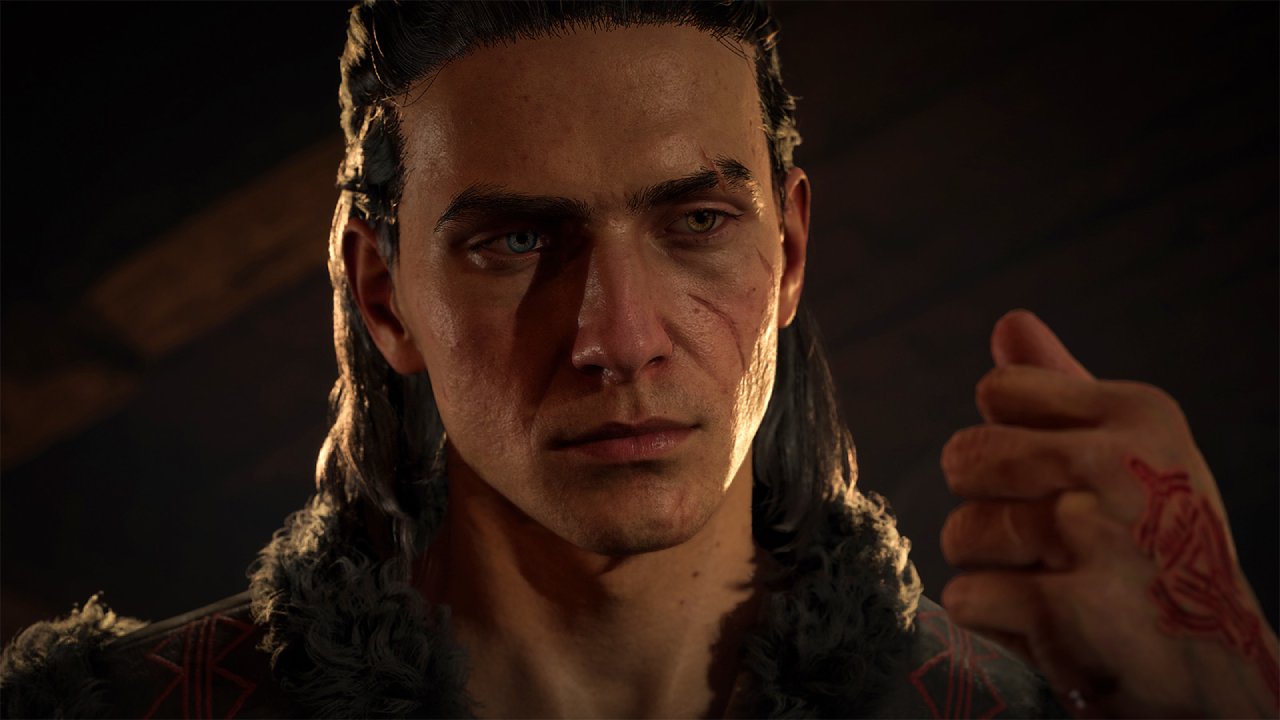
Even specific dialogue decisions can push things ahead. It is not just a background system; it is baked into every layer of the experience. At the same time, the team has gone out of its way to make sure you understand that this is not going to cut your playthrough short. Internal playtests shared through the PlayStation blog put a full run of The Blood of Dawnwalker between 55 and 70 hours, and most of that can be experienced naturally without feeling rushed.
You are also not locked into a rigid structure when it comes to progression.
At a certain point, you can attempt the final objective whenever you want, even if you are not ready. It is going to be extremely difficult, and you may fail, but the option is there. If you run out of time completely, the game does not simply stop. There are consequences, and it sounds like those consequences are tied to a ritual involving Cohen's family. That outcome likely leads to a bad ending, but the story still plays out instead of cutting you off entirely.
During gameplay, you can actually see the timer reacting in real time. Destroying barrels filled with blood nudges it forward. Taking on side encounters, like fighting wraiths in smaller story moments, does the same. It becomes clear that the system is constantly responding to your actions, even if the changes are not always dramatic. The idea is not to punish you immediately, but to make sure everything you do carries weight over time.
Beyond that, the presentation feels broader than what has been shown before.
Earlier showcases leaned into more structured demonstrations like swordplay or extended dialogue scenes. This time, you are seeing a wider slice of the game. You get a sense of scouting, climbing to high points to look across the landscape, and understanding how the world is laid out.
Movement has also been expanded. You are not just walking everywhere. At night, you can transform into a wolf for faster travel, while daytime movement introduces its own speed-based mechanics that help you get around more efficiently.
The world itself reacts to you in more systemic ways as well. The edict system makes a return, where your actions anger vampire authorities and lead to new laws being enforced. You see the setup for it through cutscenes, with officials announcing new rules, but the direct gameplay consequences are held back for now. Still, the examples are clear. Restrictions like limiting movement at night or increasing patrols start shaping how you approach the game, and it adds another layer to how your decisions ripple outward.
Menus and progression systems also show some familiar inspiration.
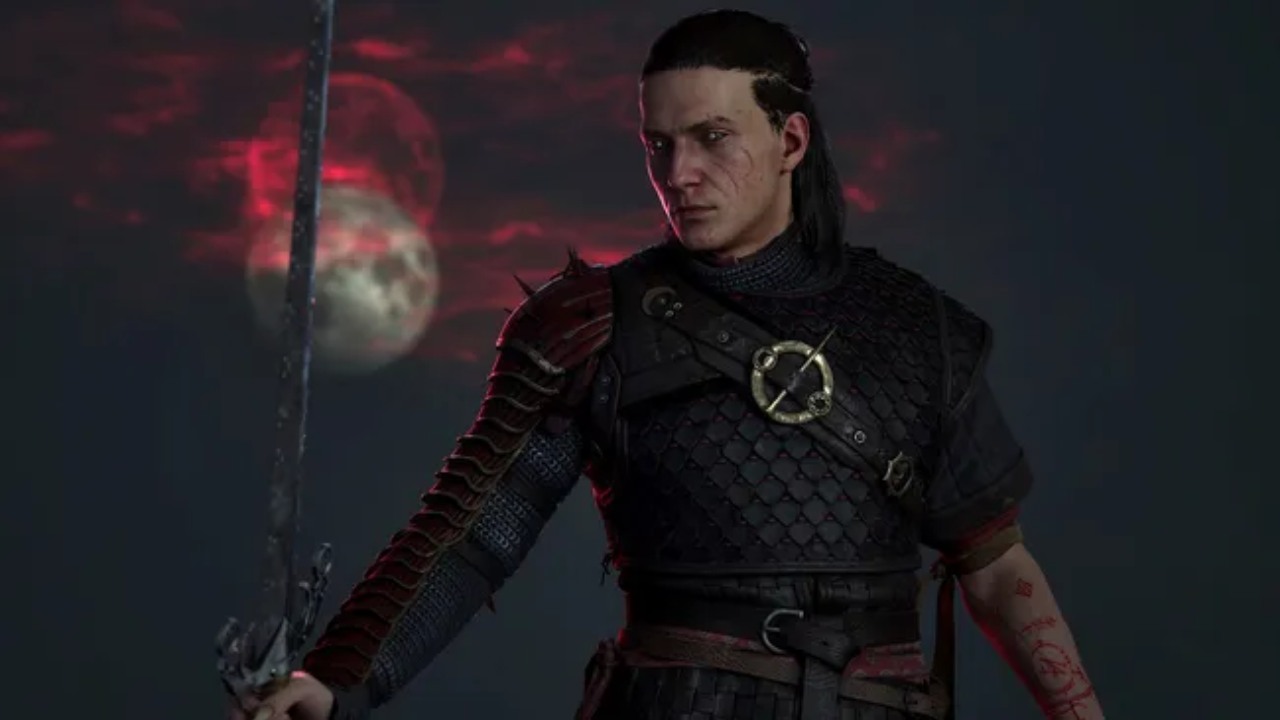
The way your decisions are tracked and branch out feels similar to modern Assassin's Creed titles, while the structure of hunting smaller targets that eventually lead to larger ones brings to mind elements of Middle-earth: Shadow of Mordor. It is not replicating those systems outright, but the influence is noticeable.
You are dealing with captains, a main villain, and a network of relationships that evolve as you take people down. The more damage you do, the more aggressive your enemies become, until their full storylines open up and push you toward the final confrontation.
Combat is another area where the improvements are easy to spot. If you have followed the game from the beginning, the changes are significant. Camera positioning has been refined, and the old ability wheel has been replaced with a more direct system. Now, you are working with quick button inputs that keep everything flowing without stopping the action. It looks cleaner and more responsive, and it is clearly a response to feedback from earlier builds.
In motion, the fighting system of Blood of Dawnwalker leans into directional combat, where you block and attack from different angles. It carries a bit of that structured feel you might recognize from For Honor, especially with how precise the demonstrations look. At the same time, what has been shown so far is very polished gameplay, with near-perfect execution.
There is still curiosity around how it feels when things do not go smoothly, but the foundation is there.
The blood management system adds another layer to everything. If your blood level drops too low, it starts affecting how you interact with others. Conversations can shift, locking you into more aggressive outcomes. People can feel it, and that pressure makes you make choices you might not have thought about before.
You can eat NPCs, even important ones, which can change the course of your own story. Alternatively, you can rely on animals to sustain yourself, which offers a more restrained approach. The system echoes ideas seen in Vampyr, where morality and survival are constantly at odds, and you are the one deciding how far to go.
Everything shown so far points to a game that keeps refining itself. Each new look feels more polished than the last, and the overall direction is becoming clearer. Alongside that, there is a collector's edition priced at $200, featuring a standout steelbook, and the release timing places the game right at the front of a packed September.
It is arriving alongside major titles like Phantom Blade Zero and Marvel's Wolverine, in a month that is already crowded with big releases.
That crowded schedule is not happening by accident. With Grand Theft Auto VI looming over the industry, many developers are trying to avoid it, which is pushing major games closer together. Even so, launching early in the month could give Blood of Dawnwalker a chance to stand out before the rush intensifies.
.jpg)
On the technical side, PC requirements suggest you will need a strong setup to run it smoothly. The game is clearly aiming high in terms of presentation, and that extends to its audio as well, with the music continuing to leave a strong impression.
Behind the scenes, the studio has around 170 people working on the project, and it is being positioned as the start of a larger saga. Plans for future entries already seem to be in place, with the possibility that follow-ups are in early stages even now. Once the first game ships, the focus could shift quickly toward building out the rest of that vision.
All of it comes together as a project that feels ambitious but increasingly confident. With its time-driven structure, evolving world systems, and steady refinement, Blood of Dawnwalker is shaping into something that wants to leave a lasting impression as soon as it arrives.
Senior Editor, NoobFeed
Related News
No Data.