
Canceled Zelda Spin-off Wanted Ganondorf as Playable Lead
A canceled Zelda spin-off reportedly put Ganondorf at the center, and Nintendo’s interest in the character could matter more than the project itself.
News by Adeela Tas on Sep 25, 2026
A potential Ganondorf game has become one of the more interesting Zelda stories to emerge recently, not simply because a project involving the series was reportedly canceled, but because of who Nintendo wanted at the center. According to reports, Ubisoft Milan originally pitched a Zelda game known internally as Project Goliath, but Nintendo pushed for Ganondorf to be the playable lead.
That detail changes the way you can look at the whole situation. The project may be gone, but Nintendo itself appears to have shown interest in a game built around the series' longtime antagonist. That could mean the concept has a future even if this particular version never does.
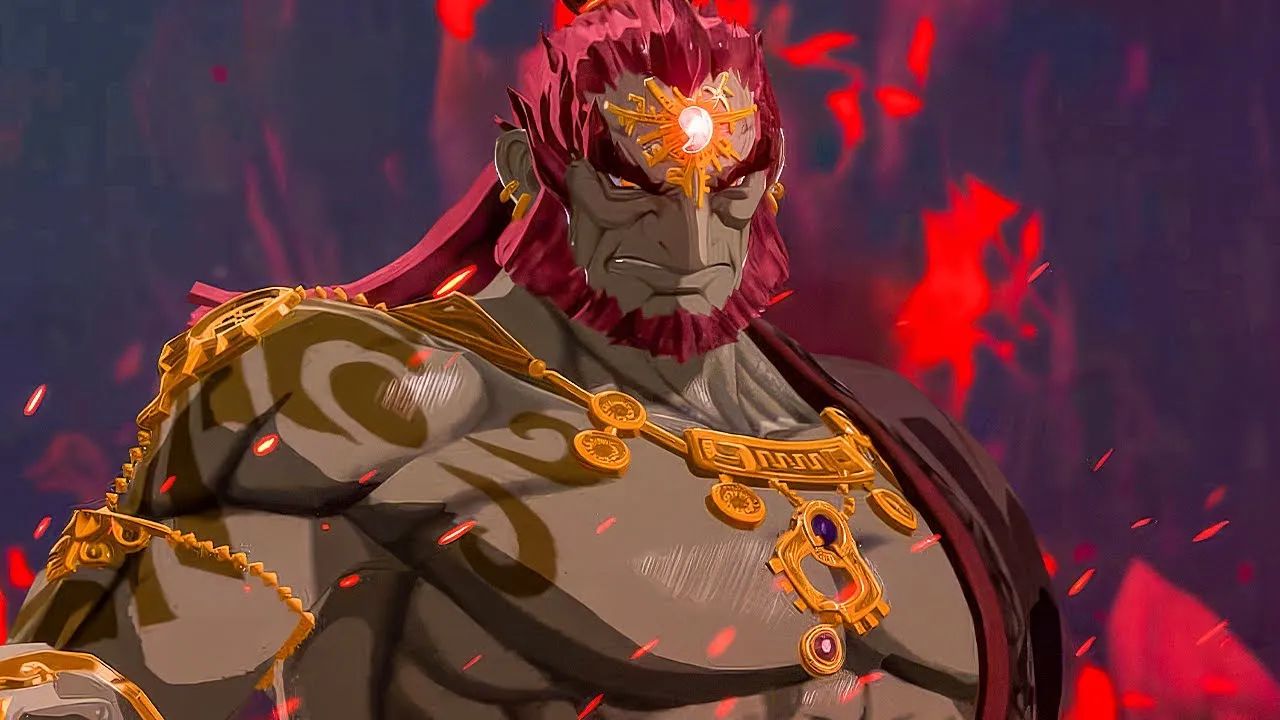
Project Goliath reportedly began taking shape in 2022 before being pitched in 2023. Ubisoft Milan, the team behind Mario + Rabbids Kingdom Battle and Mario + Rabbids Sparks of Hope, was working on the concept with Nintendo.
The original proposal featured an unknown protagonist, but Nintendo wanted Ganondorf to take that role.
The studio apparently accepted the change and continued developing the idea, yet the project eventually fell apart. The exact reason for the cancellation remains unknown, so no confirmed explanation exists for why Nintendo ultimately decided not to move forward.
One possible explanation is the prototype itself. Nintendo had already built a strong working relationship with Ubisoft Milan. The studio delivered two well-received Nintendo collaborations, and it was clearly comfortable working with Nintendo's characters and worlds. That made the reported rejection especially notable.
If the prototype didn't meet Nintendo's quality standards, the company may have decided the concept wasn't coming together properly. That is speculation rather than a confirmed reason, but the circumstances make prototype quality one possible factor. Nintendo had trusted the team before, so a project that failed to progress could indicate this particular idea wasn't working as intended.
The timing also makes the cancellation interesting. If full production had begun in 2023 and followed a typical three- to four-year development period, with the possibility of a longer five-year schedule, the Ganondorf game could have been approaching a reveal around now.
Instead, it disappeared before reaching that point.
The fallout reportedly affected Ubisoft Milan as well, with important developers leaving and some eventually forming independent studios to pursue their own projects. That gives the cancellation consequences beyond losing one unreleased Zelda project.
.jpg)
Still, the most important detail remains Nintendo's request for Ganondorf. A Ganondorf game wasn't simply a concept another studio decided to make on its own. Nintendo reportedly looked at the proposal and specifically wanted its famous villain to become the lead character. That suggests the company was at least interested in exploring what a Zelda adventure could look like from his perspective.
Nintendo has experimented with unusual Zelda spin-offs before. One earlier example was a canceled Sheik project associated with Retro Studios. That game reportedly went through different ideas, including a whack-a-mole-style gameplay concept, before ultimately never becoming a finished release.
These abandoned projects show that Nintendo is willing to investigate different characters and formats within the franchise, even when some concepts never make it to market. That history makes the canceled Ganondorf game easier to interpret as a discarded version of an idea rather than proof that Nintendo has completely moved away from it. The company could take the central concept and give it to another development team later.
Koei Tecmo is one possible fit, although there is no confirmation that the company is working on such a project.
Its experience with character-focused action games and the Zelda franchise would make the studio an obvious candidate on paper. It has already worked with Nintendo on Zelda through Hyrule Warriors, giving it familiarity with the setting and its cast.
A future Ganondorf game would not necessarily have to be another Warriors title, either. The character could headline a dedicated action-adventure game built around close combat, dark magic, and commanding his forces. That would allow Nintendo to explore a different side of the Zelda universe without simply repeating the structure of an existing spin-off series.
There is also a broader reason to think the idea could return. Nintendo regularly uses spin-offs, remakes, ports, and other releases to keep Zelda active across its hardware generations. A shelved concept does not necessarily mean every part of it is permanently abandoned. Nintendo has a history of revisiting ideas, adapting them, or handing them to different teams when the right opportunity appears.
That makes the possibility of another Ganondorf game during the Switch 2 generation worth watching, even though no release or developer is currently confirmed. The canceled project could simply become another piece of unused Zelda development history, but Nintendo's reported involvement in choosing Ganondorf gives the character's future a little more significance.
At the same time, the cancellation shouldn't be treated as something that changes Nintendo's larger Zelda plans.
The franchise continues to receive a steady stream of releases, and Nintendo has repeatedly used different types of games to maintain that momentum. Ports, remasters, remakes, upgrades, and spin-offs can all exist alongside larger projects.
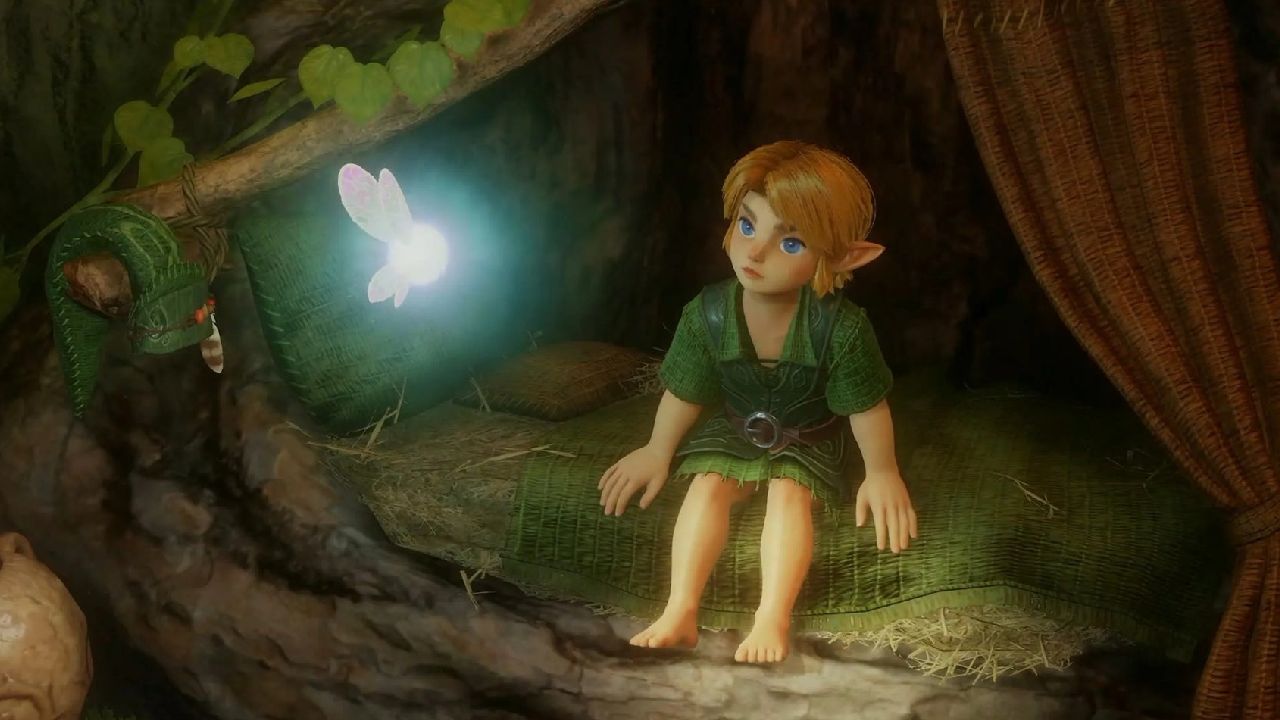
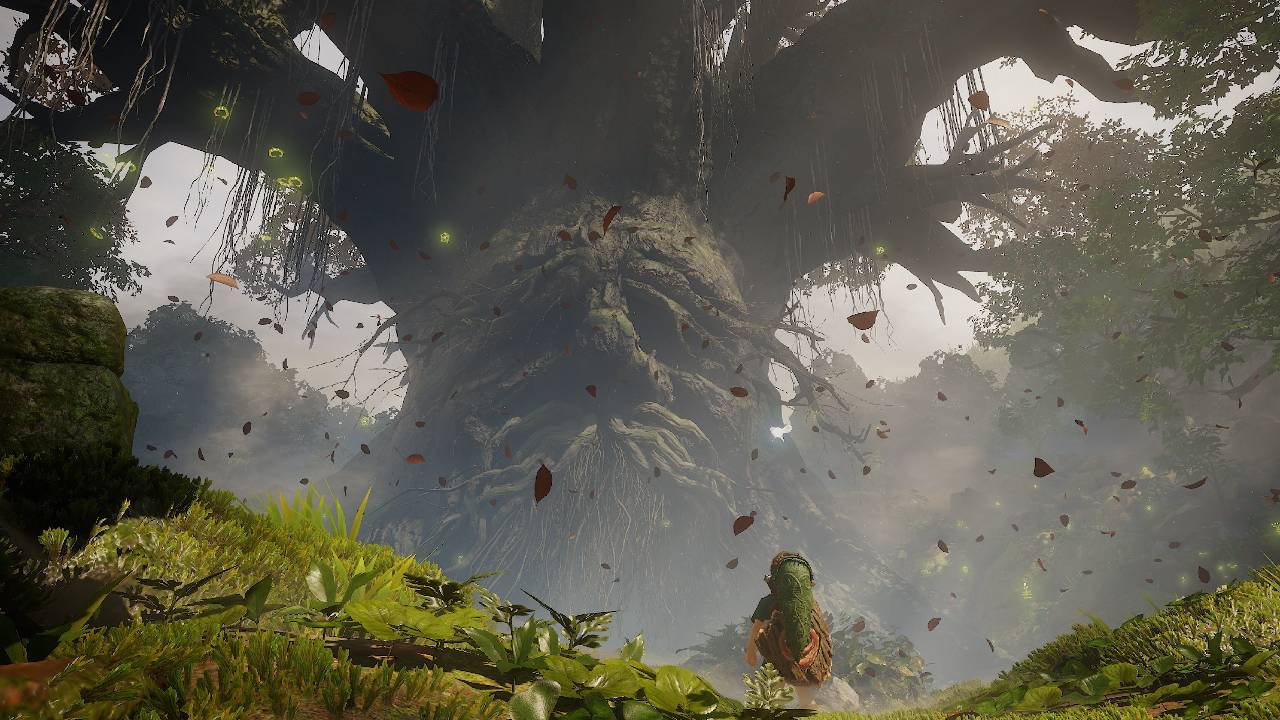
That is where The Legend of Zelda: Ocarina of Time comes into the picture. The remake is not competing with the canceled Ganondorf project for the same slot. A major release like Ocarina of Time would have been planned separately and far in advance, especially given the importance of its anniversary timing.
Nintendo has already demonstrated this approach during the early Switch 2 era. Hyrule Warriors: Age of Imprisonment arrived alongside enhanced versions of Tears of the Kingdom, while Breath of the Wild and Link's Awakening also received dedicated Switch 2 upgrades. The company can support several Zelda projects without treating them as mutually exclusive.
For that reason, Ocarina of Time remains the major Zelda release to focus on. The original Nintendo 64 game is approaching its 30th anniversary, giving the remake an obvious place in the series' long-term celebration. Nearly three decades is enough time for an entire generation of players to grow up with the original and eventually want to experience it again with their own children.
The remake can also serve players who never connected with the original hardware.
Someone who entered the series through Breath of the Wild may find the N64 version harder to revisit because of its older presentation and controls. Modern visuals, updated control options, and quality-of-life improvements can make that classic adventure much easier for a newer audience to approach.
That anniversary timing also matters because Zelda is reaching its 40th anniversary. A major remake of one of the franchise's most historically important games fits naturally into that celebration. At the same time, a separate spin-off can fit differently into Nintendo's release strategy.
The distinction matters because a canceled development doesn't erase the creative direction that led to it. If Nintendo liked the idea of Ganondorf as a lead, another team could approach the character with a completely different structure, tone, and combat system. That would give the Ganondorf game concept another chance without requiring Nintendo to revive the canceled project itself.
It also means you should separate what is known from what remains speculation. The reported pitch, Nintendo's request involving Ganondorf, and the project's eventual cancellation form the core of the story. Any claim about a replacement team or a specific future release remains unconfirmed until Nintendo officially announces something.
So while the Ganondorf game itself may be gone, the idea behind it could live on.
Nintendo's reported request to make Ganondorf the protagonist stands out most, because it suggests the company sees potential in giving one of Zelda's most recognizable villains a leading role. There is no confirmed replacement project, no announced developer, and no release window for another version.
But Nintendo has plenty of reasons to revisit the concept if it finds the right team and the right gameplay direction. For now, the canceled project is best viewed as evidence that Nintendo was willing to explore a Ganondorf-led Zelda adventure. At the same time, Ocarina of Time remains the much larger, planned release tied to the franchise's anniversary celebrations.
Editor, NoobFeed
Related News
No Data.