
Catalyst Reveals Tomb Raider: Legacy of Atlantis and Tomb Raider: Catalyst Ambitious Roadmap
After nearly eight years of silence, Tomb Raider suddenly reemerges with an unexpectedly bold and aggressive two-game strategy.
News by Nami Tanaka on Jan 17, 2026
A huge new development has come to light that could change the future of one of the most famous video game series on PC, PlayStation 5, and Xbox One. After years of silence, the release of Shadow of the Tomb Raider in 2018 sparked significant activity around the brand. This action has led to what appears to be the most ambitious plan for the series in over a decade.
Many people in the gaming world are shocked by how big the return will be. What used to feel like quiet dormancy now looks more like planning for a carefully planned return. Most just thought about it for a long time. We were aware that Amazon Games was working on something and that Unreal Engine 5 was involved, but our hopes were not high.
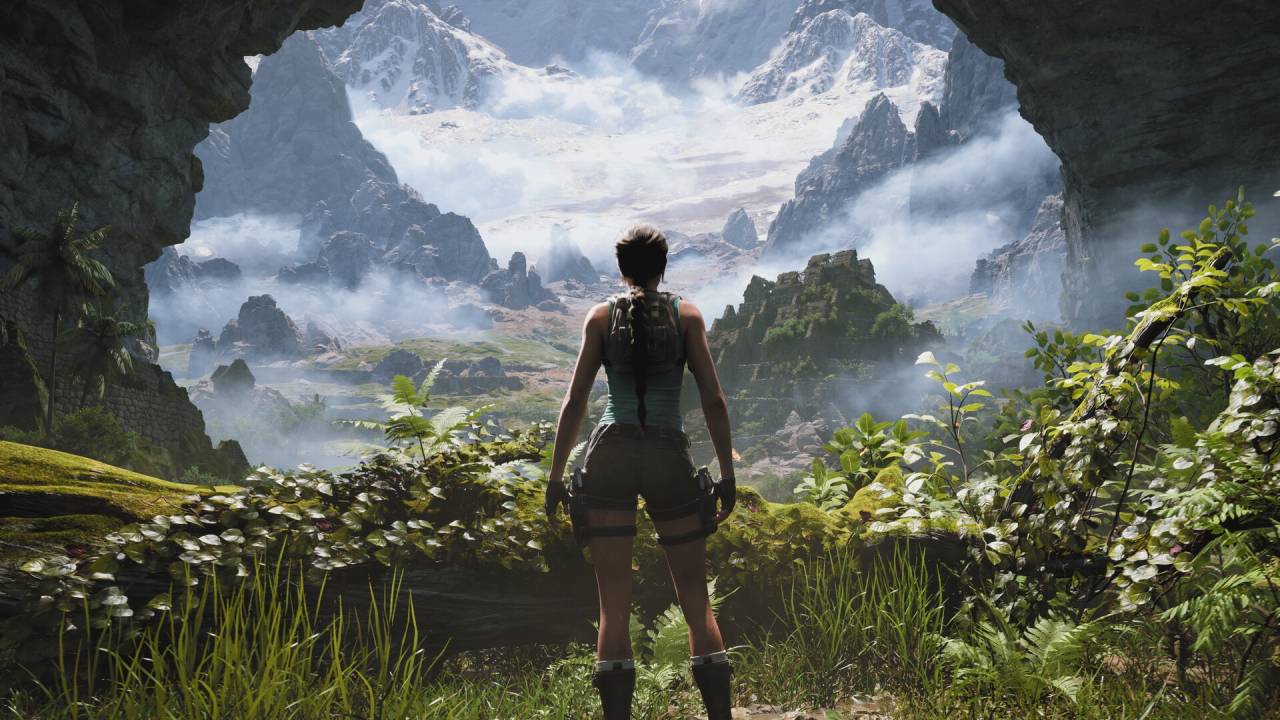
Two full-length Tomb Raider games are coming out soon.
Most people thought there would be only one title, maybe a soft reboot or a continuation of the Survivor era. Instead, the plan looks like it's much bigger. These are not side projects; they are the first games in the next age of Lara Croft. One will launch sooner, while the other will undoubtedly serve as the primary release for an extended period.
The first one is Tomb Raider: Legacy of Atlantis, which might be released much earlier than planned. It's called Tomb Raider: Catalyst and is set to come out in 2027. It's being billed as the real next-generation jump for the series. This isn't just a vague report or an unconfirmed leak; it reads like a planned roadmap reveal that changes the direction Tomb Raider is going.
People in the know have been talking about a "unified timeline" for years, and this seems to be the moment when the idea finally comes together. If you're wondering why the excitement has grown so quickly, it's because these two projects aren't just new books in the series. They change what it stands for. Legacy of Atlantis immediately stands out, particularly for those familiar with the series' origins.
There's a reason why the name makes you think of the early days. Basically, this project is a redo from the ground up of the first Tomb Raider, but it's not a new origin story. The Survivor trilogy already covered Lara's journey to becoming the Tomb Raider by overcoming hardships in great detail. It's a different story this time. Legacy of Atlantis brings Lara closer to her best, or at least to the start of her career as a risk-taking explorer instead of a hesitant survivor.
The remake, made entirely in Unreal Engine 5, does more than just bring back memories.
This is not just a cash-in when you look at the time. It's common to put out a remake right before a big sequel, but this one feels more like the technical and gameplay groundwork is being laid ahead of time. We can see how it makes sense. By using new technology to rebuild an old story, developers can improve systems for movement, traversal, swimming, and fighting without having to invent a whole new story.
If they can make Lara more agile, add dual pistols again, which haven't been seen in a mainline game in years, and update old features, then the groundwork is already done. When the next big game comes out, the gameplay won't have to be redesigned quickly.
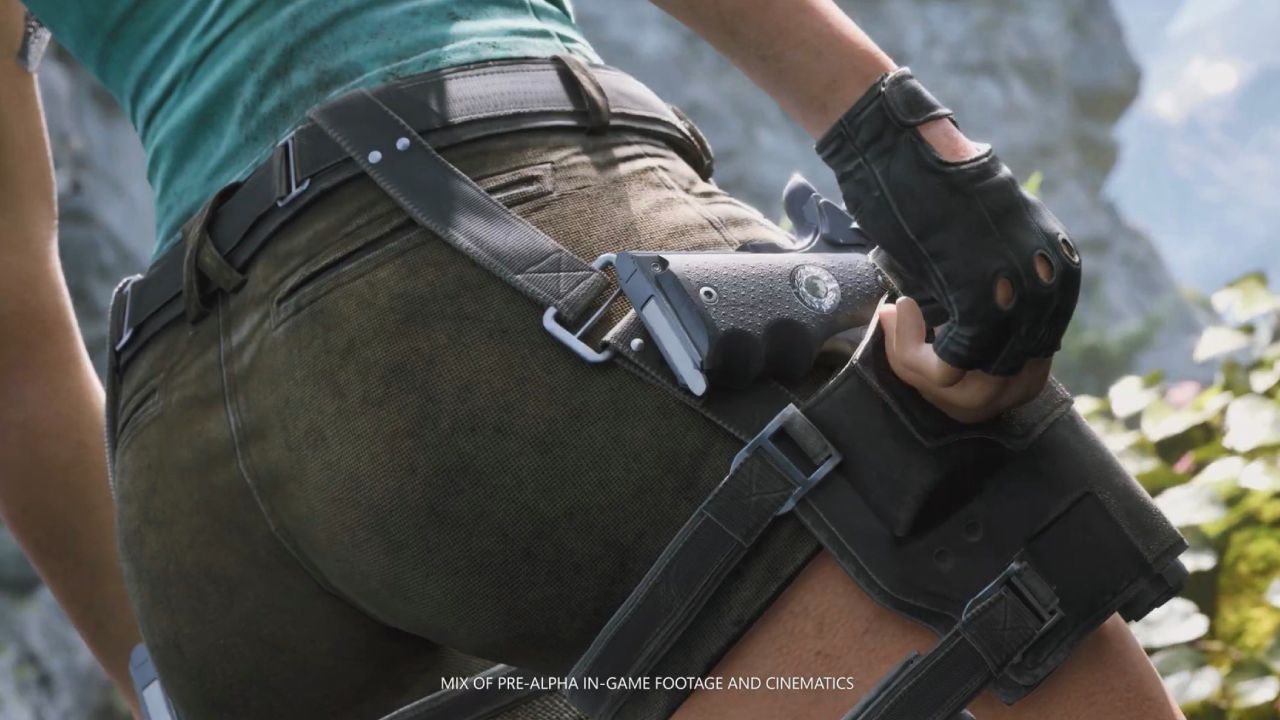
From that point of view, the plan is hard not to like. The package includes a complete game that serves as a testing ground for Unreal Engine 5 within the Tomb Raider framework. It will be easier to push the limits eventually if the engine can handle complicated platforming, smooth animation, and detailed environments now. It also serves as a bridge for players, letting them get used to new controls and features while going back to a story they already know.
All of this goes right to the main event: Tomb Raider: Catalyst.
This project, which is set to start in 2027, is being marketed as the event of the century. What immediately captures attention is the point at which the story begins. In the Legend storyline, Catalyst is said to pick up after the events of Tomb Raider: Underworld. Longtime fans put a lot of weight on that one detail.
The message is clear when Catalyst is tied to Underworld. Even though Survivor was popular and got good reviews, it's no longer the end. We're going back to the standard way of showing Lara Croft: as an acrobat, full of confidence, wielding two weapons, and obviously bigger than life. For many, that version of the figure is what made Tomb Raider a cultural icon.
Of course, this makes you wonder. Why go back to that time period now, especially since the Survivor Series was a huge success and got a lot of good reviews? The answer probably lies in the long-standing split in the fan group.
Some people liked the dark, realistic tone and the survival elements. Others missed the lonely tombs with lots of puzzles and the mythical journey feel of the first games. The plan seems to be to bring everything together rather than replace it. Legacy of Atlantis brings back the old style, and Catalyst moves the story forward.
It looks great on paper. With Unreal Engine 5, you get the visual fidelity and reality of the original Lara Croft games, along with her attitude and confidence. It's an attempt to bring the two groups together without either group disliking the other. It's still too early to tell if that balance can be reached, but the goal is clear.
There is also a lot of talk about the technology itself. Unreal Engine 5 has already been shown off and praised in tech demos and showcases, but it hasn't been fully tried in a huge action-adventure game for one person yet.
Tomb Raider has always been a standard for how games look. The show has often pushed hardware to its limits, whether in physics, lighting, or hair simulation. When something has qualities like Nanite geometry and Lumen lighting, people naturally have high hopes.
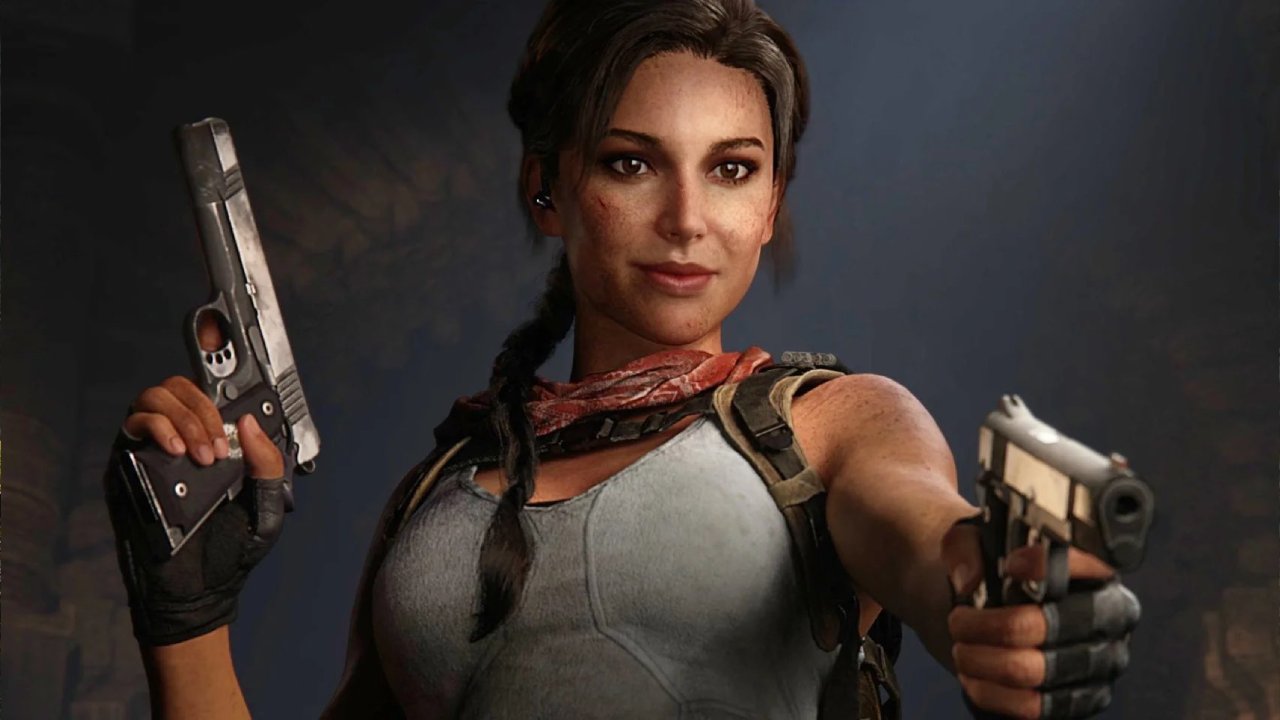
Reports say that Tomb Raider: Catalyst's graphics are very lifelike.
Based on the studio's past work, that claim seems likely. This franchise's art direction hasn't been bad very often. The main worry is not whether it will look good, but whether the goal of having two big drops so close together can be kept up.
It's been over eight years since the previous big entrance, which is a long time in our sector. During that period, other businesses have grown, changed, or positively completed their journeys. On the other hand, Tomb Raider has not yet been released. This rapid two-game surge seems like an ambitious move to make up for lost ground without that player.
But there are risks to aggression. Studio managers have overcommitted in the past, offering a lot of work but only delivering mixed results. It's possible that Legacy of Atlantis will feel like a paid test, or Catalyst will feel rushed if the release date is pushed back. There's some truth to these worries, especially since many big-name movies have had problems at the box office when they first came out.
Still, the fact that Amazon Games is publishing the game adds a careful sense of hope. With a lot of money and a clear goal to become a major player in the AAA market, there is a reason to focus on quality rather than speed to market. Even though you may still be skeptical, which is a good thing, the support system seems stronger than in years past.
If waiting leads to quality, it's not always a bad thing. We've seen what happens when games have time to do their thing. Letting Catalyst grow up might be worth it if it really needs until 2027. At this point, Legacy of Atlantis is even more important. It fills in the blanks, keeps the brand in the spotlight, and gets things going again before the big release.
The thought of a unified timeline makes the story even more interesting. The Survivor Series is seen as taking place before the first games, meaning Lara continues to experience those things. The legacy of Atlantis could connect across decades of stories if it references or alters the story in small ways to reflect events like Yamatai or Siberia. If not, it might just look different without having a greater meaning.
For many people, the basic standards are clear. It's important to have smooth controls, a stable 60 fps experience, and updated movement.
No amount of charm of the original game can make up for the bad controls by today's standards. It could be a big win if that balance is found. When it comes to Catalyst, standards are naturally higher: big tombs, tricky puzzles, and combat that feels meaningful instead of pointless.
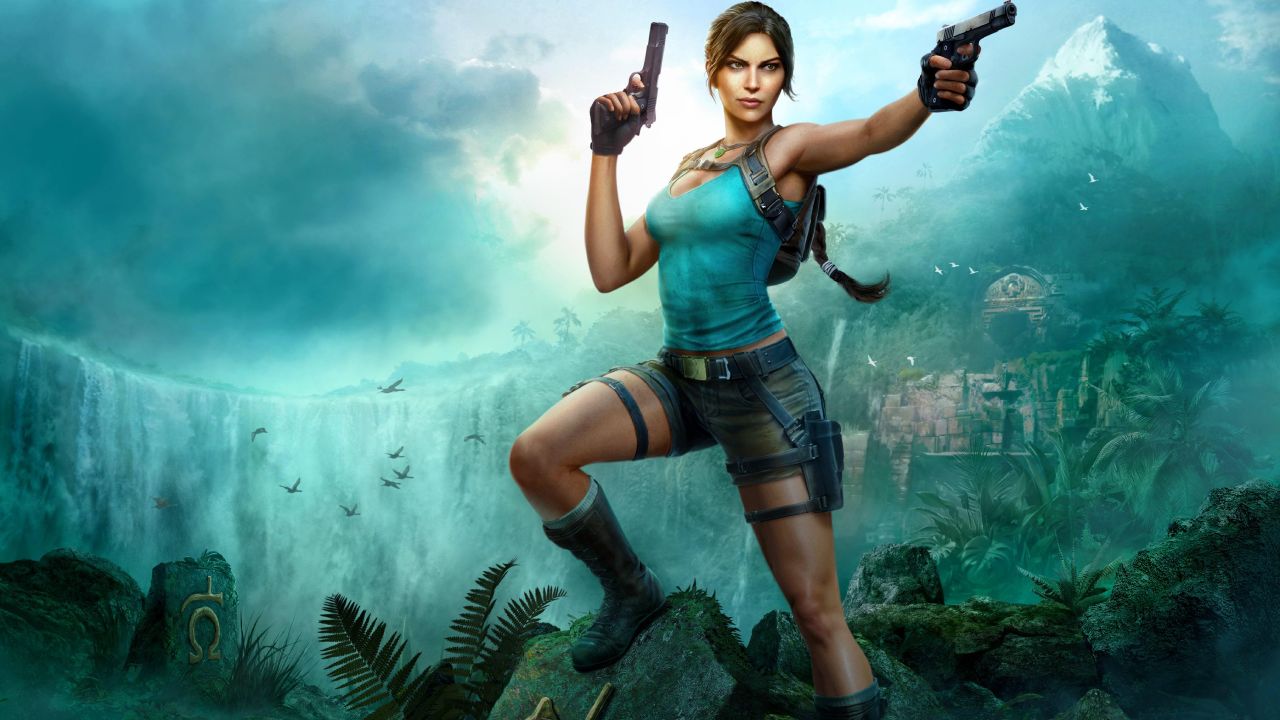
The right time is also important. It still feels like this console age is getting used to things. Catalyst's 2027 release puts it clearly in the later years, which could make it one of the most important games of that time. As long as there are no delays, it could be a great example of what new tech can really do.
Since store pages and official materials are starting to show up, it looks like real reveals are coming soon. Now, trailers and gameplay demos don't seem like far-off dreams but rather like expectations for the near future. When there was silence, a clear road plan emerged.
At this point, the big picture seems surprisingly clear. Two games, two goals, but one clear picture. We still don't know if it will all work out, but the way makes sense. For the first time in years, there is fire around Tomb Raider, and this time it looks like it's not just smoke.
Moderator, NoobFeed
Related News
No Data.