
Final Fantasy VII Revelation Discs Won't Work Without Mandatory Download
Breaking down the disc controversy, the official explanation, and the missed opportunity behind it.
News by Adeela Tas on Sep 13, 2026
Final Fantasy VII Revelation just had its release date confirmed, and the excitement around it has been impossible to ignore. People are lining up to spend a full hundred dollars on the premium edition, which comes packed with the Vincent and Sephiroth DLC.
When a title can get that many people willing to drop that kind of cash without much pushback, you're looking at rarefied territory, the same tier occupied by something like Grand Theft Auto VI. That's the company Final Fantasy VII Revelation is keeping right now, and it says a lot about how much goodwill this trilogy has built up.
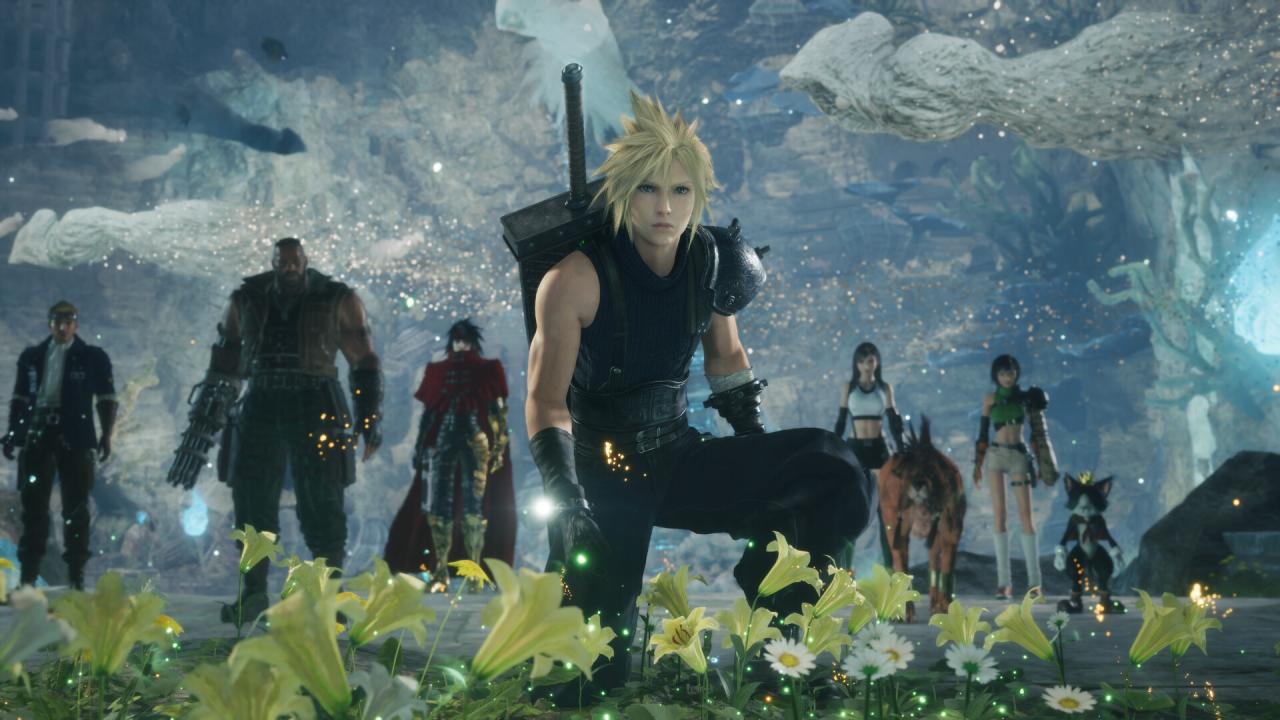
But there's a wrinkle in all this excitement, and it's one that's landed particularly hard given how much the JRPG crowd tends to care about owning a real, physical copy of their games. You're dealing with a fanbase that's historically been far more attached to physical media than, say, someone who mainly picks up sports titles or open-world action games.
Every physical copy of Final Fantasy VII Revelation is going to be incomplete right out of the box.
You'll need a mandatory download no matter which version you buy. On Switch 2, you're getting a game-key card, which is really just a fancy way of saying a license to download the game rather than the game itself. On PlayStation 5 and XBOX Series consoles, the disc itself won't hold the whole experience, so you'll still need to pull additional content from the internet before you can actually play through the whole thing.
The developers addressed this shortly after preorders opened and fans started raising concerns. In an interview, along with additional comments on social media, Naoki Hamaguchi, the director behind the project, laid out the thinking behind the decision.
According to him, the team was genuinely happy they could offer any physical disc version at all, especially given how much the industry as a whole has been drifting toward an all-digital future. He acknowledged that once preorders went live, plenty of fans voiced frustration and asked pointed questions about why a physical disc would still require an internet connection to fully function, and he wanted to address that directly.
He explained that internally, the team had actually discussed keeping things consistent with how the previous entry in the trilogy was handled, since that game shipped across two discs. He even pointed out that being spread across two discs wasn't treated as a downside back then.
They used it as a selling point in marketing, with a trailer literally ending on the reveal that the game would ship on two discs.
They treated that as a hook, not a compromise. But when the team weighed doing something similar for this new release, they realized it would mean sacrificing some level of visual fidelity or overall quality to make everything fit. According to Hamaguchi, the development team wasn't willing to accept that trade-off, so they chose to release a physical disc that still requires part of the game to be downloaded digitally.

He added that he understands not everyone will be satisfied with that outcome, but he's personally happy they found a way to still release something physical, and he hopes fans can find some peace with the decision too. On social media, he added that every platform has its own physical storage limitations, and that compromising the quality of the game's final chapter just to squeeze everything onto physical discs wouldn't serve most fans.
He acknowledged the decision won't meet everyone's expectations. Still, he argued that in a climate where the industry keeps pushing toward going discless entirely, offering a physical edition still holds real value. Here's the thing though: that shift toward digital-only gaming is really being driven hard by one specific platform holder right now, and it's not some universal, unavoidable industry-wide inevitability just yet.
The expectation shouldn't be that because one company is pushing everyone toward digital, every other publisher now deserves applause just for scraping together some kind of physical release. Sure, a handful of big titles have skipped physical entirely, but that wasn't a sweeping trend across the industry until one company really started forcing the issue.
One company's digital push doesn't excuse other publishers shipping incomplete physical discs.
Companies have been putting out full physical releases for decades, and just because market conditions got nudged doesn't mean it's suddenly acceptable to treat an incomplete disc as some heroic accomplishment. Being slightly less disappointing than the worst offender in the industry isn't the same as actually doing right by your customers.
Would a physical release beat no physical release at all? Sure. But that's not the reality of where the industry currently stands. That fully digital-only future is still a few years out, likely settling in around 2028, when physical media probably disappears from the conversation almost entirely.
Given that 2027 is shaping up to be one of the last real windows for developers to release something fully physical, it would have been nice to see companies go out with a strong final stretch instead of compromising now. Even setting all of that aside, the reasoning here doesn't fully add up. The prior entry in this trilogy already proved a two-disc release was doable.

So what exactly stopped a similar approach this time around, or even a three-disc release using extra data discs to hold everything? That kind of setup feels entirely achievable, and more importantly, it would have generated a genuine wave of goodwill. Imagine the messaging: acknowledging that printing extra discs costs more, but framing it as worth it because this entry means so much to players who've stuck with the story for years.
That kind of transparency earns loyalty in a way that corner-cutting never will.
More publishers need to start valuing goodwill as its own currency, because it matters more than many executives probably realize. It's not something you can measure by comparing production costs against unit sales in a spreadsheet. It's about how invested people become in a brand over time.
One major hardware manufacturer is reportedly leaning into physical media specifically to win back consumer trust, because that kind of goodwill compounds. Look at how well it was received when another recent action title shipped fully complete on its cartridge, with no downloads required.
That kind of decision gets people talking, and it pulls in buyers who might not have even been that interested in the game to begin with, purely because the developer showed it respected its audience. Even players who buy everything digitally tend to notice and appreciate when a developer goes out of its way to treat physical buyers well.
It creates goodwill that spills over into interest for earlier entries in a series, and it builds trust that eventually turns into future sales, DLC purchases, and long-term brand loyalty. Fans of this trilogy already trust the people behind Final Fantasy VII Revelation because the earlier chapters delivered, which is exactly why nobody is up in arms about spending a hundred dollars on this new premium edition.
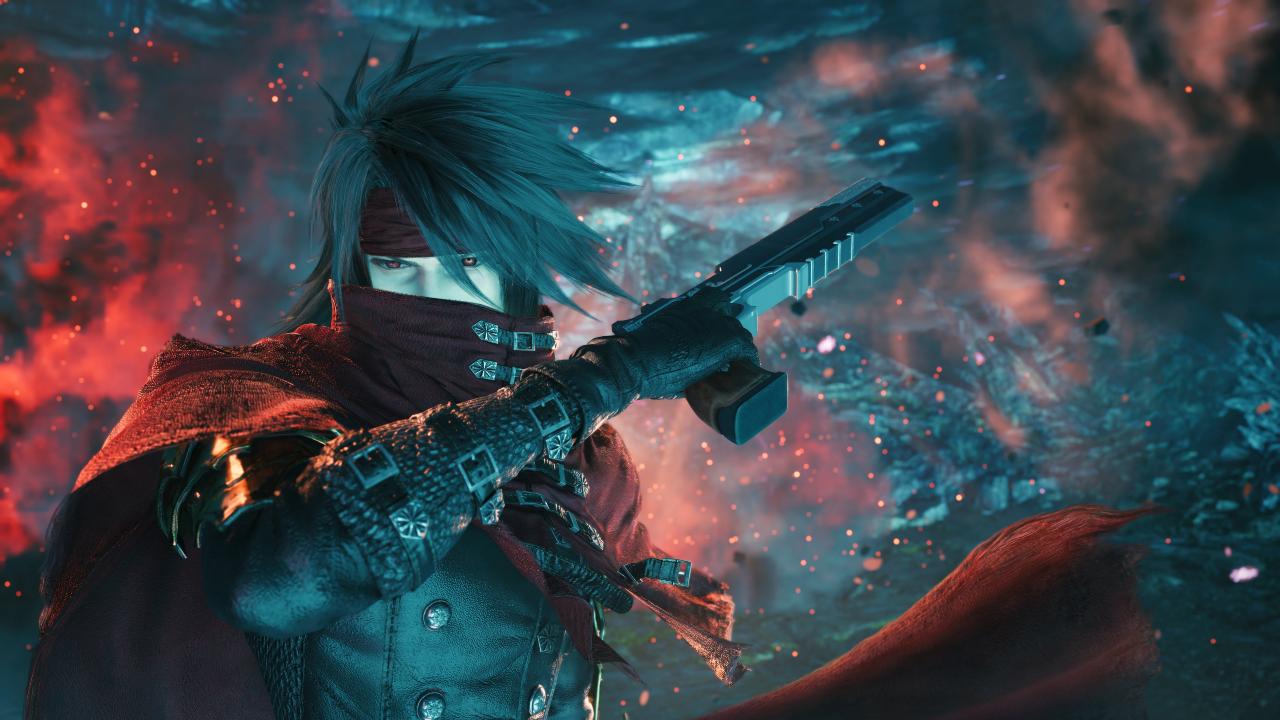
None of this is going to sink Final Fantasy VII Revelation.
It'll still sell extremely well and dominate the conversation for months; that much isn't in doubt. But there was a real chance here to cap off a story over a decade in the making, going back to its original announcement, with something that felt like a total win for the fans who stuck around this whole time.
Instead, it feels like a small, avoidable misstep in an otherwise massive release. A little more investment in the physical version could've made this the perfect send-off for a trilogy people have waited years to see finished.
Editor, NoobFeed
Related News
No Data.