
Final Fantasy VII Remake Intergrade Could Rewrite Nintendo’s Third-Party Future
Square Enix’s full-scale commitment to Nintendo’s next hardware signals a quiet but seismic shift in how major publishers view the platform—and your expectations for big releases may never be the same.
News by Zahra Morshed on Jan 18, 2026
Making a new Final Fantasy VII When Intergrade comes out with Nintendo's next generation of hardware, it marks a small but important turning point for the business. Nintendo systems have often gotten big third-party games late, with bad quality, or not at all, for decades. Expectations were formed by that trend. What's happening now points to a recalibration, which means that publishers' goals are changing across the board.
Third-party makers, especially in Japan, learned something very important from the first Nintendo Switch. Nintendo could still make a tool that would be used all over the world and keep selling. Equal rights were something it couldn't always give. Hardware limitations and slow adoption times made big ports hard, so many companies had to put the system last on their list of priorities. Support came in the end, but not very often at first.
.jpg)
That relationship seems to be changing with the release of Nintendo's next hardware. Reports from the industry always point to a much more powerful system that is more like current consoles in how it is designed than the one that came before it. The difference in technology between today's systems and Nintendo hardware has shrunk. Because of this, ports don't feel like giving up anything.
They seem to be planned.
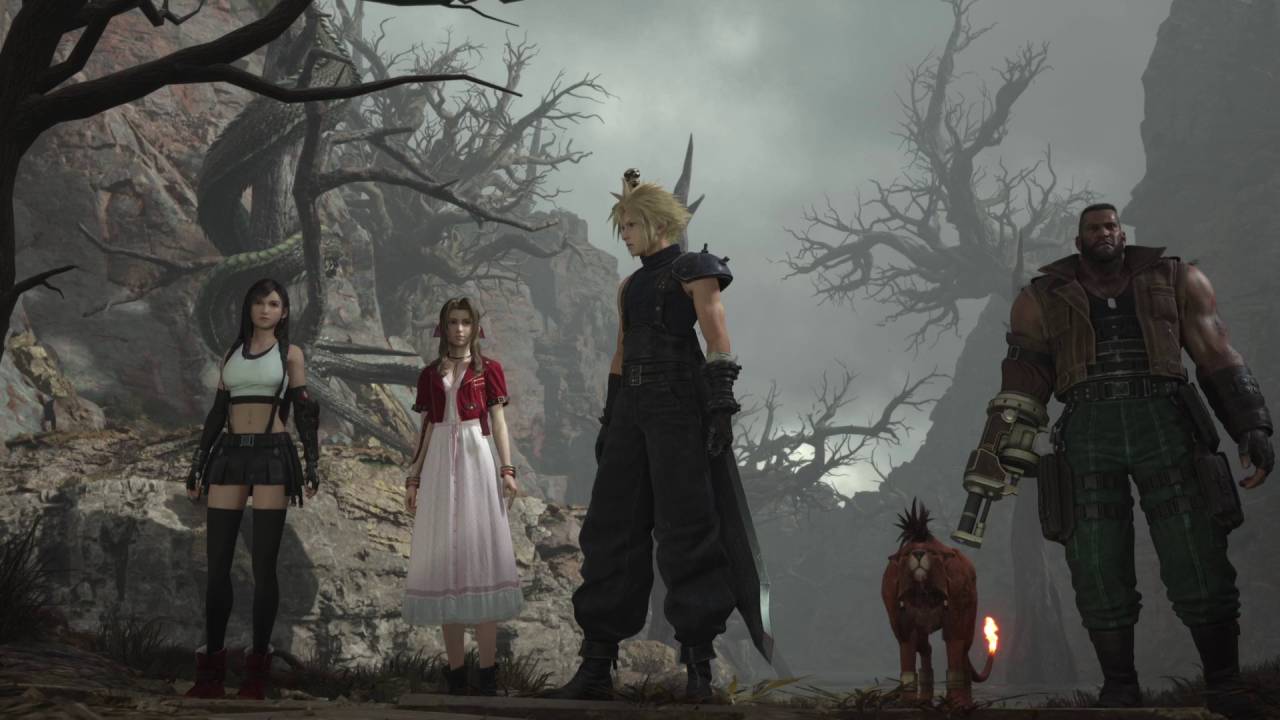
This change is shown in Final Fantasy VII Remake Intergrade. This isn't a side project or a way to get around the cloud. It is a full release that is meant to run on a hybrid device locally. The idea that a production of this size could be taken anywhere and not be tied down changes how publishers think about Nintendo's role in their long-term plans. Portability isn't a new idea anymore. It's a ploy.
Square Enix seems to be very aware of this advantage. In the past, the company gave PlayStation its biggest Final Fantasy games first, while Nintendo got smaller games or spin-offs. That separation set the tone for a whole age. But the last few years have made us reevaluate. Because of falling profits from the luxury industry and rising building costs, we need to reach more people.
Public statements from Square Enix's leaders support this change in stance. Naoki Hamaguchi, the producer, has said many times that he is committed to bringing the whole Final Fantasy VII remake trio to Nintendo's new platform. In this case, intergrade is seen as the start, not the end. Rebirth and the last episode are likely to come next, ending the story without any gaps.
This confidence has gone beyond comments to the press and into active fan participation.
The fact that Hamaguchi showed up at a launch event based on Nintendo and was supported by Nintendo directly shows a change in culture. In recent decades, major Final Fantasy writers have rarely been so in sync with Nintendo fans. Right away, that change was mirrored in demand, as events sold out and online interest soared.
Early eShop performance data adds to the story's credibility. According to preload rankings, Final Fantasy VII Remake Intergrade is one of Nintendo's most well-known titles. That placement is important. Visibility at the start affects momentum, and sales over time are based on momentum.
It's clear that Square Enix is paying close attention to these signs.
All of this doesn't mean that PlayStation will become less important than Final Fantasy. The brand has strong ties to that area and continues to do well there. That one base is enough is no longer thought to be true. Square Enix has been very clear about the fact that it needs to reach more people. Nintendo's next system will be bigger without losing its own style.
In the larger perspective, this incident suggests that major publishers will always treat Nintendo systems like royalty. No warnings regarding clouds. There are no delays in changes. There is no question that a game will come out. If Final Fantasy VII Remake Intergrade succeeds, it will make that example much better.
It's clear what's good for Nintendo. For Square Enix, the chance is very important. The lesson is also clear for players. The walls between the levels are getting thinner. The time of collaboration is coming to an end. There is now something quieter and more thoughtful in its place.
Contributor, NoobFeed
Related News
No Data.