
Halo franchise’s Activision Era Could Start With a Lore Reset
New reports point to abandoned projects, a stalled mainline sequel, and a possible fresh continuity as the franchise moves into a new phase.
News by Adeela Tas on Sep 29, 2026
The future of the Halo franchise looks very different after Activision took control, with reports pointing to several projects once considered at Halo Studios and a possible reset of the series’ long-running lore. If you have followed the franchise for years, the changes are especially notable because they could affect everything from the next entry to how its older stories are treated.
One report claims Halo Studios had plans to adapt some of the franchise's novels into games that could fill the gaps between major remake releases. One example was a game based on First Strike, designed to sit between Campaign Evolved and a potential remake of Halo 2.
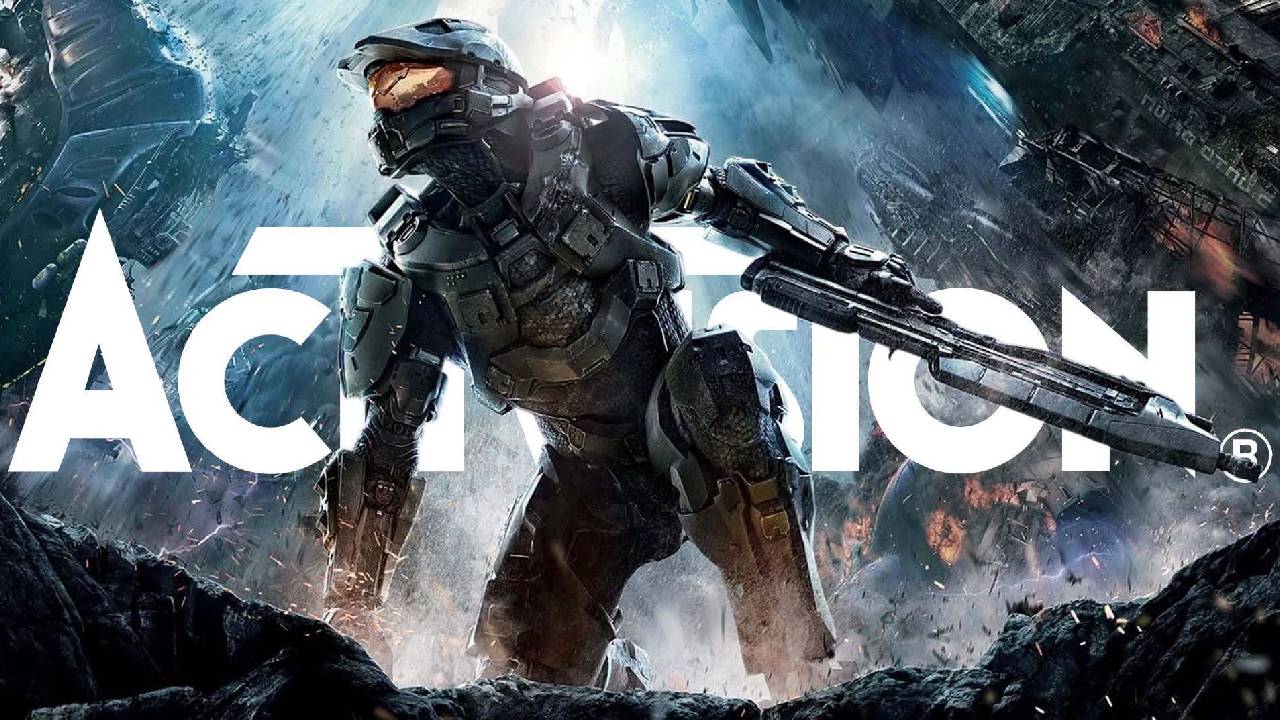
The project was reportedly still in very early development, with a five-mission campaign and Firefight being considered for release next year.
The idea is easy to understand. The series has a large library of novels, and several of them contain stories that could work as standalone games. First Strike could have bridged major entries while giving longtime fans a story they already recognize. However, reports from people familiar with the project suggest that its planned campaign may have been too short to properly cover the book.
That worry makes more sense once you look at how remakes have been handled lately. Campaign Evolved reportedly used a short three-mission prequel campaign involving Master Chief and Sergeant Johnson, and its limited length raised concerns about how much story could realistically fit into these side projects.
The broader problem was not necessarily the ideas themselves, but whether the studio could execute them at the level expected from the franchise. The situation surrounding Halo 7 appears even more complicated. According to reports, XBOX leadership saw an early concept for Halo 7 that was supposed to include campaign, PvP, PvE, and Forge from launch.
Those features are familiar parts of the series, but the project was apparently still years away from release. Leadership changes and technical problems were reportedly major factors behind the delay. That means the next mainline entry was not simply taking longer than expected.
It was allegedly far enough from completion that Activision could face a similar development timeline whether it continued with the existing studio or started a new project elsewhere. After years of development on the franchise, that situation helps explain why such a major ownership change became possible.
The studio also abandoned a survival horror project.
Between 2017 and 2019, developers reportedly explored a third-person game influenced by Dead Space and Resident Evil. The concept featured the Flood and had a playable 15-minute demonstration, but the pitch was rejected. The idea stands out because a horror-focused Flood game has often felt like a natural fit for the universe.
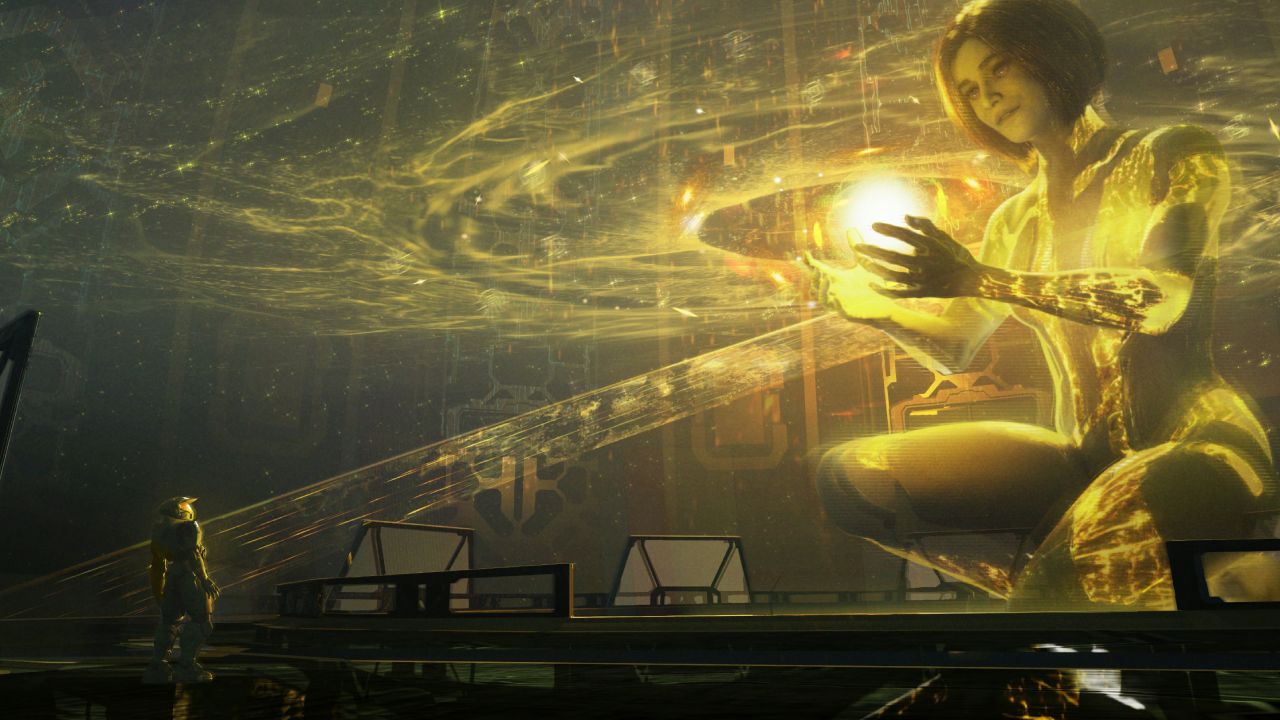
The biggest concern is how many projects the studio was apparently developing at once. A source claimed the studio was working in early development on four separate projects: remakes of Halo 2 and Halo 3, Halo 7, and the First Strike spin-off. With the studio later reduced to roughly 30 people, that ambitious spread raises obvious questions about priorities and resources.
Reports also claim that senior leadership remains involved, including Pierre Hintze, while the new owner may have little interest in keeping that leadership structure in place. One reported plan involved using AI for smaller projects and outsourcing development on the remakes. That matters because outsourcing was already tied to criticism of Campaign Evolved.
If you have been watching the franchise's recent history, the possibility of repeating that approach is difficult to ignore. Campaign Evolved was reportedly developed heavily through external studios, and its reception did not match what fans expected from a remake of such an important game.
Applying a similar model to Halo 2 and Halo 3 could create even more concern, particularly because those games hold an important place in the series' history.
This is where the potential Halo reboot becomes more interesting. The franchise has accumulated years of stories across games and novels, with later material sometimes continuing or resolving major events outside the games themselves. That has created a complicated continuity, particularly for anyone trying to enter the series without already knowing its history.
A complete reset could remove much of that baggage. Instead of asking new players to understand decades of characters, events, books, time jumps, and conflicting story directions, the developers could start fresh. A Halo reboot could also give the franchise room to rebuild its identity without explaining every decision made during the previous era.
However, resetting everything would create its own problem. The original trilogy remains a major reason the franchise became so important. If you erase that continuity, you risk discarding the foundation that longtime fans still care about. The Bungie-era storyline established a clear progression from Halo 1 through Halo 3, followed by ODST and Reach, and that connected structure gave the universe momentum.
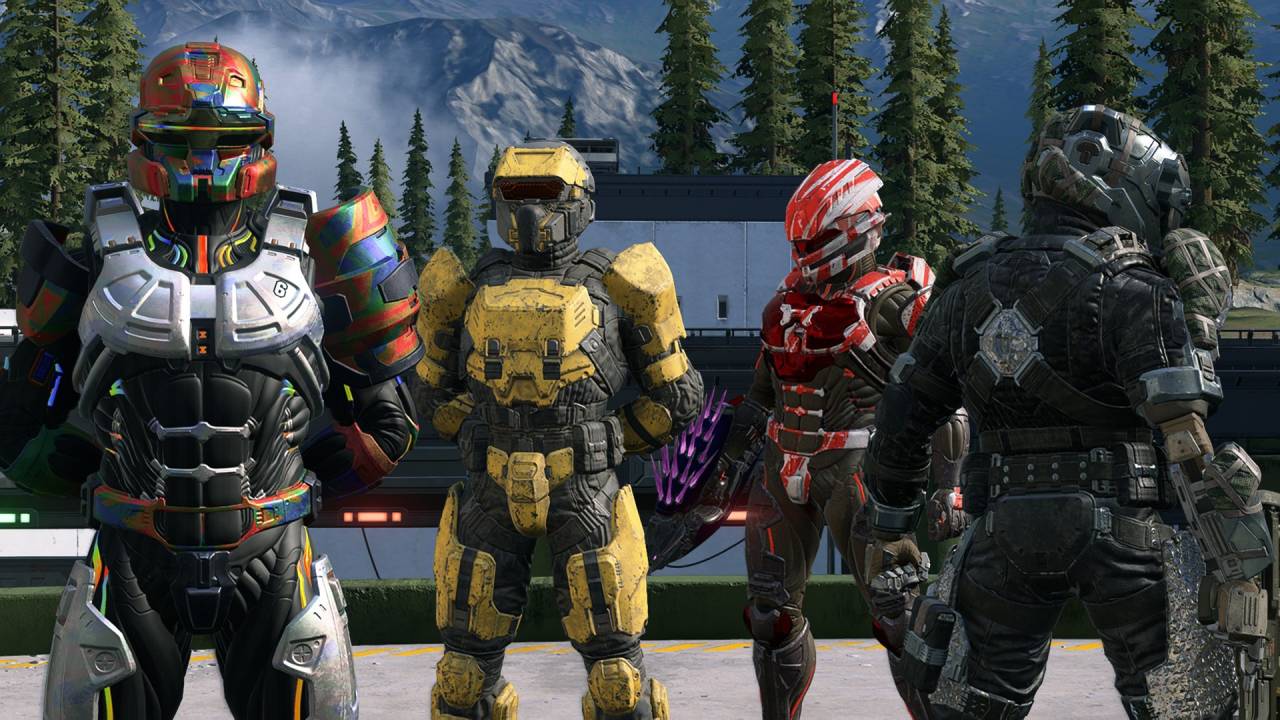
Another major issue is simply repeating the original reveals. If a new version begins from the beginning, you already know the Covenant and Flood are coming. The first appearance of the Flood originally worked because you had no idea what was happening. You discovered the threat alongside Master Chief, and the mystery made the reveal memorable.
A reboot would have to find a way to make familiar ideas feel new again.
The series has tried something similar before by introducing the Prometheans as a different threat, but that approach didn't produce the lasting solution many expected. That leaves a new continuity with a difficult task: it needs to respect what worked without simply replaying it.
A more measured route would be to build from the end of Halo 3 and branch into a new timeline. That would preserve much of the original continuity while letting the franchise move beyond the later stories that caused much of the confusion. It would also give developers room to introduce new characters and conflicts without throwing away everything that came before.
There is still an argument for going even further. Because so many later stories were expanded through novels, a clean break could be easier to manage than trying to untangle every existing thread. The franchise could even move away from Master Chief and establish a different protagonist, giving the new era a genuinely separate identity.
For now, the biggest uncertainty is how much of this reported direction will actually survive the transition to Activision. The projects previously discussed at Halo Studios may never return, while the next game could take a completely different shape. The reported survival horror concept, the novel adaptations, and the multiple remake plans show that there was no shortage of ideas.
Still, the development history also suggests that having several ideas at once did not necessarily translate into finished games.
The move also comes at a difficult commercial moment. Once able to compete directly with Call of Duty, Halo no longer occupies the same position in the gaming landscape. Rebuilding that relevance would require more than another sequel with a familiar name. A new era would need a clear identity, a manageable story, and a development structure that can actually deliver the game.
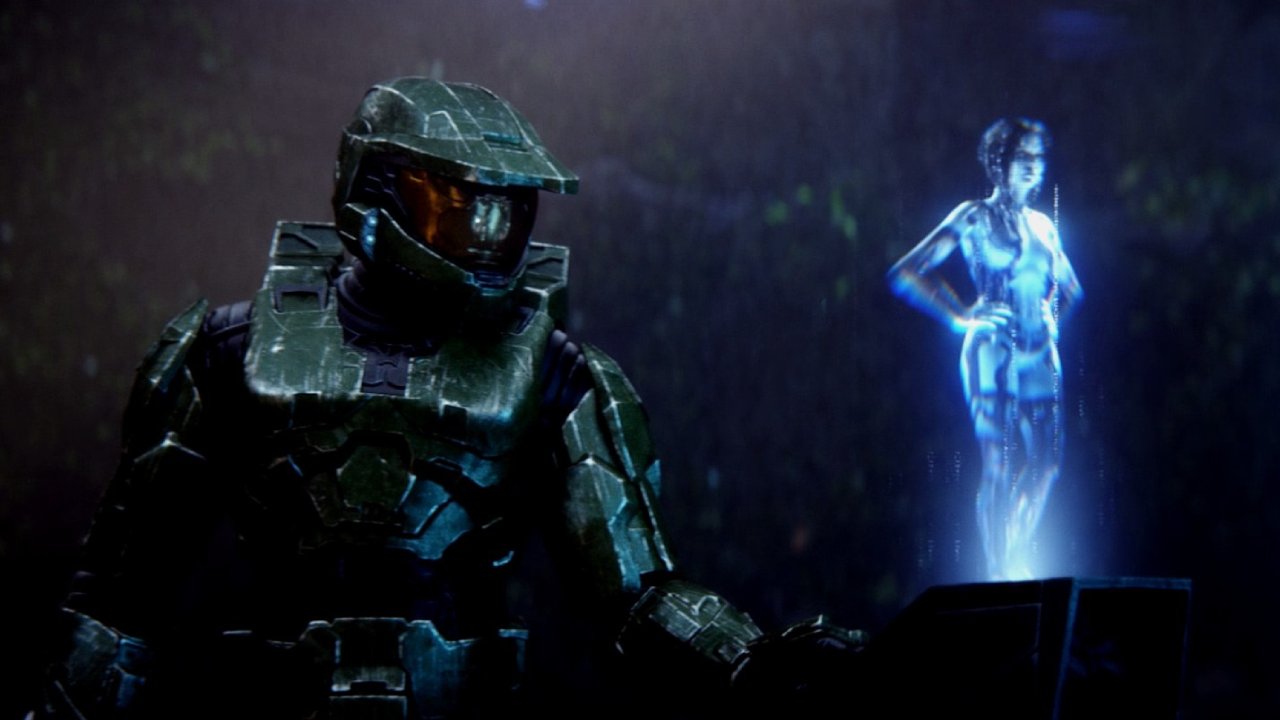
For Halo 7, that could mean the current concept changes substantially or disappears altogether. If Halo gets rebooted, it could go a few ways: a clean slate that starts the story over, a fresh branch that picks up from Halo 3, or a brand-new hero in a brand-new timeline.
None of those directions is confirmed, but the combination of reported development problems, abandoned concepts, and leadership changes makes a major transformation plausible. The most important part of the transition will ultimately be execution.
A reset can simplify the story, but it cannot automatically recreate the sense of discovery that made the original games memorable. Likewise, new technology, AI, outsourcing, or a different studio structure will not matter much if the finished games fail to deliver a cohesive experience. Activision now has an opportunity to define what comes next, but the franchise's history means every major decision will be closely examined.
The next chapter could preserve part of the original continuity, discard most of it, or start from somewhere completely new. Until those plans become official, the clearest picture comes from the projects that were reportedly being explored and the development problems that left the series in its current position.
Editor, NoobFeed
Related News
No Data.