
Halo’s Big Week: Remakes, Rumors, and a Studio at a Crossroads
From classic game revivals to staffing struggles, you’re seeing a franchise trying to figure out its future in real time.
News by Adeela Tas on May 05, 2026
For those who have been following Halo recently, it has been quite an eventful week. It has been full of surprises with many reveals, including some harsh realities that we had to face. On one side, you’ve got major developments like the original Xbox dashboard being reverse-engineered for modern systems. On the other hand, there’s ongoing discussion about missed opportunities, internal challenges, and what comes next for Halo as a whole.
Much of the recent conversation has been driven by content creator Mr. Rebs, who has shared multiple videos breaking down Halo’s current situation. When you take all this into account, you start to get a better idea of both the ambition behind Halo Infinite and why it didn’t quite live up to that ambition.
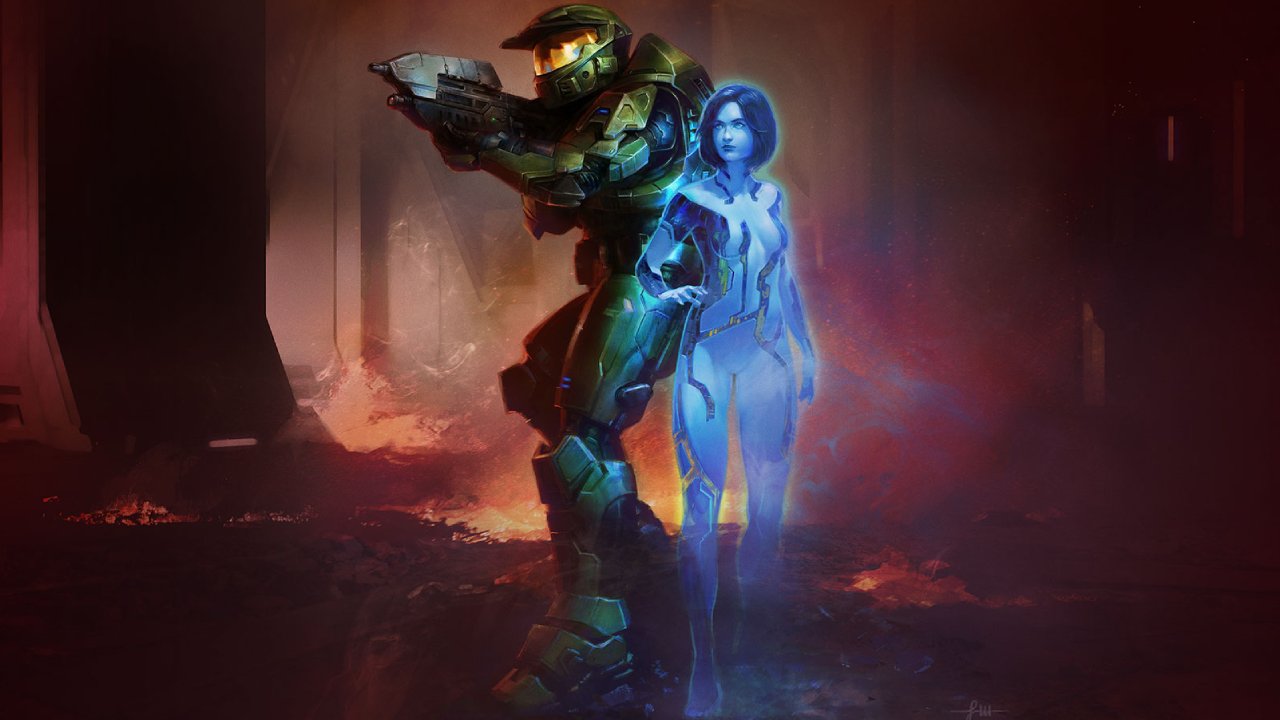
One of the biggest takeaways is that Halo Infinite wasn’t originally meant to be stand-alone in the way it does now.
Instead, you can think of it as something closer to a platform, a launcher for future Halo experiences. The idea was to build on it over time, as the Master Chief Collection evolved into a central hub for multiple games. That concept may still live on in what’s being called “Halo Campaign Evolved,” where a single menu could eventually house multiple remade campaigns.
But getting Halo Infinite out the door took a serious toll. You’re looking at a development process that pushed teams to their limits just to launch the game. And in a live-service model, launch isn’t the finish line; it’s just the beginning. The technical debt built up during development made it harder to roll out updates, and when you combine that with a hiring freeze, pandemic disruptions, and layoffs, things quickly became difficult to manage.
It turned into a situation where almost everything that could go wrong did, and the game’s long-term potential suffered as a result. It also explains why certain design choices in Infinite feel the way they do.
You’ve probably noticed the number of “kit-bashed” weapons, new guns built by modifying existing assets. That wasn’t just a creative decision; it was a necessity. Developers were operating under tight constraints, both budget-wise and staffing-wise, and had to make the most of what they had.
The continuing consequences of layoffs, staffing, and leadership decisions.
A playable prototype was reportedly in development to prove the series could retain its identity on new tech. Once the layoffs happened, that progress slowed down significantly, pushing timelines even further out. At this point, you’re seeing the ripple effects of those decisions in how long it’s taking for new releases to materialize.
All of this highlights a bigger issue: leadership and long-term planning. Game development is always changing, but without a clear direction, things can easily drift. For Halo, the lack of alignment led to multiple versions of the game being developed simultaneously. At one stage, there were reportedly four or five different campaign directions in development before everything was pulled together for launch.
When Joe Staten stepped in, the focus shifted to actually shipping a product, but by then, many ideas had already been left behind. And there were a lot of ideas. Early concepts for Halo Infinite suggested a much larger, more connected experience. You had ideas for more characters from the extended universe, bigger stuff like a Banished Scarab, and even menu design that felt like a direct continuation of Halo 5, with features like Warzone and the REQ system.
What you got was a diminished version of that vision, limited by technical challenges and shifting priorities. It’s important to understand who is responsible here. The day-to-day developers weren’t the ones making decisions about layoffs, contract structures, or long-term strategy.
Those choices came from higher up, and they’re still affecting the franchise now. There’s hope that current leadership is taking those lessons into account, especially with new studio head Pierre Hintze overseeing things moving forward.
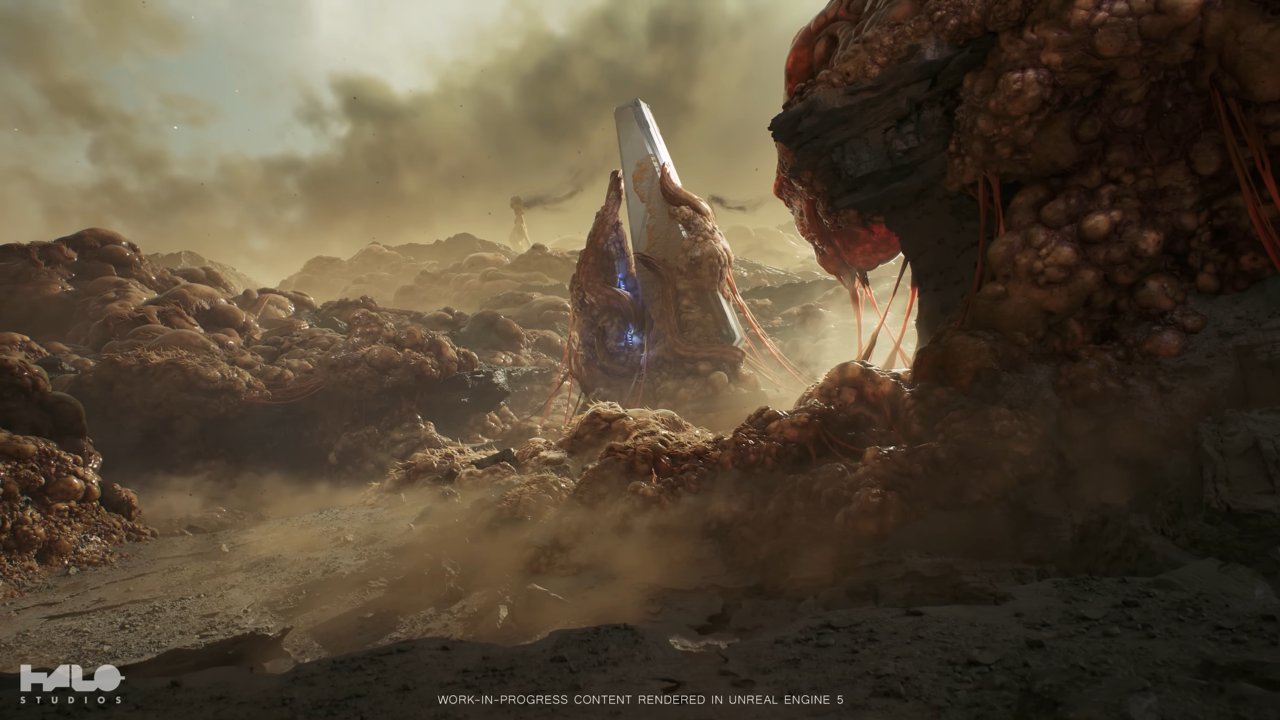
Halo Infinite’s final form: Cut Content, Unreal Engine shift, and missed potential.
Entire departments, including campaign and audio teams, were let go. That had a noticeable effect on the final product. For example, some sound design elements in Infinite reuse or modify existing audio in ways that stand out if you’re paying attention. It shows how much the remaining developers had to adapt just to keep things running.
What’s more, those who stayed ended up taking on significantly more responsibility. In some cases, they even reached out to former colleagues for guidance on systems they hadn’t worked on before. That kind of situation speaks to how stretched teams were during that period. There’s also a broader issue with how developers are treated.
When criticism of Halo goes mainstream, it often lands on the people actually building the game, even though they’re not the ones making high-level decisions. Within the Halo community, there’s generally a better understanding of how things work, but outside of that, the nuance gets lost. Directing criticism toward leadership rather than individual developers is something that keeps coming up, and for good reason.
At the same time, concerns about studio culture have been raised. Former staff have accused the organization of blacklisting and inappropriate behavior. These are not small claims, and they add yet another layer of challenge to the studio. Reports also describe layoffs being framed internally as a “mass culling,” which understandably affected morale. When job security feels uncertain, people's approach to work changes.
Halo 2 and Halo 3 Remakes suggest a future of campaign revivals and expansions.
Many developers feel like they can be replaced, making it more difficult to create long-term continuity on teams. And when people do speak out about their experiences, they’re taking a real risk, since it could impact their future in the industry.
Despite all of that, there are still some positive developments. One of the biggest is the reported remake of Halo 2 and Halo 3 campaigns, which are said to be entering active development. While details are sparse and some of it is being treated as rumors, the idea of revisiting these games with modern technology is a major point of interest.
There are also whispers of other features, such as prequel missions with a Reach-style aesthetic or gameplay modifiers that introduce new enemy types into existing campaigns. Even if not all of this makes it into the final product, it shows an effort to expand on what players already know rather than simply recreate it.
The question of multiplayer remains open. Current expectations suggest the remakes will focus on campaign, with a separate multiplayer project potentially arriving later. If everything is integrated into a larger platform like Campaign Evolved, it could reshape how Halo releases are handled going forward.
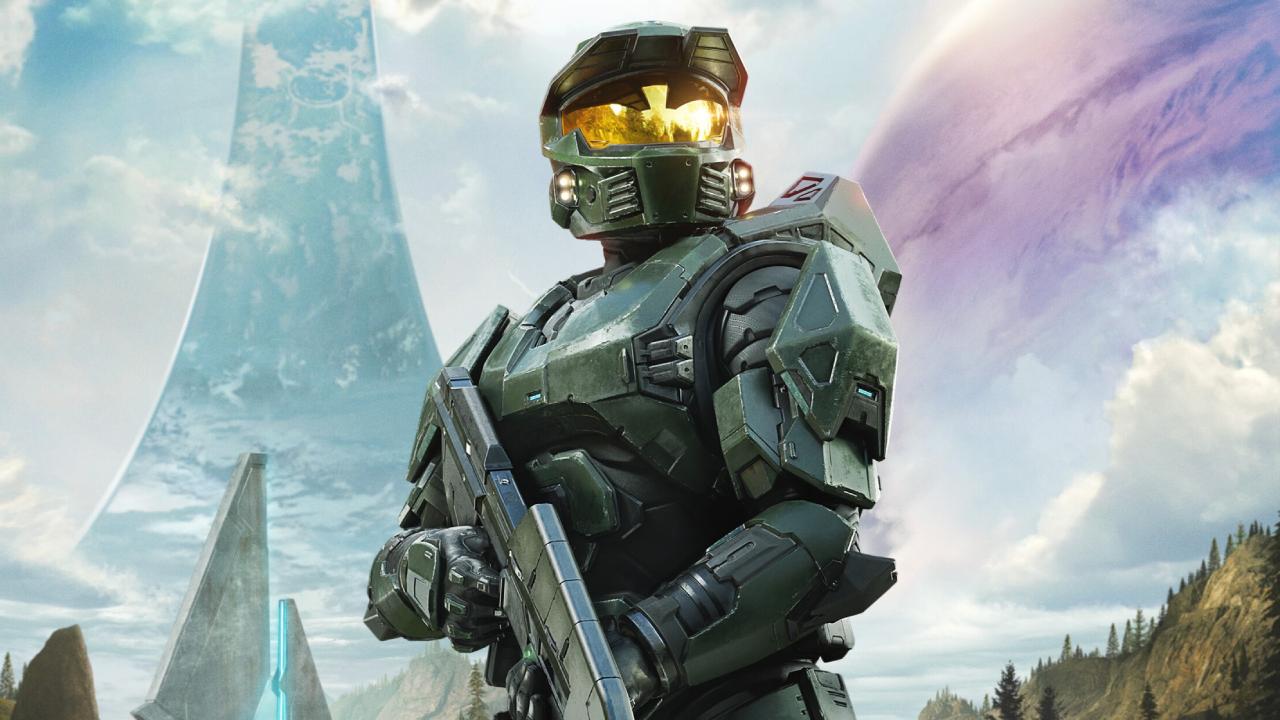
There’s also curiosity around how far these remakes will go. Will you see Halo: Reach included? What about Halo 4 or later entries? And will cut content from the original games finally make its way into these versions? There’s a lot of material that never made it into past releases due to time constraints, and this could be an opportunity to revisit those ideas.
New narrative leadership and community-led projects show Halo’s continued transition.
It’s a heavy responsibility, affecting everything from the structure of the story to the delivery of narrative elements during gameplay. It's not about cutscenes. It's about how the story relates to what you're doing on a moment-to-moment basis.
That sort of role is vital for Halo, especially when you think about how important storytelling has been to the series. Halo 2 is perhaps the most important in terms of expanding the universe and giving us a deeper understanding of its characters and conflicts. It’s not easy to replicate that balance, where lore is deep but still digestible. You need someone who understands the universe but can present it in a way that doesn’t rely on outside knowledge.
Finally, there’s a more technical but still interesting development: a group called Team UIX has successfully recreated the original Xbox dashboard for modern platforms like PC, Mac, and Linux. It’s fully functional and even allows integration with services like Steam, meaning you can launch games directly through it. While the current version has some bugs, it’s already available to the public and is expected to improve over time.
It’s also part of a larger effort to preserve older Xbox interfaces, with multiple dashboards from past generations now accessible. When you put everything together, you’re looking at a franchise in transition. There is a definite drive to move forward, with new hires, engine changes, and revisiting classic games. At the same time, the effects of past decisions are still being felt, and they’re shaping how quickly progress can happen.
For Halo to move ahead successfully, those lessons can’t be ignored. It’s about building something sustainable. Long-term planning and steady leadership are more important than short-term gains. If that balance can be found, there's still a way forward that can be up to what Halo has been capable of in the past.
Editor, NoobFeed
Related News
No Data.