
Hollow Knight: Silksong's $20 Price Sparks Industry Debate
Why Team Cherry's success story isn't a blueprint most developers can follow.
News by Maisie Scott on Sep 08, 2025
Finally, Hollow Knight: Silksong is out, and the excitement around its release has been through the roof. The long-awaited follow-up from Team Cherry is now only $20, and fans are already praising it so much that they're calling it a title for Game of the Year.
But while many people praise the game's low price and high quality, there is a rising debate online about whether this model should be seen as an "industry wake-up call" or whether Silksong is just one of many oddities in the gaming world.
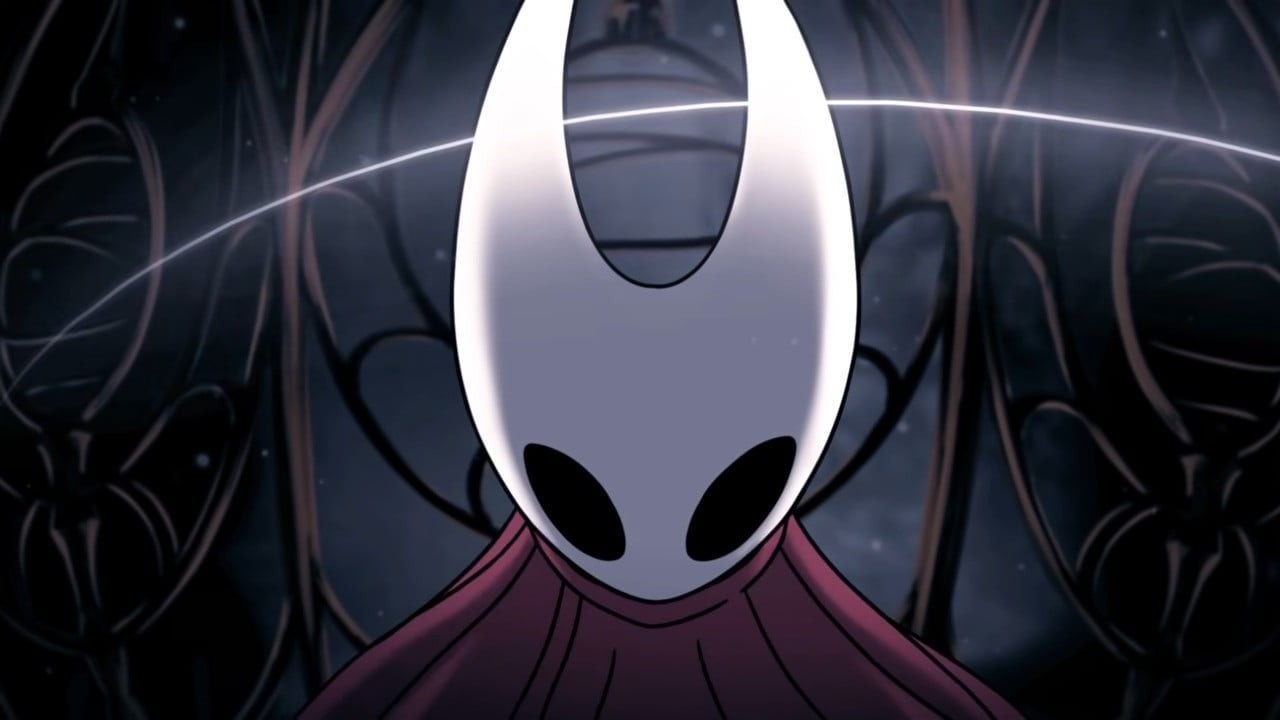
This conversation started with a tweet that went viral. The account commented, "This is the game of the year", right away. The fact that Silksong is only $20 should be a big wake-up signal for the overall gaming industry. People were both doubtful and happy at the same time. This led to a bigger conversation about what the pricing and development cycle of Silksong really signifies for game developers.
At first glance, it's easy to see why some people might think Silksong is the best way for the business to work. It's well-made, fun, and only a small portion of the price of many high-end games. However, what many people overlook is the unusual trajectory of Team Cherry's growth.
With only a few developers, the Australian company is known for being a relatively small operation. Hollow Knight, their first big hit, sold millions of copies over the years, giving them the money they needed to work on Silksong without having to constantly update it or make new material every year.
Stability like that doesn't happen very often. In its first few years, Hollow Knight sold more than three million copies. During Silksong's long growth cycle, that number grew to more than ten million. Team Cherry could take its time because it had a steady flow of money coming in.
That many sales is something that almost no independent developers or big companies will ever see. Most people who tried the same strategy would have gone bankrupt long before the game was released to the public.
The price of Silksong is what people disagree about the most. At $20, it's clearly a great deal for a game of this caliber and scale. But it's not possible for bigger companies, even though it works for Team Cherry. A company with 100, 200, or more employees can't sell a huge 3D game for $20. To keep the lights on, you need more money for things like salaries, promotions, meeting the needs of shareholders, and years of growth.
.jpg)
The problem is the same for companies of all sizes. A three-person team couldn't make a game like Baldur's Gate 3, The Witcher 3, or even something as focused as Astro Bot. The low-cost indie model can't work for these projects because they need years of work from dozens or hundreds of experts.
Some people who dislike the current setup of AAA argue that companies have too many employees and should reduce their staff. That may be somewhat true, but a company couldn't make it if it sold its games at indie prices, not even if it had a small staff of 30 or 40 people.
For companies that are traded on the stock market, the problem is even worse: the needs of shareholders and leaders make it impossible to make a $20 blockbuster. Some people argue that the real problem is that big claims, such as Zelda Dungeon's, can lead to people having overly high expectations.
It's not only not practical to say that every company should take a seven-year break from making movies and then release a $20 masterpiece, but it could also be harmful. Fans already want changes to happen faster, projects to be bigger, and prices to be lower. Keeping them on the road that Team Cherry has chosen could be too high for most of them to reach.
The game business loves variety. We need both small, independent 2D games like Hollow Knight and Silksong, and big, open-world 3D games like Zelda and The Witcher. Each is useful in its own way and needs different tools and methods to work well. If every company tried to be like Team Cherry, it would be too expensive for the industry to stay in business.
All of this shouldn't take away from Silksong. The reviews are all very positive about Silksong, and the price makes it possible for millions of people to buy it. People who work as independent developers dream of stories like this one, and it really deserves all the praise it's getting. But the business world shouldn't think that a strange event is a plan.
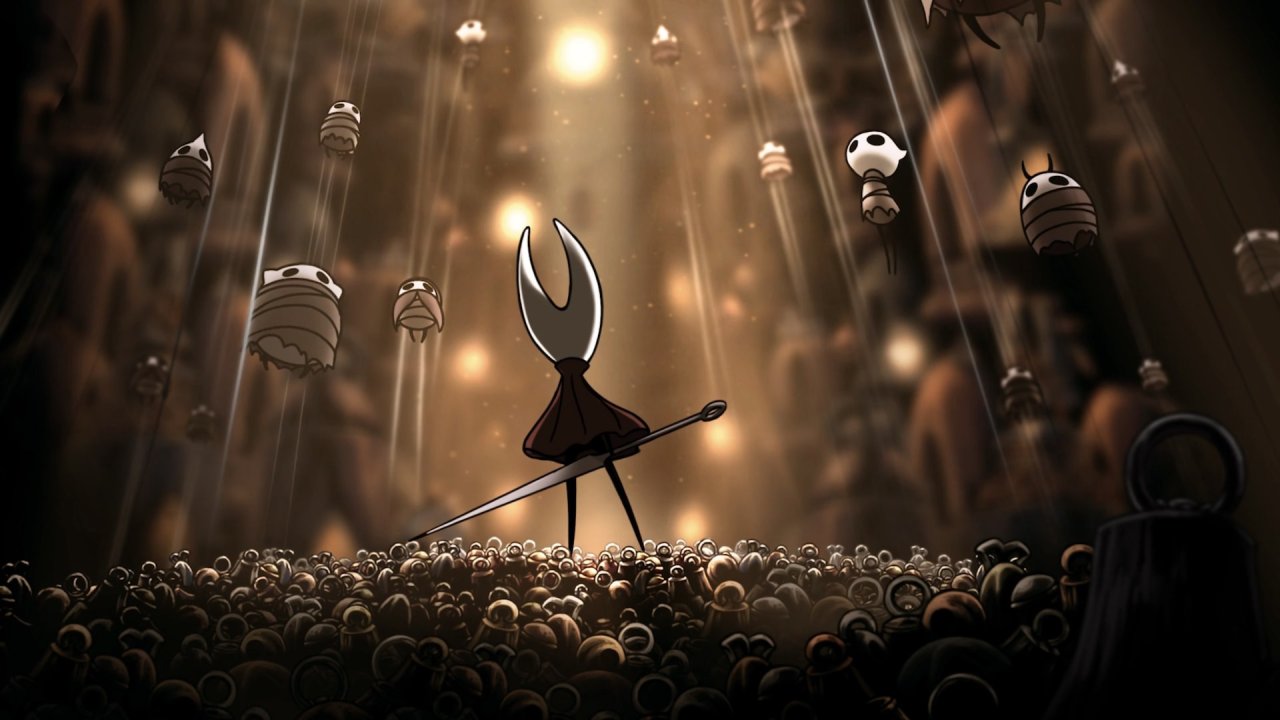
Most companies will still have to send out review codes, keep in touch with their fans, and put out games on more reasonable schedules. They will have to set fair prices, considering the cost of production. And they'll need teams with more than three or four people to keep giving gamers the wide range of experiences they want.
Silksong is proof of what can happen when lightning hits twice for a small group of dedicated fans. But that doesn't mean the whole game business has to change right away. Most of all, it serves as a reflection of how unique and important Team Cherry's accomplishment really is.
Editor, NoobFeed
Related News
No Data.