
Next-Gen Games Could Change VRAM Requirements
Next-generation games may make VRAM a settings limitation, while 16GB GPUs continue delivering solid gaming performance for years.
General by Naheyan Tahmin on Aug 24, 2026
Next-generation PC requirements are raising questions about how much VRAM is actually needed for long-term gaming. Comparing GPUs such as the RTX 3090 and RTX 5080 shows that memory capacity is only one part of the equation. A GPU can have more VRAM but still be limited by compute and ray-tracing performance, while a newer 16GB card may still deliver a good gaming experience.
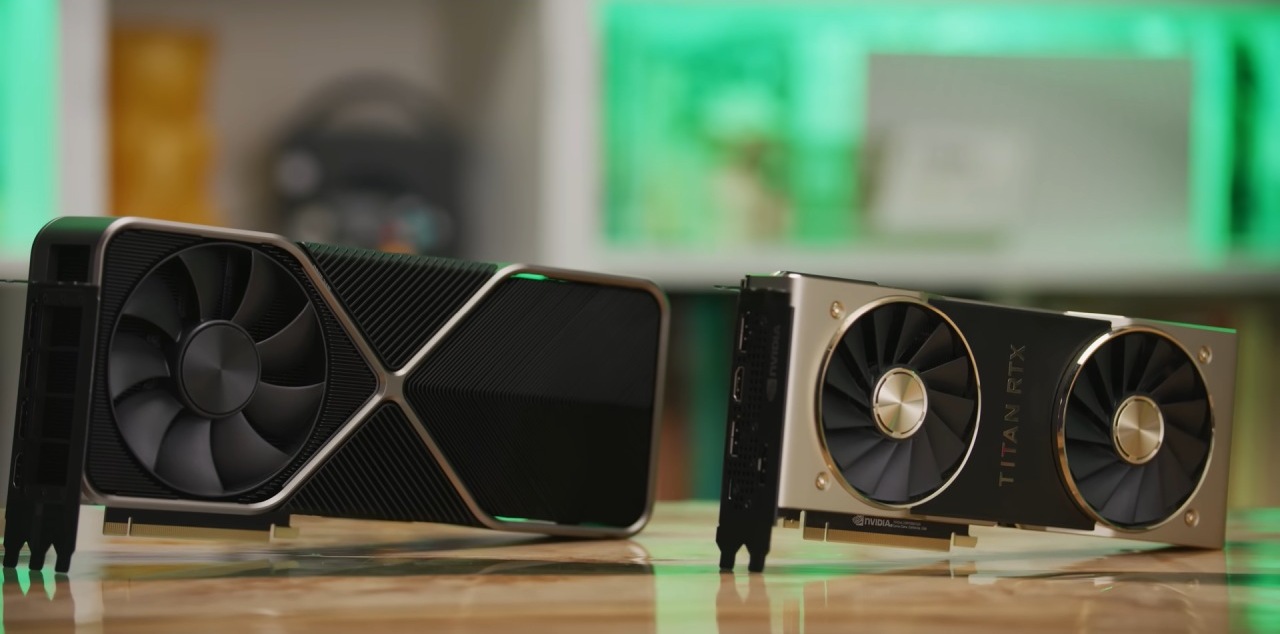
The discussion started with a question about whether VRAM is being overemphasized as a measure of longevity. RTX 3090 has 24GB of VRAM, while the RTX 5080 has 16GB, but the 5080 is already a much better gaming GPU today. That creates a useful comparison between memory capacity and actual compute performance.
What 16GB Could Mean for PS6-Generation Games
There is also the question of how much VRAM next-generation consoles will actually have. Earlier discussions suggested that the next generation could use around 30GB or more of memory. If that happens, matching console-equivalent settings on PC could require substantial VRAM.
We need to distinguish between running a game at settings equivalent to a next-generation console and simply getting a good experience. A 16GB card could still run many future titles well, even if it cannot reproduce every setting used by a console with significantly more memory. Games targeting the PS6 generation will also be developed for PCs with different memory configurations.
Systems will have 8GB, 10GB, 12GB, 16GB, and potentially more VRAM. Developers will have to account for that hardware, just as games developed during the PS5 generation have continued to support a wide range of PC configurations. A 16GB card should therefore be able to run many of these games in some form.
The limitation may show up in settings rather than a complete inability to run the game. We might have to reduce texture resolution, ray-tracing settings, shadow map resolution, or other graphics settings. Strand hair could also be one of the settings that gets reduced. If a console has around 30GB of memory available, developers will likely use it.
For example, if roughly 25GB of that memory is available to developers and around 20GB is used for graphics, matching those requirements on a 16GB PC graphics card would not always be possible. That does not mean the game would suddenly become unplayable. It could simply mean that the PC version needs to make compromises to fit within the available memory.
The Possible Memory Capacity of Next-Generation Consoles
Earlier leaks suggested that PS6 could have around 30GB of memory, while Helix was also reported to have 36GB. A 30GB configuration makes sense on a 160-bit memory bus, based on the configurations discussed. Clock speeds can also change, but memory is one area where manufacturers still have some flexibility.
If memory costs remain high, Sony and Microsoft could decide to reduce the amount of memory planned for their next-generation systems. Overall, GPUs such as the RTX 5070, RTX 5070 Ti, and Radeon RX 9070, with 12GB to 16GB of VRAM, should continue to run many games well for the next 3 to 4 years.
Even then, the issue may not be a sudden longevity cliff. If a future console uses its additional memory for higher-resolution textures, more detailed hair, higher-resolution shadow maps, or increased ray-tracing settings, we could simply lower those options on a 16GB PC graphics card. That means VRAM could become more of a settings limitation rather than a hard requirement that prevents a game from running properly.
The RTX 3090 and RTX 5080 Comparison
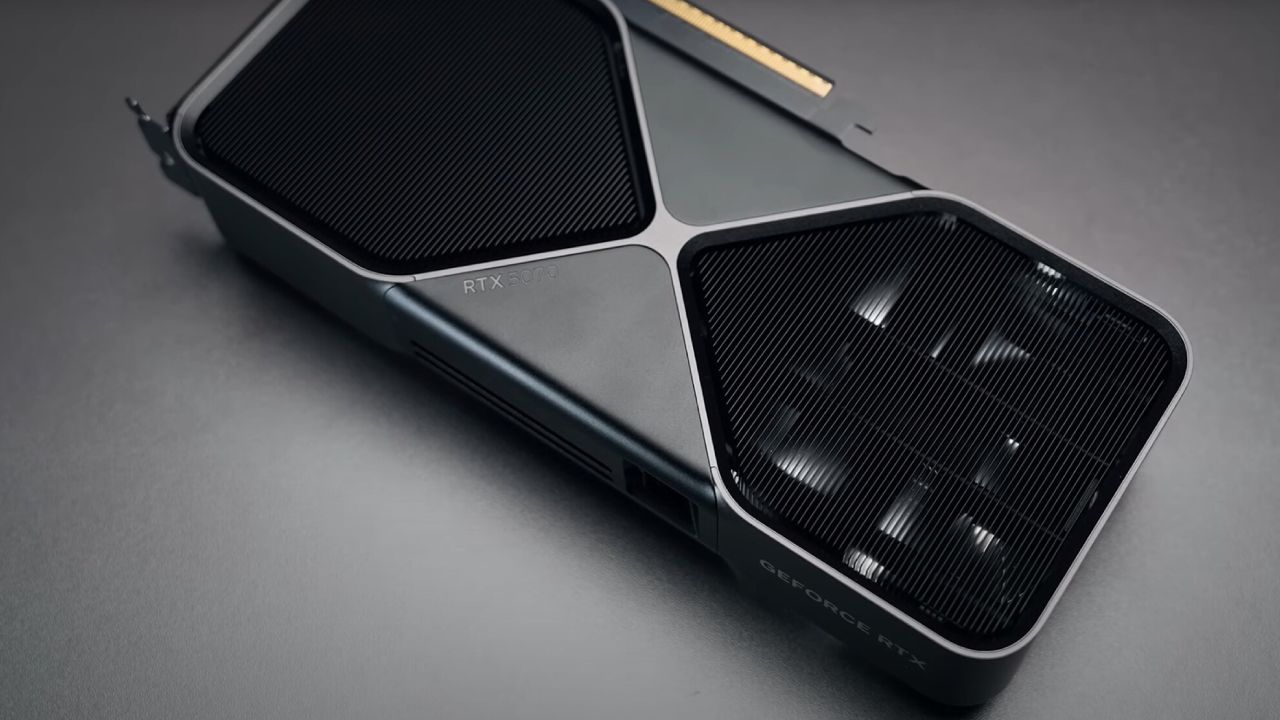
RTX 3090 vs RTX 5080 comparison highlights the difference between memory capacity and GPU performance. RTX 3090 has 24GB of VRAM, giving it a significant memory advantage over the RTX 5080's 16 GB. However, for gaming today, the RTX 5080 is considerably faster. Its newer architecture, stronger compute, and ray-tracing performance allow it to outperform the RTX 3090 despite having less VRAM.
Texture compression could therefore play an important role in determining how future games use VRAM. Better compression could enable developers to deliver higher-quality assets while requiring less physical memory. Another factor that could affect the timing of the next-generation console transition is the PlayStation handheld.
VRAM capacity may determine graphical settings rather than overall playability.
If that system launches next year, it could delay some of the pressure around the PS6 generation by another year. Microsoft's messaging around Helix has pointed to 2027, making the question of memory requirements more pressing. Still, the final hardware specifications remain uncertain, and the amount of memory in these systems could change before launch.
The main distinction is between matching next-generation consoles exactly and simply having a good next-generation gaming experience. If future consoles eventually ship with significantly more memory, matching their highest or console-equivalent settings will likely require more VRAM on PC. But a 16GB graphics card could still provide a good experience by reducing individual settings where necessary.
For now, 12GB to 16GB GPUs should remain capable for many games. At the same time, the long-term impact of next-generation console memory will depend on final hardware specifications, game-engine requirements, and technologies such as neural texture compression.
Editor, NoobFeed
Latest Articles
No Data.