
PlayStation 6 Price Concerns are Already Starting as Sony Waits on a Final Decision
Sony is still undecided on the PS6 launch timing and pricing, but early talk around memory costs, expensive hardware, and shifting business models already has players bracing for another pricey generation.
News by Mahi Araf on May 09, 2026
Sony’s latest financial briefing provided one of the clearest early looks yet at where the PlayStation 6 might be headed, and the biggest takeaway is straightforward: even Sony doesn’t seem fully locked in on what the next console is going to look like yet.
During the company’s recent earnings discussion, Sony President and CEO Hiroki Totoki explained that the company still hasn’t decided when the PlayStation 6 will launch or what price it will carry. That uncertainty mostly comes down to rising manufacturing costs, especially memory prices, which Sony expects to stay high through fiscal year 2027 because of ongoing supply shortages.
That immediately feeds into the biggest concern surrounding the PS6 already: cost.
Right now, the PlayStation 5 is already in an awkward position. The console is pricier than it was at launch despite being several years old, and that has clearly started affecting sales. Sony admitted PS5 sales have softened, something that probably isn’t surprising when you look at how people react to paying more for aging hardware. Spending extra money on a console that has been out for years is difficult to justify, especially when people already know the original launch price was lower.
There’s still a belief that major releases like Marvel's Wolverine and Grand Theft Auto VI could boost PlayStation 5 sales again during the holiday season, especially if Sony runs promotions or bundles. But even with those games coming, there’s a growing feeling that hardware enthusiasm is not what it used to be.
Totoki’s comments made it pretty clear that Sony is carefully watching component pricing before committing to anything. According to him, increasing memory costs directly raise manufacturing expenses, which obviously affects the final retail price of a console. He also mentioned that Sony is considering “various simulations,” including possible changes to its business model, in order to figure out the best strategy moving forward.
That line alone is enough to make people nervous.
If you look at the current hardware market, it’s already easy to imagine the PlayStation 6 landing at an extremely high price point. The PlayStation 5 Pro has already pushed pricing into a territory that many players were uncomfortable with. Once you start seeing premium models floating around near the $900 mark, it becomes difficult to imagine the PS6 launching cheaply.
Even a digital-only version of the next console probably wouldn’t escape that reality. The expectation now is that $700 could realistically be the starting floor for the PlayStation 6, while higher-end versions could easily climb far beyond that. What makes the situation different this time is that the excitement for a new console generation just doesn’t feel as strong as it did before.
Back during the PlayStation 3 era, there was a very obvious demand for newer hardware. Games were starting to feel limited by aging systems, especially compared to PC versions, and by the time titles like Battlefield 3 arrived, people were desperate for a hardware leap. The transition from PS3 to PS4 felt necessary.
The same thing happened heading into the PS5 generation. Players wanted faster loading, better performance, and smoother frame rates. The jump to consistent 60 FPS gaming across most modern releases became one of the biggest advantages of the current generation.
But with the PlayStation 6, that same urgency just isn’t there.
The feeling now is more about diminishing returns. Visual improvements still happen, but they don’t hit the same way they used to. You already have games pushing high resolutions, ray tracing, and improved performance modes. The PS5 Pro introduced upgrades like PSSR and better visual quality in games such as Final Fantasy VII Rebirth, but those improvements are starting to feel more niche than revolutionary.

For a lot of players, current graphics already look good enough. Once consoles start approaching $800 to $1,000 territory, it becomes much harder to justify the cost for slightly cleaner visuals or stronger technical performance.
That problem stretches beyond the hardware itself too. Bigger and more technically demanding games mean higher development costs. Higher development costs usually mean more expensive games, more downloadable content, and more monetization overall. That entire cycle is becoming harder for people to accept while everyday living costs continue to climb.
The economic side of this discussion hangs over almost every part of the next console generation.
People are thinking more about groceries, gas, rent, and basic expenses than upgrading to another expensive gaming machine. The idea of spending close to four figures on a console plus $70 to $90 games feels disconnected from where many players are financially right now.
That’s also why there’s skepticism about how aggressive Sony will even be with PS6 exclusives early on. The expectation is that Sony will continue supporting the PlayStation 5 for years after the next console launches because the PS5 base is simply too large to abandon quickly.
Instead of immediate full-generation exclusives, the early PS6 lineup could end up leaning heavily on enhanced re-releases, upgraded remasters, and higher-performance versions of existing games. You can already picture cross-generation releases that get visual upgrades marketed specifically for PS6 hardware while the base PlayStation 5 versions remain widely available.
Sony also has another reality to think about: the company makes huge amounts of money simply by keeping players inside the PlayStation ecosystem. Subscription revenue, third-party sales cuts, and digital purchases matter more long-term than console profit margins alone. That creates a situation where Sony may not actually need every player to rush onto PS6 immediately.
Even if the console launches at a premium price, there will still be a wave of early adopters willing to buy it. That part almost feels guaranteed. New hardware always creates hype, limited stock always attracts scalpers, and launch demand always spikes because people want the newest thing available.
The bigger issue comes later.
Selling out an initial launch shipment is very different from building a platform with 80 to 100 million users over time. To reach that level, Sony would eventually need more affordable pricing and stronger reasons for average players to upgrade.
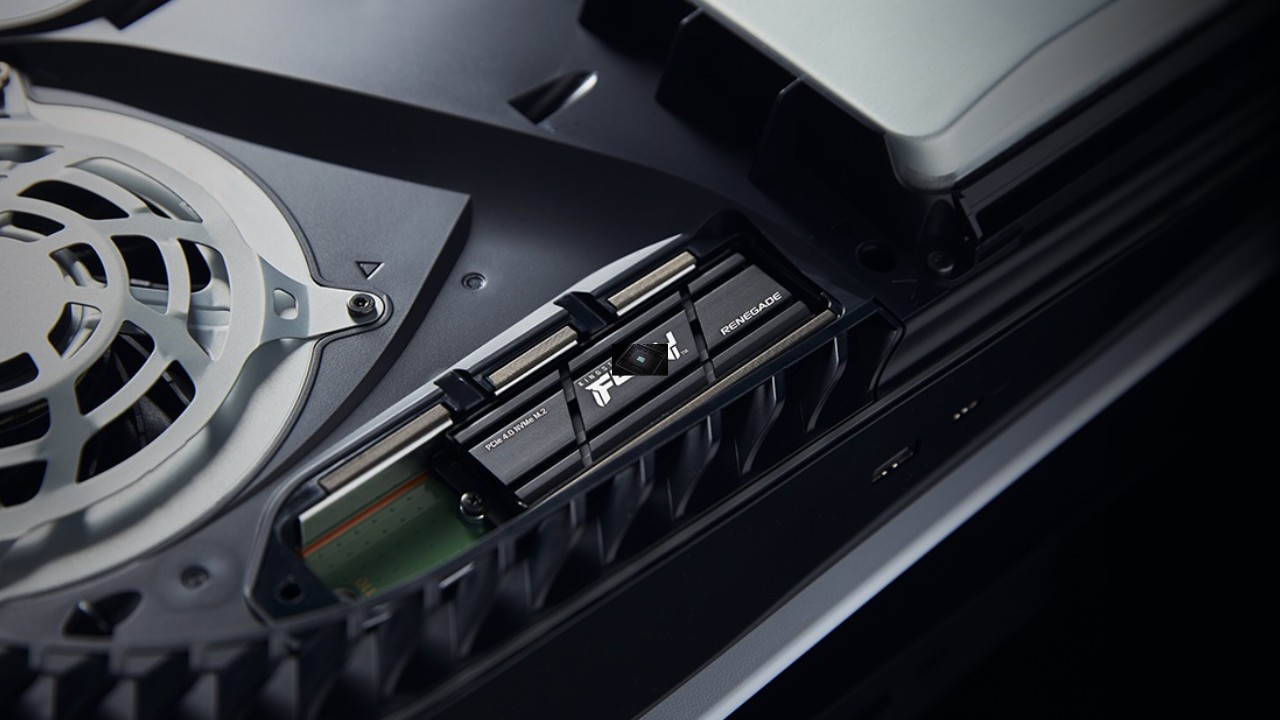
Right now, the perceived necessity of a PlayStation 6 just doesn’t feel especially high. The PS5 already handles modern games well enough for most players, and the improvements expected from another hardware leap don’t seem dramatic enough to justify extreme pricing for mainstream audiences.
The part that could become more concerning is Sony’s talk about changing business models. There’s growing speculation that Sony could eventually offset lower console profit margins by increasing prices elsewhere. That could mean more expensive PlayStation Plus subscriptions, more aggressive digital pricing, or higher costs across other PlayStation services.
That possibility is already worrying some players because PlayStation Plus pricing has been criticized heavily in recent years, especially by users who feel the service quality hasn’t improved enough to justify repeated increases.
At the same time, Sony still has to keep an eye on Microsoft and whatever direction Xbox decides to take next. Much of that conversation currently revolves around “Project Helix,” though there’s still uncertainty surrounding exactly how Microsoft plans to position future hardware.
There’s also the broader issue of platform strategy.
If Xbox continues releasing games on PlayStation while Sony keeps its own first-party titles exclusive, PlayStation could still maintain a stronger overall position with mainstream audiences, especially if Sony’s hardware remains the cheaper option between the two companies.
Even with all the uncertainty, one thing is obvious: the next year or two are going to shape the future of gaming hardware in a major way. Sony is clearly trying to balance rising production costs, player expectations, long-term ecosystem revenue, and shifting economic realities all at once. The PlayStation 6 is coming eventually, but right now it feels less like a highly anticipated leap forward and more like a console Sony itself is still trying to figure out.
Senior Editor, NoobFeed
Related News
No Data.