
PlayStation’s ‘Game Ownership’ Claims Spark Debate as its Next Games Face an Uphill Battle
Sony's use of the term "own" for digital games is once again attracting attention, and the cases of Wolverine, God of War, and Intergalactic will show whether growing criticism of PlayStation is affecting sales.
News by Tahmid Mahi on Sep 14, 2026
Once again, PlayStation's stance on digital game ownership has become a subject of discussion, and this time the humor stems from Sony's own words. The Consumer Rights Wiki has compiled a list of instances in which PlayStation has used the word 'own' in relation to digital games.
The list is interesting if you've been following the latest debates about digital ownership, since Sony has repeatedly described players as owning games even though that ownership comes with limitations. That distinction has become increasingly important as more games rely on digital licenses rather than physical copies that players can keep indefinitely.
The list includes references to upgrading an eligible digital PS4 game you already own to the digital PS5 version.
This includes switching between the PS4 and PS5 versions of a game you own, as well as upgrading an eligible digital game to the PSVR2 version. PlayStation has also used similar wording when discussing content you already own that continues to work and when describing games available through different parts of its ecosystem.
Sony can obviously argue that the word is being used in a practical sense rather than as a strict legal definition. When PlayStation says you own a digital game, it can simply mean that you purchased it and currently have access to it through your account.
The problem is that the same terminology becomes noticeably more confusing when you compare it with PlayStation Plus. Sony makes it clear that you don't permanently own the monthly games you receive through the subscription service, since you need to remain subscribed to keep accessing them.
That is why the Consumer Rights Wiki list is amusing in the current situation. PlayStation can use “own” as an easy way to communicate that you have purchased or obtained access to a game, but that does not necessarily mean you have the same ownership rights associated with a physical copy.
You could describe it as having access to a game instead, but “own” is obviously a much simpler and more effective word for marketing purposes. With the current backlash around digital ownership and PlayStation’s broader policies, though, the company's repeated use of that word has created an easy target for criticism.
Even with all the negative attention, it is hard to see PlayStation changing its terminology anytime soon.
The company could technically replace statements such as “upgrade a game you already own” with something like “upgrade a game you already have access to,” but that is much less direct. For now, PlayStation has little reason to abandon language that has already become standard across its store and support pages.
The bigger question, however, is whether all this negative attention will have a meaningful impact on the company. You can see stories about PlayStation’s digital policies, pricing, physical games, and other decisions gaining plenty of traction online, but online outrage does not automatically translate into people abandoning a platform.
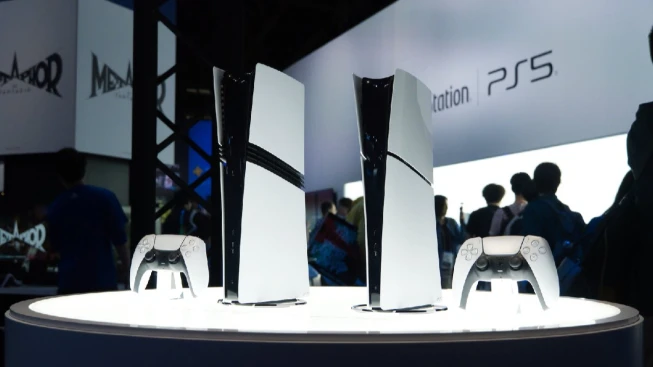
For now, the biggest problem is that PlayStation still has a massive audience and relatively few realistic alternatives. For those who already own a PS5 and have built up a digital library, switching platforms is not exactly an effortless decision.
You can move to a PC, but it can be expensive, especially if you want hardware capable of running modern games at a high level. You can also hop over to XBOX or Nintendo, but each platform has its limitations, and neither is currently in the same overall market position as PlayStation.
For many players, the simplest option is to keep playing the games they already enjoy. Even if you dislike Sony’s decisions, you can still decide that buying another console or building a PC is not worth the money.
That situation becomes even more important when you look at the games that dominate the console market.
Titles such as Madden, NBA 2K, and Call of Duty effectively act like pseudo-exclusives on PlayStation because they attract most of their audiences there. Call of Duty has a meaningful PC audience, but Madden and NBA 2K have nothing close to the same presence on PC, while XBOX has struggled to maintain significant market momentum.
Grand Theft Auto 6 creates another major advantage for Sony, even though Rockstar’s upcoming game is not technically a PlayStation exclusive. You can play it on XBOX as well, but XBOX’s current market position means that PlayStation is still likely to capture a giant portion of the game’s console audience.
Plenty of people who dislike PlayStation will still buy and play Grand Theft Auto 6 because the game matters more to them than their feelings toward Sony. That gives PlayStation another major release that can keep players invested in its ecosystem despite the surrounding criticism.
That is why next year could be particularly interesting if you want to see whether online criticism actually affects PlayStation commercially. Wolverine, God of War, and Intergalactic are all in completely unique situations, and each has reasons to struggle.
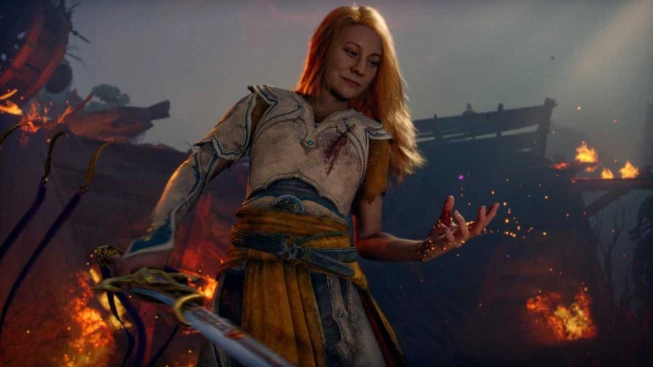
Wolverine is tied to one of Marvel’s biggest characters, but it is still a new game with a new story, and the negative reception could test whether poor reviews translate into weaker sales. It could still sell extremely well, but its performance will be worth watching.
God of War presents another interesting situation because the franchise has been heavily associated with Kratos for years.
Moving away from Kratos and focusing on Faye creates a different challenge, regardless of whether the new character or story is actually compelling. You can have an excellent story built around Faye, but the audience is still being asked to accept a major change within one of PlayStation’s most recognizable franchises.
Christopher Judge, the voice actor behind Kratos, has already praised the upcoming God of War game, calling it a banger and saying it will impress people. His enthusiasm is understandable, particularly because he has been such an important part of the franchise, but you cannot exactly expect the actor who plays Kratos to provide the most detached opinion about the next God of War project.
Then you have Intergalactic, a brand-new IP from Naughty Dog, which could face an entirely different challenge. Naughty Dog once had a reputation for making almost every major release an automatic success, but that perception has changed significantly.
The Last of Us Part II was reviewed extremely well, yet its reception among players remained much more divided than its critical response suggested. Launching an entirely new franchise under those circumstances means Naughty Dog cannot rely on an established character or series to guarantee the same level of interest.
Social media also creates another problem for these games. You can argue that online criticism comes from a vocal minority, but it has become increasingly difficult to determine exactly how large that minority is when the same conversations appear across social media, YouTube comments, streams, and gaming communities.
The criticism surrounding PlayStation no longer feels limited to a handful of people posting online. Whether that sentiment has genuinely spread to the broader core audience is something the commercial performance of these games could help reveal.

Such an outcome could be particularly difficult for future live-service projects because those games depend heavily on community engagement.
Multiplayer games need people to stream them, discuss them, recommend them, and continue playing them, so a hostile online environment can make that process much harder. Games that succeed through social media momentum need players to actively contribute to that momentum, while PlayStation currently has an online audience that is often eager to see its new projects fail.
So the box office of Wolverine, God of War, and Intergalactic should give you a better idea of how serious things are really. The recent PlayStation releases have been a mixed bag, with some doing well commercially and others struggling. The next three big releases are not just sequels for the safest franchises around.
You can expect all three to sell millions of copies, but that alone might not be enough because modern first-party games are incredibly expensive to develop. If these titles sell millions but fail to meet their enormous production and marketing costs, they could still disappoint.
For now, though, PlayStation remains in a strong enough market position that immediate consequences are difficult to predict. You still have millions of players invested in the platform, major third-party games still selling extremely well, and Grand Theft Auto 6 potentially bringing another massive wave of players into the ecosystem.
The backlash is real, but the next stage is determining whether it changes what people actually buy. Wolverine, God of War, and Intergalactic could provide some of the clearest evidence yet of whether PlayStation’s current reputation is staying online or finally starting to affect the wider market.
Editor, NoobFeed
Related News
No Data.