
RAM Prices in 2026: Will Costs Drop After the AI Boom?
Industry panic buying and supply chain constraints caused RAM prices to rise sharply during the peak consumer buying season.
News by Masaru Hoshino on Dec 24, 2025
RAM prices have been absolutely brutal in the past couple of months, but RAM costs may finally be leveling out. Many are wondering whether there is hope for pricing stability in 2026 and what that could mean for PC gamers as a whole.
Understanding recent market movements, supply contracts, and industry behavior provides clarity on how we arrived at this moment and what may lie ahead.
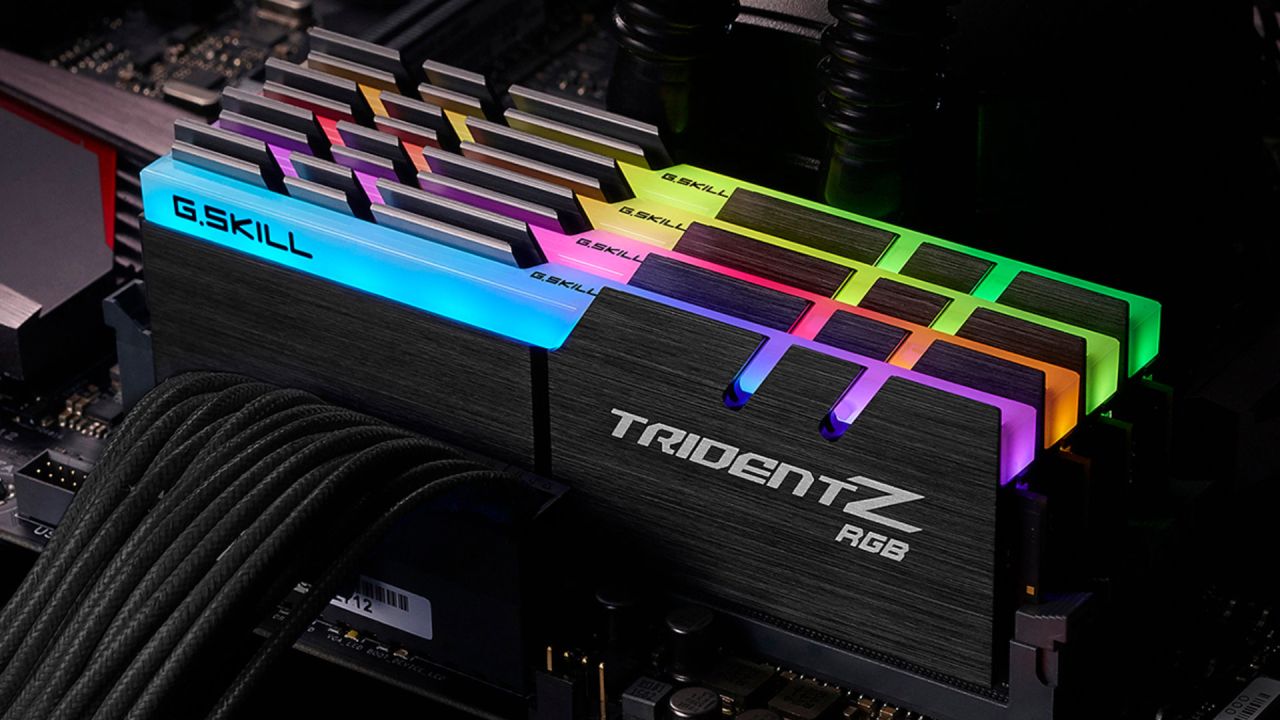
If you've been watching hardware news, you know that RAM prices have exploded since October 2025, when OpenAI signed deals with two of the three global RAM suppliers—Samsung and SK Hynix. That deal gave OpenAI nearly 40% of global RAM production, all to fill their AI data centers, where they are currently on the hook for over a trillion dollars in compute expansion—trillion with a T.
This started a chain reaction that brought down the RAM market. Other AI hyperscalers, who had big budgets for growth, panicked and rushed to buy RAM. OEMs that make everything from laptops to smartphones likewise ordered RAM in a panic, at prices that kept rising.
As usual, consumers in the PC enthusiast space were last in line, watching prices skyrocket almost daily, right in the middle of the largest consumer buying season—from October Prime Day through Black Friday.
Companies such as Dell, CyberPower, Framework, and others announced price increases.
For PC gamers, some manufacturers even floated the possibility of increased graphics card prices due to rising VRAM prices on top of already inflated RAM costs.
Something interesting is happening. Around the first week of December—about a week after Cyber Monday—prices appeared to flatten out. DDR5-6000 32GB kits, DDR5-5600 kits, and even DDR4-3200 kits were no longer climbing at the wild speed we had been seeing. Even though prices were still high, the chart movement had clearly hit a plateau instead of a rocket ship.
Looking back, in mid-November, we were finding DDR5-6000 CL30 (or tighter) kits for about $250. Now those same kits are around $320 to $350. Prices increased by another $70 to $100, but recently these kits haven't been budging like they used to.
Looser-timing DDR5 kits that used to sit just under $200 have also risen in price. Crucial DDR5-6400 CL38 (essentially equal to DDR5-6000 CL36) now runs about $292, while V-Color kits sit around $319. The difference between the premium kits and these looser-timing kits has become so small that many of us wonder why we don't just get the better ones.
One major shift right now is the rise of motherboard, cooler, and RAM combo deals. High-end motherboards and liquid coolers have seen massive discounts because overall PC component sales have slowed. Retailers, especially Newegg, have responded by bundling them with RAM at effectively subsidized prices.
For example, a combo with an ASRock X870E Nova, a 32GB 6400 CL36 V-Color RGB kit, and a 240mm AIO cooler could be found for $489—hardware that would normally cost $700–$800. Another deal paired G.Skill RAM with the high-end Asus Strix X870-E, discounted so aggressively that the RAM effectively cost $69. That deal sold out quickly, but restocks have been occurring.
Previously, DDR5 2x8GB kits for around $100 were a reasonable budget option. Now, many 16GB kits are $219 or higher—more than double their earlier price. As a workaround, some people consider buying single sticks now and matching them later. You can find a single DDR5-6000 CL30 stick for about $169. It's not ideal, but DDR5 is somewhat forgiving with mixing as long as the sticks are identical.
DDR4 has also rubber-banded upward. Kits that used to sit around $120–$150 sometimes jumped to $199–$209, though some are settling back down under $200 again. Meanwhile, 16GB DDR4 kits are mostly above $100.
DRAM Exchange spot pricing shows the same massive climb. Their own commentary indicates that recent spot market increases have exceeded expectations. They note that the price movements may be higher than supply-and-demand fundamentals justify. In everyday terms, the price jumps look suspicious, and memory makers may be taking advantage of panic buying.
Another factor is that most RAM is purchased under contract, not via spot pricing, and contract pricing is significantly better. So the real-world cost of producing RAM modules may not match the inflated spot market.
Industry insiders also question whether AI hyperscalers can even complete their planned data center buildouts. Major delays in construction materials, power availability, and physical infrastructure are already visible.
Oracle has reportedly delayed the construction of several OpenAI data centers by a year or more due to material and labor shortages.
There's also the issue of cash flow. Many of these companies have been stretching massive budgets to fuel an AI expansion bubble, and some may have bitten off more than they can chew. If OpenAI and others cannot actually deploy the facilities required to use the RAM they've contracted, that RAM still gets produced—and it will have to go somewhere, likely re-entering the broader market.
Right now, prices seem to be hitting a plateau. It's impossible to say whether this is temporary or the beginning of stabilization. We might be looking at a perfect storm: panic buying across the industry triggered by one massive contract, combined with global demand cycles and slowed consumer spending.
If these hyperscalers fail to deploy their data centers on time, the RAM they contracted could overflow into the broader market. If that happens, prices could drop. But they could also keep climbing if demand spikes again.
If you can afford a $300 kit and you need the RAM, we'd say buy it. If you need a new PC, those combo deals are currently the best value in the market. Maybe in 3–6 months, RAM will be cheaper, or maybe it will be even more expensive, and you lose time you could have spent using your system.
If you're on a tight budget, going with 16GB of DDR4 is the most sensible path. Around $100 is similar to 2018–2019 pricing—not ideal, but manageable.
You feel the pain the most. You probably want DDR5, but it's much more expensive now. If you can find a DDR5 combo deal or snag a sub-$300 DDR5-6000 kit, that's your best move.
There's less impact at the upper tier. If you're putting up a 9800X3D system with a high-end GPU, RAM price surges can add 10% or more to your build's total cost. It's even easier to understand with combo deals.
We'll keep posting links to good RAM discounts as they come along and keep an eye on costs. If you want monthly breakdowns like the ones we do for CPU and GPU tracking, let us know. We might even add spreadsheets in the future.
Editor, NoobFeed
Related News
No Data.