
Xbox Project Helix Could Bring a New Gaming Hardware Strategy
Xbox Project Helix expands the next generation with consoles, handhelds, OEM PCs, and cross-platform access to Xbox games.
Hardware by Naheyan Tahmin on Aug 19, 2026
Xbox is moving toward a hardware strategy that expands beyond a single console. Microsoft, AMD, and Xbox are working on a chip designed to power the next Xbox console, handhelds, and hybrid PC-console devices. The plan centers on giving players access to Xbox and PC games across different hardware types while keeping game ownership and libraries connected.
Microsoft, AMD, and Xbox have partnered to design the Xbox Magnus chip, which will power the next Xbox console, handhelds, and a hybrid PC console. The chip includes a neural processing die alongside a GPU engine designed for rendering and ray tracing, delivering performance from 60fps up to 120fps at PC high quality.
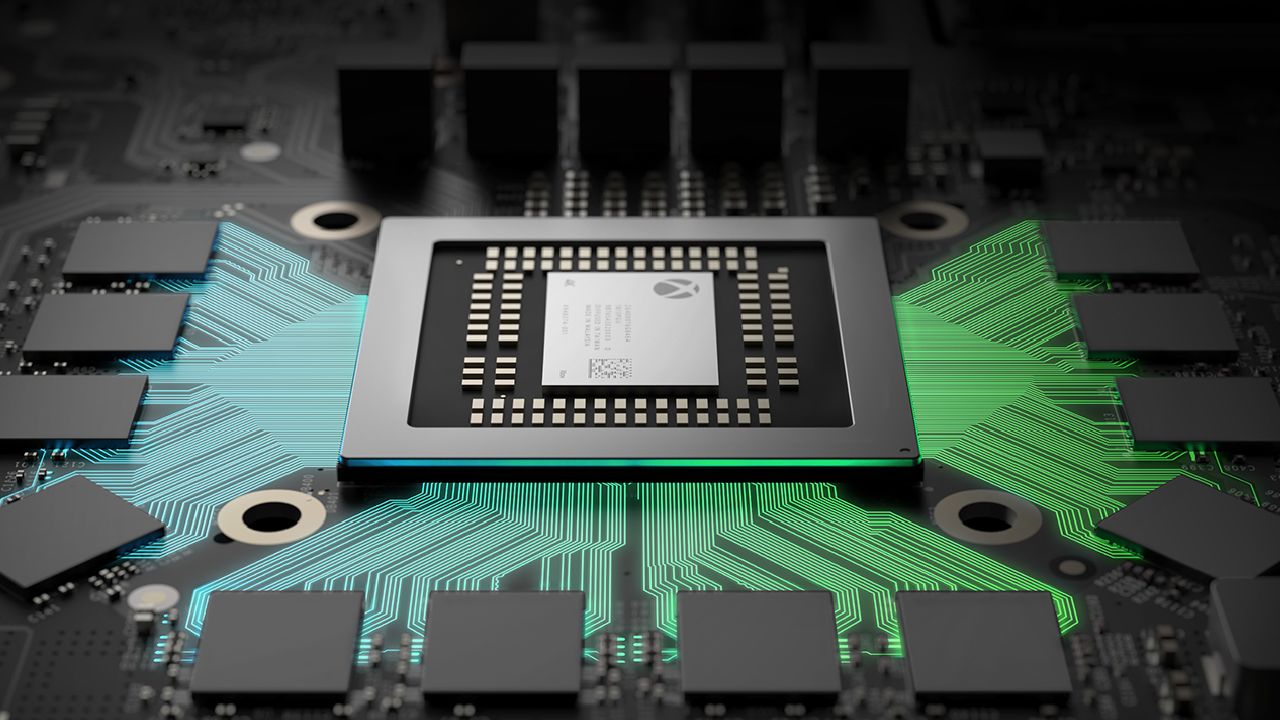
Xbox Project Helix and the Magnus Chip
Xbox has designed the chip to scale across multiple devices. That includes a planned first-party Xbox handheld, a project put on the back burner in 2025 but reportedly still being considered for the next generation. The first-party handheld is expected to use the native Xbox Magnus chip in a mobile laptop-style configuration.
The goal is to combine portability with access to the Xbox ecosystem, thousands of Xbox console games, and the PC library. A leaked plan outlines three next-generation Xbox device categories: Helix, Xbox PCs, and handhelds.
Helix is technically an Xbox console that supports both Xbox and PC games. Xbox PCs are Windows PCs with the Xbox app, while some systems using next-generation AMD and Xbox co-developed chips may also run Xbox console games.
Handhelds will be portable devices that can play Xbox console or Xbox PC games. Some original Xbox and Xbox 360 games are already appearing as standard Xbox PC titles through backward compatibility, allowing them to run across Helix, Xbox PCs, and handhelds.
This gives the next generation of Xbox hardware a different structure from the traditional console model. Instead of offering only one device, Xbox can support several hardware configurations.
Xbox OEM Console PCs
Xbox is also working with OEM manufacturers to bring its software and Magnus chip into PC-console hybrids. ASUS, Razer, Samsung, Dell, and other brands could build their own Xbox-based hardware. The idea is to move beyond a single Xbox device and give players different options based on price, performance, storage, and RAM.
These systems could combine the Xbox console experience with PC functionality. Small-form-factor OEM console PCs could deliver console-level performance while retaining PC flexibility. Some systems may also allow RAM and storage upgrades, giving the hardware more options than a fixed console.
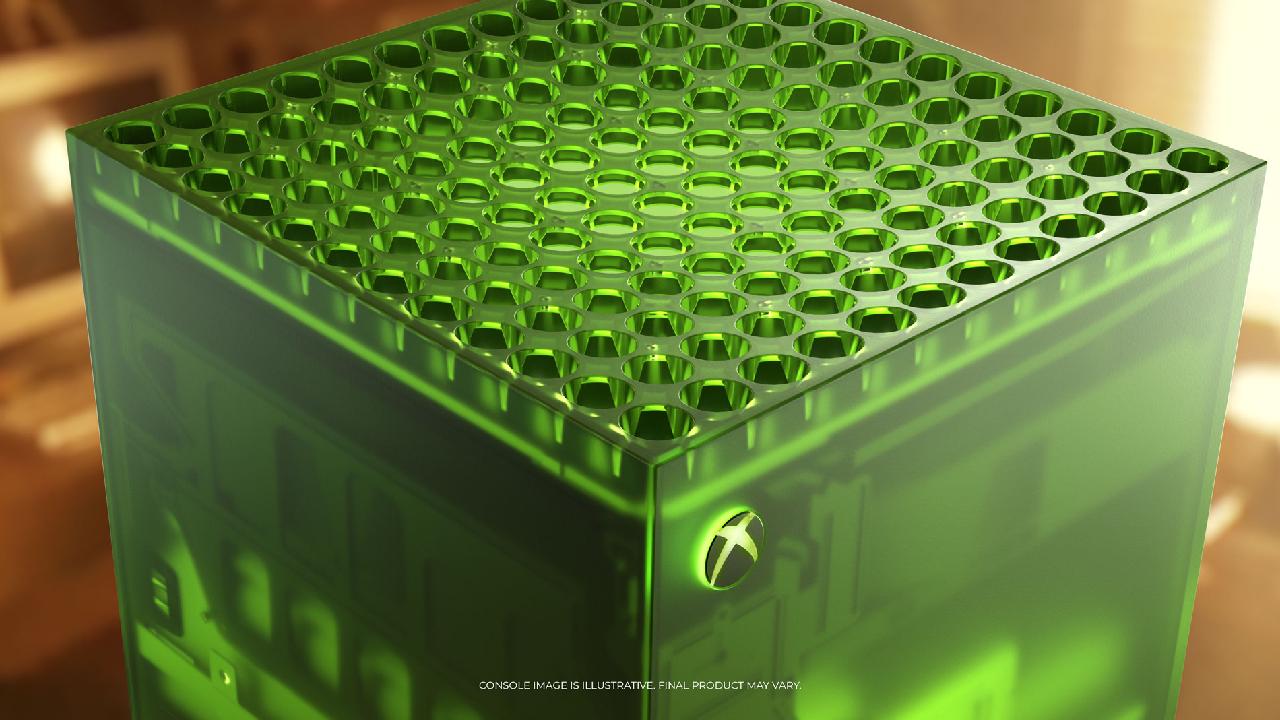
The software strategy is as important as the hardware. Microsoft is reportedly working to extend the original Xbox and Xbox 360 catalogs to next-generation Xbox devices. An emulator made by Microsoft would run locally on a PC, and supported games would look like regular Xbox PC games.
You would still be able to use the same account and cloud saves, and Microsoft would be responsible for engineering, emulator work, title certification, testing, storefront merchandising, and player support.
Fable 2 and the Xbox Back Catalog
One example is Lionhead's Fable 2. The Xbox 360 title remains locked at 30 fps via backward compatibility and is limited to Xbox consoles. Opening games such as Fable 2 to console-PC hybrids and other Xbox devices could give older Xbox titles another route to players. It could also create another opportunity to sell games that have remained inside the Xbox ecosystem.
For players, the main change would be access to purchased games across a wider range of hardware. For Xbox, the strategy could expand the ecosystem without requiring every player to own the same device.
Sources reportedly indicate that the modular Xbox Magnus chip for Project Helix will enter manufacturing early next year, with developer kits expected to go out by spring 2027. If ASUS, Lenovo, Dell, or other OEMs have hardware ready, Xbox devices could reach the market before Microsoft's own first-party console.
The first-party Xbox console is reportedly planned for November 2027. This change lets Xbox make more than one system. OEM hardware could have varying levels of performance while still accessing the same Xbox ecosystem and games.
The approach might give players concerned about the cost of consoles more options.
A less expensive device might aim for a different level of performance, and systems with more RAM, storage, or processing power might sit atop the Xbox hardware. The combination of Xbox software, AMD technology, and OEM hardware could also bring more console games to PC-style devices.
That would make the Xbox ecosystem less dependent on one piece of hardware. Project Helix is therefore positioned as more than another console generation. The combination of consoles, handhelds, Windows PCs, and OEM hybrid systems could create a hardware platform where the device becomes less important than the Xbox ecosystem and the games it connects to.
If the reported schedule holds, the next generation of Xbox hardware could begin taking shape before the end of 2027, with OEM systems potentially arriving ahead of the first-party console.
Editor, NoobFeed
Gaming Hardware Updates
No Data.