
AMD RX 9050 Struggles Against RTX 5050 and Intel B580
AMD's RX 9050 struggles against competing GPUs as rising memory costs threaten entry-level graphics card pricing.
Hardware by Naheyan Tahmin on Aug 19, 2026
When AMD releases the RX 9050, it will change the market for entry-level GPUs. Also, rising component costs could affect the prices of graphics cards. While this is going on, Intel is developing its next-generation Nova Lake desktop CPUs, aimed at gamers and everyday desktop users.
AMD tried to hide this GPU from reviewers, and it's not being said to sound provocative or grab attention. AMD forbade any of its partners from sending out a review unit. Hardware Unboxed was lucky enough to get a unit to test as long as the model being tested wasn't shared.
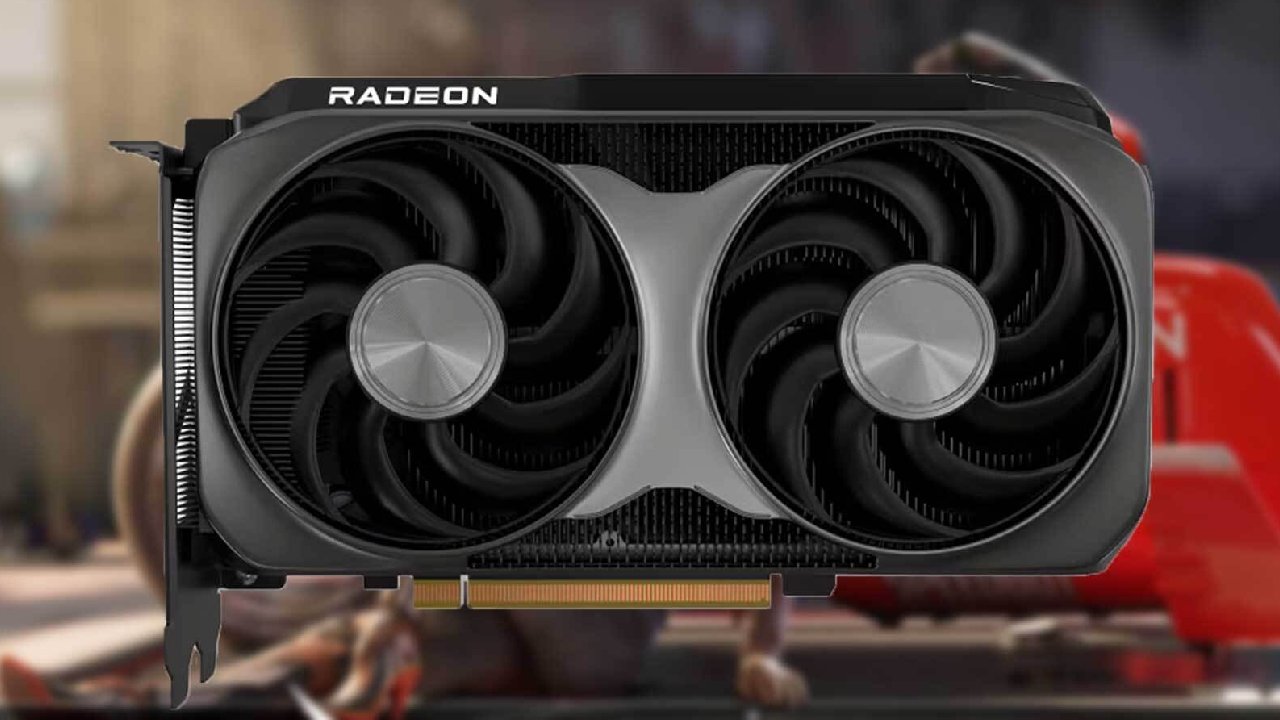
Basically, AMD did everything they could to stop the review, and it's no wonder why. We're talking about AMD's new RX 9050, and it's even worse than expected.
AMD RX 9050 Performance Raises Concerns
Remember that this is the cut-down RDNA 4 card with 16 compute units and 8GB of GDDR6, yet it still costs $280. To be fair, the RTX 5050 may have launched at $250, but right now the best price is around $300. Ultimately, it doesn't really matter, because the 10-game average at 1080p shows that AMD's new RX 9050 is worse than last gen's 7600.
The 7600 actually beats it by over 22%, and this is the 8GB model. AMD also has a 9050 with just 4GB, so it's likely to get even worse with that GPU. Compared to the 5050, Nvidia's card is 20% faster, yet it's only 7% more expensive at $300. RTX 5050 was already considered a poor price-to-performance card at $250, yet the 9050 is worse than the 5050 at $300.
At 1440p, the 9050 essentially matches the 5050 in average FPS and beats it by 1 frame in 1% lows. But it's really bottlenecked by the 8GB of VRAM. Plus, here you're not even getting a playable frame rate. So, 1080p is really all that matters for most games. It gets worse when we compare it to Intel's B580.
The card does roughly the same as the 5050 at 1080p, but crushes both at 1440p because it has 12GB of GDDR6. You can find the B580 for around $310. The 9050 would have to be under $200 to be a good price, even remotely. At $280, you're paying more than the MSRP of a 7600 while getting significantly worse performance. Basically, it's no wonder why AMD didn't send this thing to reviewers.
Entry-Level GPU Prices Could Rise
AMD may have a reason for launching the 9050 at such a high price. Right now, it looks poor. Remember, the GPUs on sale today use stock made weeks or even months ago. We just got a warning about what can happen when that older inventory starts disappearing. The company behind Zotac, Inno3D, and more just released its latest financials, and its outlook for graphics cards is concerning.
The company cites memory costs and slowing consumer demand, but those factors are already known. The key point is that entry-level VGA cards are set to face more severe shortages, which may further drive ASPs up in the second half. Basically, the one part of the GPU market that was still somewhat affordable may be next.
It doesn't stop there. According to PC Partner, longer lead times for CPUs, system memory, and other components are affecting its mini PC business. This brings us back to the 9050. At $279, we still think it's a poor value right now, but AMD may not have priced this thing for the GPU market that exists now. It may have priced it for the market expected over the next several months.
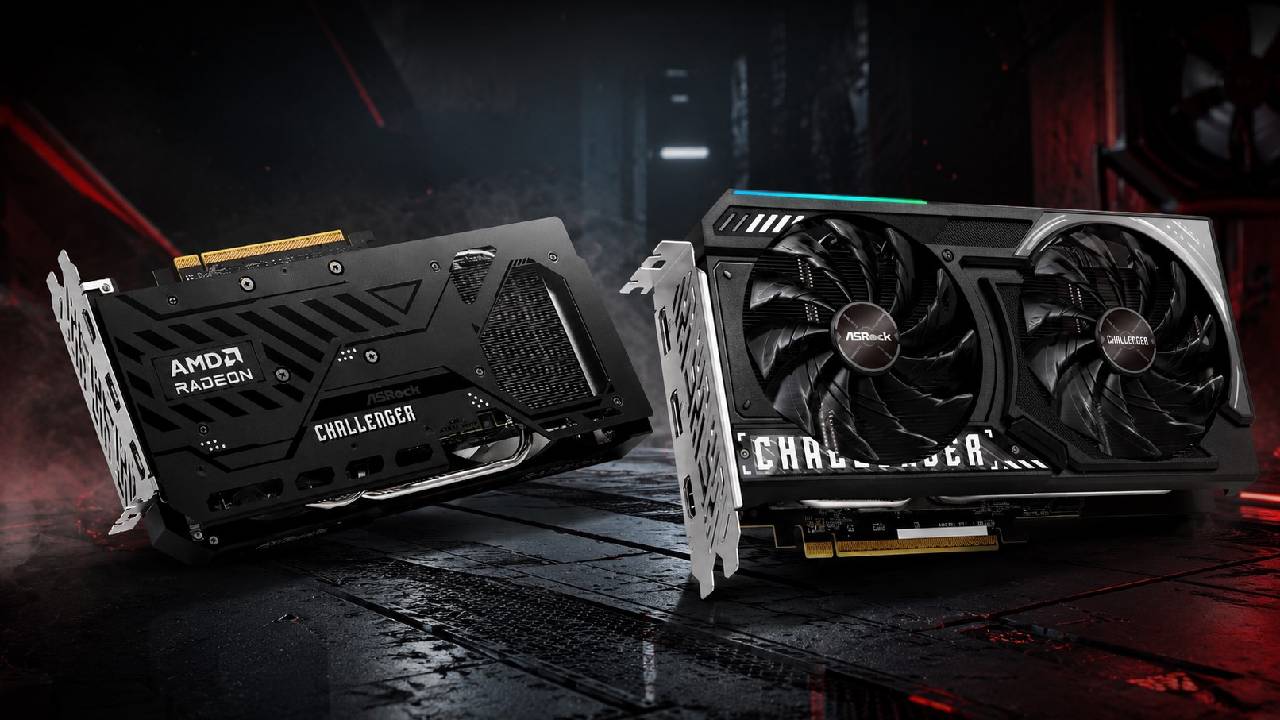
That doesn't mean AMD deserves a pass. They're essentially charging tomorrow's prices today. The 9050 itself could become more expensive if these shortages get bad enough. Basically, if you're looking to buy a new entry-level card, you probably want to do it sooner rather than later. But definitely don't pick up a 9050.
Intel Turns Focus Toward Desktop CPUs
Intel is starting to shift its focus from server to desktop chips. It's doing so with its next-gen Nova Lake CPUs. Competition matters, and that's exactly what Intel seems to be doing with its next generation. This story comes from a Tom's Hardware report in which they sat down with Intel VP Robert Hallock.
They asked about AMD's decision to launch its new Zen 6 architecture first with Epyc Venice server CPUs instead of consumer Ryzen. His response was basically, "We're doing the opposite." Hallock said Intel not only has a new core coming, but it's launching it on desktop first. He then added that he hopes enthusiasts "do the math."
It's sounding more and more like the leaks we've seen could be the real deal. To be clear, this doesn't mean Intel suddenly doesn't care about servers. Data centers are still important, but this does tell us where Intel wants to make its next big statement.
After the original Arrow Lake launch, that makes sense. Intel knows they have some reputation rebuilding to do. Hallock acknowledged that people have been skeptical over the last couple of years, but he says Intel is now preparing for what he calls one of the most significant desktop CPU launches the company has ever had.
Nova Lake roadmap extends through 2030.
Apparently, this isn't just marketing talk. Hallock said Intel spun off the part of the company that handled enthusiast desktop products, which previously shared people with other businesses, and gave it its own full organizational structure with dedicated people, a budget, leadership, product managers, and a different philosophy about what customers should get for their money.
Intel isn't planning to stop there. Hallock says the company already has its desktop CPU roadmap planned through 2030, with a back-to-back-to-back cadence of products built specifically for gamers and desktop users.
He also claims that Intel is accelerating its gaming roadmap and moving faster than ever before. Obviously, promises are promises. Nova Lake still has to show up and beat AMD where it matters, but think about where things were just a few years ago.
Editor, NoobFeed
Gaming Hardware Updates
No Data.