
Star Fox’s Return May Reflect Nintendo’s Switch 2 Pricing Strategy
The surprise Star Fox reveal quickly turned into a larger conversation about pricing, nostalgia, and why Nintendo suddenly seems to be backing away from $70 and $80 games.
News by Adeela Tas on May 08, 2026
Nintendo caught people off guard when it suddenly announced a Star Fox Direct for the Nintendo Switch 2 only minutes before it aired. Along with the presentation came confirmation that a new Star Fox game, revealed on May 6, will release on June 25th. That kind of turnaround is unusually fast for Nintendo, and it immediately led to a wave of reactions online from people trying to figure out exactly what the company was doing.
A lot of the early discussion focused on the game itself. Some people weren't into the art style, while others were frustrated because it looked like Nintendo was revisiting Star Fox 64 yet again instead of building a completely new game from scratch. If you have followed the franchise for years, you have probably seen this same debate play out every time Nintendo brings Star Fox back.
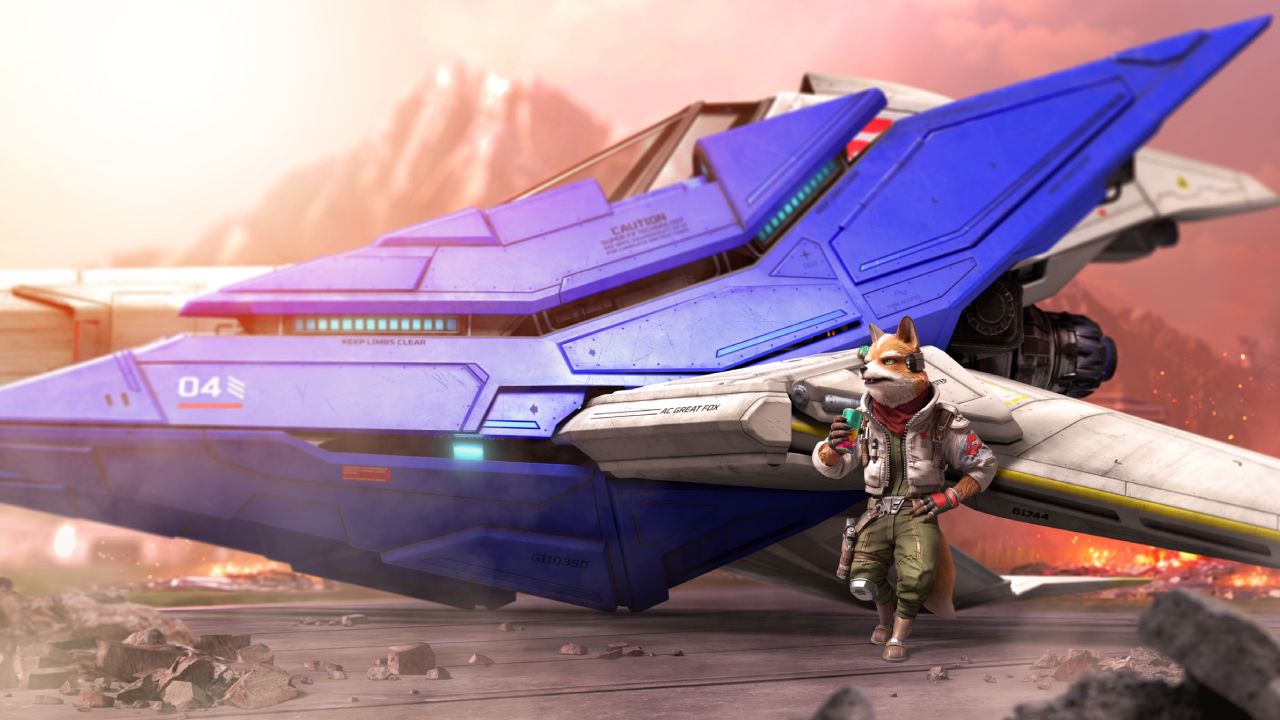
Nintendo has not exactly handled the franchise well over the years.
Star Fox Zero on the Wii U never became the comeback title many fans hoped for, and in a lot of ways, it pushed the series into another long period of inactivity. Because of that, there is a growing feeling that Nintendo may be safer sticking closer to Star Fox 64 than trying to reinvent the formula.
That conversation gets even more complicated once you look at how divided fans are over the series itself. Some players still argue that Star Fox Assault is the best game in the franchise, while others defend Star Fox Command. A lot of that comes down to nostalgia. Star Fox Assault had its moments, and plenty of fans still love it on the GameCube, but the game also had clear problems that people tend to overlook years later.
The same thing applies to Star Fox Command on the Nintendo DS. People remember it fondly now, but at the time, it felt more like a strategy game than a traditional Star Fox title. The franchise has struggled with identity issues for decades. After Star Fox 64, Nintendo never really settled on what Star Fox was supposed to be anymore.
The original Star Fox and Star Fox 64 followed a very similar structure, and that formula clearly worked. Then the series started experimenting heavily with different mechanics and styles because Nintendo seemed unsure where to take it next. You can trace that confusion all the way through games like Star Fox Adventures, which was never even supposed to be a Star Fox game in the first place.
That project originally started as Dinosaur Planet, a Nintendo 64 game being developed by Rare before the studio moved toward Microsoft. According to legend, Miyamoto saw the idea and thought it would be best to turn this game into a Star Fox project. However, the end product came out more like an adventure title than a Star Fox game.
There are plenty of gamers who will keep purchasing every remaster Nintendo releases, as they simply adore the title from their past. Star Fox 64 is one of those games inextricably linked to childhood memories of the N64 console.
The thing that changed the tone of the discussion regarding this particular remastered game, however, is its price point.
While other companies keep raising the cost of video games to $70 and beyond, Nintendo decided to sell Star Fox for $50. It's already clear how different a reaction to this kind of pricing point is for the same title. Games that cost $70 may seem a little too expensive for an avid consumer. However, once it drops to $50, a gamer will see such a title as more affordable.
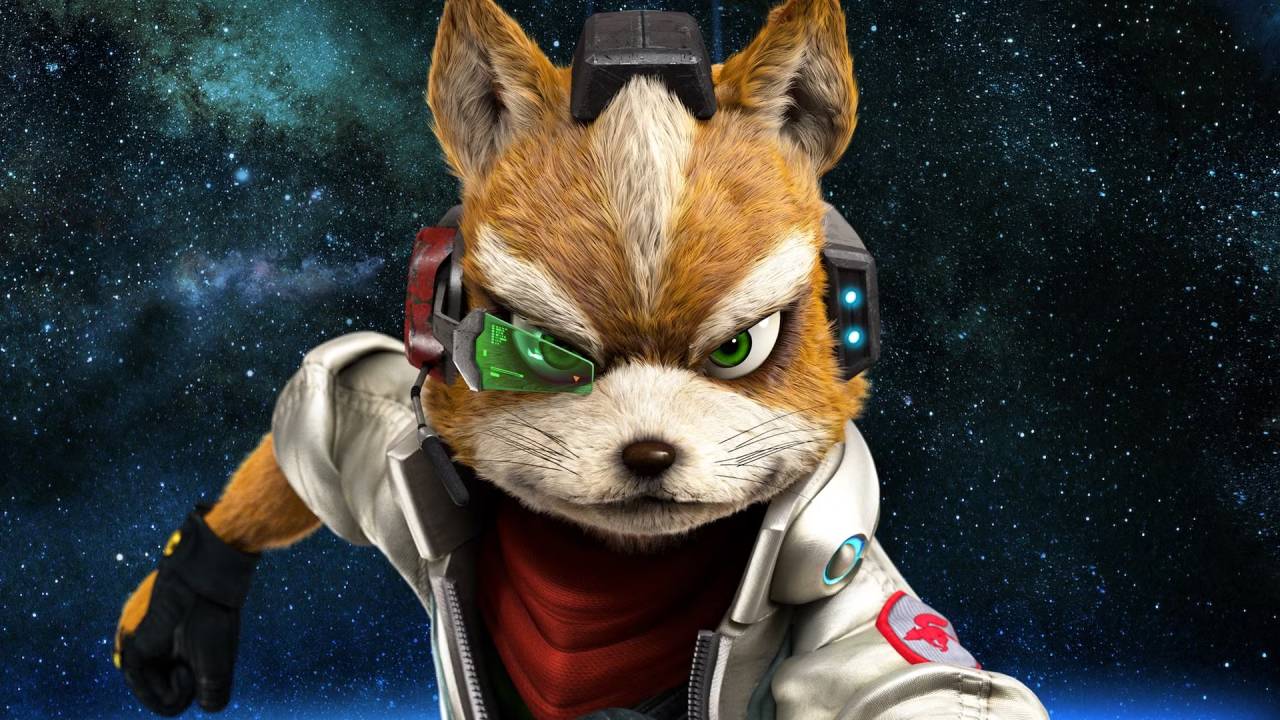
That same pricing strategy is also showing up with other Nintendo releases. Splatoon Raiders has been priced at $50 in its digital release, whereas others have been released at a price point well below what Nintendo set during the Switch 2 era. It is quite telling, considering all those years of discussions and explanations from Nintendo regarding how some games deserve $80 because of their significance.
The reduced cost becomes increasingly apparent when compared with collectibles like amiibo. There are plenty of individuals who frequently spend upwards of $40 on a single amiibo figurine, which remains unused after purchase and provides little more than limited utility. In this context, $50 for a full game with online play options, challenges, and replayability seems rather acceptable.
A change in price would also influence the consumer’s perception of taking risks. An individual might be just slightly intrigued by a game like Splatoon Raiders, but spending $70 on it would not seem worth the risk.
However, paying $50 for it might seem less risky. The same principle applies when discussing Star Fox's popularity. It appears that Nintendo is gradually realizing that reducing prices can motivate people to experiment with their games.
There are rumors that some Switch 2 games might not have performed well due to their high prices.
Titles such as Kirby Air Riders, Metroid Prime 4, and Mario Tennis Fever were not expected to perform as poorly as they did. Mario Tennis Fever, in particular, is being discussed more widely, as it sold even worse than some Wii U-era sports games.
That comparison matters because the Wii U sold far fewer systems overall. If a Switch 2 sports game is struggling to outperform a similar title on Nintendo’s weakest modern console, something clearly is not lining up. A lot of people believe the $70 pricing played a major role in that.
Some fans point to eShop rankings as proof that these games sold well digitally, but that argument does not really hold up when you look more closely. Games constantly appear near the top of digital charts for short periods before fading away completely. A high chart placement does not automatically mean a game became a massive success.
Sports franchises like Madden and NBA 2K have climbed high on the Nintendo eShop charts before, yet those games never became giant Switch success stories afterward. Using digital rankings alone as proof of long-term performance leaves out too much information. Physical sales data still matters, especially because Nintendo fans traditionally buy a large percentage of games physically.
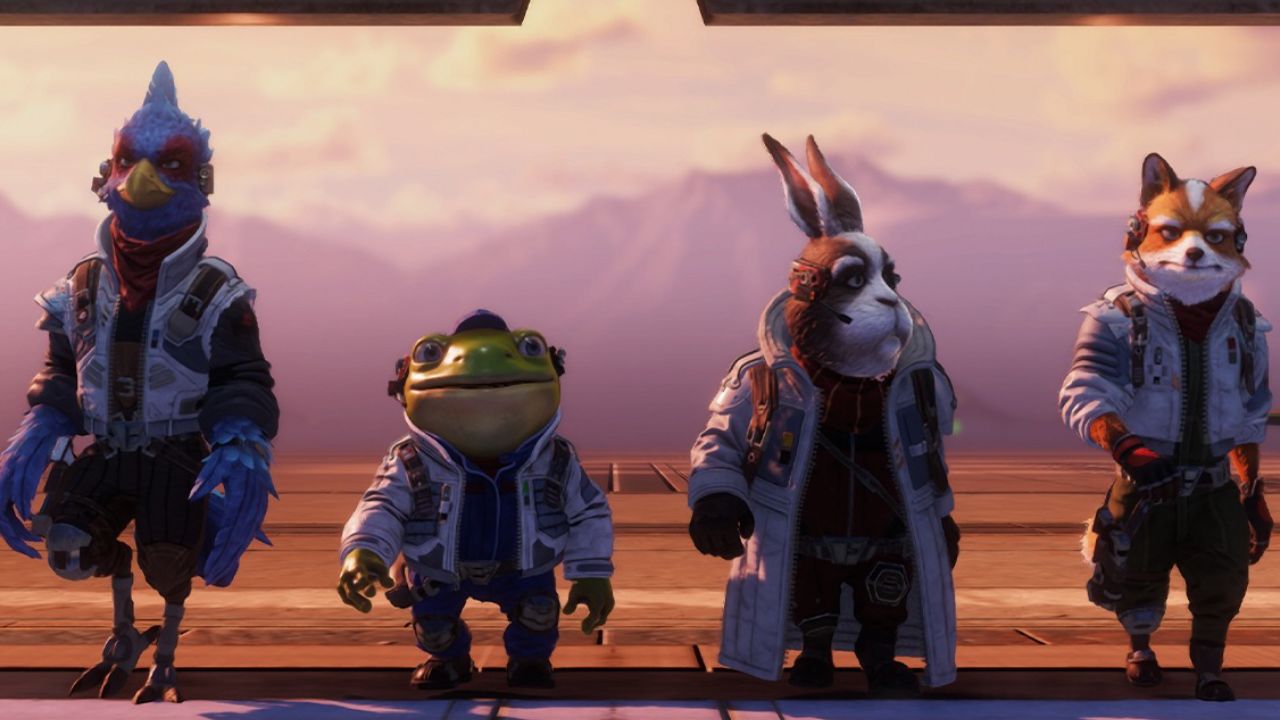
The company may be preparing for an all-digital Switch 2 model.
If Nintendo actually releases a Switch 2 model that only supports digital downloads, the recent changes in game pricing start to make a lot more sense. An all-digital console removes manufacturing costs tied to physical releases.
Nintendo would not need cartridges, packaging, printed cover art, or retail distribution for those copies. Digital sales also offer higher profit margins, which means the company can afford to price games slightly lower while still making strong returns.
That could also help Nintendo offset future hardware price increases. There is already a growing expectation that the Switch 2 itself may eventually become more expensive. If Nintendo introduces a digital-only version at a lower price, consumers may be more willing to accept it if software prices remain around $50 or $60 rather than rising toward $80.
You can already picture how attractive that setup would look to average buyers. A standard Switch 2 might eventually cost around $500, while a digital-only version could land closer to $400. Pair that with cheaper digital games, and Nintendo suddenly has a much easier value argument to make during a period where gaming hardware prices continue rising everywhere else.
None of these recent pricing decisions feels accidental.
Nintendo does not suddenly lower prices without a reason. The same company that pushed premium-priced first-party games is now releasing titles like Star Fox and Splatoon Raiders well below that standard. Something internally appears to be changing.
Maybe one of the most important things is recognizing that people are becoming more financially aware. While all this time passed, spending increased even though there were ongoing discussions about whether to charge that amount for a new title. A cheaper title will always seem better when so many new releases have bugs, are incomplete, or come with live service problems.
One must also remember that Nintendo is well aware of the power of nostalgia. People keep demanding remasters and remakes of titles from the Nintendo 64 era because they hold nostalgic value from the time of their release. Star Fox 64, Ocarina of Time, and Super Mario 64 are always mentioned when mentioning Nintendo's history.
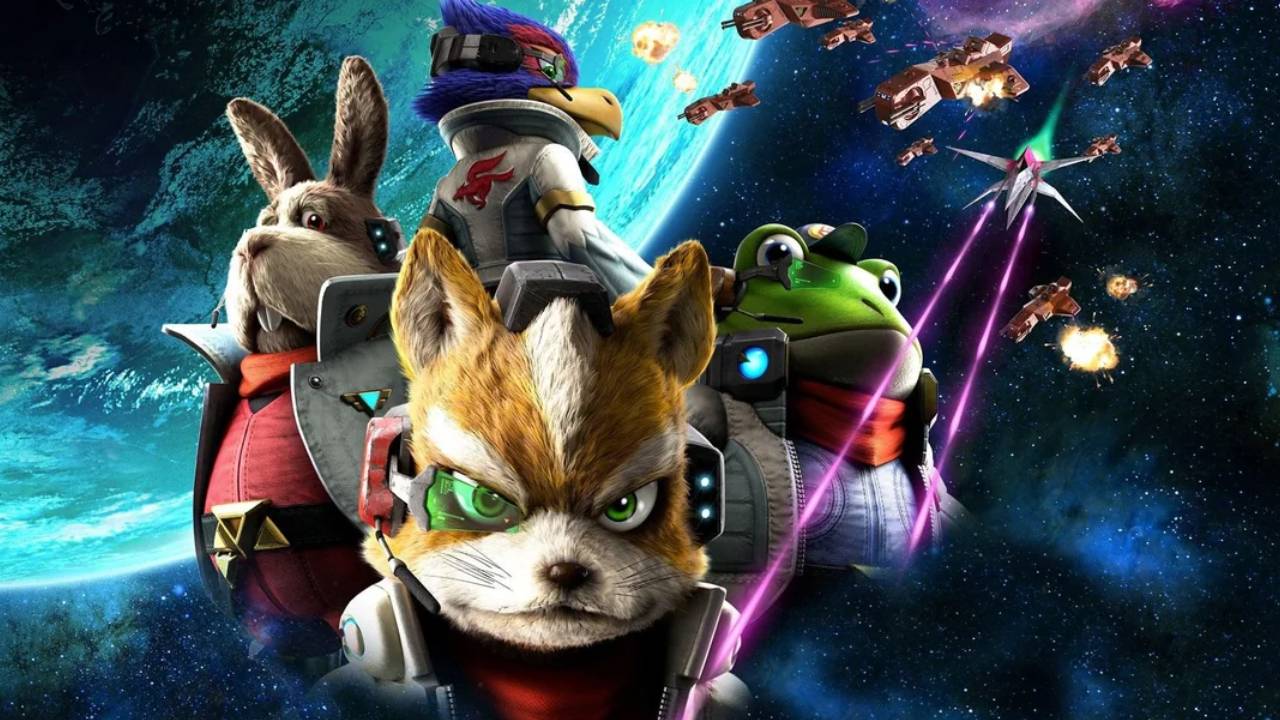
To some people, the idea of purchasing yet another iteration of Star Fox 64 is no longer frustrating because they are aware of their intention to do so, regardless. Each re-release plays into the nostalgic memories of one's youth, the Nintendo 64, and the simpler, less expensive times when games were simpler and less expensive. This nostalgia becomes even more powerful after the price goes below the AAA standard.
By now, the true story behind Star Fox 64 might be something else entirely. Namely, the game is only the prime illustration of Nintendo trying out a completely new way of pricing and positioning their games on the Switch 2. Regardless of whether the company experiences poor performance due to low-quality software or makes preparations for an all-digital future, it looks like they need to change gears fast.
If more affordable games become the norm, there is likely little chance people will refuse more Nintendo 64 remakes.
Editor, NoobFeed
Related News
No Data.