
SEGA Stumbles: Years of Re-Releases Catch Up
SEGA is at a crossroads that could change how Atlas RPGs are released in the future, from broken upgrade paths to changing market momentum.
News by Nusrat Choity on Nov 28, 2025
It looks like SEGA is at a crossroads. This is because of changes in the market and long-standing habits that are now coming back to haunt them. The sources say that the company recently told investors that many of its big games have not sold as well as expected, even though they got good reviews and praise from critics.
SEGA is now rethinking a problem that fans have been complaining about for a long time: the cycle of definitive editions, enhanced rereleases, and content-packed upgrades that make players buy the same game more than once. People have been talking about this for years, but now the company is confirming that players are really hesitant, and it's getting more obvious.
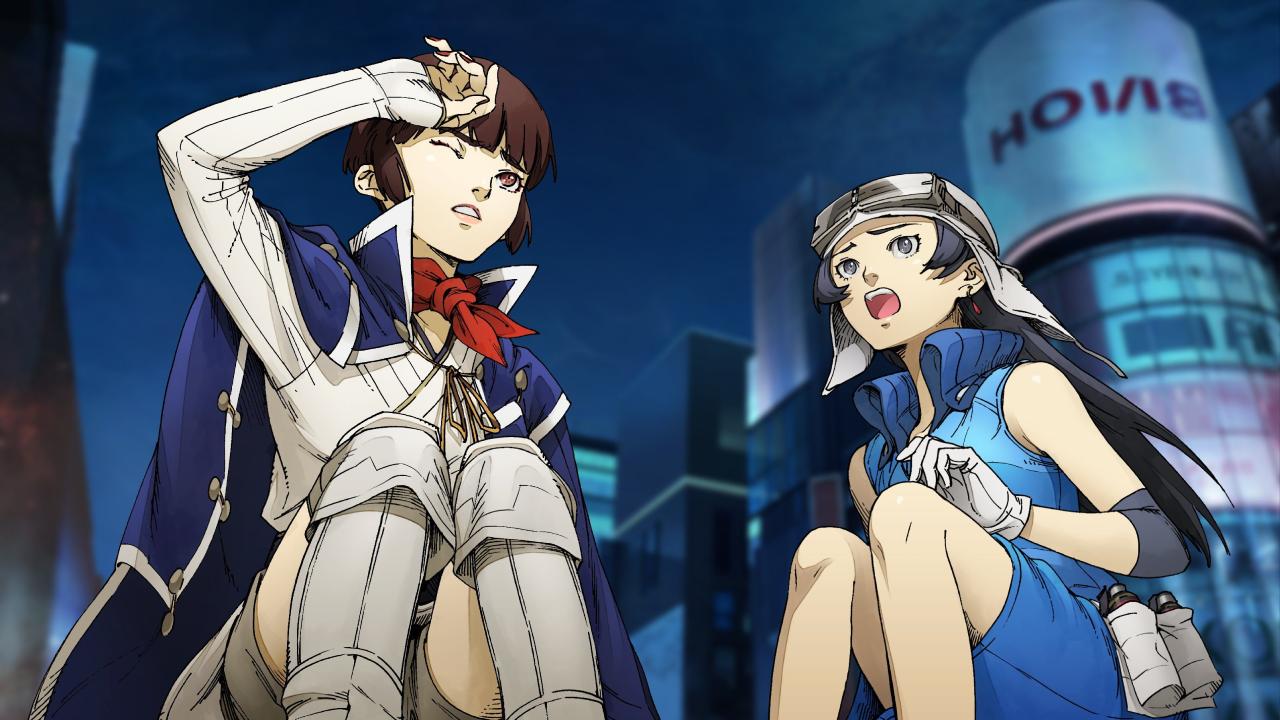
When definitive versions like Persona 5 Royal or Shin Megami Tensei V: Vengeance come out so soon after the originals, core fans start to see the first release as a rough draft instead of a finished product. SEGA now admits that this pattern may be hurting launch sales, which is a very important measure for modern publishing.
The most interesting thing about SEGA's recent comments is not what they said, but the situation that led up to them. During the financial Q&A session, the company said that even highly praised games had seen big drops in sales after they came out, compared to previous fiscal years. The reasons given ranged from busy release windows to the initial price, but one trend stood out: players are starting to expect these games to be rereleased later with more content, more features, or better performance.
That hope didn't come out of nowhere. For years, fans watched as series like Persona released new versions with new mechanics, more story arcs, and improvements for specific platforms.
Persona 5 came out in 2017, and then Persona 5 Royal came out for PlayStation 4 in 2019. This was followed by a new PS5 version that ran at 60 frames per second, but there was no way for people who already owned the earlier versions to upgrade. A lot of players have talked about this cycle, and many of them don't want to commit early.
People in the Persona community feel the same way. In 2021, Shin Megami Tensei V came out for the Nintendo Switch. In 2024, a better version called Vengeance launched across many platforms and included a lot of new content. This rerelease reached new hardware audiences, easing some concerns, unlike the Persona 5 situation. Still, the pattern made core RPG fans even more sure that it's better to wait than to buy at launch.
SEGA's own research backs up what many gamers have been saying on forums for years: the fanbase for RPGs like Persona, Metaphor, and Shin Megami Tensei is not casual. These games draw in dedicated, detail-oriented fans who want everything to be perfect. So when they think a definitive edition might come out in two or three years, they just wait. Sources say that SEGA now admits that this hesitation may be hurting early sales, even though the game is a critical hit.
Metaphor: ReFantazio is one of the best examples. On the first day, the title sold 1 million copies, but by the end of six months, it had sold only twice that many. The slowdown raised eyebrows for a new AAA IP with great reviews and significant marketing support. Fans had the same idea: if Persona and SMT games get expanded editions, why shouldn't Metaphor?
But SEGA's thoughts didn't stop at patterns for rereleases. The company also talked about more competition in the genre, changing revenue from free-to-play games, and marketing strategies that may not be showing off their games as well as they should. But SEGA's messaging makes one thing clear: the definitive edition culture that used to boost long-term sales may now be hurting launch-window performance.
There is, however, another problem that SEGA didn't directly talk about, but that fans are talking about a lot. The excitement around the Nintendo Switch 2 has changed how people in Japan shop. Some players say they are not buying any major releases until Switch 2 versions come out. The system is already selling like hotcakes, and demand is high. It's not surprising that fans would rather wait than buy a game for a platform they might no longer use.
The bigger problem for SEGA is that both trends - people not buying because of rerelease patterns and people not buying because of new hardware - are happening simultaneously. The RPG audience is already wary, and a major hardware change only makes them want to wait even longer. That mix makes it even more important that SEGA's next games offer clear, easy-to-understand upgrade options for customers.
Many players say that a simple paid upgrade path, even at a small fee, would make a big difference in how quickly people adopt the game.
If people who bought the base game knew that a $5 or $10 upgrade would let them keep playing when the next version came out, they would feel safe buying it on day one without worrying about losing access to new content or performance improvements.
This idea isn't new. Many publishers already use this model, and fans in Atlus communities have repeatedly said they would like it. SEGA could help rebuild trust and stabilize launch-day sales by implementing an official upgrade policy. If this change doesn't happen, people might be even more hesitant about upcoming releases, especially since the Switch 2 era makes players think carefully about where to spend their time and money.
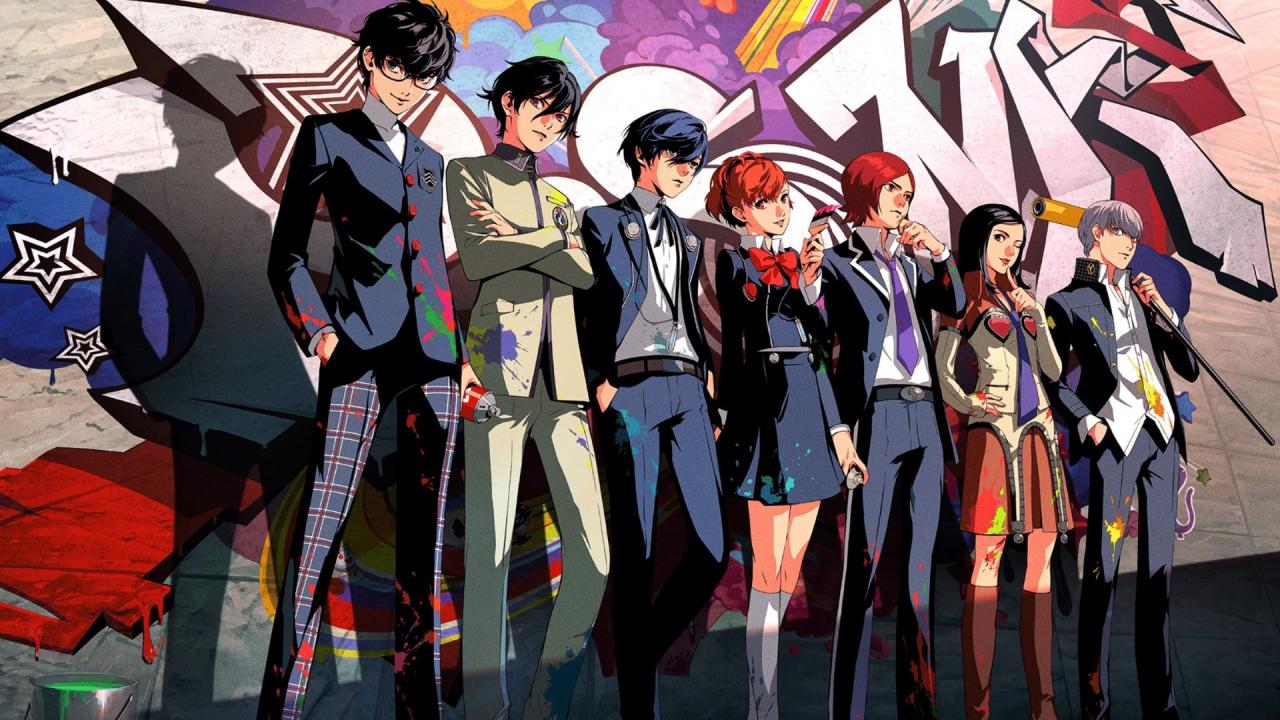
SEGA is now in a rare state of openness and self-awareness. The company admits that its marketing hasn't been strong enough, that there are too many competing games on the market, and that its past actions have made it hesitant now. Change is possible, but it will only matter if it happens quickly and consistently.
In the next few years, we'll find out if SEGA's biggest RPG series will continue to do well at launch or slowly lose steam due to uncertainty. As the Switch 2 speeds up hardware changes and fans want more value from premium releases, SEGA has the chance to change what "definitive" means and whether fans should ever have to wait for it again.
So many people are watching franchises like Persona and Shin Megami Tensei that one question is on everyone's mind: will SEGA finally break the cycle and restore trust on launch day, or will another wave of definitive editions keep players guessing?
Contributor, NoobFeed
Related News
No Data.