
Six Days in Fallujah’s Future Is Uncertain as Legal Dispute Threatens Major Updates
The tactical shooter may have substantial new development waiting behind the scenes as developer Victura and publisher Secret Mode battle over the game's future, funding, and source code.
News by Tahmid Mahi on Sep 29, 2026
Six Days in Fallujah has been one of those games with plenty of potential but a long and complicated road through early access. The tactical shooter has continued to attract attention because its procedural environments, squad-based combat, and unpredictable encounters create an experience that is difficult to find elsewhere.
However, the game's future has now become more uncertain as developer Victura and publisher Secret Mode are involved in a legal dispute over control of the project. The dispute has also raised questions about who will oversee future development, updates, and the game's eventual path toward its full release.
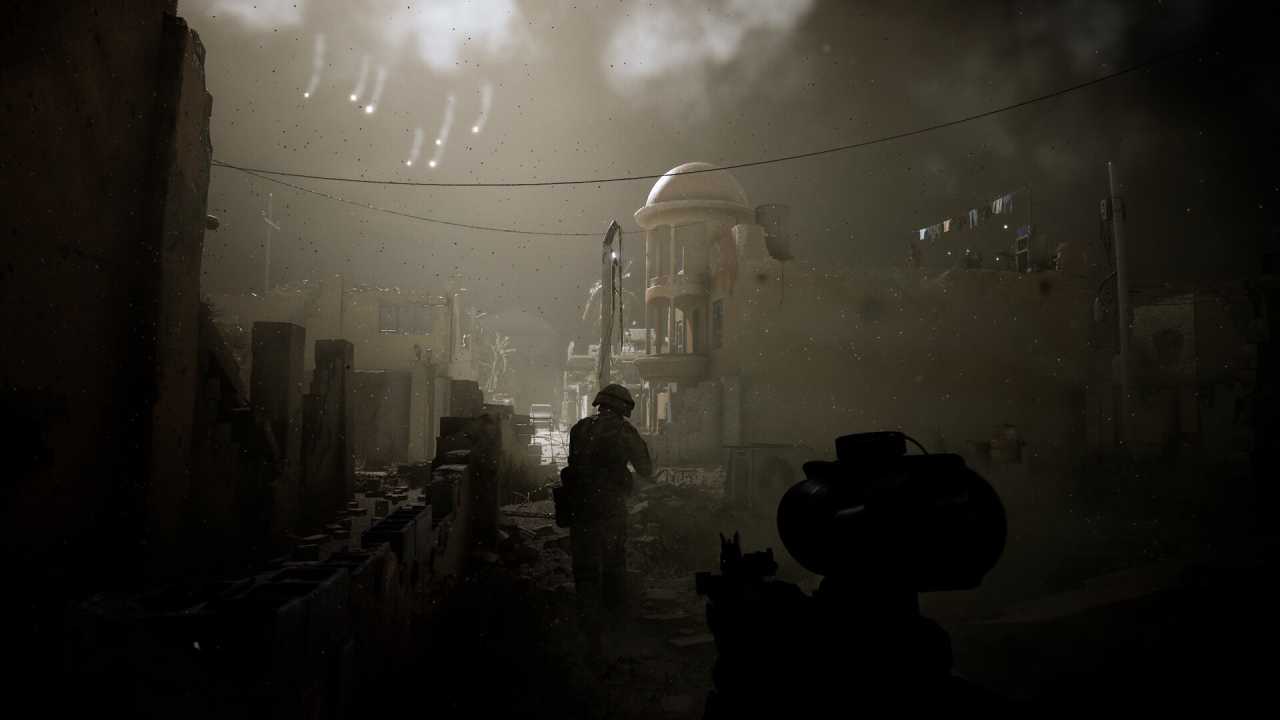
The situation is particularly frustrating because Six Days in Fallujah was never supposed to remain in its current state indefinitely.
The development roadmap has included additional missions, new maps and environments, improvements to friendly and enemy AI, new gameplay features, continued work on the game's procedural technology, and performance improvements. Those additions were intended to bring the project gradually toward its eventual 1.0 release.
For players who have been following the game through early access, the lack of major public updates has therefore been noticeable. This has left many players waiting for clearer information about when the next significant update will arrive and what it will bring to the game.
There had been expectations that Six Days in Fallujah would continue receiving substantial improvements as development moved forward, potentially giving returning players more reasons to come back while making the game more appealing to people who had never tried it.
According to Victura's position in the court proceedings, a newer PC version associated with Update 0.8 is already substantially complete. That does not mean the court has independently determined that the update is finished and ready to release, and Victura's claim is only one side of the ongoing dispute.
The dispute reportedly began around Update 0.6, while development continued beyond that point.
The game's planned improvements make that especially important because the work apparently did not simply stop when the public updates slowed down. A newer version could contain additional content and technical improvements that players have been waiting to see, although its eventual availability depends on how the legal situation is resolved.
At the center of the dispute is the publishing agreement between Victura and Secret Mode. The agreement was reportedly intended to provide millions of dollars in additional funding for Six Days in Fallujah, allowing development to continue through several major milestones before eventually reaching version 1.0.
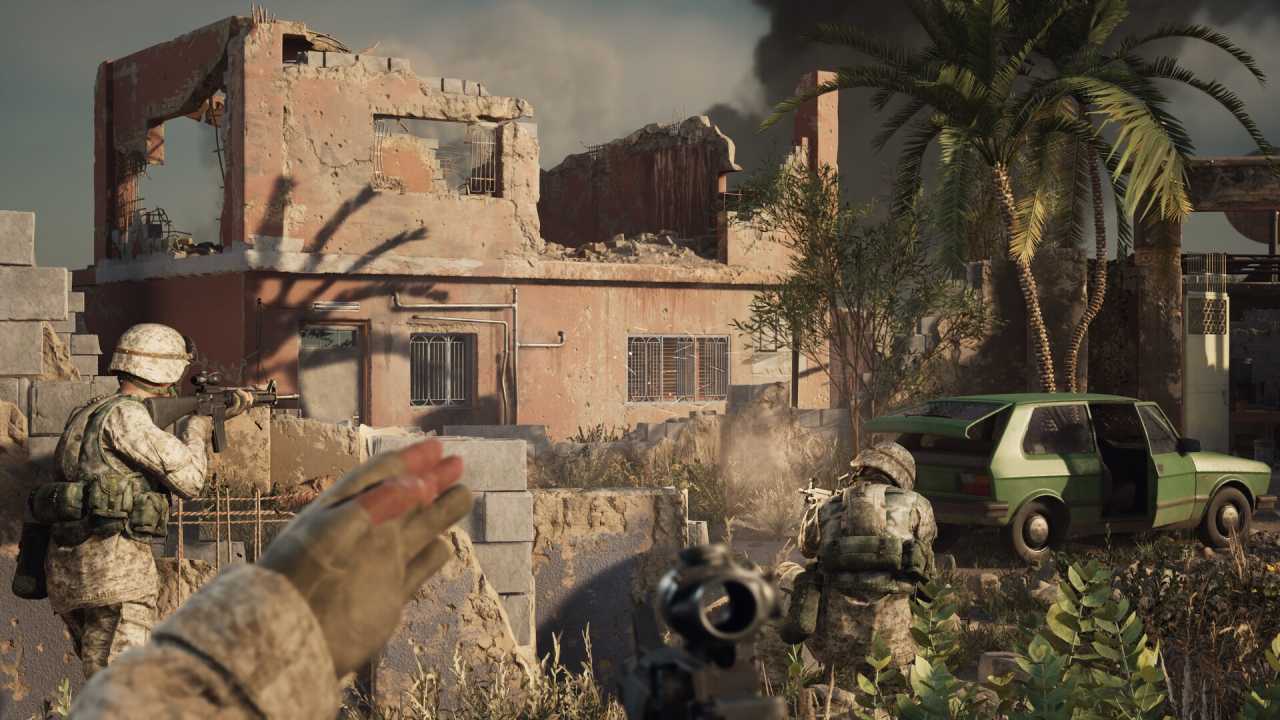
Secret Mode's position is that the rejected build contained legitimate technical problems, including issues related to loading times and AI. Under the agreement, repeated failures to meet certain milestones could eventually give Secret Mode greater rights to step in and take control of aspects of the game's development.
Victura reportedly attempted to terminate the publishing agreement shortly before Secret Mode expected its step-in rights to take effect. From there, the relationship between the companies deteriorated further, with Secret Mode maintaining that its contractual rights remain valid.
Victura has made more serious allegations regarding the rejection process, including claims that it was structured in a way that could allow control of the game and its underlying technology to move elsewhere. Secret Mode disputes these allegations, and the court has not established that Victura's claims are accurate.
Those are allegations made by Victura and have not been established as facts by the court.
Secret Mode disputes Victura's position, meaning the legal proceedings will ultimately have to determine how the contractual issues should be handled. For players, the important part is that the dispute involves more than just who publishes the next update because it also concerns the technology and development work behind Six Days in Fallujah.
That technology is a major part of what makes the game different from other tactical shooters. Victura has spent years developing the systems behind its procedural environments, allowing missions and building layouts to change rather than following the exact same scripted paths every time.
The procedural systems also have to work alongside the game's AI. Your squad needs to navigate the environments while enemy soldiers respond to what is happening around them, creating situations that can change quickly. When everything works properly, simply entering a building can become a tense moment because you cannot be completely certain what is waiting behind the next doorway.
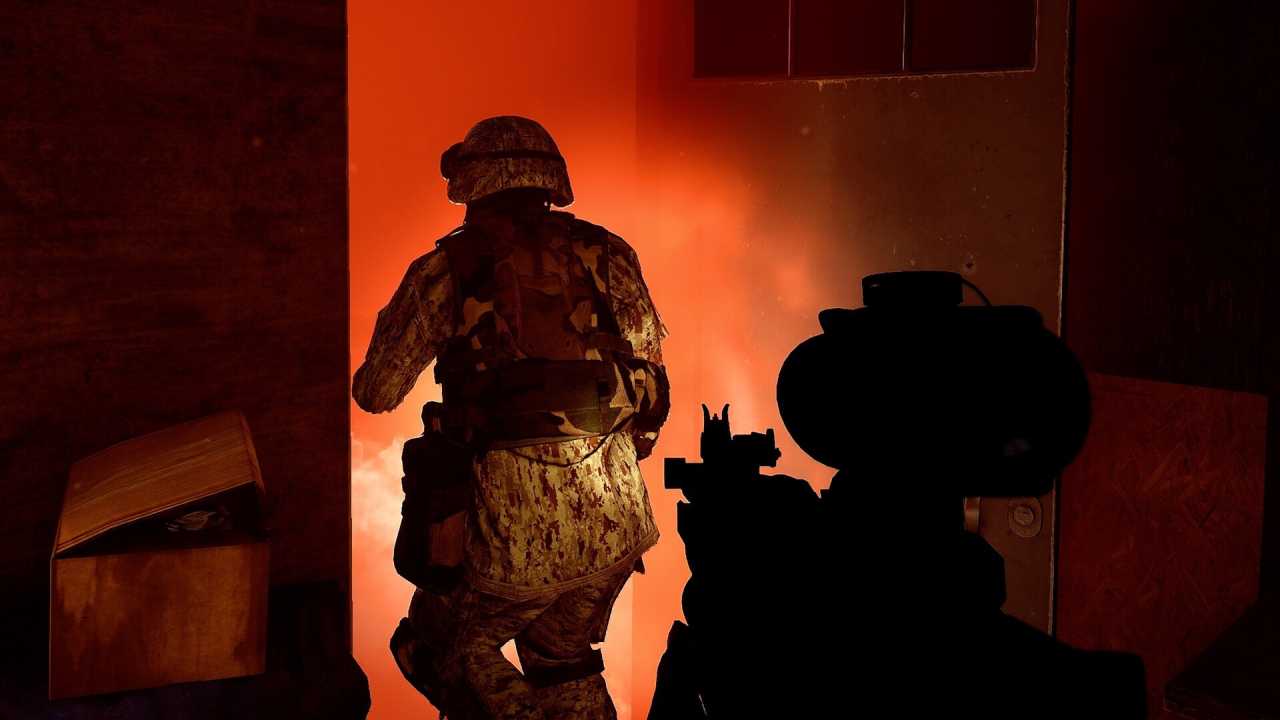
That combination of unpredictable environments, darkness, sound design, and tactical combat is a major reason the game has built an audience despite its long early access period. Six Days in Fallujah does not necessarily need to become an entirely different game to attract more players.
More locations and operations would add to the reasons to return, and bigger procedural systems could make the world feel less repetitive. Better friendly AI could also improve squad commands and combat scenarios, while better enemy AI could make encounters less predictable.
The money already invested in the project shows how much work has gone into the development. Over the years, Victura has reportedly spent some $52 million developing Six Days in Fallujah, while the game has brought in around $23 million in gross early access revenue.
The numbers also help explain why the legal dispute matters.
Six Days in Fallujah is not simply a small early access project that can be abandoned without consequences. Years of development, funding, technology, and player interest have gone into the game, and both sides appear to believe there is still enough value in the project to fight over its future.
That could also mean there is still a path forward for the game once the dispute is resolved. Secret Mode believes it can continue funding and publishing the project, while Victura wants to continue developing its own creation. Neither side appears to be arguing that Six Days in Fallujah should simply disappear, which leaves open the possibility that development can eventually resume under clearer circumstances.
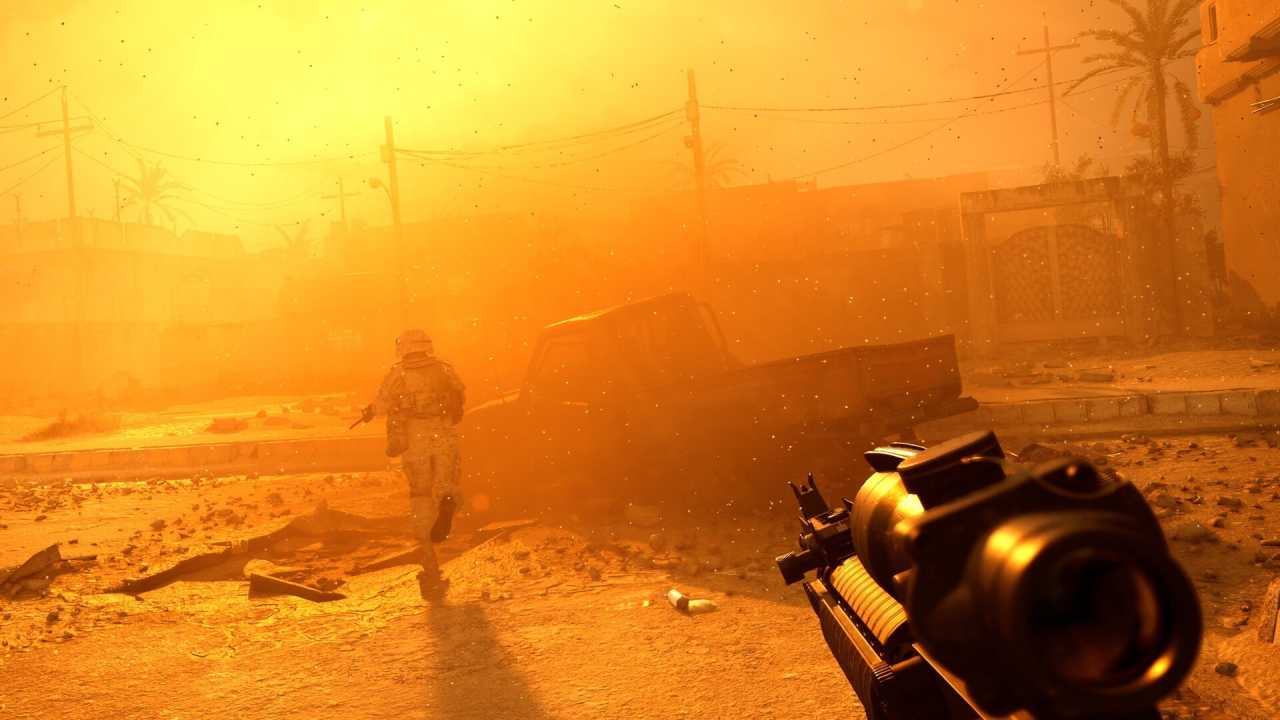
For players who have been waiting for the game's larger updates, the most significant hope is that the existing development work will not be lost. If a substantially newer build does exist, it could provide a look at how far the game has progressed beyond the version currently available.
The planned missions, environments, AI improvements, procedural technology, gameplay features, and performance work could give Six Days in Fallujah the substantial update that many players have been waiting for. Bringing these additions together would also give returning players more reasons to revisit the game and see how much it has evolved since its earlier updates.
For now, though, the legal proceedings between Victura and Secret Mode continue to tie the game's future to them. The dispute has created an unusual situation where development may have continued significantly beyond the publicly available version while the companies responsible for moving the project forward argue over who is entitled to control it.
Editor, NoobFeed
Related News
No Data.