
PS6 Price Could Benefit From Falling Component Costs as PS5 Emulation Makes Rapid Progress
Acer expects prices for memory and PC components to stabilize after 2027. PS5 emulators already can run major games and could continue to improve rapidly.
News by Tahmid Mahi on Sep 29, 2026
How much the PlayStation 6 will cost is still one of the biggest mysteries surrounding Sony’s next console, especially as the price of memory and other PC components continues to climb. Acer’s recent comments give hope that the current state of affairs may be coming to an end.
The company believes component prices will peak around the middle of 2027 and then slowly decline. Meanwhile, PS5 emulation on PC is progressing faster than many thought, with games that barely ran weeks ago now seeing major performance improvements.
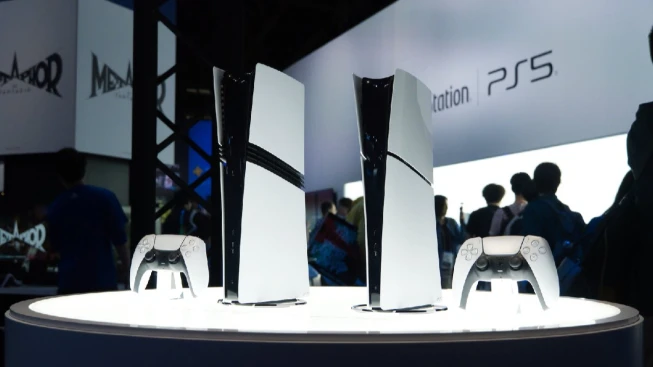
With the prices of gaming products continuing to go up, the cost of next-generation hardware is a much bigger concern.
“With memory costs going up, GPU costs, tariffs, and other supply chain issues, it's already harder to predict where the PS6 will land when Sony eventually launches it with this generation already suffering. The potential power of the PS6 could justify a high price for some buyers, but there will still be a point where the cost becomes difficult to accept for a large part of the market.
The latest comments from Acer could provide some reason for Sony and PlayStation fans to be less concerned about the situation. According to information reported by WCCF Tech, Acer expects the PC component market to become more stable after the middle of 2027, although prices are expected to continue increasing before reaching that point.
PC component prices have been affected across several categories, including DDR4 and DDR5 memory, SSDs, and GPUs. The continued demand from the AI industry has put additional stress on some components as manufacturers try to ramp up production. Recent price hikes from companies like TSMC have also stoked fears that CPU prices could get pricier in the short term.
Reports cite Acer chairman Jason Chen as saying he expects prices to start falling in the second half of 2027. His comments do not suggest that a price drop is guaranteed, but the expected improvement in memory availability could eventually help bring some stability to the market.
The improvement in supply could be particularly important for Sony, as the company will need to secure a large number of hardware components if it wants to launch a new console at scale. Semiconductor manufacturers are continuing to expand their facilities and increase memory production, which makes the idea of shortages lasting for years less likely.
After that point, the expectation is that prices will gradually decline.
More suppliers are also bringing additional components into the market, meaning manufacturers could eventually have more options when purchasing hardware. If demand does not rise at the same rate as supply, that could give companies more room to negotiate component costs and potentially reduce the overall expense of building new hardware.
That could be particularly relevant to the PS6 because previous leaks have suggested that the console could be costly to manufacture. One estimate from leaker Kepler reportedly put the PS6 bill of materials at around $960. If that figure is accurate, Sony would have to make some difficult decisions regarding the retail price, especially if it wants to avoid selling the console at a significant loss.
A bill of materials around $960 does not necessarily mean the PS6 would cost $960 at retail. Sony would still have to account for manufacturing, distribution, marketing, retail margins, software, services, and other expenses. However, it does show why memory and semiconductor pricing could have such a major impact on the eventual price of the console.
Sony could potentially sell the PS6 for less than its manufacturing cost during the early part of the generation if it decides that building a large installed user base is more important than making money directly from every console. That approach has been used across the console industry, although the exact strategy can vary between generations.
The timing could become especially important if component prices peak in 2027 and begin falling afterward. If Sony has already signed deals with suppliers and manufacturing partners prior to the price dropping, it might have to wait to reduce the launch price of the PS6. That would also explain the PS6's relatively high launch price before it settles into a more traditional console pricing curve. This generation has been unusual because higher memory costs, tariffs, and other expenses have slowed hardware price drops.
But there is another possibility.
If the prices of components keep increasing longer than expected, then Sony could be in a completely unique situation. Acer’s comments, however, paint a more optimistic picture for now, with the market potentially stabilizing at some point rather than remaining under the same level of pressure forever.
The other big story is PS5 emulation, which is progressing at a clip that may one day be of concern to Sony. PS5 emulators have moved from simply booting certain games to reaching menus and, in some cases, delivering playable performance. The progress on the Demon's Souls remake is one of the clearest examples, with the game reportedly moving from barely booting to reaching the main menu and eventually running at around 40 to 50 frames per second on powerful PC hardware.
That kind of improvement over a relatively short period shows why PS5 emulation is attracting attention. You still need compelling hardware to achieve these results, meaning the current versions are nowhere near being an easy replacement for playing PS5 games on the actual console.
One recent example is Wolverine, which launched as a major console exclusive on PS5. The game has been allegedly demonstrated running via a PS5 emulator on PC, but the current performance is extremely low and is not yet playable. Getting the game to boot and reach the main menu is still an early stage, but the progress is notable considering how quickly other PS5 games have improved.
The PC being used for this demonstration reportedly includes an RTX 5090, which is far beyond what most PC players have in their systems.
The more important part is, what if emulator developers are able to make these games significantly more efficient. If future versions can deliver similar performance on weaker GPUs, PS5 emulation could become much more accessible. A game that currently requires a high-end RTX 5090 could eventually run on hardware that a much larger number of PC players already own.
That is where the situation could become more significant for Sony. The company has increasingly brought PlayStation games to PC, but it still keeps certain major releases exclusive to its console for periods of time. If PS5 emulators eventually allow major games to run properly on PC without requiring a PS5, that could change the value proposition of owning Sony's hardware.
For now, however, there is still a huge difference between getting a game to boot and having a stable, fully playable experience. It’s difficult to argue with the results so far, but PS5 emulation is still a process that’s technically difficult. And each game can behave very differently based on how their engines and systems work.
The speed of development is nevertheless worth watching. Demon's Souls has already demonstrated how quickly performance can change as an emulator improves, and Wolverine could follow a similar path if development continues at the same pace. If that happens, Sony will have another issue to monitor alongside the ongoing questions about PS6 pricing, hardware costs, and its approach to bringing PlayStation games to PC.
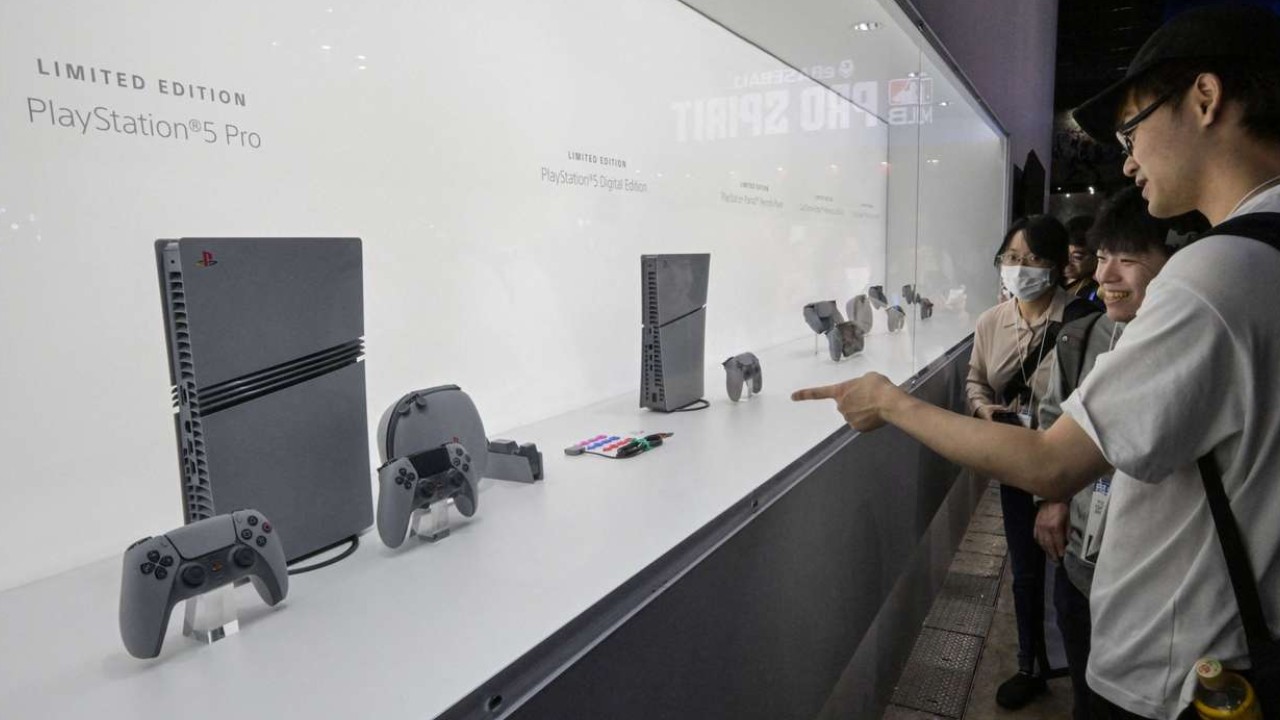
Based on the information talked through, the PS6 itself is still expected to arrive in November 2027, although Sony has not officially confirmed that launch date.
The PS6 chip and another next-gen chip are reportedly already at the tape-out stage, too, which would mean that development is pretty far along if those reports are indeed true. Still, Sony hasn't completely shown off the console yet, so the company's eventual announcement strategy will be another key part of the story.
CES 2027 could be a big reveal, such as Sony did with CES 2020 when it showed the PlayStation 5 logo before the console was revealed. That earlier appearance generated significant excitement despite revealing very little about the actual hardware. Whether Sony chooses to follow a similar approach for the PS6 remains unknown, but the company will eventually need to start talking more openly about its next-generation plans.
For now, the PS6 price will depend heavily on what happens with memory and semiconductor costs over the next couple of years. Acer's expectations suggest that component prices could peak around the middle of 2027 before declining, which could eventually give Sony more flexibility.
Editor, NoobFeed
Related News
No Data.