
Sony’s Concerns Over Rising Hardware Costs Could Delay the PlayStation 6
Sony says it has not finalized the PlayStation 6’s launch timing or price, as increasing component costs and changing business strategies create uncertainty around the next generation.
News by Tahmid Mahi on May 11, 2026
Lately, most of the gaming conversation has centered around Nintendo and the Switch 2, from hardware price increases to discussions surrounding games like Metroid Prime 4 and the reveal of Star Fox. But while Nintendo has dominated headlines recently, Sony quietly had its own major developments during its latest financial briefing.
During Sony’s Q4 fiscal year 2025 earnings briefing, Hiroki Totoki, president and CEO of Sony, addressed concerns surrounding rising hardware component costs and how they could affect the eventual release of the PlayStation 6. His comments immediately stood out because they pushed back against the growing assumption that Sony already has a firm release window.
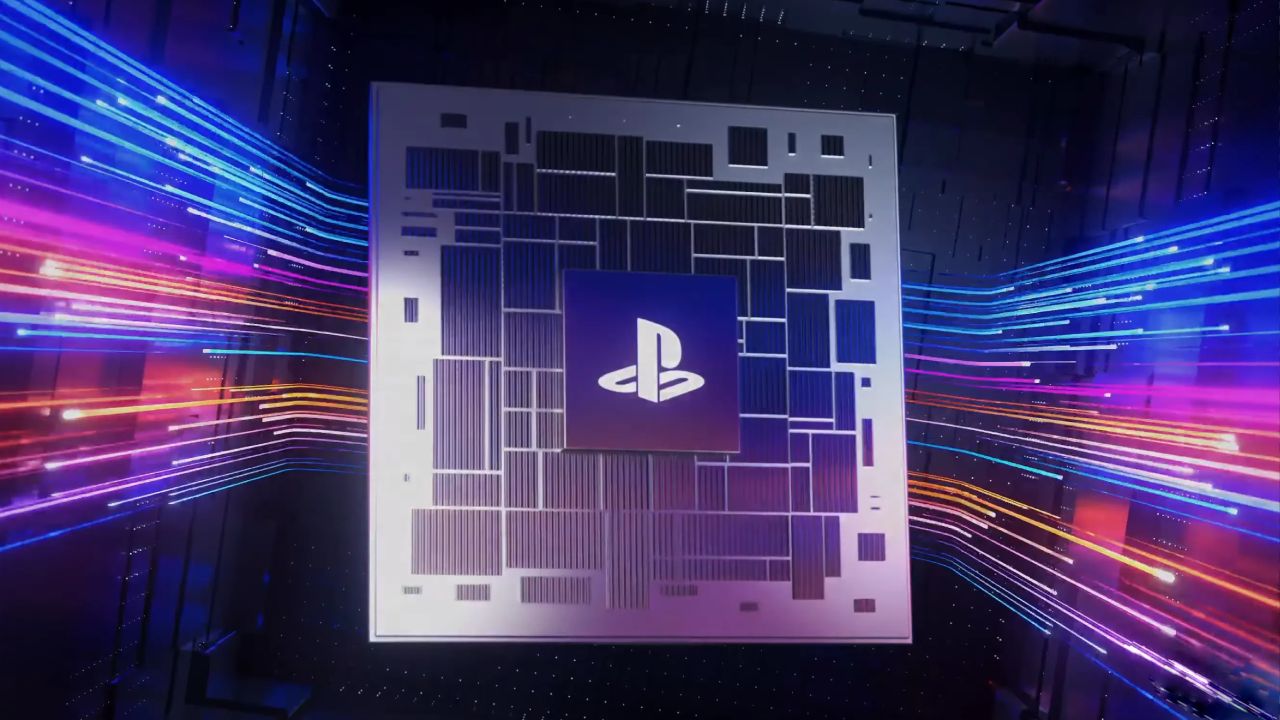
For months, rumors online have suggested that the PlayStation 6 could launch in late 2027 at a higher price than previous generations.
Some estimates have placed the system at $600-$700, especially after recent price increases affecting current hardware like the PlayStation 5 Pro. However, Totoki’s statements suggest that Sony may still be trying to figure out exactly when and how the next PlayStation will arrive.
According to Totoki, Sony has “not yet decided” on either the timing or pricing of the PlayStation 6 launch. Instead, the company plans to continue monitoring the market before making final decisions. Sony also expects memory prices and component costs to remain high through at least 2027, creating additional uncertainty around how expensive future hardware may become.
That uncertainty is not limited to gaming. The broader technology industry is currently dealing with increasing demand for AI infrastructure, massive data center expansion, and rising competition for high-end components. While public interest in AI-generated images and videos may feel less intense than a year ago, it remains significant.
These large-scale infrastructure projects are creating supply issues that ripple across the entire tech industry, including the gaming hardware sector. Sony appears fully aware that releasing a new console during this period could create major pricing challenges. If manufacturing costs continue to rise after launch, the company could face a situation.
That possibility becomes even more concerning when looking at recent industry trends.
Hardware contracts for components like LPDDR5 memory have reportedly become much shorter than they used to be. Instead of long-term agreements that lock in pricing for years, manufacturers are increasingly relying on shorter deals because suppliers expect costs to keep rising.
One of the most interesting parts of Totoki’s comments involved his reference to “changing business models” to find the best solution for the PlayStation 6. While the statement used typical corporate language, it immediately sparked speculation about what Sony might actually mean by that.
.jpg)
Traditionally, a PlayStation console launch has been fairly straightforward.
Sony launches a new system, sells it at a competitive price, and slowly migrates players to the next generation over several years. However, the gaming landscape has changed significantly since the launch of the PlayStation 5 and will continue to evolve in the near future.
There are now rumors suggesting Sony could approach the PlayStation 6 generation very differently. Reports have claimed the company may release both a standard PlayStation 6 console and a separate handheld version around the same time. The handheld is said to be digital-only and possibly tied into the wider PlayStation ecosystem.
If the rumors are true, Sony may be preparing for a future where the PlayStation brand is less about a single piece of hardware and more about a flexible ecosystem with multiple entry points. That would be consistent with Totoki’s remarks about exploring different business strategies.
But that kind of approach also carries risks. Launching two expensive devices at the same time could confuse consumers, especially if they’re aimed at the same demographic. That immediately makes you think of pricing, functionality, and whether players would actually want both devices at launch.
There is also the issue of consumer priorities.
Many players are already struggling with rising hardware prices across the industry. The PlayStation 5 Pro has already sparked debate due to its premium pricing, and adding another expensive generation too quickly may not appeal to people who feel current hardware still has plenty of life left.
Modern console generations are lasting longer than they used to, largely because game development has become dramatically more expensive and time-consuming. Many first-party PlayStation titles now take 5 or 6 years to develop, meaning a brand-new console generation could rely heavily on cross-generational releases anyway.
If Sony launches the PlayStation 6 too early, there is a strong chance many of its first major games will also still release on PlayStation 5. That creates a situation where developers have to split resources between supporting both generations, potentially slowing down production and limiting what newer hardware can fully achieve.
For some players, the appeal of slightly better visuals, higher frame rates, or improved ray tracing might not be worth buying another expensive console if most games still feel fundamentally similar to what is already available on the PlayStation 5.
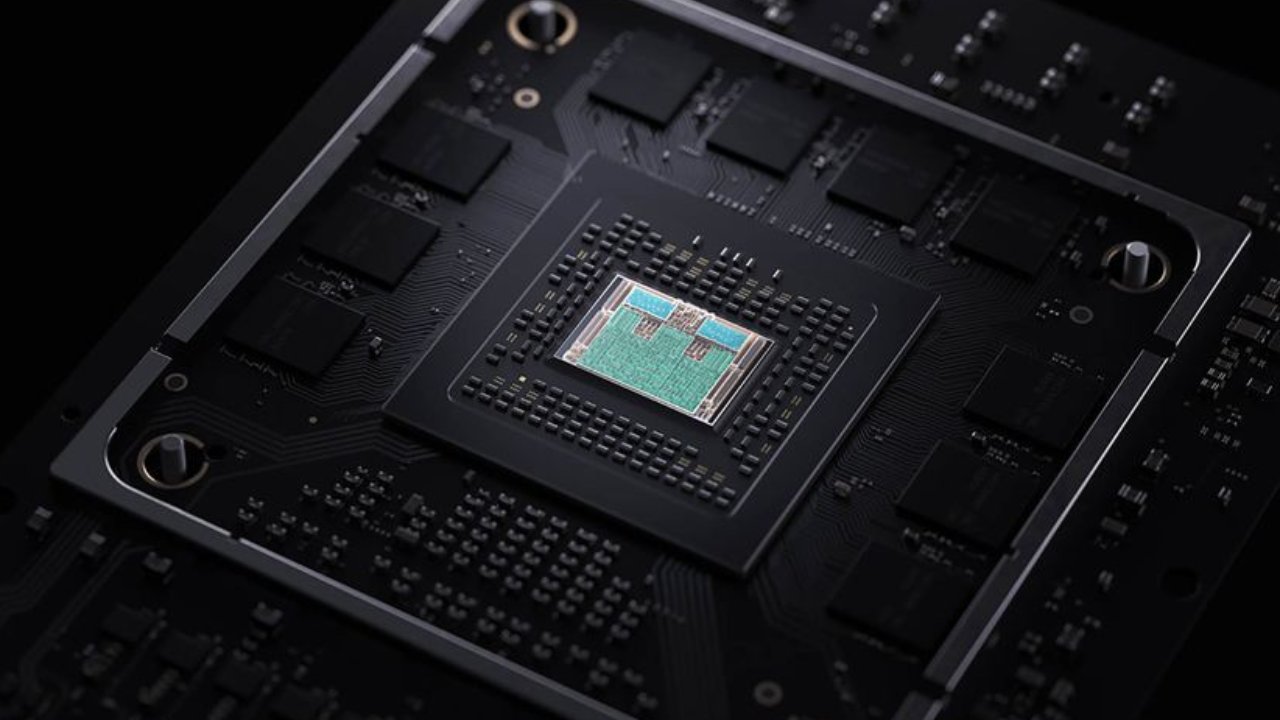
There is also a growing argument that Sony would do better to beef up software support for the current hardware rather than immediately pushing into a new generation. Another expensive console cycle too early might also offer players more value than more games, resurrecting older franchises and generally improving the 5th library.
At the same time, Sony must consider the platform's long-term future.
“The company can’t just stop pushing ahead with hardware development when competitors are still exploring new technology and ecosystem strategies. Microsoft, Valve, and Nintendo are all experimenting with different approaches to gaming hardware, cloud services, portability, and subscription ecosystems.
For now, though, Totoki’s comments suggest caution rather than urgency. Sony appears fully aware that the economic conditions surrounding the next console generation are far more unpredictable than previous cycles. Rising component costs, evolving consumer habits, and uncertainty about future demand seem to be forcing the company to rethink how to introduce the PlayStation 6.
That does not necessarily mean the console is far away or in trouble. However, it suggests Sony is far more careful about pricing, timing, and business structure than many fans previously assumed. And if the company is indeed planning significant changes to the way the PlayStation ecosystem functions.
Editor, NoobFeed
Related News
No Data.